
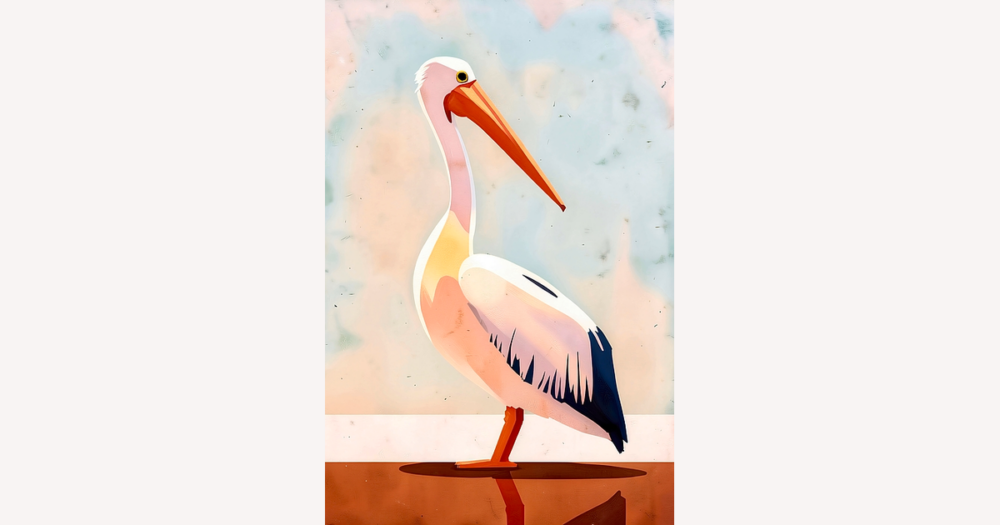
DHgate can be a useful place to discover pelican-themed wall art, but it works like a marketplace of many independent sellers, not a curated gallery. To avoid blurry or flimsy prints, focus on each listing’s materials, size, framing details, and photos, and combine that with the seller’s ratings and order history; a pelican piece with clear specs and real images from a well-reviewed seller is usually a safer choice than a beautiful design backed by vague information.
How DHgate works for buying pelican wall art
DHgate is a marketplace, not a single store, which means pelican paintings and prints are offered by many independent sellers with very different approaches to quality and service. You’ll see everything from simple poster-style prints to thicker canvases and more finished pieces, all mixed together in search results.
Because DHgate doesn’t curate pelican wall art the way a gallery might, what matters is whether a specific listing looks trustworthy. I pay more attention to clear material specifications (canvas or paper type, size, frame status), real photos of the artwork rather than only digital mockups, and a seller history that shows solid ratings and repeated orders.
When those details are vague—no mention of materials, only staged room mockups, or very sparse feedback—I would skip the listing even if the pelican design is appealing. Treat DHgate as a place to compare options, but judge each item by its specs, photos, and seller record rather than assuming the platform guarantees uniform quality.
Common pelican wall art formats you’ll see on DHgate
On DHgate, pelican wall art is usually described in a few recurring formats that give you clues about how finished the piece will look and how much work you’ll need to do after it arrives. A “stretched” or “ready to hang” canvas typically means the image is printed or painted on fabric that’s already wrapped around a wooden frame with hanging hardware, so it has solid visual presence on the wall and is less prone to creasing, though very thin frames or loose stretching can still sag over time.
A “rolled” canvas is the same kind of printed fabric but shipped as a roll without a frame. It’s easier and cheaper to ship, but you’ll need to mount or stretch it yourself, and the material can pick up dents or curls if you’re not careful. Listings marked “no frame” for paper or poster prints usually arrive as flat or rolled sheets you’ll have to frame; they can look crisp and modern when handled well, but they’re more vulnerable to creases, edge wear, and moisture than canvas.
Framed prints and posters generally come with a surrounding frame or mat described in the specs, so they feel more finished out of the box and are simpler to hang, but the quality of the frame (plastic vs. wood, thin vs. sturdy) matters for long-term durability. Multi-panel canvas or print sets split one pelican image across several pieces; these can make a larger statement on the wall but require more careful measuring and hanging so the panels line up, and cheaper builds may warp slightly over time. Reading phrases like “ready to hang,” “rolled,” and “no frame” in DHgate listings will help you anticipate the real format instead of relying only on the main photo.
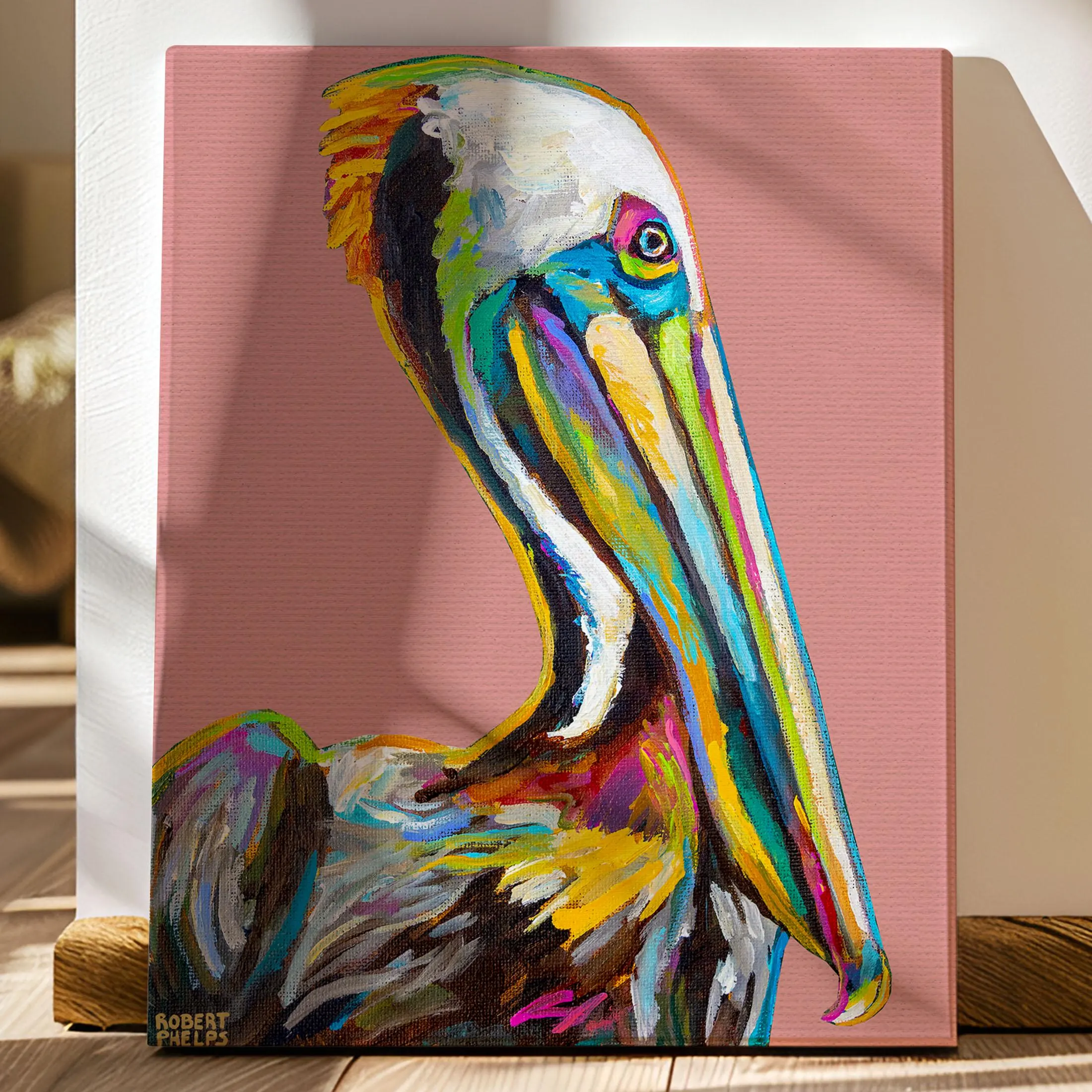
This pelican canvas wall art example shows how a ready-to-hang piece looks on the wall alongside a simple poster image in the listing photos, helping you connect terms like “canvas” or “no frame” to real-world appearance.
Materials and print details that signal better-quality pelican art
- Look for clear material specs such as “cotton” or “linen” canvas, or heavier paper stock (often described as thick, sturdy, or premium) rather than very thin, generic synthetic materials.
- Prefer listings that mention print quality details like “high-resolution” or specific DPI, and describe the method (giclée/inkjet print, UV print, or hand-painted) so you know whether you’re getting an artwork reproduction or a simple poster.
- Treat references to fade-resistant or archival inks and protective coatings (for example, UV-resistant or waterproof layers) as positive signs that the pelican image is less likely to wash out or scratch quickly.
- Check for information about the finish—matte, satin, or glossy—and any notes on texture, such as visible brush strokes on a hand-painted canvas versus a smooth printed surface, so you can match the feel to your decor and cleaning needs.
- Be cautious of listings that rely on vague phrases like “high quality” or “premium” without naming the material, ink type, or print process, or that skip specs entirely.
- Treat very small, low-detail photos or only digital mockups as red flags; better listings usually show multiple real, close-up images of the pelican artwork, edges, and surface texture.
- I would favor pelican pieces with detailed material and print specs plus honest, close-up photos, and skip designs I like if the listing stays vague or looks heavily mocked-up with no real images.
Checklist for reviewing a pelican wall art listing on DHgate
- Confirm the listed dimensions in centimeters or inches, check whether the pelican image is landscape, portrait, or part of a multi-panel set, and compare that to the actual wall space you have.
- Check materials and finish: note whether it’s canvas or paper, framed or “no frame,” and look for any mention of protective coating, backing, or mounting hardware so you know how much extra framing work you’ll need.
- Inspect all listing photos for clarity and color by zooming into close-ups; look for real photos of the actual artwork and edges, not just mockups placed on stock room backgrounds.
- Read buyer reviews carefully, focusing on user-uploaded images and comments about print sharpness, color accuracy, chemical smell, or canvas sagging to see how the piece looks in real homes.
- Verify seller metrics such as overall rating, number of completed orders, and feedback trends; if ratings are weak, orders are very low, or reviews feel mixed or unreliable, I would skip the listing even if the pelican design itself is appealing.
Matching pelican art styles to your room and decor
When you’re browsing pelican art on DHgate, start by matching the overall imagery style to the mood of your room. Realistic wildlife photography or detailed paintings of pelicans on piers or in marshes tend to suit living rooms or offices that already have nature prints, textured fabrics, and more traditional furniture; they work well with medium or dark wood frames that echo other wood tones in the space.
Coastal or nautical scenes—pelicans against pale skies, beach boardwalks, boats, or softly painted waves—usually feel light and airy. These fit bedrooms, bathrooms, or relaxed living rooms with light walls, natural fiber rugs, and soft blues or neutrals. On DHgate, look for listing photos that show plenty of white or pastel space in the image, and consider white, light wood, or narrow natural frames to keep the coastal feel instead of heavy dark borders.
Minimalist silhouettes or graphic pelican outlines work best in modern or minimalist rooms with clean lines and limited color palettes. Here, a simple black, charcoal, or crisp white frame can reinforce the modern look. In DHgate photos, these pieces often have solid backgrounds and strong contrast; check that the colors in the listing match your existing accent tones, like black metal lamps or monochrome bedding.
Vintage or illustrative pelican prints—such as old-style posters, map-like backgrounds, or hand-drawn diagrams—pair well with eclectic, study-like spaces, bookshelves, and antique-style decor. Warm-toned frames (walnut, gold, or distressed finishes) or canvases with slightly aged-looking edges can support that vintage mood. Use the listing photos to spot sepia tones, muted colors, and decorative typefaces that echo other vintage elements in your room.
Because DHgate is image-driven, rely on the listing photos to make these calls: look at the dominant colors, how busy or simple the background is, and whether the frame or canvas edge shown feels light, modern, or classic. If the seller offers frame color choices or “no frame” canvas, choose the option that matches your existing hardware and furniture—light frames with coastal and airy spaces, black or metal-look frames with modern rooms, and warmer, textured frames with vintage or traditional decor.
DHgate-specific risks with pelican wall art—and how to avoid them
How DHgate’s buyer protections apply to pelican art orders
On DHgate, pelican wall art orders are processed through a platform-managed transaction rather than direct payment to the seller. You typically place the order and pay through DHgate, and the platform holds that payment while the seller prepares the item within a stated handling time and arranges shipping. Listings usually show an estimated delivery window, and once the order is shipped you can follow tracking updates and use DHgate’s on-platform messaging to ask the seller questions or clarify any issues while the artwork is in transit.
If the pelican piece arrives damaged, is the wrong size, lacks a frame that the listing clearly promised, or is obviously poorer in print clarity than the photos and description suggested, you can normally raise the issue through DHgate rather than negotiating off-platform. The usual path is to collect evidence first—photos of the damage or mismatch, plus screenshots of the original listing—and contact the seller through DHgate messaging. If you can’t reach agreement, you can open a dispute on the order page and ask the platform to review the case for a refund or other resolution. For more subjective points, such as minor color shifts or small differences in how sharp the image looks, protections may be less straightforward, so it’s important to rely on clear listing specs and buyer reviews before you order and then check DHgate’s current terms for the exact rules that apply to your situation.
Step-by-step: managing a pelican art order on DHgate
- Evaluate the pelican wall art listing and seller first, using the earlier quality checklist and risk checks before you commit to an order.
- Confirm your delivery address and choose a shipping method, favoring options that include tracking and clearly stated delivery windows when available.
- Save or screenshot the listing details—including size, materials, framing status, and key photos—so you have a record if anything changes or you need proof in a dispute.
- Monitor the order’s tracking information and expected delivery window through DHgate so you know when the package should arrive and can spot delays early.
- When the artwork arrives, inspect it carefully before throwing away packaging: verify size and orientation, check whether framing and hardware match the description, look closely at print clarity and colors, and note any damage or defects.
- If you find a significant mismatch or problem, take clear photos, contact the seller through DHgate messaging to explain the issue, and be prepared to open a dispute through the platform promptly if you cannot resolve it directly.
What you can—and can’t—know about pelican art quality before ordering
For pelican paintings and prints on DHgate, some qualities are genuinely knowable before you order, because they’re stated in the listing or visible in buyer feedback. You can check the listed materials (canvas versus paper, and whether the paper is described as thick or premium), the exact dimensions in centimeters or inches, and the format, such as “no frame,” “with frame,” “poster only,” or “ready to hang.” Listings that mention a specific print or painting method—giclée print, photo print, or hand-painted acrylic or oil—also give you clearer expectations about how the image is produced. Patterns in buyer reviews, especially when people upload their own photos, help you verify whether previous customers received something close to the description in terms of size, framing, and general clarity.
Other aspects of pelican art quality will always involve some uncertainty until you see the piece in person. Screen and print can differ, so the exact color tone, brightness, or warmth may shift slightly compared with listing photos. The perceived sharpness of the pelican image, the feel of the canvas or paper (stiff versus flimsy, smooth versus rough), and any odors from inks or coatings are hard to judge from text and pictures alone, as are small finishing details like slightly uneven edges or minor specks in the print. I accept that a bit of variation is normal for online decor buying, even when I’ve checked specs and reviews carefully; what matters is whether the artwork that arrives is materially different from what DHgate’s listing promised. When there is a clear mismatch—such as a different size, format, or obviously blurred image compared with the photos—I rely on DHgate’s protections and dispute process to address it, rather than expecting listings or reviews to guarantee perfect personal satisfaction every time.
Pelican wall art on DHgate: practical FAQs
How can I tell if a pelican piece on DHgate comes ready to hang?
Read the listing text closely for phrases like “with frame,” “ready to hang,” “stretched canvas,” or mentions of hanging hardware. These usually mean the artwork arrives on a frame or with hooks already installed. Terms like “no frame,” “poster only,” “rolled canvas,” or silence about hardware generally mean you’ll need to arrange your own frame or mounting. If the photos show a framed piece but the description is unclear, treat it as unframed and message the seller through DHgate to confirm exactly what will be in the box before you order.
What should I do if the listing doesn’t clearly state the material or print method?
When a pelican art listing is vague about material or print method, pause and ask the seller for specifics through DHgate messaging. Request clear answers about whether it’s canvas or paper, how thick the material is, and whether the image is hand-painted or printed (and with what process, if they’ll say). Only proceed if the seller replies with concrete details rather than generic phrases like “high quality.” If they won’t clarify or their answers feel inconsistent with the photos, treat that as a red flag and choose a listing with better, more transparent specs instead.
How can I request a custom size or minor format change for pelican wall art on DHgate?
Use DHgate’s on-platform messaging to contact the seller before you buy and ask whether they can offer different sizes, frame colors, or formats (for example, canvas instead of paper). If they agree, have them describe the exact custom option—including dimensions, format, and price—in writing within the DHgate conversation and, ideally, update the listing or create a specific variation you can select. Keep screenshots of that agreement and the final listing details. Avoid paying off-platform or relying on verbal promises; having everything documented in DHgate makes it easier to resolve any problems later through the platform’s dispute process.