
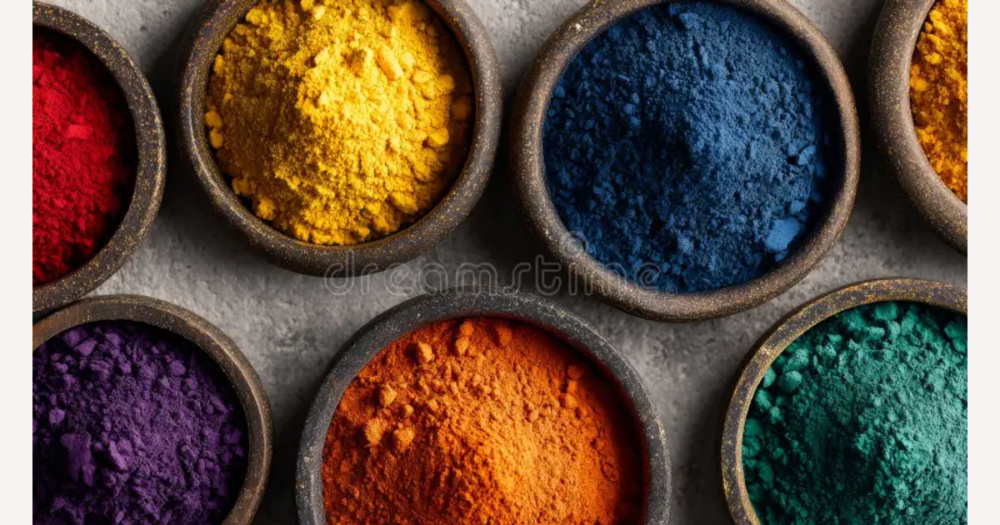
DHgate can be a useful marketplace for rangoli colors and powders, but the safest purchases come from reading listing details and seller signals carefully rather than chasing a single “best” option. This guide explains how to find rangoli materials on DHgate, interpret textures and finishes for traditional designs, and apply those choices to practical checks on packaging, shipping, payment, and platform protections before you order.
Using DHgate to find rangoli colors and powders
DHgate hosts many listings for rangoli colors and powders from different sellers, so you can use it as one marketplace source when you want materials for traditional designs. Typing search terms like “rangoli colors,” “colored powder,” or “festival decorative powder” and then browsing relevant categories is usually enough to surface a broad range of options rather than a single recommended product.
Once you reach those listings, the real task is not finding a universally “best” rangoli powder but comparing what each seller tells you: material type, texture, color range, packaging, and buyer feedback. The aim is to reduce uncertainty and choose powders that feel authentic and practical for your designs, without promising that any one listing will always be superior or perfectly genuine.
Understanding rangoli material types and textures
On DHgate, rangoli materials are often described as loose colored powders or pre-packaged multi-color sets. Loose powders can be useful if you want flexibility in how much of each shade you pour out, while sets may bundle several colors for festival use or specific patterns. Listings may also mention whether the product is intended for floor designs, decorative art, or general craft use, which helps you judge how well it matches traditional rangoli.
Texture is another key difference. Some powders are described as coarse or sand-like, which can be easier to control when outlining large shapes but may give a more grainy look. Finely milled powders can flow more smoothly and make detailed patterns or thin lines easier to draw, yet they may spread more readily if bumped or exposed to drafts, which can increase cleanup effort.
Finishes also vary. Matte colors usually produce a soft, classic look that reads clearly in daylight, while slightly shimmery or reflective powders can catch light and look more dramatic at night or under indoor lighting. That same reflectivity can make some shades appear lighter or darker depending on the angle, so thinking about where you will display the rangoli—indoors, outdoors, daytime, or evening—matters when choosing a finish.
Because these characteristics change how patterns behave and how easy cleanup will be, clear descriptions of format, texture, and finish in a DHgate listing make it much easier to predict results. When a listing uses vague labels or barely mentions how the powder looks and feels, you face more uncertainty about suitability for traditional designs and may need to accept a higher risk of the colors behaving differently than you expect.
Reading DHgate listing details for rangoli quality
- Color range and count: Listings that state exactly how many colors are included and mention traditional hues (such as deep reds, yellows, blues, and greens) make it easier to plan designs. Clear numbers and shade names give you a better sense of how versatile the set will be than vague phrases like “many colors.”
- Brightness and vibrancy wording: Phrases that describe intensity—such as “rich pigment,” “bright,” or “soft pastel”—paired with clear, well-lit photos are more informative than generic claims like “high quality” or “super bright.” Consistent text and images help you set expectations for how the colors may appear in your space without promising exact results.
- Staining and washability notes: Any mention of whether the powders may stain floors, fabrics, or hands, or how easily they can be swept or wiped away, is practical information about where you can safely create rangoli and how cleanup might go. When a listing is silent on these points, you should assume more uncertainty about how the colors will behave on your surfaces.
- Packaging format: Details such as “small sachets,” “plastic jars,” or “bulk bags” indicate how easy the powders will be to portion, store, and handle. Individual sachets can be convenient for multi-color designs or events, while larger bags might suit repeated use but require more care to avoid spills.
- Intended use statements: Listings that say the powders are meant for floor decoration, festival rangoli, craft projects, or general art use help you judge whether they match your plan. A powder marketed for broad craft use may behave differently on floors than one described specifically for decorative rangoli.
- Taken together, these observable details—color range, brightness wording and photos, staining or washability notes, packaging format, and intended use—act as signals about suitability and ease of use. They help you form a quality impression for DHgate rangoli listings, but they do not guarantee performance, so it’s wise to treat them as expectations rather than promises.
Choosing detailed listings over vague promises
When two DHgate rangoli listings look similar at first glance, the one with detailed material and usage information usually feels like a safer choice. If a listing specifies what the powder is made from, how fine or coarse it is, exactly how much is in each pack, and shows multiple clear, consistent photos, you can start to picture how it will look in your designs, how it will pour and spread, and whether the quantity matches your plans.
By contrast, listings that lean on generic phrases like “high quality,” “festival colors,” or “best for celebration” without explaining texture, composition, or pack size leave more unanswered questions. You know less about whether the powder will create crisp lines or a grainy look, how many patterns you can realistically make, or how the colors may appear in real lighting. That uncertainty can be acceptable if someone mainly wants a low price or is making a quick, low-stakes purchase, but it raises the risk of disappointment for more deliberate projects.
I would personally favor listings with clear material, texture, quantity, and photo information over vague, heavily promotional options when other factors—such as price band and seller ratings—are similar. Detailed listings do not guarantee better products, yet they reduce guesswork and make outcomes more predictable. Buyers who are comfortable trading that clarity for a lower price might choose differently, but treating information-rich listings as the default is a practical way to lower risk when ordering rangoli colors on DHgate.
A simple screening sequence for DHgate rangoli listings
- Check the seller first: look at overall rating, how many orders they’ve completed, and whether reviews mention buying rangoli or similar decorative powders so you know the seller has experience with this type of product.
- Read buyer comments and review photos to see how the colors look in real use and whether packaging and delivery condition match the listing description, paying attention to mentions of spills, faded shades, or damaged packs.
- Verify quantity and color count, confirming that the total amount of powder and number of shades match your planned designs or event size instead of assuming one set will be enough.
- Confirm shipping options and estimated delivery times, especially for overseas sellers, and look for notes or photos showing sealed bags, boxes, or other packaging that help prevent leakage or breakage in transit.
- Only after these checks compare price and any discounts, treating cost as the last filter once you’re satisfied with seller reliability, practical details, and timing.
- Use this sequence as a quick routine: it won’t guarantee perfect results, but it does reduce uncertainty and helps you focus on DHgate rangoli listings that balance clear information, solid seller signals, and acceptable price.
Using DHgate’s payment flow to protect your transaction
Once you’ve chosen a rangoli listing on DHgate, the safer way to buy is to follow the standard checkout flow: add the item to your cart, review shipping options and the total cost, and pay using DHgate-supported payment methods inside the platform rather than sending money directly to the seller.
When you complete payment through DHgate, the platform generates order confirmations and keeps a record of the transaction, including what you bought, how much you paid, and the stated shipping details. Those records can be referenced later if there is a problem with the rangoli colors or powders.
Avoid agreeing to off-platform payment arrangements, such as direct bank transfers or messaging-based deals, because they fall outside DHgate’s normal protections and make it harder to prove what was agreed if something goes wrong.
Staying within DHgate’s payment flow helps safeguard your transaction information and leaves a clearer trail for any future dispute, even though it cannot guarantee that every order will be perfect—strong platform protections still work best alongside the careful listing checks you already made.
Shipping and packaging considerations for rangoli powders
Rangoli colors are fine powders, so packaging and shipping matter as much as the shades themselves. On DHgate, focus on listings that show or clearly describe sealed bags, jars, or double-packaging and avoid options where powders appear loose or poorly contained. Reviewer photos and comments about packaging—whether bags arrived intact, whether jars were taped or padded, and whether there was any spillage—are valuable signals of how the seller actually packs orders.
Delivery windows also affect how much packaging strength you need. If the seller ships from overseas and the estimated delivery time runs several weeks, the order will pass through more handling, so sturdy, sealed packaging becomes even more important, especially if you are planning for a specific festival or event and cannot afford a messy box of leaked powder on arrival.
Treat clear statements about preventing leakage or spills—such as mentions of inner bags, protective wrapping, or reinforced cartons—as positive signs, and treat vague or silent packaging descriptions as higher uncertainty. When two listings look similar in color and price, choosing the one with detailed packaging information and reassuring review feedback usually aligns better with a cautious, information-first approach than gambling on an option that barely explains how your rangoli powders will be shipped.
DHgate disputes and refunds for rangoli purchases
If your rangoli colors from DHgate arrive late, damaged, or noticeably different from the listing, keep all communication inside the platform. Use the messaging tools attached to the order rather than switching to email or private apps, so there is a clear record of what you report and how the seller responds.
When you open a dispute, those order records and photos of the issue—such as leaking bags, wrong colors, or missing packs—give DHgate more concrete information to review. Dispute tools are typically linked directly to the order page, and you submit your description, evidence images, and preferred resolution there instead of negotiating entirely in private messages.
Time limits matter: disputes usually need to be raised within a defined window after delivery, so check your rangoli powders promptly rather than waiting until the day of your event. These mechanisms offer a practical route to seek refunds or other solutions, but they do not guarantee a particular outcome; they work best alongside the earlier steps you took to choose a well-rated seller with clear, honest listings. Knowing how DHgate’s protections function before you order can make it easier to try a new seller without feeling you are taking on all the risk alone.
Pre-purchase checklist for DHgate rangoli colors
- Material and texture: Confirm what the powder is described as (e.g., rangoli, decorative or craft powder) and whether the listing notes fine or coarse texture so you can judge how easily it will pour, spread, and hold patterns.
- Color range and quantity: Check how many colors are included, whether shades are clearly named or shown, and the total amount per pack or set so the quantity matches your planned designs or event size.
- Seller rating and review volume: Look at the seller’s overall rating and how many orders and reviews they have, focusing on comments that mention rangoli or similar powders rather than only unrelated products.
- Buyer photos and comments: Scan review images and text for real examples of the colors, packaging, and any mentions of issues like clumping, dull shades, or differences from the listing photos.
- Packaging details and leakage risk: Read how the powders are packed (sealed bags, jars, double-packaging) and check both the listing and reviews for remarks about intact packaging, spills, or leaking during delivery.
- Shipping options and delivery window: Confirm available shipping methods, estimated delivery time to your location, and whether that window fits the date you plan to use the rangoli, especially if the seller ships from overseas.
- Dispute and refund time frames: Make sure you understand DHgate’s basic rules for opening disputes and requesting refunds—especially the time limits after delivery—so you know when you must check the order and act if there is a problem.
- Price and discounts after checks: Only once the points above are satisfactory, compare prices and any discounts or coupons, deciding whether a lower cost is worth any remaining uncertainty in the listing information.
Practical FAQs about using DHgate rangoli powders
Can I reuse rangoli powders from a DHgate listing after an event?
Reuse is possible in some situations, but it depends on how clean and dry the powders remain. If a design has been exposed to moisture, food, or a lot of foot traffic, the powders are more likely to pick up debris and be unsuitable for reuse. In cleaner indoor settings, you may be able to carefully collect powder that has stayed dry and uncontaminated. Check the listing for any reuse guidance, and if you are unsure, treat reuse as experimental—try saving a small amount from a low‑stakes design and see how it behaves before planning to reuse larger quantities.
How much rangoli powder should I order from DHgate for a design or gathering?
The amount you need varies with design size, pattern density, and the texture of the powder. Large, filled‑in floor designs use more material than simple outlines, and finer powders often cover more area per unit than coarse, sand‑like textures. Start by estimating the dimensions of your planned designs and whether you will mostly outline shapes or fill them in. Then compare that plan with the quantity information in the listing—such as grams per pack or number of sachets—and any usage examples the seller provides. When in doubt, order with a margin for extra coverage rather than assuming one small set will be enough, especially for bigger gatherings or multi‑day displays.
Is it safe to mix rangoli colors from different DHgate listings in one design?
Mixing colors from different listings is generally possible, but results can vary because powders may differ in texture, staining behavior, and finish. Combining very fine powders with coarser ones can change how smoothly lines pour and how evenly colors blend, and mixing matte shades with shimmery ones can alter how the design looks under different lighting. Check each product description for notes on texture, intended use, and any staining warnings, and test small combinations on a spare surface first. Treat those trials as your guide before relying on mixed powders for a large or important design, since no universal guarantee applies across all DHgate products.