
You can use DHgate to find fishing clothing that feels like good value rather than just the cheapest thing on the page by treating it as a marketplace and being deliberate about who you buy from. Many different sellers list shirts, jackets, pants, and other gear, so the quality, sizing, and shipping experience depend on each store’s habits. If you focus on clear material specs, honest photos, strong ratings, and sensible shipping and refund terms—and accept that protections still depend on the evidence in each case—you can pick options that balance price with reliability.
Understand DHgate’s role when buying fishing clothing
On DHgate you’re not buying fishing clothing from a single store; you’re using a marketplace where many independent sellers post their own listings. DHgate provides the platform, payment processing, and a dispute framework, but each seller controls the actual garments they offer.
That means fabric choice, stitching quality, sizing accuracy, and even how carefully items are packed and shipped all depend on the individual seller, not DHgate as a brand. Shipping speed, available shipping methods, and how problems are handled day to day also vary from store to store.
In practice, you’re always choosing both a specific piece of fishing clothing and the seller behind it. Before you treat a low price as a good deal, read the listing details closely and check the seller’s ratings, reviews, and policies. I would rather pay a bit more to buy from a seller with clear specs, real photos, and a solid track record than gamble on the very cheapest option, especially for clothing I need to be reliable.
Match fishing clothing types to your fishing conditions
Once you understand DHgate’s marketplace setup, decide which type of fishing clothing actually fits your conditions before you start comparing prices. Common categories include sun-protection and quick-dry shirts for hot, bright days; lightweight pants or shorts for warm shore or boat fishing; waterproof or water-resistant jackets and bibs for wind and rain; insulated base layers for cold mornings; waders for standing in rivers or shallow coastal water; plus hats, face covers, and gloves to shield you from sun, spray, and abrasion.
Think about where and how you fish: long hours under strong sun, frequent rain, cold river wading, or mostly dry boat trips. Choose garments that match your exposure to sun, wind, and water, and whether you’ll be wading or staying dry. Only after you’ve narrowed the clothing type to what your climate and style of fishing really demand does it make sense to compare listings on DHgate for price and quality.
Use materials and construction details as quality signals
- Check the fabric type first. Polyester and nylon are common in fishing clothing because they usually dry faster and resist abrasion better than cotton; cotton tends to feel soft but stays wet longer and can feel heavy when soaked.
- Note the fabric weight or thickness. Lighter fabrics are typically better for hot, active days and quick drying, while mid-weight or heavier fabrics can feel sturdier and slightly warmer but may dry more slowly and feel less flexible.
- Look for any mention of water resistance or waterproof membranes. Phrases like “water-resistant” usually mean it will shed light spray or brief rain, while more technical descriptions and multi-layer construction can indicate better protection—though wording alone never guarantees you’ll stay completely dry.
- Check seam details such as taped or reinforced seams. Taped seams and double stitching around shoulders, elbows, and seat areas generally lower the chance of leaks and splitting compared with simple single-stitched seams.
- Pay attention to zippers and closures. Durable zippers, plus secure Velcro, snaps, or drawcords at cuffs, waist, and hood, help keep out wind and spray and are less likely to fail than very thin, unbranded hardware.
- Look for mesh panels, back vents, or underarm ventilation. These features usually improve airflow and make quick-dry fabrics more comfortable in warm or humid conditions by helping sweat evaporate instead of trapping heat.
- Treat UPF or sun-protection claims as helpful but general indicators. A stated UPF rating can suggest the garment is designed to reduce UV exposure, but it shouldn’t be taken as a medical guarantee; you still need to manage sun safety overall.
- Overall, better-quality DHgate listings for fishing clothing tend to describe materials, fabric weight, seams, zippers, and vents in more detail and show clear photos. Very sparse specs and vague marketing language usually mean more uncertainty about how the garment will feel and hold up.
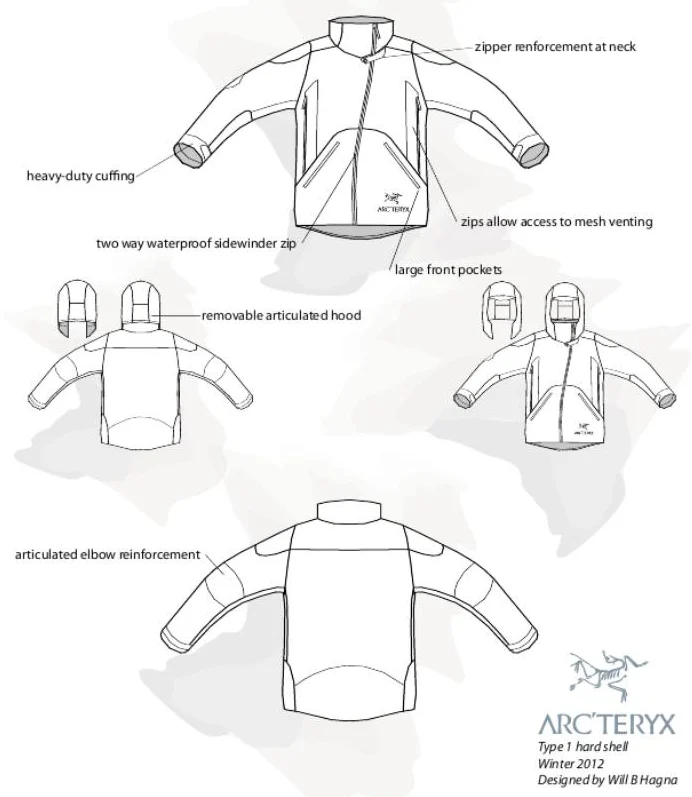
Use the diagram to connect listing specs to real garment areas—for example, where seams are taped, which panels use different fabrics, and how zippers and vents are positioned on a fishing jacket or shirt.
Evaluate a fishing clothing listing on DHgate
- Confirm the garment type and whether it fits your fishing conditions. Check that the listing clearly states whether it’s a sun shirt, waterproof jacket, waders, pants, or another item, and match that to the weather and environment where you’ll be fishing.
- Read the material and construction specs carefully. Use what you learned about fabric type, weight, seams, zippers, closures, vents, and any sun-protection notes to judge how the garment is likely to feel, dry, and hold up in use.
- Study the size chart and measurements. Compare the listed chest, waist, inseam, and sleeve numbers with a garment you already own, and pay attention to review comments about fit running small, large, or true to size.
- Inspect the listing photos closely. Zoom in on stitching, zippers, cuffs, and hems, and look for real-life buyer photos if available to see how the clothing hangs, fits, and looks outside studio lighting.
- Compare the price with similar listings. Check a few garments of the same general type and spec level to see whether this one is unusually cheap or sits in a more typical mid-range, then weigh that against how much detail and evidence the listing provides.
- Review seller ratings and history. Look at the overall rating, number of completed transactions, store age, and written reviews to spot patterns of satisfied repeat buyers or recurring complaints about quality, sizing, or items not matching photos.
- Check shipping options, estimated delivery times, and costs. Make sure the shipping method, total cost, and expected arrival window work for you, and note any big differences between listings that might affect value.
- Read the seller’s return and refund policies and DHgate’s dispute framework in outline. Understand under what conditions you can request a return or open a dispute, and what kind of evidence you’d need if the garment arrives damaged or very different from the description.
- Favor listings that score well on most of these checks—clear specs, good photos, solid seller feedback, reasonable shipping, and workable policies—rather than choosing purely on the lowest price. Following the routine reduces risk but can’t guarantee every purchase will be perfect.
This DHgate video walks through how to judge a seller’s reliability and product quality, which you can combine with the checklist steps for fishing clothing listings.
Balancing very cheap listings against mid-range options
| Listing tier | Typical description detail | Photo quality | Seller history | Reviews and feedback | Risk level | When this tier may make sense |
|---|---|---|---|---|---|---|
| Ultra-cheap listings | Often very short descriptions with few concrete specs (materials, fabric weight, seam details, sizing notes may be vague or missing). | One or two generic photos, sometimes stock-style images that don’t show close-ups of stitching, zippers, or fit on real people. | Frequently newer sellers with low transaction counts and limited store history; ratings may be sparse or based on only a handful of orders. | Few reviews or mixed comments, with occasional mentions of sizing being off, items not matching photos, or thin fabric compared with expectations. | Higher uncertainty: more chance of surprises on fit, comfort, and durability, and a greater risk of slow shipping or service frustrations if problems arise. | Best reserved for non-essential experiments—trying a style or color you’re curious about, where delays or quality issues would be tolerable and you’re comfortable accepting more risk to save money. |
| Mid-range listings | More complete descriptions that spell out fabric type, approximate weight or thickness, key construction details (seams, zippers, closures), and clearer sizing information. | Multiple well-lit photos from different angles, often including close-ups of cuffs, hems, and stitching and sometimes real buyer photos showing how the clothing fits in everyday use. | Typically more established sellers with higher ratings, larger numbers of completed transactions, and longer store history. | Richer, more consistent feedback with many positive comments about accurate sizing, items matching photos, and acceptable fabric quality; fewer recurring complaints about serious issues. | Lower but not zero risk: better odds that the garment will arrive as described and that the seller will handle questions or problems more smoothly. | Usually the safer choice for essential gear—sun shirts, waders, jackets, or pants you really need for a trip—where I would rather pay a bit more for strong evidence and seller history than chase the absolute lowest price. |
Reading DHgate seller ratings and reviews with confidence
On DHgate, every fishing clothing listing sits inside a seller’s store, so that seller’s ratings and history are central to judging quality and reliability. You’ll generally see an overall rating score, the number of completed transactions, how long the store has been active, and buyer reviews, including photo reviews. I put more trust in sellers whose ratings stay high over many orders and years than in a new store with only a few sales.
Reassuring patterns include high average ratings across a large number of transactions, repeat buyers mentioning that they ordered from the same store again, and comments that sizing is accurate and the garments look like the photos. Photo reviews are especially useful: they show how shirts, jackets, or pants actually fit and hang, which helps you check whether the listing images are realistic.
Concerning patterns include many mentions of items not matching descriptions or photos, inconsistent sizing (for example, several buyers saying the same garment runs very small or very large), poor communication, or repeated complaints about shipping delays that the seller doesn’t seem to resolve. When reviews are sparse, mixed, or mostly negative, I’d slow down, compare with other sellers, or ask clarifying questions before ordering.
Focus on recent reviews and, where possible, feedback specifically about fishing clothing or similar garments rather than unrelated products. Strong ratings and good reviews increase confidence but never guarantee a perfect outcome, so treat them as evidence that reduces risk—not as a promise that every transaction with that seller will be trouble-free.
Protect your payment and communication on DHgate
- Use DHgate’s official payment methods and complete checkout only through the platform’s secure interface, rather than through links or forms sent in messages.
- Decline any request to pay off-platform—for example via bank transfer, crypto, or third-party payment apps—because those routes usually sit outside DHgate’s buyer protection framework.
- Keep all order-related communication inside DHgate’s messaging system, including questions before purchase and any descriptions of problems after delivery, so there is a clear record tied to the order.
- Keeping payment and communication on DHgate helps keep its buyer-protection and dispute tools available and easier to use, but those tools do not guarantee a specific outcome or timeline in every case.
Common risks and how DHgate protections apply
- Sizing issues: clothing from overseas sellers may follow different size standards, so garments can arrive tighter or looser than expected. If the size you receive clearly doesn’t match the chart in the listing, take photos comparing the garment to measurements or labels, and describe the mismatch in DHgate messages.
- Color or pattern not matching photos: screens, lighting, and careless listing images can make colors and prints look different. When the delivered item clearly differs from the advertised photos—for example, a different pattern or logo placement—photograph the product next to screenshots of the listing and explain the difference to the seller through DHgate.
- Fabric thinner or less water-resistant than expected: some fishing clothing may feel flimsy or lack the practical water resistance implied by marketing phrases. If the fabric is obviously not what was described (for instance, listed as a thick waterproof shell but arrives as a light, unlined layer), document this with close-up photos and a short explanation referencing the original description.
- Shipping delays: international shipments can take longer than estimated, and tracking may update slowly. If your order passes the estimated delivery window, check tracking, message the seller via DHgate for an update, and keep screenshots of dates and status in case you need to show that the package is late.
- Returning customized or personalized items: garments with added names, logos, or tailored measurements are often harder to return, especially if the issue is preference rather than clear seller error. Before ordering, read any notes about returns on customized items; if a personalized product arrives with an obvious mistake, photograph the error and describe it carefully to the seller on DHgate.
- If direct communication does not solve the problem, you can open a dispute within DHgate’s system following platform rules, submitting your photos, screenshots, and message history as evidence so the case handler can see what happened.
- DHgate’s buyer protection and dispute framework provides structure for handling complaints and possible refunds, but it does not guarantee a particular result or timeline; outcomes depend on the evidence you provide, the exact policies that apply, and how the case is assessed.
- To be prepared, save screenshots of the original listing (including specs, photos, and size charts) when you order and keep all communication records inside DHgate, so you have clear documentation if a dispute becomes necessary.
A simple way to compare overall value between listings
- Shortlist three to five DHgate listings that clearly match your needs: the right garment type (for example, sun shirt, waterproof jacket, or waders) and suitable for your usual fishing weather and environment.
- For each shortlisted listing, make a simple side‑by‑side note or table with: price, fabric and construction details, how clear and detailed the size chart is, seller rating, key review themes, estimated shipping time and cost, and stated return or refund terms.
- Cross out any listing that has missing or vague specs, confusing or incomplete size information, weak or inconsistent reviews, a brand‑new seller with almost no history, or less favorable protection and return terms—even if that option looks slightly cheaper.
- From the remaining options, choose the listing that combines clear specifications, a trustworthy seller track record, reasonable shipping, and a fair price. I would prioritize this overall value and reliability over chasing the absolute lowest price for important fishing clothing.
FAQ: sizing, authenticity, and late deliveries
How should I use size charts from overseas sellers on DHgate when buying fishing clothing?
Treat the seller’s measurements as your main reference, not your usual local size label. Check the chart for actual numbers (chest, waist, hip, sleeve, inseam) and compare them with measurements from a fishing shirt, jacket, or pair of pants you already own that fits well. Read reviews for comments such as “runs small” or “runs large,” and adjust your choice if several buyers report the same pattern. Even with careful measuring, some variation is still possible because cutting and sewing can differ between batches and brands, so there is no way to guarantee a perfect fit every time.
Can I assume branded fishing clothing on DHgate is authentic?
No. You should never assume that branded fishing clothing on DHgate is automatically authentic. Be skeptical of listings with prices far below typical market levels or descriptions that are very vague about materials and origin. If authenticity matters to you, focus on sellers with strong, long-term ratings, detailed product descriptions, and many consistent reviews mentioning that items match expectations. Even then, this guide cannot verify or guarantee authenticity for any specific listing; it can only suggest that very cheap, poorly described offers from unknown sellers carry higher risk.
What should I do if my DHgate fishing clothing order doesn’t arrive by the estimated date?
First, check the tracking information shown in your DHgate order details to see whether the package is still in transit or appears stalled. If the estimate has passed, contact the seller through DHgate’s messaging system, ask for an update, and keep those messages and screenshots of tracking and dates as a record. If the issue persists and the order remains late or undelivered, follow DHgate’s dispute process as outlined on the platform, submitting your tracking evidence and message history. How quickly the case is handled and whether you receive a refund or other solution depends on the specific facts of your order and DHgate’s current policies, so no outcome can be promised in advance.