
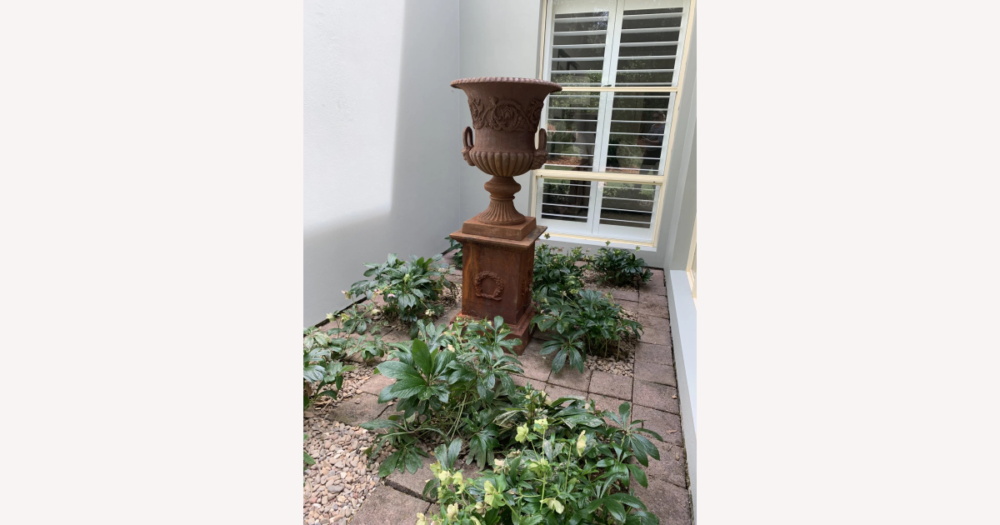
On DHgateWiki, the question of “where can I find cast iron garden urns in Australia?” becomes “how much should I budget, and how do I protect myself when I choose a seller?” This guide sketches broad, illustrative AUD price bands for cast iron urns and pedestal sets, explains the specs that actually justify higher or lower costs, and applies DHgate-style thinking about seller reliability, shipping, payment, and refunds so you can approach any marketplace more safely without turning this page into a shopping list.
Typical price ranges for cast iron garden urns in Australia
DHgateWiki cannot show live inventory or guarantee current prices, but observed listings for cast iron garden urns and urn‑and‑pedestal sets in Australia suggest broad bands. Simple single urns and smaller decorative pieces often start in the low hundreds of Australian dollars, roughly around AU$200–AU$400. Many contemporary garden urn and pedestal sets cluster from about AU$300 up towards roughly AU$1,200, while larger decorative sets or antique pairs can run into the low thousands, sometimes around AU$1,800–AU$2,000 or more. These figures are indicative examples only, not fixed price points or promises about what you will see on any given marketplace.
Prices move with size, weight and wall thickness, casting complexity, finish quality, and whether the piece is antique or newly made, so two urns that look similar in photos can still sit in different bands. If I were decorating a garden on a tight budget, I would plan from the lower end of these ranges and accept simpler styling or smaller urns, but I would still set aside extra budget for reliable, clearly described shipping and buyer protections. In practice, that means treating the absolute cheapest listing with caution and favouring sellers who spell out delivery costs, packaging, and refund or dispute options, even if their urn costs a little more.
Specs that matter for cast iron garden urns
Most cast iron garden urn listings share a similar set of specifications: the material description (cast iron), bowl diameter, overall height, approximate weight, finish type, drainage details, and whether the urn suits particular plinth or pedestal sizes. Larger bowl diameters and taller profiles usually mean more metal and higher prices. Heavier urns with thicker walls tend to sit in higher bands than very light, thin pieces because they use more material and should feel more stable once installed.
Finish is another major driver. A bare or intentionally rusty look is often cheaper than a carefully applied painted or powder‑coated finish designed to slow down corrosion. Durable coatings typically add cost but can reduce maintenance, whereas simple paint may chip sooner, exposing metal to the weather. Drainage holes matter for planting: urns without drainage might work as decorative vessels or liners but can cause waterlogging if you fill them with potting mix, while urns with clear drainage are better suited to long‑term planting.
Pedestal or plinth compatibility is also important. Some urns are sold to suit specific base sizes, which affects both price and practicality—matching an urn to a correctly sized pedestal improves stability and looks more intentional than balancing it on a random surface. In everyday use, weight and wall thickness affect how confidently the piece sits in wind or on uneven ground, finish determines how quickly rust appears and how often you need to touch up the surface, drainage controls which plants you can use, and pedestal sizing governs safe placement. I would personally pay more for listings that clearly state weight, finish type, and drainage arrangement, and treat vague or incomplete spec descriptions as a red flag even if the design photographs look beautiful.
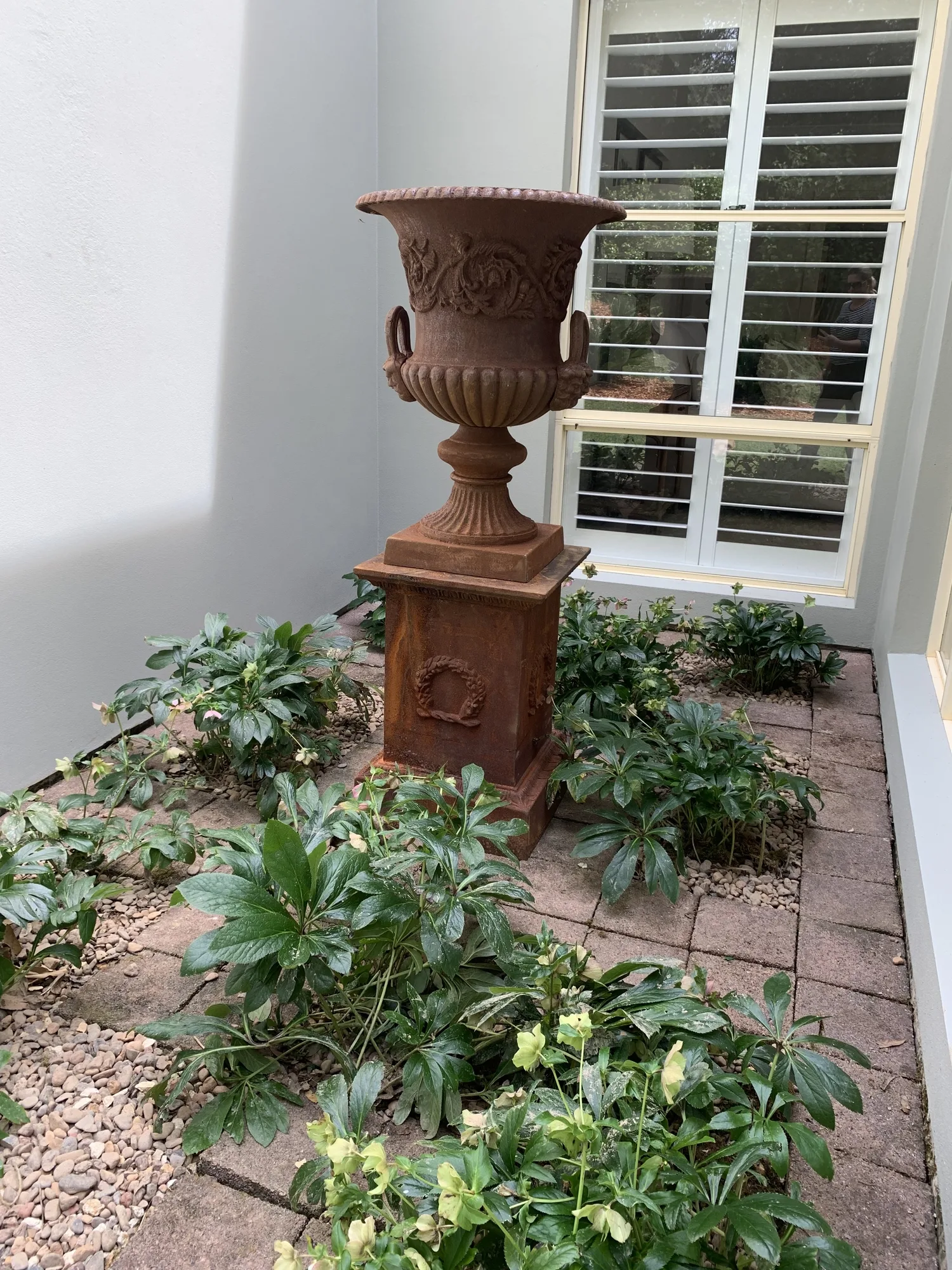
This cast iron urn and base show how a substantial bowl on a matching pedestal occupies vertical space; comparing the stated height and bowl diameter with your own paths, beds, and doorways helps you judge whether a similar urn will feel proportionate and stable in your garden.
Design styles, pedestal sets, and their trade-offs
Cast iron garden urns in Australian listings tend to fall into a few familiar styles. Campana bowls with gently flared sides suit entrances and low plinths, while fluted or ribbed urns add more texture along paths or beside steps. Paired French or Victorian-inspired urns often frame doorways or formal beds, and decorative pedestals or plinths lift any of these bowls so they read as focal points rather than ground-level pots.
Style and components influence price as much as raw dimensions. Plain campana or simple fluted bowls without pedestals are usually the more affordable end because the casting detail is modest and there is no separate base included. More elaborate forms with deep relief patterns, heavy rims, and historical reproduction styling use more metal and more complex moulds, which tends to push them into higher price bands. Bundled pedestals or plinths also add cost but can save you the trouble of finding a compatible base and make placement more straightforward.
For example, a simple campana urn sitting directly on a low plinth near a path will read as a compact accent and may be easier to budget for. A tall urn-and-pedestal set with ornate detailing will command more visual attention, occupy more vertical space, and typically cost more, but it also demands careful thought about wind exposure, footing, and whether its height fits the garden rather than overwhelming it.
Budget-friendly cast iron urns usually show simpler lines, thinner walls, and basic finishes. They may be smaller, feel lighter when moved, and have less refined casting where edges and decorative motifs look a little soft. Mid-range pieces often balance solid weight with cleaner detailing and more carefully described finishes, such as named paint systems or powder coatings that are intended to resist rust for longer. At the higher end, large or antique-style urns tend to be heavier, taller, and more precisely cast, with sharper ornament and more complex forms—but they sit in higher price bands and require closer inspection of condition, previous repairs, and how well any pedestal actually matches the bowl.
When buying remotely, I would rather choose a simpler but solidly cast urn with a clearly described finish and explicit pedestal compatibility than chase a very ornate listing whose wall thickness, coating type, or base sizing are vague. Paying for clear specifications and transparent policies is often a better trade-off than saving a little on a decorative piece that may arrive mismatched, unstable, or harder to maintain in an Australian garden climate.
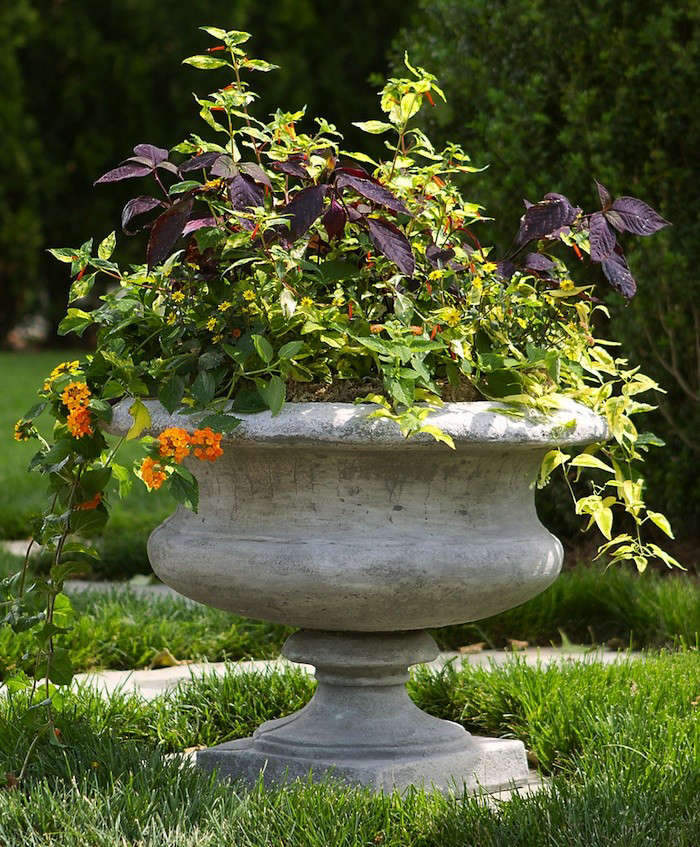
On the left, a straightforward garden urn on a low base shows how a simple form sits close to the ground and works as a subtle accent rather than a tall focal point.
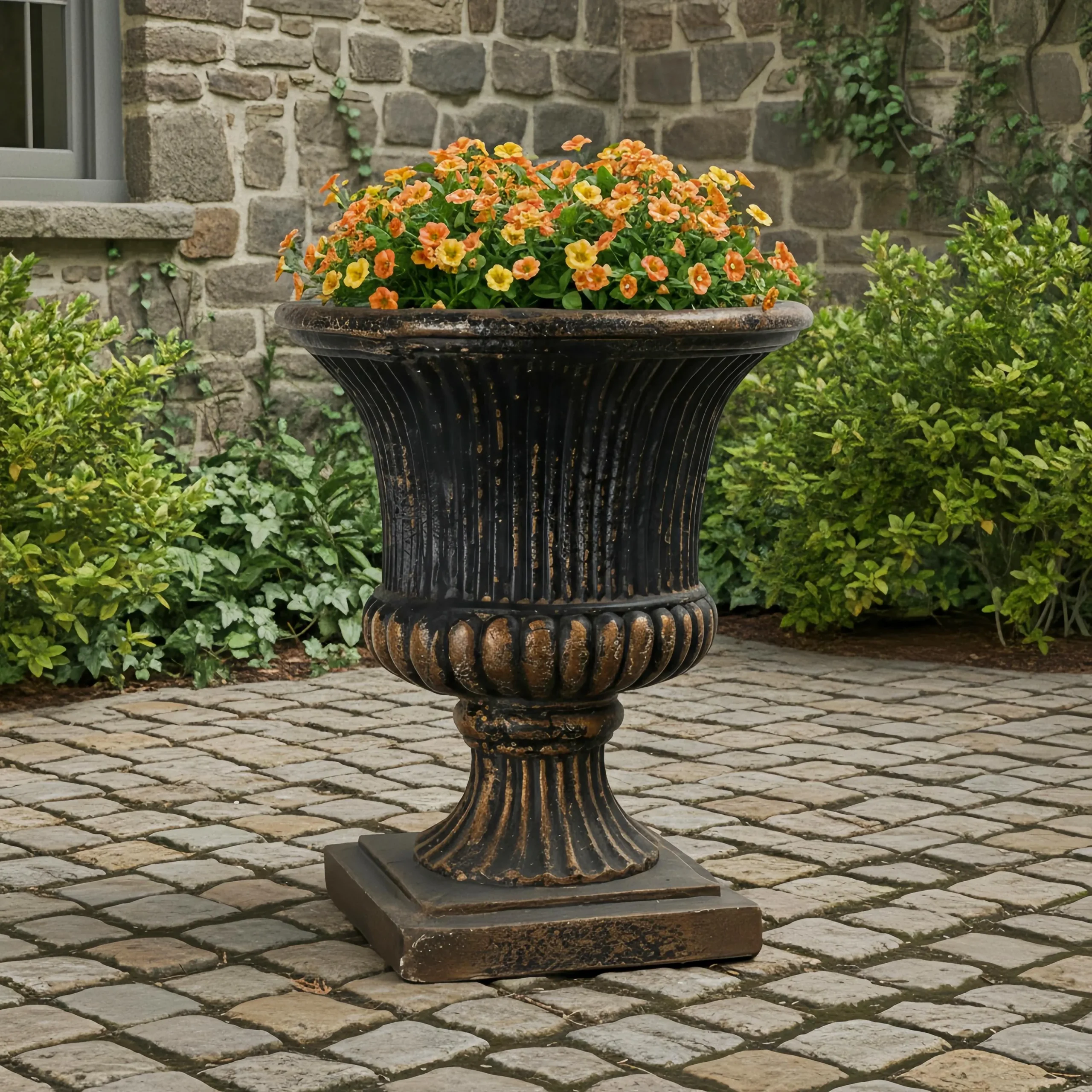
On the right, an ornate urn on a tall pedestal illustrates how extra height and dense decoration create a stronger focal point but demand more budget and careful placement for stability.
Buyer checklist for safer cast iron urn purchases
- Check seller reliability: look for consistent product descriptions across listings, evidence of prior sales of heavy outdoor items, available ratings or reviews, and clear business or contact information rather than only a nickname or vague profile.
- Review shipping to Australia in detail: confirm the total shipped cost, the carrier type, estimated delivery time, tracking availability, and whether packaging and insurance for heavy cast iron are explained. For large urns and pedestals, unclear packaging is a risk for breakage or chips in transit.
- Keep payment secure: use trusted payment channels supported by the platform, avoid off‑platform transfers or direct bank details shared in messages, and keep order confirmations, invoices, and receipts organised in case you need to prove what was agreed.
- Understand refund and dispute options before you buy: look for written return windows, conditions for damaged or mis‑described items, and a clear process for escalating disputes through the platform or payment provider. Heavy urns cost more to ship back, so you need to know who covers return freight if something goes wrong.
- Favour transparency over the lowest price: it is usually safer to buy from a seller with slightly higher prices but clear shipping, payment, and returns language than from the cheapest listing where policies, packaging details, or pedestal compatibility are vague.
Risks with cast iron urns and how to reduce them
- Heavy cast iron urns can chip, crack, or arrive with damaged pedestals if packaging is weak or the parcel is not insured. Before ordering, ask the seller how the urn and any pedestal will be packed, what reinforcement materials they use, and whether the shipment is insured against transit damage.
- Finishes described as “rust”, “antique white”, or similar can look very different in person or weather faster than you expect. Request clear, close‑up photos from multiple angles, ask what type of coating or treatment is used and how to care for it, and avoid listings that stay vague about finish details.
- Missing or undersized drainage holes can cause waterlogging, and unclear pedestal compatibility can leave the urn unstable. Confirm that drainage holes exist and ask for their approximate size, then double‑check the base and top dimensions of both urn and pedestal together to ensure they will sit securely.
- Installation can be awkward and unsafe if weight, assembly needs, or lifting points are not disclosed. Plan for safe handling and placement—such as having enough people to lift, using appropriate surfaces, and checking any assembly steps in advance—and be prepared to walk away if a seller cannot answer basic questions about finish, drainage, or packing, even when the photos look appealing.
Why price examples here are illustrative only
Any price bands or specification examples in this guide are illustrative only. DHgateWiki does not track live inventory or pricing, and the ranges mentioned are based on a limited snapshot of observed listings at one point in time, not on up‑to‑the‑minute data.
Marketplace prices, availability, and shipping costs can change quickly as sellers run promotions, adjust for stock levels, revise freight charges, or update their own terms. A figure that looks typical today may move as fees or demand shift.
Treat the ranges here as starting points for budgeting, then confirm real‑world conditions yourself: check multiple current listings, read the latest shipping and return policies on your chosen platform, and make sure you understand any extra charges such as insurance or bulky‑item freight before you pay.
For heavy cast iron urns in particular, directly confirm key details with sellers when needed—total delivered cost, finish type, drainage holes, pedestal compatibility, and packing method—so you are relying on current, written information rather than assuming this guide predicts future prices or stock.
Cast iron urn basics: outdoor use, finishes, and space
Are cast iron garden urns suitable for year-round outdoor use in Australia?
Most cast iron garden urns are intended for outdoor use and can stay outside year-round, including in Australian climates. The main variables are finish and maintenance: bare or lightly treated iron will develop surface rust and patina over time, while painted or coated urns are designed to slow that process. Simple care like brushing off debris, rinsing away soil or fertiliser spills, and occasionally touching up chipped paint helps the urn age more predictably. I would choose listings that explain how the finish is expected to weather and what basic maintenance the seller recommends, rather than relying on a generic “outdoor safe” label.
What’s the practical difference between rusted or patinated finishes and painted or coated cast iron urns?
Intentionally rusted or patinated urns are chosen for a weathered, heritage look; they usually darken and change gradually as they sit outdoors, and light surface rust is part of the design. They typically need less cosmetic upkeep but may mark nearby surfaces if rust runs onto paving. Painted or coated urns aim to protect the metal and keep a more uniform colour, which can suit contemporary gardens or crisp white/black schemes; however, chips or scratches expose bare iron, so you may need occasional touch-up painting to preserve the appearance. I tend to prefer finishes where the seller clearly describes the treatment and care routine so you know whether you are committing to periodic repainting or simply accepting a natural patina.
How do I judge whether large cast iron urns will work in a smaller garden, courtyard, or balcony?
Start by measuring your available space, including path widths, door clearances, and any seating areas, then compare those figures with the urn’s stated diameter and height. As a rough guide, leave enough space for people to walk past comfortably without turning sideways and avoid placing tall urns where they block key sightlines or doors. In compact courtyards or balconies, one or two medium-sized urns often feel more balanced than multiple very large pieces: they still create a focal point without crowding the area or making it harder to move furniture. I would prioritise urn sizes and quantities that keep circulation routes open and allow you to enjoy the garden from different angles rather than filling every corner with heavy objects.