
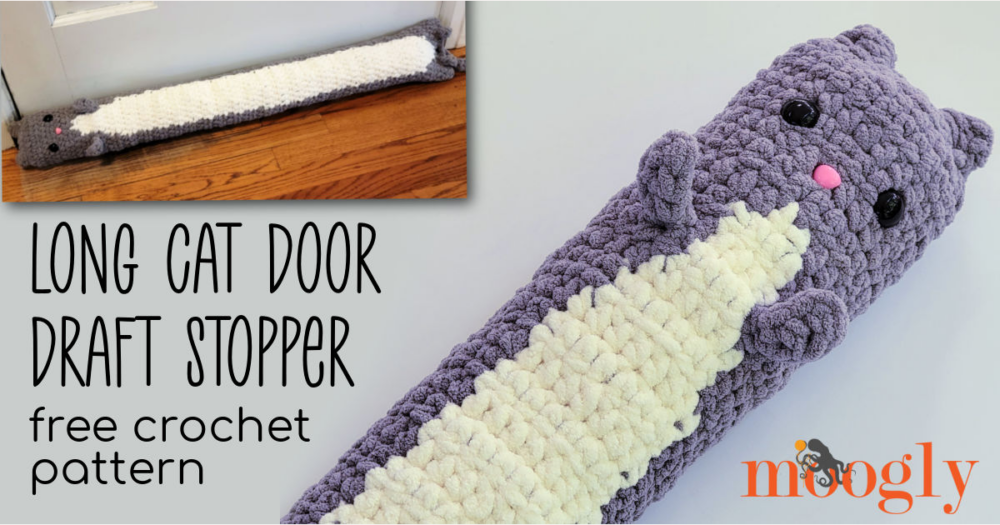
If you’re searching for a cute crochet cat draft stopper on DHgate, focus first on whether a listing is for a finished, stuffed door stopper that will actually block drafts, not just a digital pattern or empty cover. Once you’ve filtered for real products, the next decision is about fit and quality: yarn type, filling, stitching, and clear measurements matter more than the lowest price. This guide walks through those product details and the DHgate-specific checks—seller history, shipping, and buyer protections—that I would insist on before committing to an order.
Know whether a listing is a finished crochet cat draft stopper or just a pattern
On DHgate, not every “crochet cat draft stopper” result is a physical door stopper, so consider a listing ready-made only when the title and description clearly say it’s a finished, stuffed item that will be shipped to you. Phrases like “finished draft stopper,” “stuffed door snake,” “ready to use,” or mentions of shipping, packaging, weight, or filling usually indicate a real product rather than instructions.
By contrast, language such as “PDF,” “digital download,” “pattern only,” “instructions,” “DIY kit,” or a focus on yarn, charts, or step-by-step diagrams typically signals that you’re buying a pattern or materials, not a completed draft stopper. Even if a listing shows a door in the background, wording like “crochet cat draft stopper pattern” is still likely selling instructions instead of a stuffed tube.
If a listing mixes terms or feels ambiguous, treat it as a pattern or cover unless the description explicitly confirms that the item arrives stuffed and ready to use. When you’re unsure, use DHgate’s messaging tools to ask the seller directly whether the product is a finished, filled draft stopper. It’s safer to skip or clarify any unclear listing than to risk paying for a pattern when you need a physical door stopper.
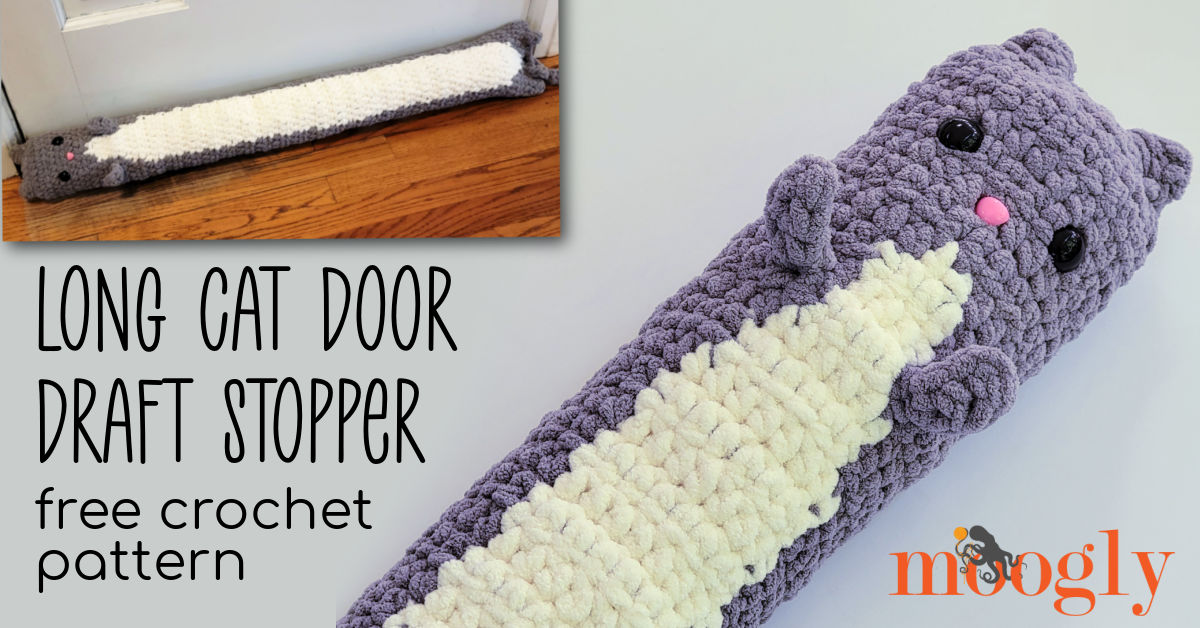
Example of a long, stuffed crochet cat draft stopper placed along the bottom of a door, which is the kind of in-use photo to look for in DHgate listings.
What crochet cat draft stoppers are like and how materials affect use around pets
A typical crochet cat draft stopper is a long, soft tube or cat-shaped piece that sits snugly along the base of a door or window, often with embroidered or crocheted ears, face, and tail. The crocheted outer shell gives it a textured, cozy look and feel, but that texture can catch dust and pet hair more easily than a smooth fabric, especially in homes where cats walk over or nudge the stopper.
Most ready-made crochet stoppers use cotton yarn, acrylic yarn, or blends. Cotton tends to feel breathable and soft and can be comfortable to touch, but it may shrink or stretch if washed carelessly. Acrylic is generally durable, less absorbent, and often more forgiving in everyday cleaning, though it can pill over time. Blended yarns try to balance softness and durability. Some stoppers also include an inner fabric lining to help contain the filling, reduce stretching, and improve longevity when the piece is moved or kicked frequently.
Inside, many crochet cat draft stoppers are filled with polyester fiberfill for a plush, lightweight feel, while others add heavier materials like sand, beads, or grains to increase weight and block drafts more effectively. Some designs combine both, using weighted sections for stability and softer padding elsewhere for comfort. These material choices affect how firmly the stopper stays in place, how easy it is to lift and store, and how simple it is to spot-clean or wash—important in homes with curious cats. On DHgate, I would look for listings that clearly state yarn type, any lining, the filling material, and care instructions, and I would favor secure stitching and firmly attached ears, eyes, and tails. If those details aren’t specified at all, I’d skip that listing in favor of one that makes its construction and care requirements clear.
Check size, weight, and flexibility so the draft stopper fits your door
- Measure the width of the door or window opening with a tape measure and write it down. Choose a crochet cat draft stopper that is at least this long, and ideally a little longer, so it covers the full width and reduces side drafts.
- Measure the height of the gap at the bottom of the door or window. Compare this to the listing’s diameter or thickness: a very slim crochet tube may not fill a tall gap, while an overly bulky stopper can catch or drag when you open and close the door.
- Match the listing’s stated length and diameter to your measurements, and treat offers with no numeric dimensions—or vague phrases like “standard size” or “one size fits most”—as red flags, especially if you can’t get clear numbers from the seller.
- Look for clues about weight and how firmly the stopper is packed, such as a listed weight, filling description, or photos that show whether it sags, stands upright, or looks tightly stuffed. Aim for enough weight to stay in place against drafts and door movement without being so heavy that it’s awkward to lift for cleaning.
- Keep in mind that crochet pieces flex a bit and handmade-style items can vary slightly, but still choose listings whose stated length, thickness, and approximate weight line up closely with your doorway measurements and needs; if you can’t confirm that fit, it’s safer to skip that offer and keep looking.
Use a DHgate buyer checklist to assess crochet cat draft stopper listings
- Confirm that the listing is for a finished, stuffed crochet cat draft stopper by looking for clear wording about a physical item being shipped. Avoid listings that emphasize patterns, downloads, DIY kits, or removable covers without stuffing when you specifically want a ready-made stopper.
- Review the materials and filling details: check for yarn type (such as cotton, acrylic, or blends), any inner fabric lining, the filling material, and basic care instructions. If these points stay vague after reading the description and asking a question through DHgate’s messaging, I would move on to a listing that spells them out.
- Compare the stopper’s stated length, diameter, and approximate weight with the measurements you took earlier. Be cautious of any offer that doesn’t provide numeric dimensions, because you can’t reliably judge fit for your door or window gap without them.
- Study the photos and description carefully. Look for clear images of the entire stopper along a door or window, close-ups of the crochet texture and cat face, ears, and tail, and—where available—buyer-uploaded photos that show what the item looks like in real use rather than only styled shots.
- Check the seller’s history and ratings in DHgate’s overview: prefer sellers with solid overall ratings, a meaningful number of completed orders, and recent reviews that mention quality, accuracy of description, and shipping reliability. Sparse information, low scores, or repeated complaints about items not matching photos are reasons to be cautious.
- Review the order and payment flow: you place the order and pay through DHgate using supported methods, then the seller prepares and ships the item. Note the stated processing time, estimated delivery window, and available shipping options, and make sure the total cost—including shipping charges and any taxes—makes sense for a non‑urgent home accessory like a draft stopper.
- Glance at the DHgate buyer protection details shown for the listing so you understand in general terms when you can open a dispute—typically if the item doesn’t arrive within the expected time or arrives significantly different from the description or photos.
- If any core detail—whether it’s product type, materials, measurements, or expected timing—remains unclear after you’ve read everything and sent a message through DHgate, it’s usually better to skip that listing and keep looking for one with clearer information and a more reassuring seller record.
Avoid common pitfalls with niche crochet marketplace listings
- Treat titles or descriptions that emphasize words like “pattern,” “DIY,” “tutorial,” or “digital download” as a warning sign, even if the photos show a finished stopper. Those listings often sell instructions or a kit, not a stuffed crochet cat draft stopper that arrives ready to use.
- Be cautious of low‑quality or heavily edited photos—such as blurry images, strong filters, or the same picture reused across many different listings—especially when none of them show the full stopper sitting against a door or window. When you can’t clearly see the real item, it’s harder to judge size, shape, and finish.
- Read the description carefully for stuffing or filling details. If it never mentions being stuffed, weighted, or filled, the offer may be just a decorative cover or a very light tube that won’t block drafts well. I would skip any listing that stays vague on filling after a careful read.
- Treat listings that lack numeric measurements, or only promise a “standard size” without specifics, as high‑uncertainty options. Without clear length and diameter, you can’t reliably match the stopper to your own door gap, so I would only consider offers that give actual dimensions.
- Look for notes about customization, production time, and return or refund restrictions. Custom crochet items may be made to order and sometimes are non‑returnable. Use DHgate messaging to ask polite, specific questions about filling, size, color, and cat design details, and to confirm any return terms in writing. If the seller cannot or will not answer clear questions, it’s safer to move on to a listing with more transparent information and policies.
Know how DHgate buyer protections, disputes, and refunds apply
If a crochet cat draft stopper arrives and something feels off, start by comparing it carefully with the original DHgate listing. Check that it is actually a stuffed draft stopper, that the length and diameter are reasonably close to the stated measurements, and that the materials and overall cat design match the photos and description in more than just a general way.
When there is a problem, contact the seller through DHgate’s messaging system first. Describe what is wrong as clearly as you can—whether it’s non‑delivery, a severe size mismatch, receiving a pattern instead of a finished item, or another issue—and attach photos or short videos as evidence. Keeping all communication inside DHgate helps create a clear record tied to the order.
If the seller cannot resolve the issue through messaging, you can use DHgate’s dispute tools. Within the platform’s stated time limits, buyers can open a dispute for situations such as an order that never arrives or an item that is significantly different from what was advertised. Follow the steps shown in your account, submit the requested information, and be prepared to explain how the product differs from the listing.
Policies, timelines, and outcomes can vary by order and by case, so using disputes and buyer protections is never a guarantee of a particular refund or replacement. To support your position, keep order confirmations, tracking details, and your full message history, including any images you shared, so they’re available if DHgate or the seller reviews the case.
Thorough pre‑purchase checks on product type, materials, measurements, photos, and seller history reduce the chances of needing a dispute at all. Still, having a basic understanding of DHgate’s protections and dispute process can make it easier to decide whether you feel comfortable placing an order for a crochet cat draft stopper in the first place.
Compare buying ready‑made on DHgate with using a crochet pattern or local maker
Buying a ready-made crochet cat draft stopper on DHgate is usually the lowest-effort path: you choose a listing, pay through DHgate’s checkout, and wait for the item to arrive. You don’t need to learn crochet, buy tools, or source materials, and the listing should show a clear price up front. The trade-offs are that shipping can take longer, especially for international sellers, and you have less control over the exact yarn type, filling, colors, and fit unless the description is very detailed and the seller responds clearly to questions.
Following a crochet pattern to make your own stopper, or adapting a pattern you find, gives much more control. You can choose pet-friendly yarns, pick the filling and weight you prefer, and set the exact length and thickness to match your door or window. The downside is that this route demands time, practice, and some tools and supplies; it’s mainly realistic for readers who already crochet or are willing to invest in learning and in trial-and-error before they get a result they like.
Commissioning a local crafter or small business can sit between those options. A local maker can work from a pattern or your ideas, suggest suitable yarns and fillings, and adjust the dimensions to your home, often with easier back-and-forth communication and a clearer path to fixes or returns if something isn’t right. In exchange, you’re likely to pay more than you would for a mass-market listing on a large marketplace, and turnaround times may depend on the crafter’s schedule.
Given these trade-offs, if DHgate listings don’t clearly meet your needs—because you can’t confirm the dimensions, materials, or seller reliability well enough for a draft stopper you’ll place near pets—I would lean toward a pattern or a local maker even though they cost more in time or money. The main focus of this guide is still on evaluating ready-made DHgate options, but it’s reasonable to choose a different path when no listing feels sturdy, safe, and well-fitted enough for your home.
FAQ: Dealing with ambiguous specs and small differences in crochet cat draft stoppers
What should I do if a DHgate listing doesn’t clearly state the filling material in a crochet cat draft stopper?
Treat unclear filling information as a serious gap, because filling affects weight, draft‑blocking performance, and how you’ll clean or handle the stopper. Read the description carefully and, if it still isn’t clear, use DHgate’s messaging tools to ask the seller to confirm the exact filling in writing. If you can’t get a specific, written answer—especially after a polite, direct question—it’s safer to skip that listing and look for one that clearly describes its stuffing or weighting.
Are slight size deviations normal for crochet or handmade‑style draft stoppers, and when is it a problem?
Handmade‑style crochet items can vary slightly from their stated measurements, so a small difference in length or thickness is usually normal. The concern is when the actual stopper is noticeably shorter or thinner than advertised and no longer covers the door or window gap as promised. If a discrepancy clearly affects how well it blocks drafts, compare the item to the listing, take photos showing the gap and measurements, and message the seller through DHgate. If you still can’t resolve the issue, you can consider using DHgate’s dispute tools on the basis that the product differs significantly from its description.
What if the color, facial expression, or small decorative details of the cat differ from the listing photos?
Crochet cat draft stoppers often have minor variations in color tone, stitching, or facial expression, especially when they’re made in small batches. Start by deciding whether the difference is mainly aesthetic or functional. If the stopper is roughly the stated size, properly stuffed, and works as a draft blocker, many buyers choose to accept modest aesthetic shifts as part of handmade‑style variation. If you feel the design is noticeably different from what was shown—such as a very different color scheme or missing key decorative elements—compare the item to the listing, take photos, and message the seller to explain your concern. For changes that you believe materially misrepresent the product, you can look at DHgate’s dispute options, keeping in mind that modest cosmetic differences may not always be treated as major defects.
When should I rely on DHgate’s messaging and dispute tools for issues with specs or design differences?
Use DHgate’s messaging tools first whenever you think an item differs from its description—whether that’s unclear filling, a size that doesn’t match the stated measurements, or design details that feel significantly off. Clear messages and photos create a record and often lead to a direct solution with the seller. If the product is substantially different from what was advertised or fails to function as a draft stopper because of those differences, you can consider opening a dispute within DHgate, following the timelines and steps shown in your account. Keep in mind that handmade‑style crochet items can show modest variation, and focus disputes on issues that genuinely affect fit, function, or clearly promised features rather than very small cosmetic shifts.