
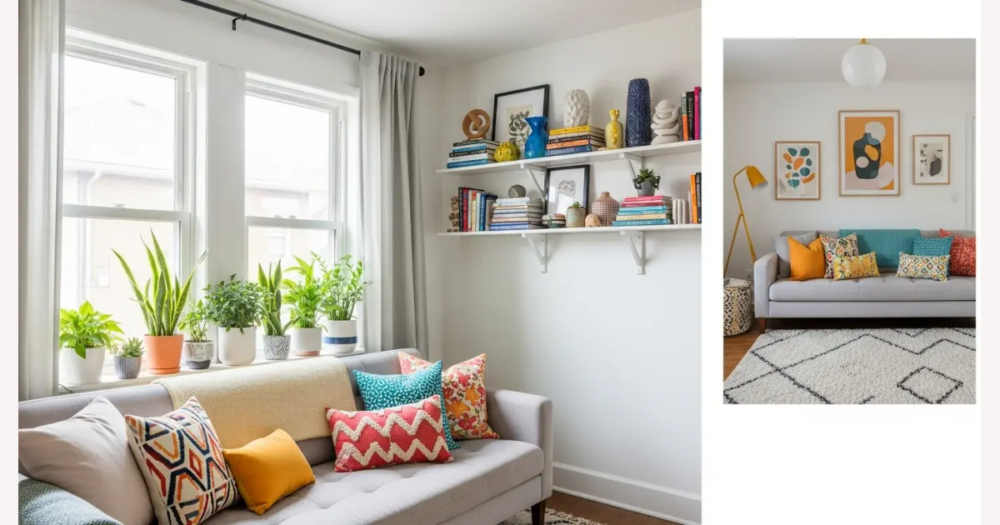
On DHgate, the fastest way to refresh a tired living room is usually to upgrade what sits on, around, and in front of your existing sofa instead of buying a new couch. Slipcovers, throws, cushion covers, side tables, lamps, rugs and wall decor can change colour, texture and focus enough that the seating area feels newly styled, as long as your sofa is still structurally sound. Before ordering, check basic details such as measurements, fabric descriptions, seller ratings, and shipping or refund terms so your accessories arrive looking closer to what you expect.
How sofa accessories can make your living room feel new
On DHgate, you don’t have to replace the whole sofa to make your living room feel different; changing what covers, sits on, and surrounds the couch can shift the room’s focus just as effectively. A well-chosen slipcover can hide stains or dated upholstery and give the sofa a new colour or texture, while throws and cushion covers layer softness and pattern on top. Side and coffee tables, floor lamps, and nearby decor change the shapes and materials your eye lands on first, and a rug plus wall art or a mirror can frame the seating area so the sofa looks intentional rather than accidental. These upgrades are usually far cheaper and less hassle than buying a new couch, which involves delivery, moving heavy furniture, and disposing of the old piece, but they can’t fix sagging frames or broken springs—accessories work best when the sofa is structurally sound and you mainly want to disguise cosmetic wear or refresh the style. As you browse DHgate, that means you can focus on visually impactful, forgiving accessories while still checking basic listing details and seller ratings before you order.
Slipcovers and sofa blankets: giving your couch a new skin
Slipcovers and large sofa blankets are the most direct way to make a tired couch look different because they create a new visible surface over the existing upholstery. A stretch slipcover, usually made from a polyester–spandex blend, clings to standard sofa shapes and can smooth over minor lumps, making it forgiving if your measurements aren’t perfect. Non-stretch options like cotton or linen blends tend to drape more loosely or give a tailored, slipcovered look, but they rely more on accurate sizing and may show the sofa’s lines underneath. Some designs are a single piece that wraps the entire sofa, while others include separate cushion covers that help the fabric stay in place and give a more polished finish. In a home with kids, pets or very heavy use, I would prioritise thicker, tighter-weave fabrics in darker or patterned colours so everyday marks and wear are less obvious, even if that means skipping the trendiest pale shades.
- Measure the overall width of your sofa from the outer edge of one arm to the outer edge of the other, and compare this to the slipcover’s stated width range instead of relying on generic labels like “2-seater” or “3-seater.”
- Measure the seat depth from the front edge of the cushion to where the back cushions start, and note whether those cushions are loose or attached, since that affects how a cover or blanket will sit.
- Measure the back height from the top of the backrest down to the floor or, if the slipcover is designed to tuck into the seat, from the top of the backrest to the seat surface.
- Write down your cushion configuration—square cushions vs T-cushions, any chaise extension, or recliner sections—and check that the slipcover or blanket style is compatible with these features in its photos and description.
- Before ordering, re-check all your measurements and look for listings that provide clear size charts and fit photos so you can match their ranges to your notes rather than guessing.
Throw pillows and cushion covers: easy color and texture upgrades
Once you’ve given the sofa itself a new surface with a slipcover or blanket, throw pillows and cushion covers are the fastest way to shift the mood again—from minimal to cozy, neutral to bold—without touching the underlying upholstery. Swapping a few covers can introduce new colours, patterns, and textures so the eye lands on fresh details rather than any remaining wear on the couch.
For most living rooms, common pillow sizes around 18″×18″ or 20″×20″ work well on standard sofas and sectionals. A simple sizing trick is to use covers that are slightly smaller than the insert—for example, a 20″×20″ cover on a 22″×22″ insert—because that extra squeeze creates a plumper, more structured look instead of a flat cushion. If you already own inserts, measure them rather than guessing from old labels so new covers sit properly and don’t sag or strain at the seams.
Materials change both how the pillows feel and how they read visually. Velvet or velour looks more polished and luxe and adds depth through a soft sheen; linen and linen blends feel relaxed and breathable with a slightly textured, matte finish; cotton blends are versatile everyday options that can be woven smooth or slubbed for more casual texture; faux fur and shaggy fabrics bring strong coziness and visual volume, but can dominate small spaces if you use too many. To keep styling simple, mix solids with a few patterns instead of using only busy prints, decide whether you want contrast (pillows in colours that clearly stand out from the sofa) or a tonal look (shades from the same colour family), and limit yourself to a small palette repeated from existing elements like your rug, curtains, or wall art so everything feels intentional. For low-risk experiments on DHgate, I would start with lightweight cushion covers in forgiving, mid-tone colours; in homes where durability matters more—kids, pets, or heavy use—denser weaves and slightly darker tones usually show less wear and stay looking good for longer.
Side tables, lamps, and shelving: refreshing the sofa’s surroundings
Changing what sits around the sofa can make it feel like part of a more intentional corner, even if the couch itself hasn’t moved. Side tables, coffee tables, floor lamps, and nearby shelving act as both a visual frame and functional support, giving you places for lighting, drinks, and storage so the seating area looks finished rather than improvised.
Proportions matter as much as style. A side table that roughly matches the height of the sofa arm is easier to reach and looks balanced, while a coffee table that sits slightly below the seat cushions keeps sightlines open. Floor-lamp shades work best when they’re at or just above seated eye level so light feels comfortable rather than glaring, and any shelves or consoles should leave clear walkways around the sofa so people can sit down and stand up without weaving around obstacles.
Materials and colour play a framing role too. Pairing a soft fabric sofa with lighter wood, slim metal, or glass tables adds structure and contrast so the corner doesn’t feel heavy, while echoing one or two colours or finishes from your pillows or throws in the tables, lamp base, or shelving ties everything together. Because tables and shelving are bulkier and costlier to ship and return, I’d usually treat them as secondary upgrades after textiles: start with cushions and covers for quick wins, then move to changing side or coffee tables and larger storage pieces once you’re confident in your room’s measurements and layout and comfortable making bigger furniture purchases on DHgate.
Rugs and wall decor: framing the sofa visually
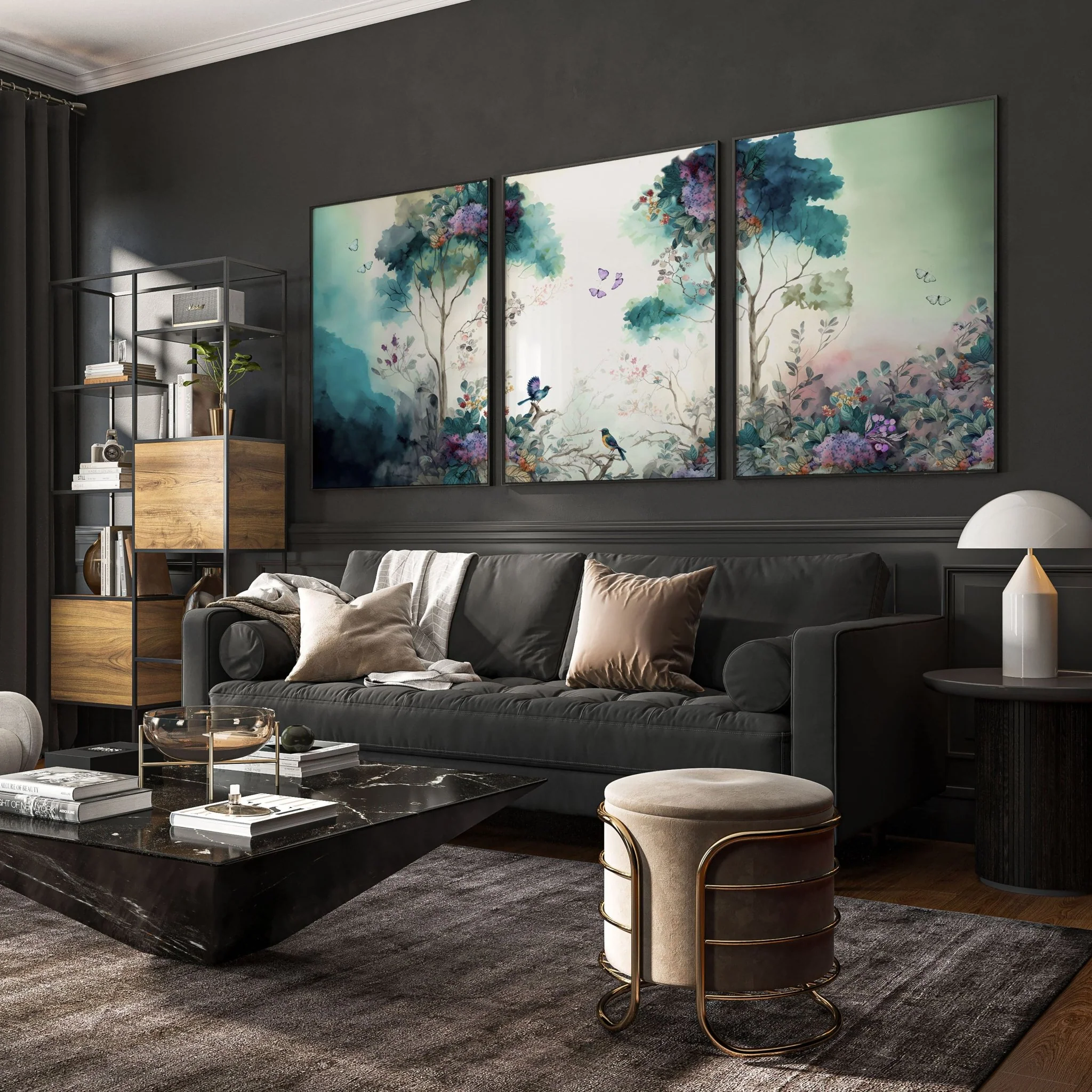
Example of a living room where a rug extends under and beyond the sofa’s front legs, with a set of wall prints sized to echo the sofa’s width so the seating area feels visually framed.
Rugs and wall decor work like a frame around your sofa: a rug under and in front of the couch anchors the seating area on the floor, while art, mirrors, or textile hangings above or behind it give the eye a clear focal point. Instead of sizing these pieces to the whole wall or room, relate them directly to the sofa. A rug usually looks more intentional when it extends beyond the sofa’s width and front legs, so all the front feet sit on it with a margin of rug around them rather than perching on the edge.
For wall decor, choose art or a mirror that is a substantial fraction of the sofa’s width—many designers start around two-thirds the sofa width as a convention, not a rule—and hang it at a comfortable eye level so people sitting or standing can enjoy it without craning their necks. If you’re using multiple pieces, treat them as one visual unit and keep their overall width in that same range. To stop the area feeling random, repeat one or two colours or motifs between the rug, wall decor, and cushions, such as a shared accent colour or similar shapes, so the whole arrangement reads as a deliberate composition even if the sofa itself is simple or older.
A simple DHgate shopping process for sofa accessories
- Assess your current sofa: note its colour, fabric, visible wear, and whether you mainly want to disguise it (for example, with covers) or highlight its shape with new layering and framing.
- Choose one primary accessory focus for this round—such as a slipcover, new throws and cushion covers, or a rug plus wall art—so you’re not trying to change every part of the room at once.
- Measure and write down key dimensions for that focus: sofa width, depth and height for covers; cushion sizes for pillow covers and inserts; the floor area in front of the sofa for a rug; and the wall space above or behind the sofa for art or mirrors.
- Decide on a simple palette and a few style keywords you’ll use in DHgate searches, based on your existing room colours and preferred look (for example, “neutral,” “boho,” “velvet,” or “minimalist”).
- Shortlist a small set of promising listings, then compare their specs, photos, and reviews against your notes before you commit, checking that measurements, colours, and fabrics match what you need rather than buying on impulse.
- Unless you’re specifically aiming to change the layout with new tables or shelving, start with forgiving, high-impact categories like slipcovers, throws, and pillow covers; once you’re happy with those upgrades, you can consider heavier furniture changes later.
Comparing common sofa accessory fabrics
| Material | Typical feel and texture | Visual effect | Care and maintenance notes | Common trade-offs |
|---|---|---|---|---|
| Cotton | Soft, breathable, slightly textured; can feel cozy and natural on cushions and throws. | Generally matte with a relaxed, casual look; suits most everyday living rooms. | Usually machine-washable; may wrinkle and shrink if washed hot; can absorb stains more easily than synthetics. | Comfortable and natural-feeling but may show wear and stains sooner; good for everyday use if you’re willing to do regular laundry and treat marks promptly. |
| Polyester | Smooth to slightly textured; less breathable than cotton but often feels light and practical. | Can range from matte to slight sheen; often looks neat and modern on slipcovers and pillow covers. | Typically wrinkle-resistant and quick-drying; many items are machine-washable and tolerate frequent use. | Easy-care and budget-friendly, but may feel less luxurious and can trap heat; useful for experimenting with colour and pattern when you don’t want high-maintenance fabrics. |
| Microfiber | Very soft, finely brushed feel; often described as suede-like and comfortable. | Low-sheen, even surface that hides minor imperfections; can read as cozy and contemporary. | Resists wrinkles and many light stains; often spot-cleans well, but can attract lint and pet hair that needs regular brushing or vacuuming. | Durable and practical for high-use areas, but the texture may not suit more formal styles; great for families who want softness without delicate care routines. |
| Faux leather | Smooth, sometimes slightly grippy surface; cooler to the touch than fabric. | Noticeable sheen and a structured, sleek look; can make a sofa feel more polished or bold. | Usually wipes clean with a damp cloth; can crack or peel over time if very thin or low-quality; sensitive to sharp objects and heat. | Easy to clean and visually striking, but less breathable and comfort depends on quality; better where wipeability matters more than a soft, sink-in feel. |
| Velvet (often polyester or blended) | Plush, pile surface that feels soft and luxurious; can show directional nap when brushed. | Rich colour with a distinct sheen; instantly dressier and more dramatic than flat weaves. | May attract lint and pet hair; often needs gentle cleaning and occasional brushing; some pieces are dry-clean only, others are delicate machine-wash. | High visual impact and tactile appeal, but more prone to showing marks and requires extra care; best for accent pillows or throws rather than the hardest-wearing surfaces in busy homes. |
For DHgate sofa accessories, fabrics set both the mood and the maintenance level. Synthetics like polyester and microfiber typically offer more wrinkle resistance, easier spot-cleaning, and lower prices, making them good options if you mainly want to experiment with colours and textures without worrying about delicate care.
Natural fibers such as cotton usually feel softer and more breathable, especially on cushions and throws, but they can absorb stains more readily and may wrinkle or shrink if you’re not careful with washing. Faux leather and velvet sit at the more dramatic end of the spectrum: they can transform the look of a sofa at a glance, yet they’re sensitive to scratches, lint, and rough handling.
Actual durability depends on details that aren’t always obvious from a DHgate listing—things like fabric weight, weave tightness, and stitching quality. To judge practicality, read descriptions and reviews for clues about thickness, softness, and construction rather than relying on fiber content alone. If you’re buying for a household with kids, pets, or heavy daily use, I’d lean toward sturdier, denser fabrics in darker or patterned colours, even if they look less delicate; for occasional seating or decorative accents, lighter, trend-led materials are a reasonable way to refresh the room without a big investment.
DHgate buyer checklist: specs, photos, and seller signals
- Use this checklist as a quick scan before ordering sofa accessories on DHgate so you catch the most important spec and seller details, not just the style photos.
- Confirm all relevant measurements against your notes: sofa width, depth and height for slipcovers; pillow dimensions for inserts and covers; rug length and width for the space in front of the sofa; and wall art width and height for the area above or behind the couch.
- Check fabric composition and any care instructions, especially for covers, throws, and rugs that will see frequent use. Make sure the material and cleaning method match how much effort you’re willing to put into maintenance.
- Review product photos carefully, looking for close-ups of seams and fabric texture. When available, pay attention to real-life buyer photos as well as staged images to gauge how the item actually looks in normal lighting.
- Scan buyer reviews, focusing on comments about colour accuracy, fit, fabric thickness, comfort, and overall construction quality. Treat patterns across several reviews as more reliable than a single opinion.
- Note the seller’s rating, the number of completed orders, and typical shipping timeframes. Established sellers with consistent feedback generally give you a clearer expectation of service and delivery speed.
- Look for information about returns, refunds, or dispute options mentioned in the listing or seller page so you understand what support is available if the item arrives damaged or very different from its description.
- Treat objective details—dimensions, material content, clear photos, and specific buyer reviews—as your main decision tools. Phrases like “luxury quality” or “premium feel” are marketing language, not independently verified guarantees, so weigh them only after the hard facts check out.
Common online pitfalls and how to avoid them
High-impact accessories to try first
- Slipcovers: the strongest single change when your goal is to disguise tired or dated upholstery, because they cover almost the entire visible surface of the sofa.
- Large, textured throw blankets and new cushion covers: flexible layers that add immediate colour, pattern, and comfort, drawing the eye to fresh textiles instead of any remaining wear.
- A well-sized rug that anchors the seating area: defines a clear zone for the sofa and nearby furniture so the couch feels deliberately placed rather than floating in the room.
- A single focused piece of wall art or a mirror above or behind the sofa: creates a focal point at eye level and helps the seating area look styled, not accidental.
- You don’t need to buy all of these at once; starting with one or two categories—often a slipcover plus new cushions or a rug and wall art—can already make the living room feel noticeably refreshed. I lean toward these visually impactful yet forgiving accessories as first experiments, and would only suggest heavier furniture changes after you’re happy with these basics or have more budget and confidence.
FAQ: comfort, clutter, and DHgate order issues
Is it worth upgrading pillow inserts, or should I just buy new cushion covers?
If your pillows look flat or feel floppy, upgrading inserts usually makes a bigger difference than new covers alone. Denser, better-quality inserts fill out the corners, keep their shape longer, and make even simple covers look more polished. On a tight budget, prioritise inserts for the seats you use most—like the main sofa cushions and the pillows you lean on every day—and treat extra decorative cushions as a lower priority where cheaper inserts or your existing ones are fine.
How many sofa accessories can I add before the space looks cluttered?
A simple rule is to leave some negative space on and around the sofa. Most standard couches look balanced with two to five throw pillows rather than every inch covered, one substantial throw blanket instead of several thin ones, and clear surfaces on at least one side table so there’s somewhere to set things down. Choose a small, coherent palette—often two or three main colours plus one accent—and repeat those across pillows, throws, rugs, and wall art instead of mixing many unrelated shades and patterns. When in doubt, remove one item and see if the area feels calmer but still styled.
What should I do if a DHgate sofa accessory doesn’t match the listing?
If an item arrives damaged, the wrong size, or very different in colour or design from its listing, start by taking clear photos or a short video that shows the problem and any labels or packaging. Contact the seller through DHgate’s messaging tools, describe the issue, and share your evidence so they have a chance to respond or offer a solution. If you can’t resolve it directly, check DHgate’s current on-site information about dispute or refund options and follow the steps and timeframes given there. Platform processes and policies can change, so always rely on the latest instructions on DHgate rather than past experience or third-party advice.