
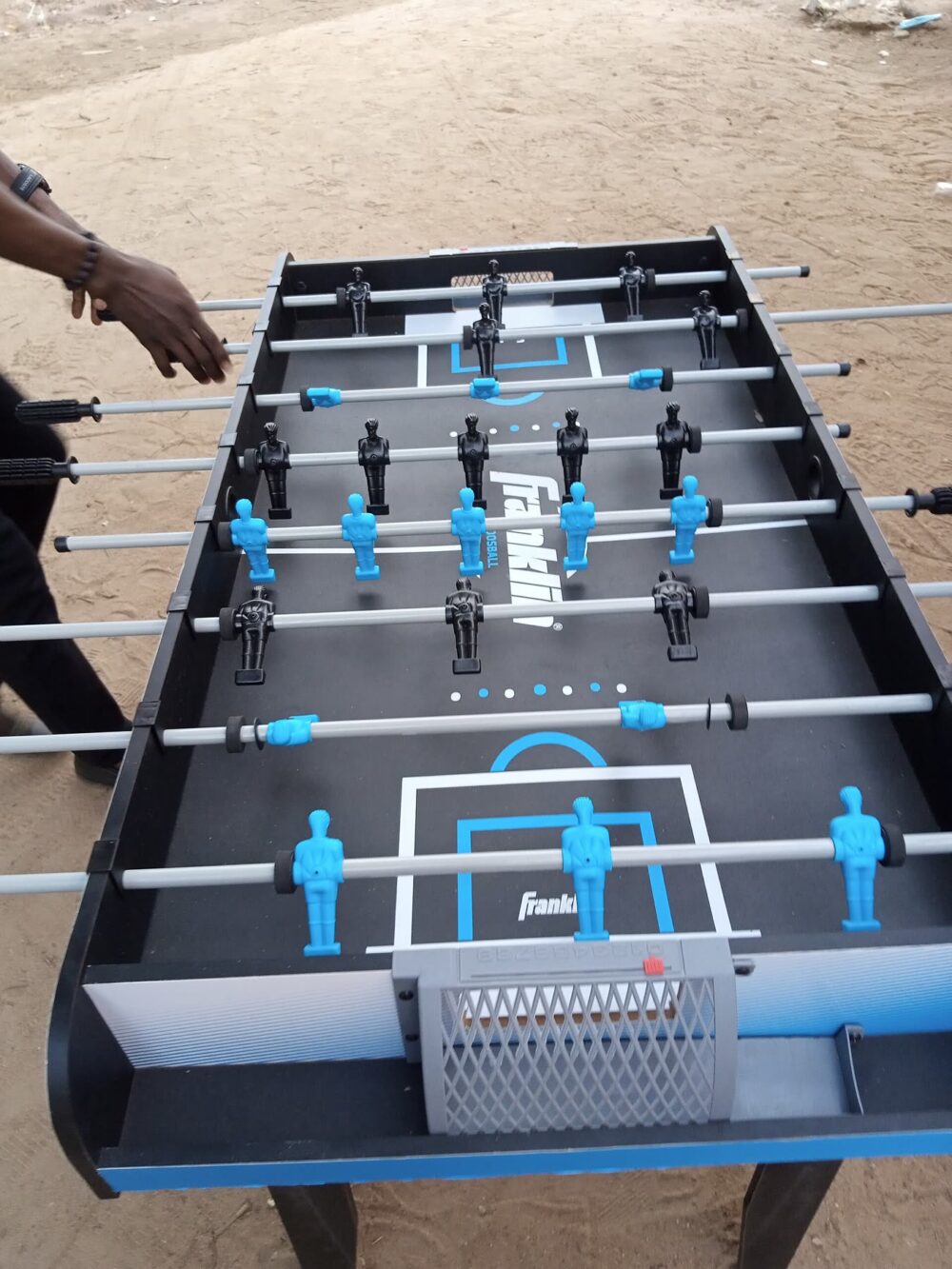
Soccer board games are a small but lively niche in Australia, and you can actually buy them through big-box retailers, hobby game stores, specialist sports-education sites, and global marketplaces like Amazon and eBay. For cross‑border sourcing or small resale, wholesale-style marketplaces such as Alibaba or DHgate can also show soccer-themed tabletop products, but they work best if you’re prepared to vet each listing and supplier yourself. The right route depends on whether you just want one family game or you’re testing a niche product line for your store.
The Soccer Board Game Market and Where You Can Actually Buy Them
Soccer board games cover several formats: traditional board games that bolt soccer onto familiar mechanics, tabletop dexterity games that use flicking or sling shots, and more simulation-heavy titles that model tactics or team management.
In the mainstream Australian retail channel, you’ll see soccer appear as a theme inside broader brands. For example, Big W lists Catan: Soccer Fever as a board game variant in its catalog, and Woolworths and specialist game retailer Gamesmen both list the Catan Scenario: Soccer Fever Expansion for existing Catan owners via their toys and games sections. Temple & Webster’s toys and games range includes a Kaper Kidz Sling Soccer Board Game, a tabletop dexterity game where players shoot a puck through a central gate—more air-hockey‑style than tactics.
Beyond general retail, SportBoardGames.com.au illustrates a specialist route. It designs and sells print‑and‑play and educational sports board games, including soccer, aimed at PE teachers and coaches as much as families. You buy directly from the designer, often as downloadable files or niche physical runs, rather than mass-produced titles.
Global marketplaces broaden the catalog. Amazon AU and eBay host multiple soccer board games and tabletop soccer products under their Toys & Games or sports game categories. Amazon’s board game filters show mid‑range tabletop titles often sitting in roughly AU$45–$70 bands for branded games, which is a fair proxy for what many soccer-themed boxes cost in this ecosystem. On eBay, you’ll see listings spanning newer soccer titles and older, sometimes secondhand games.
Discovery is helped by hobby databases too. BoardGameGeek hosts entries for niche soccer games such as Total Attack Soccer and community lists like “10 Best Soccer Game,” which catalog options from flicking games to full manager simulations. These sites aren’t full retail platforms, but they link out to sellers and include a community marketplace element.
How Different Platform Types Work for Soccer Board Games
Under the hood, each platform type handles soccer board games differently. That affects price, minimum order sizes, and how you, as a buyer or small reseller, interact with the seller.
Mass Retail and General Online Stores
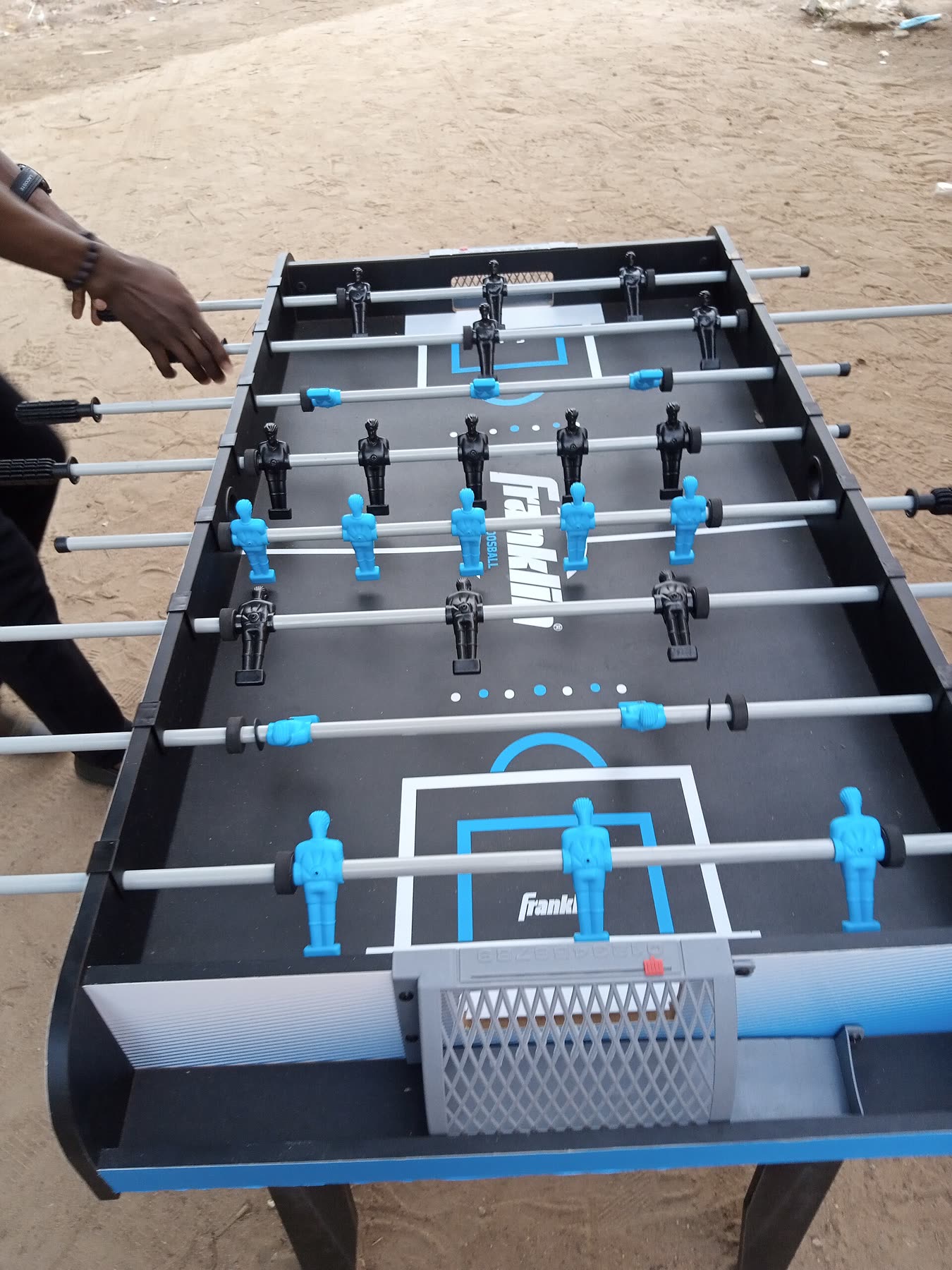
Mass retailers (Big W, Woolworths, Temple & Webster, Kmart, etc.) focus on recognizable brands and family-friendly formats. Their soccer board game offering is usually:
- Tied to proven IP or mechanics (e.g., Catan with a soccer twist).
- Stocked seasonally around major tournaments or school holidays.
- Sold one unit at a time with standard consumer pricing.
For a family or a casual fan, this route is straightforward: you get a known title, clear age guidance, and local fulfillment. For a reseller, it’s less viable as a sourcing strategy because you’re buying at retail prices and often can’t legally resell branded products at scale.
Hobby Game Stores and Community Channels
Dedicated game stores (such as Gamesmen in Australia) and specialist online retailers lean into enthusiast titles and expansions. They often:
- Import niche soccer games that don’t hit big-box shelves.
- Carry expansions like Catan soccer scenarios and soccer‑themed dexterity games.
- Serve as event hubs, where you might discover new titles through in‑store play or community recommendations.
This route suits enthusiasts who want depth or variety. Small ecommerce operators sometimes use these stores as test beds—buying a couple of units to gauge local demand—but the margins are tight.
Specialist Publishers and Designers
Specialist sports board game publishers like SportBoardGames.com.au operate a hybrid model: they design the games and sell them directly. Typical traits:
- Strong focus on education and coaching use (lesson plans, print‑and‑play files).
- Limited but targeted catalog: soccer, basketball, multi-sport simulations.
- Flexible formats: downloads, small physical print runs, sometimes custom bundles.
For a school, club, or coach, this can be better value than generic retail because you’re buying tools designed for skill development, not just entertainment. For a reseller, it opens possibilities like partnering with the publisher or acting as a local distributor, but you’ll need to negotiate terms directly rather than relying on a marketplace listing.
Retail Marketplaces (Amazon, eBay, etc.)
Amazon, eBay and similar retail marketplaces host scores of separate sellers. For soccer board games, that can mean:
- New mass-market titles selling in the AU$45–$70 mid-range and below.
- Used or out‑of‑print games, which may only exist there.
- Cross‑border listings where the seller ships from Europe, the US or Asia.
DHgate editorial blogs discussing soccer merchandise highlight Amazon, eBay and Alibaba as common shopping routes for soccer fans, underscoring how marketplaces have become default platforms for niche sports products, soccer board games included. For buyers, these platforms offer breadth and price competition; for resellers, they double as both sourcing channels and sales venues, though competition can be intense.
Wholesale and Cross‑Border Marketplaces
Wholesale-style marketplaces such as Alibaba, and mixed retail/wholesale sites like DHgate, sit closer to the manufacturing side. Sellers there may offer:
- Generic tabletop soccer games (flicking boards, sling soccer, magnetized boards).
- Customizable designs (club logos, school branding) if you order in batches.
- Negotiable pricing based on quantity.
This route is mainly relevant if you’re importing for resale or for a club shop. You’ll be dealing directly with factories or trading companies, often cross‑border, so you must treat each listing as a one‑off business negotiation: clarify quantities, check product descriptions carefully, and factor in freight and import rules rather than assuming a consumer-style experience.
Platform Types at a Glance
Different platform types often line up with different soccer board game formats and buyer needs:
| Platform type | Typical soccer products | Best suited to |
|---|---|---|
| Mass retail (Big W, Woolworths, Temple & Webster) | Branded family titles and simple dexterity games like sling soccer boards | Families, casual fans, gift buyers |
| Hobby game stores (e.g., Gamesmen) | Expansions, imported soccer titles with deeper rules | Enthusiasts who want variety or niche systems |
| Specialist publishers (e.g., SportBoardGames.com.au) | Educational and print‑and‑play soccer simulations with lesson support | Schools, clubs, coaches, structured programs |
| Retail marketplaces (Amazon, eBay) | New and secondhand soccer board games and tabletop soccer gear in mid-range price bands | Fans comparing options; small resellers testing a few SKUs |
This snapshot is specific to soccer-themed tabletop products rather than board games in general, and it helps clarify which platform type may fit your situation.
Choosing the Right Platform Route for Your Budget and Use Case
Scenario 1: Buying One Game for Home or Gifts
If you just want a fun soccer night at home, stick close to mass retail or hobby stores:
- Look at Big W, Woolworths, or Gamesmen for branded titles like Catan: Soccer Fever or soccer-themed expansions, since these are easy to teach and age‑rated.
- Check Temple & Webster or similar for dexterity games like sling-style soccer boards if you prefer fast, physical play.
- Use Amazon AU’s board game filters to compare prices in the mid‑range bands before you decide whether to buy locally or online.
This route minimizes complexity: pricing is transparent, shipping is domestic for many options, and you’re not juggling import decisions.
Scenario 2: Enthusiast Looking for Niche Soccer Titles
For deeper or more unusual soccer experiences—manager games, detailed simulations, older designs—your path is different:
- Start with BoardGameGeek’s soccer lists and entries to identify titles that match your taste (tactics vs party play), using resources such as the “10 Best Soccer Game” list.
- Once you have target titles, search Amazon, eBay, and specialist stores globally. You may find them as imports or secondhand copies.
You’ll pay more per unit and sometimes wait longer for shipping, but you gain access to games that never make it into Australian mass retail.
Scenario 3: Small Ecommerce Business Testing Soccer Board Games
If you run a small online shop or club store and want to test soccer board games as a category, think in stages:
- Proof of demand with retail‑sourced titles. Buy a small number of recognizable games (e.g., Catan soccer variants, sling soccer boards) from Australian wholesalers or retail channels and list them in your store. Track sell‑through and feedback.
- Differentiate with specialists. If demand is real, contact specialist publishers like SportBoardGames.com.au about stocking their educational soccer games. Direct relationships can give you a niche angle and possibly better margins than reselling mass retail.
- Explore cross‑border sourcing carefully. Only once you understand your customers and price points should you look at wholesale marketplaces (Alibaba, or mixed models like DHgate) for generic tabletop soccer products or custom-branded boards. Treat each supplier as a new project: request detailed specs, ask about sample options, and build your cost model including freight, taxes, and compliance with local safety and toy standards.
For selling, retail marketplaces such as Amazon and eBay remain common routes for soccer‑related merchandise, but you’ll be competing against other sellers on price and presentation. Before listing, study existing soccer board game offers to see how they’re positioned.
If your main goal is a quick, low‑risk way to add soccer flavor to your catalog, staying within Australian retail and specialist publishers may be enough. Cross‑border sourcing starts to make sense when you’re confident in ongoing demand and ready to absorb the extra work of supplier checks and logistics.
A practical way to close the loop is to compare the platform types against your specific goal—family play, enthusiast collecting, or small-scale resale—and choose the route that balances variety, price, and complexity. If you later broaden into other categories or platforms beyond soccer board games, DHgateWiki’s wider coverage of online marketplaces and sourcing platforms can help you understand how those models differ before you commit.