
You can look for farmhouse‑style 2026 calendars on DHgate, but you won’t usually see a neat category labeled “Farmhouse Calendar 2026.” Instead, you have to search more broadly for 2026 wall calendars and rustic home‑decor prints, then sift through listing photos, paper specs, and seller reviews to find designs that actually match a farmhouse aesthetic. If you’re sourcing for a small shop, DHgate can work as a cross‑border supply option when you’re flexible on artwork or planning custom printing; if you need a specific branded farmhouse calendar, a mainstream US retailer will generally be a faster route.
What a Farmhouse 2026 Calendar Is and Why People Buy It
A farmhouse 2026 calendar is usually a 12‑month wall calendar that doubles as décor: think barn scenes, vintage trucks, weathered wood backgrounds, kitchen motifs, farm animals, and muted, country‑style colors. Pages often look like art prints you’d be comfortable leaving up all month, not just a planner grid.
US buyers use these calendars to warm up a kitchen, mudroom, office, or entryway and to keep track of appointments and holidays. Small ecommerce businesses look at farmhouse calendars as add‑on décor items for customers who already buy rustic wall art, galvanized storage, or farmhouse kitchen accessories. That matters for DHgate because you’re probably not just buying a calendar; you’re deciding whether a supplier’s print style, paper, and packaging will fit a wider farmhouse range.
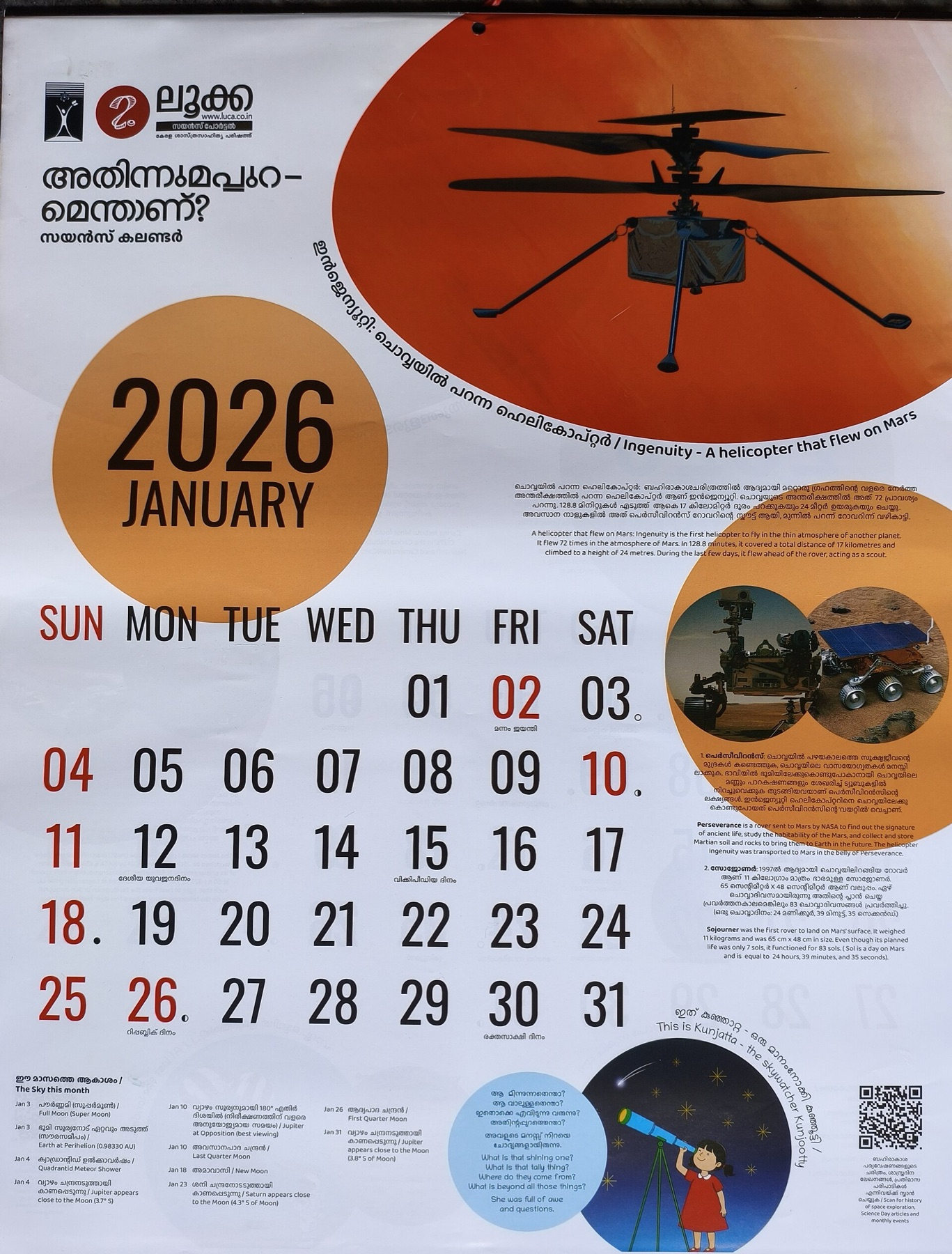
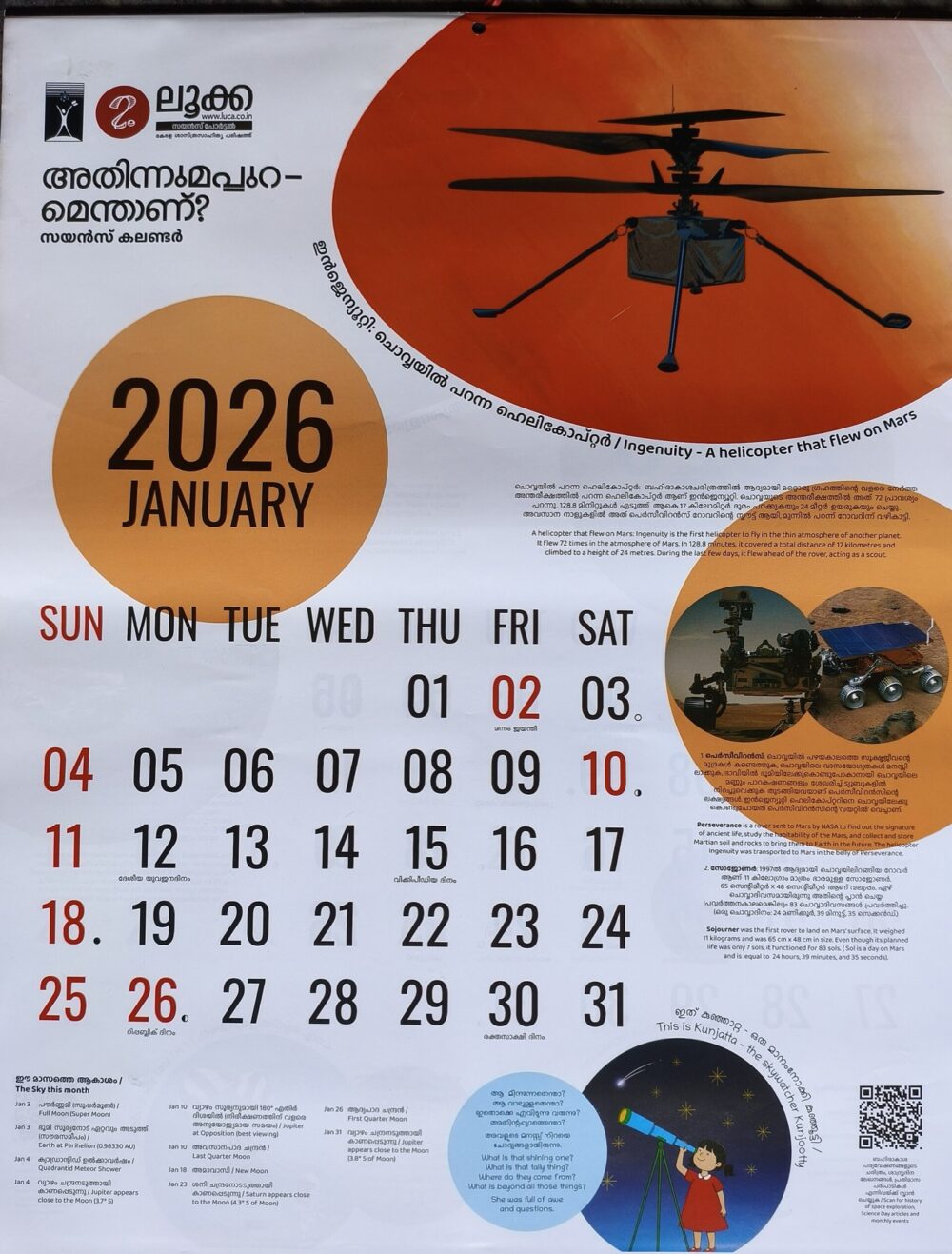
This example isn’t farmhouse‑specific, but it shows the dated grid plus artwork format you’re trying to source.
Key Features to Check When Sourcing Farmhouse Calendars Cross‑Border
When you move farmhouse calendars into cross‑border sourcing, the usual décor questions get more technical. You’ll be evaluating listings from photos and text alone, so you want concrete specs.
1. Format and size Decide what you need before you hit DHgate search:
- Standard hanging wall calendar (often around 11″×17″ opened) vs. smaller 8.5″×11″ styles.
- Portrait vs. landscape layout — farmhouse art like barns and kitchens often looks better in landscape.
- Single‑hook hole at the top vs. spiral or twin‑wire binding.
On DHgate, these details show up in the product specifications section of each listing alongside images and price, so read those fields closely rather than assuming the size from photos.
2. Paper and print quality Farmhouse calendars are décor first, planner second, so flimsy paper will feel cheap on a wall. Look for:
- Paper weight described as “thick,” “card,” or “premium” stock rather than “thin” or “copy paper.”
- Matte or lightly coated finishes if you expect buyers to write on them.
- Mentions of “high‑quality printing,” “vibrant colors,” or “no smudging” in the description and reviews.
DHgate’s own editorial tips emphasize checking material details and color/size specs carefully in the listing description to avoid surprises. That’s especially relevant with printed goods where sellers might use stock photos that look richer than the actual paper.descriptive source
3. Artwork style: what really feels “farmhouse” Because DHgate isn’t organized around farmhouse décor themes, you’ll have to judge style yourself:
- Color palette: creams, warm whites, soft grays, sage, and faded reds rather than neon or saturated primaries.
- Subjects: barns, fields, produce, farm animals, vintage kitchen tools, hand‑lettered month names.
- Texture: backgrounds that mimic distressed wood, chalkboard, linen, or kraft paper.
Zoom into listing images and check that all months carry a consistent farmhouse look; some low‑effort calendars mix rustic pages with generic clip art.
4. Functionality details for US buyers Check whether the calendar grid matches your audience:
- Clear US holidays or blank grids where buyers can write their own.
- Week starting on Sunday (most common in the US) vs. Monday.
- Language: month names and notes in English if you’re selling domestically.
These points should be spelled out in the description; if not, message the seller and ask. DHgate’s sourcing guidance specifically encourages communicating with suppliers and, for resellers, ordering samples before committing to larger quantities.ecommerce sourcing guide
5. Risk indicators in cross‑border calendar sourcing With printed farmhouse décor, a few red flags are worth treating seriously:
- Very few or no reviews on a highly designed calendar.
- Descriptions that focus on “labels,” “covers,” or “posters” while the photo shows a full calendar grid.
- Inconsistent photos (different styles, watermarks from multiple brands) in one listing.
DHgate’s editorial FAQ warns that some sellers can use eye‑catching images in the listing and clarify in fine print that you’re buying something else, like just a label. Their advice: read descriptions line by line and double‑check that what’s being sold matches the pictures.seller tips
Here’s a quick farmhouse‑specific vetting table you can run through on any cross‑border calendar listing:
| Checkpoint | What you want for farmhouse 2026 | What to avoid on DHgate listings |
|---|---|---|
| Artwork consistency | Rustic scenes on all 12 months | Random mix of styles, stock clip art |
| Paper description | Thick, premium, matte or writable | Vague “paper” with no weight or finish |
| Calendar grid details | Clear 2026 dates, US‑friendly week layout | No year mentioned or sample year only |
| Reviews & photos | Buyer photos that look like the listing | No reviews or photos, or complaints on print quality |
Using DHgate to Search, Match, and Judge Farmhouse 2026 Calendar Listings
With the product basics in mind, here’s how to actually work through DHgate for farmhouse‑style calendars.
1. Start with broader, style‑driven search terms
- “2026 wall calendar”
- “2026 home decor calendar”
- “rustic wall calendar 2026”
- “vintage calendar 2026”
Scan the thumbnails for farmhouse cues (barns, wood, kitchen scenes). Open anything that looks close, then use the listing details to decide whether it can pass as farmhouse or is just generic.
DHgate’s own guidance recommends using categories and filters to narrow searches. For calendars, you can often filter by “Home & Garden” or “Home Décor” type categories, and occasionally by material or color where those filters exist.shopping experience tips
2. Use filters and keywords inside your results
Once you have a results page:
- Sort by “Best selling” or “Top rated” to bubble up listings with more transaction history.
- Add extra keywords in the search bar like “farm”, “barn”, “wood”, or “kitchen” to nudge the results toward rustic themes.
You may still end up with a mix of themes (animals, astronomy, cartoons). That’s normal; DHgate’s calendar inventory is broad but not tightly themed by Western décor styles. Treat this as a first pass for spotting suppliers who do decent calendar printing.
3. Read listing specs the way a reseller would
Open a promising listing and go through it in three passes:
- Images: Check each month’s artwork, zoom in on texture and typography, and confirm the year printed is 2026.
- Specifications: Look for size, paper material, binding type, and language. DHgate’s product listings typically collect these in a detail section that you should read carefully.platform guide
- Seller ratings and reviews: Scroll to the seller section and buyer reviews. DHgate’s editorial advice is to favor sellers with strong ratings and to use real buyer comments as a quality signal.why so cheap
4. Request samples before small bulk orders
For small ecommerce businesses, the safest way to use DHgate for farmhouse calendars is:
- Identify 1-3 candidate listings that are close to your preferred style.
- Contact sellers through DHgate messaging to confirm paper weight, finish, 2026 date accuracy, and packaging.
- Order 1-3 calendars as samples.
The DHgate ecommerce sourcing guide explicitly encourages requesting samples and evaluating suppliers on ratings, reviews, and transaction history before placing larger orders.ecommerce sourcing guide
After you see the sample in person, you can decide whether the calendar is farmhouse enough for your brand or whether you should pivot to custom printing with that supplier or move on.
5. Micro‑checklist before you buy
Run this quick checklist on any DHgate calendar listing you’re serious about:
- Photos show a consistent rustic style across all months.
- Description explicitly says “2026” and matches the images.
- Size and material specs are detailed and acceptable for wall décor.
- Seller rating and feedback volume look healthy for a printed product.
- At least some buyers confirm the calendar they received matches the photos.
If you can’t tick most of those boxes, you’re probably forcing the listing to fit a farmhouse niche it wasn’t designed for.
6. When to switch to other marketplaces instead
If your DHgate searches only surface generic designs, or you need a specific brand such as a named US farmhouse artist, you’re unlikely to find an exact match. In those scenarios, it’s typically more efficient to move to:
- Design‑driven marketplaces like Etsy for artist‑made farmhouse 2026 calendars.
- Big‑box retailers such as Walmart or similar, which already carry branded farmhouse wall calendars for 2026.
DHgate still makes sense as a sourcing route if you want unbranded rustic calendars, private‑label designs, or custom printing at cross‑border prices. If your requirement is “this exact farmhouse calendar I saw in a US store,” use DHgate for adjacent décor sourcing, not that calendar itself.
For broader background on how DHgate works as a marketplace, you can read What DHgate is and how the marketplace works. If you do find a promising supplier, Find trusted sellers on DHgate and the DHgate order‑readiness checklist offer more general guidance you can apply before you place a calendar order.