
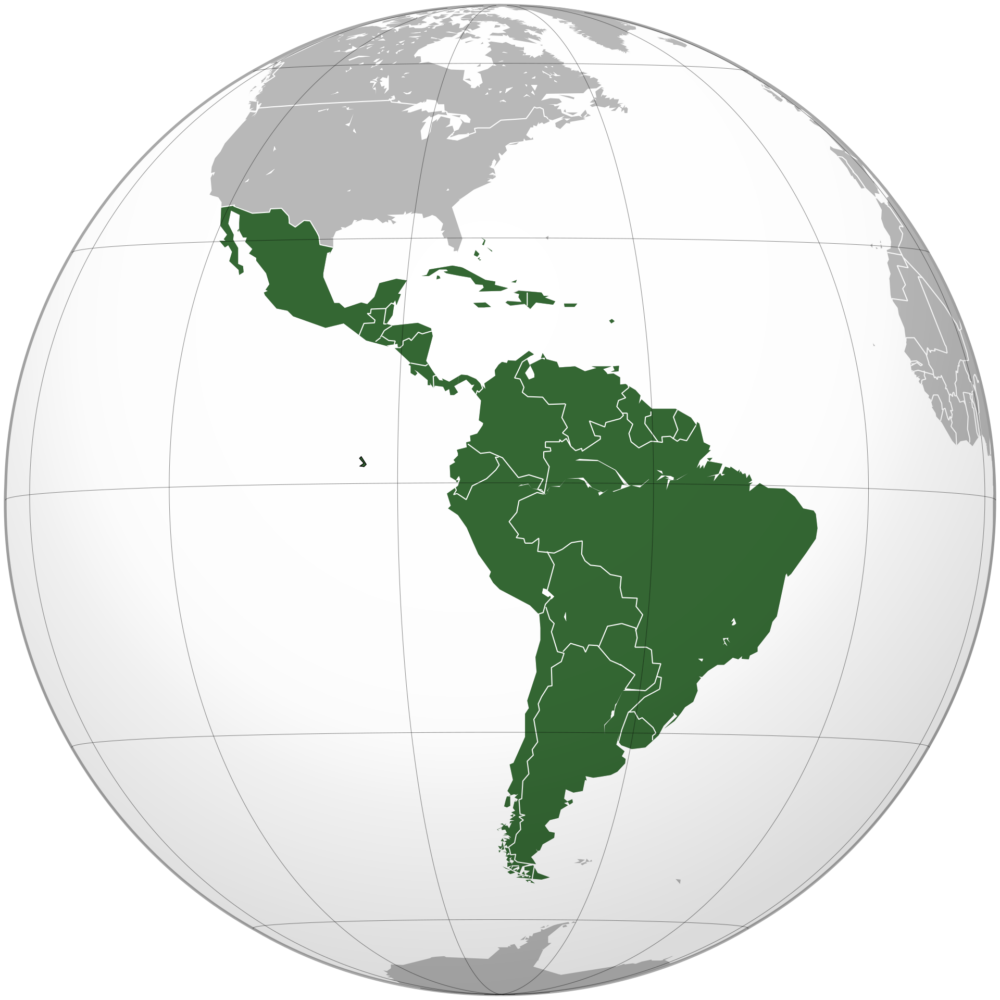
Panama and Latin America are served by a mix of regional marketplaces and local platforms: retail sites like MercadoLibre, classifieds such as OLX Latam and Encuentra24, and cross-border intermediaries like Tiendamia or Linio. For a US-based buyer or small ecommerce business, these channels matter in different ways: local platforms help you reach Latin American consumers or understand demand, while global marketplaces (Amazon, eBay, Alibaba, DHgate and others) remain the main route for sourcing inventory shipped into the region.
This article breaks down how those platform types work and where each route makes sense, without assuming that a single marketplace is the “right” answer.
The Online Marketplace Landscape in Panama and Latin America
Independent overviews of electronic markets highlight strong growth and variety across Latin America, with marketplaces playing a central role for both consumers and sellers. ICEX, a Spanish trade agency, describes a diverse ecosystem of platforms that connect buyers and businesses throughout the region.Source
The broad landscape looks roughly like this:
- MercadoLibre – A leading Latin American e-commerce and online marketplace active in multiple countries, operating more like Amazon or eBay than a simple classifieds site.Source
- OLX Latam – A classifieds-style network where individuals list items locally and arrange person‑to‑person transactions.Source
- Encuentra24 – A Central American classifieds platform with a strong presence in Panama, used for everything from real estate to vehicles and general goods.Source
- Cross-border intermediaries (Tiendamia) – Services that let consumers in Latin America order from US sites like Amazon, eBay and Walmart through a local-facing interface.Source
- Regional retail brands (Linio) – Linio has been a Latin American e-commerce marketplace brand, though its availability has changed over time across countries.Source
On top of these, global sites like Amazon, eBay and Alibaba are widely used both directly and via intermediaries, and many independent shops in Panama or nearby countries run on SaaS storefronts (Shopify and similar tools) rather than open marketplaces.
For US-based buyers, the key distinction is that many Panama‑focused platforms (especially Encuentra24 and some OLX implementations) operate more as local listings boards than as transaction‑handling marketplaces. They give you visibility into local supply and demand, but they are not plug‑and‑play wholesale sourcing channels.
How Different Platform Types Work in the Region
Latin American platforms roughly fall into three operational models that matter for buyers and small sellers.
1. Retail marketplaces (MercadoLibre‑style)
Retail marketplaces host third‑party sellers but keep the shopping experience within one site. MercadoLibre is the flagship example in the region.Source Sellers list products, buyers search and purchase through the marketplace interface.
For a US seller looking to reach Latin American consumers, this model:
- Offers built‑in traffic and search within each country.
- Centralizes product discovery in one account instead of dozens of small sites.
- Requires adapting to local language, pricing in local currency, and local payment preferences.
For a US buyer sourcing inventory, retail marketplaces in Latin America are less critical; they are usually focused on stocking local consumers, not exporting bulk inventory to the US.
2. Local classifieds (OLX Latam, Encuentra24)
Classifieds platforms operate more like Craigslist than Amazon. OLX’s Latin American operations emphasize person‑to‑person listings and local meetups or direct arrangements.Source Encuentra24 is a Central American classifieds brand, with Panama as one of its core markets.Source
Common traits:
- Listings cover used goods, vehicles, housing, services, and sometimes new products.
- The platform typically does not run the transaction; buyers and sellers coordinate payment and delivery off‑site.
- Value for US small businesses is mostly market intel: seeing what brands, models and price points circulate in Panama and neighboring countries.
Classifieds can occasionally surface local distributors or importers you might contact directly. But they are not structured wholesale marketplaces, and cross‑border logistics are rarely baked into the workflow.
3. Cross-border intermediaries (Tiendamia, Linio)
Cross-border intermediaries act as bridges between Latin American consumers and overseas marketplaces.
- Tiendamia explicitly positions itself as a way for Latin American buyers to purchase products from US sites like Amazon, eBay, and Walmart through a localized interface.Source
- Linio has been used as a Latin American marketplace brand with changing country presence over time.Source
From a US perspective:
- If you sell on Amazon or eBay in the US, an intermediary such as Tiendamia might indirectly expose your listings to Latin American buyers without extra setup on your side.
- If you are a US buyer sourcing inventory, these intermediaries are less relevant; you can usually buy directly from the original US marketplace.
These services matter more if you are trying to understand how Latin American consumers access US products, or if you run a local operation inside Latin America.
Choosing the Right Marketplace Route for Cross-Border Sourcing
If you are based in the US and thinking about Panama or Latin America, your decision is less “which single marketplace is best” and more “which route matches my goal.” This is where local platforms and global sites intersect.
Local vs global routes: what each is good for
Here is a compact way to think about the main options:
| Route / platform type | Best use case from a US perspective | Typical strengths (editorial judgment) |
|---|---|---|
| MercadoLibre & similar retail | Reaching Latin American consumers; checking local retail pricing | Localized traffic, regional brand recognition |
| OLX Latam, Encuentra24 classifieds | Finding local sellers, distributors; gauging demand in Panama | Broad listings, local context, person-to-person |
| Tiendamia-style intermediaries | Seeing how US marketplace products reach Latin American buyers | Bridge between US sites and Latin American users |
| Global marketplaces (Amazon, eBay, Alibaba, Cross-border multi-seller) | Sourcing inventory for a US store; exporting into Latin America | Wide supplier base, global shipping options |
This table is editorial judgment based on how the platforms position themselves and how they are typically used; individual experiences vary.
Where global marketplaces (including DHgate) fit
For sourcing inventory into the US or for re‑export into Latin America, you will usually lean on global marketplaces:
- Amazon and eBay (US editions) – strong for branded, consumer‑ready goods and small quantities.
- Alibaba – oriented to factory‑level or large‑volume sourcing.
- DHgate – another global marketplace for cross‑border sourcing from overseas suppliers, often used for small to mid‑size orders.
To decide between using local Latin American platforms or sticking with global sites, match them to your scenario:
- Scenario: You want to understand what sells in Panama before choosing products. Use Encuentra24 and OLX‑style sites to scan listings, then check comparable items on MercadoLibre in nearby countries. This gives you local price bands and product types.
- Scenario: You want to sell into Latin America without building your own website. Explore regional retail marketplaces like MercadoLibre or, where available, Linio‑style brands. You will manage listings and local customer service there.
- Scenario: You want to buy inventory in bulk for a US store and only test Latin America later. Source via global marketplaces (Amazon Business, Alibaba, DHgate and others), then treat Latin American platforms as downstream sales channels when you are ready.
If you’re still deciding which marketplace model fits your broader strategy, it can help to step back and compare standard marketplace mechanics in general. For that wider context, see Compare online marketplaces and shopping platforms and, if you’re weighing global sourcing sites against each other, Compare DHgate with AliExpress, Alibaba and Temu.