
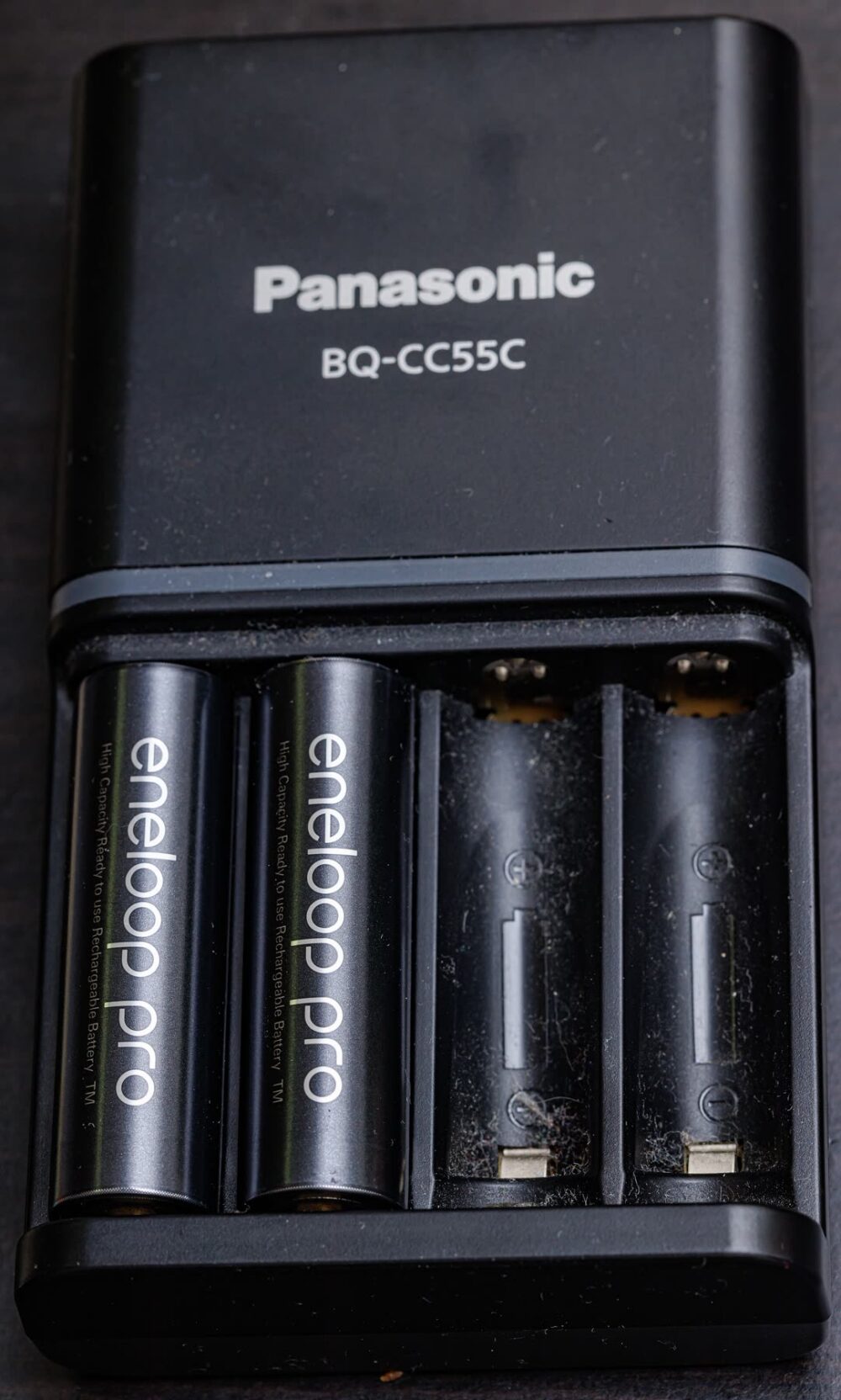
For most Australian buyers, standard Eneloop AA/AAA batteries do work out cheaper over their lifetime than many rival Ni-MH brands, even though they cost more upfront. They’re rated for up to about 2,100 recharge cycles and are widely reported to retain around 70% of their charge after long-term storage, so you get more usable cycles and less wasted energy between charges than you typically see from competitors.
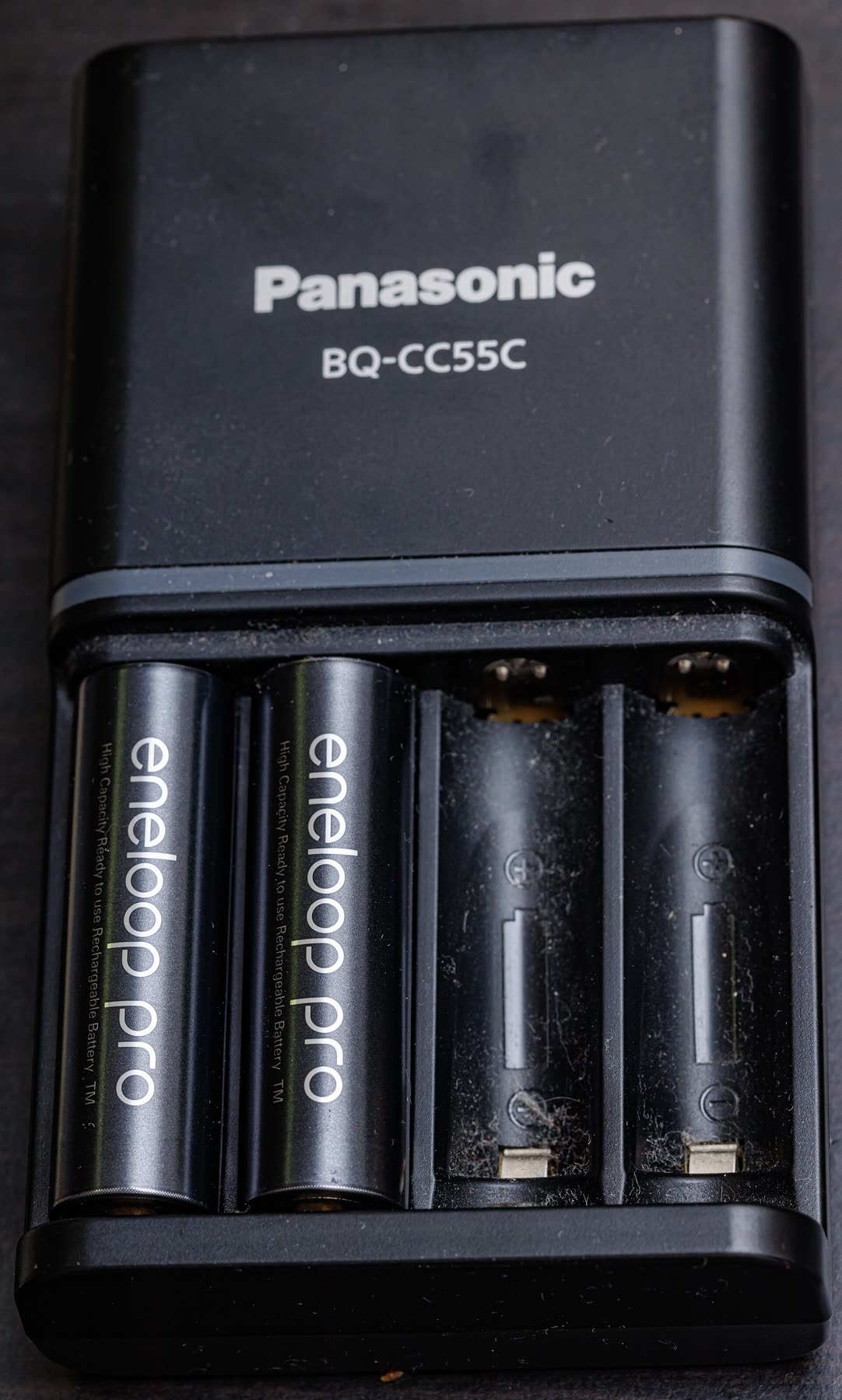
Eneloop Pro shifts the balance: it offers roughly 25-30% higher capacity than standard Eneloop but only around 500 rated cycles, which can still be excellent value in high‑drain gear but isn’t the lowest cost per recharge.
How Eneloop’s Longevity and Cost per Recharge Stack Up
To compare brands sensibly, you have to separate three things:
- Cycle life – how many times a battery can be recharged before its capacity drops to an unusable level.
- Self-discharge/storage retention – how much charge it keeps while sitting in a drawer.
- Cost per recharge – the purchase price divided by realistic usable cycles.
Panasonic’s standard Eneloop AA cells sold in Australia are specified for up to around 2,100 recharge cycles and marketed as low self‑discharge Ni‑MH batteries that retain about 70% of their charge after many years of storage.Panasonic’s Australian Eneloop listing highlights these points. Independent overviews echo that Eneloop’s long storage life and consistently low self‑discharge are key differentiators compared with typical Ni‑MH cells.The Eneloop article on Wikipedia describes this low self‑discharge design as central to the brand.
Eneloop Pro AA batteries, aimed at photographers and other high‑drain users, are commonly specified at roughly 25-30% higher capacity than the standard line but only around 500 recharge cycles, trading some longevity for performance.An Australian retailer’s Eneloop Pro page reflects this capacity/cycle trade‑off.
By contrast, editorial comparisons of Amazon Basics, Energizer and similar Ni‑MH rechargeables usually cite cycle ratings in the 300-1,000 cycle range with competitive or sometimes higher capacity, but not the extreme 2,000+ cycle figures of standard Eneloop. DHgate’s own editorial posts that survey major rechargeable brands place Amazon Basics and Energizer around up to ~1,000 cycles, Duracell rechargeables closer to 400 cycles, and Ikea Ladda and some EBL models between a few hundred and around 1,500 cycles.A DHgate blog comparison of top rechargeable batteries summarises these typical ranges.
From a value perspective, that means:
- For low‑drain, frequently used devices (remotes, wireless keyboards, toys), a high‑cycle, low‑self‑discharge cell like standard Eneloop will usually deliver a lower cost per recharge, because you’re more likely to approach hundreds or even four figures of real‑world cycles.
- For high‑drain devices where you care more about runtime than lifespan (flash photography, LED video lights), Eneloop Pro and other high‑capacity rivals can be better, even though your effective cost per recharge is higher.
Brand‑by‑Brand Comparison for AA/AAA Rechargeables
The table below uses typical published specs and widely cited editorial ranges. Individual sub‑models can differ, but the pattern is consistent.
| Brand / line | Approx. capacity (AA) | Rated cycles (approx.) | Self‑discharge / storage notes | Best suited use case |
|---|---|---|---|---|
| Eneloop (standard) | Mid (around 1,900-2,000 mAh) | Up to ~2,100 | Low self‑discharge; widely reported ~70% after long storage | Everyday low‑to‑medium drain; long shelf life |
| Eneloop Pro | High (about 25-30% above standard) | Around ~500 | Low self‑discharge, but shorter rated lifespan | High‑drain gear (cameras, lights, gaming) |
| Amazon Basics Ni‑MH | Mid‑to‑high | Often ~500-1,000 | Generally decent but not highlighted as extreme | Budget general‑use, bulk household packs |
| Energizer Recharge | Mid | Often up to ~1,000 | Low self‑discharge lines available, mixed across range | Everyday devices, brand‑name preference |
| Duracell Recharge | Mid‑to‑high | Commonly ~300-400 | Some fast‑charge focus, less about long storage | Users prioritising brand or fast charging |
| Ikea Ladda | Mid‑to‑high (select lines) | Often cited ~1,000-1,500 | Good low self‑discharge in popular models | Cost‑conscious buyers near Ikea stores |
Sources such as Panasonic’s local specs and broad editorial round‑ups, including DHgate’s multi‑brand battery article, underpin these ranges.Panasonic Australia’s Eneloop page and DHgate’s overview of leading USB‑rechargeable batteries that includes Eneloop, Amazon Basics, Duracell and Energizerhttps://www.dhgate.com/blog/?p=183016 both reflect these cycle‑life and capacity trade‑offs.
Real‑world implications:
- In a TV remote or thermostat, the extra 1,000+ cycles and low self‑discharge of standard Eneloop are genuine benefits. You may recharge a pair only a few times a year, and they’ll still hold most of their charge even if forgotten for months.
- In a speedlight or LED panel for product photography, Eneloop Pro’s higher capacity can mean fewer battery changes during shoots, even though you’ll probably replace the pack after a few hundred heavy cycles.
- Budget packs like Amazon Basics often cost noticeably less per cell in Australia than Eneloop. If your devices aren’t very sensitive to voltage sag and you don’t mind replacing batteries sooner, these can be economical, but the long‑term cost savings are broader and more reliable with a high‑cycle cell.
Picking the Right Brand and Channel for Australian Buyers and Small Sellers
For personal use in Australia:
- Choose standard Eneloop if you want one “set and forget” rechargeable for most AA/AAA devices and care about long shelf life and total lifespan.
- Choose Eneloop Pro or other high‑capacity Ni‑MH if you run flashes, headlamps or high‑output toys where runtime matters more than squeezing out every last cycle.
- Opt for cheaper brands like Amazon Basics, Energizer, or Ikea Ladda if you’re building up a large pool of batteries and your devices are mostly low‑risk and low‑drain.
For small ecommerce businesses bundling batteries with products (lights, toys, controllers), the calculus shifts:
- Branding and reliability matter because returns and support tickets eat margins. Offering Eneloop or another proven low‑self‑discharge line can reduce “dead on arrival” and “won’t hold charge” complaints.
- On the other hand, including premium Eneloops with every unit might be overkill for budget gadgets. Many sellers instead recommend compatible rechargeables rather than supplying them.
On sourcing channels, you have three broad options:
- Local retail and distributors (major chains, battery specialists) – best for guaranteed genuine Panasonic stock and fresh inventory but higher per‑cell cost.
- Regional online platforms such as Amazon Australia – useful for bulk packs of Amazon Basics, Energizer and sometimes Eneloop, often with competitive pricing.
- Cross‑border marketplaces – global platforms including DHgate, AliExpress and similar sites list rechargeable batteries from many brands and “Eneloop‑compatible” lines. These can be attractive for large quantities at low unit cost, but the risks are higher.
For cross‑border buying, especially if you plan to resell:
- Verify that you’re buying branded, genuine Panasonic Eneloop if that’s what you intend to advertise; grey‑market or counterfeit cells are a known issue around popular battery brands.
- Check seller history for battery‑specific feedback, not just general ratings. Old or poorly stored Ni‑MH stock can arrive with degraded capacity even if genuine.
- Decide whether you really need the brand power of Eneloop. Some small sellers source unbranded or lesser‑known low self‑discharge Ni‑MH cells as “included batteries” and recommend Eneloop or similar as an upgrade, which keeps bundle costs manageable.
If you’re weighing DHgate as one of those marketplaces, it should be part of a broader comparison of cross‑border platforms, not your only channel. A neutral overview like this comparison of DHgate vs AliExpress, Alibaba and Temu can help you decide where marketplace sourcing fits into your battery strategy.
For most Australian buyers, the simple rule is: pay Eneloop’s higher sticker price when you actually value high cycle life and low self‑discharge; otherwise, a mid‑range rival may be “good enough” and cheaper, even if you replace it sooner.