
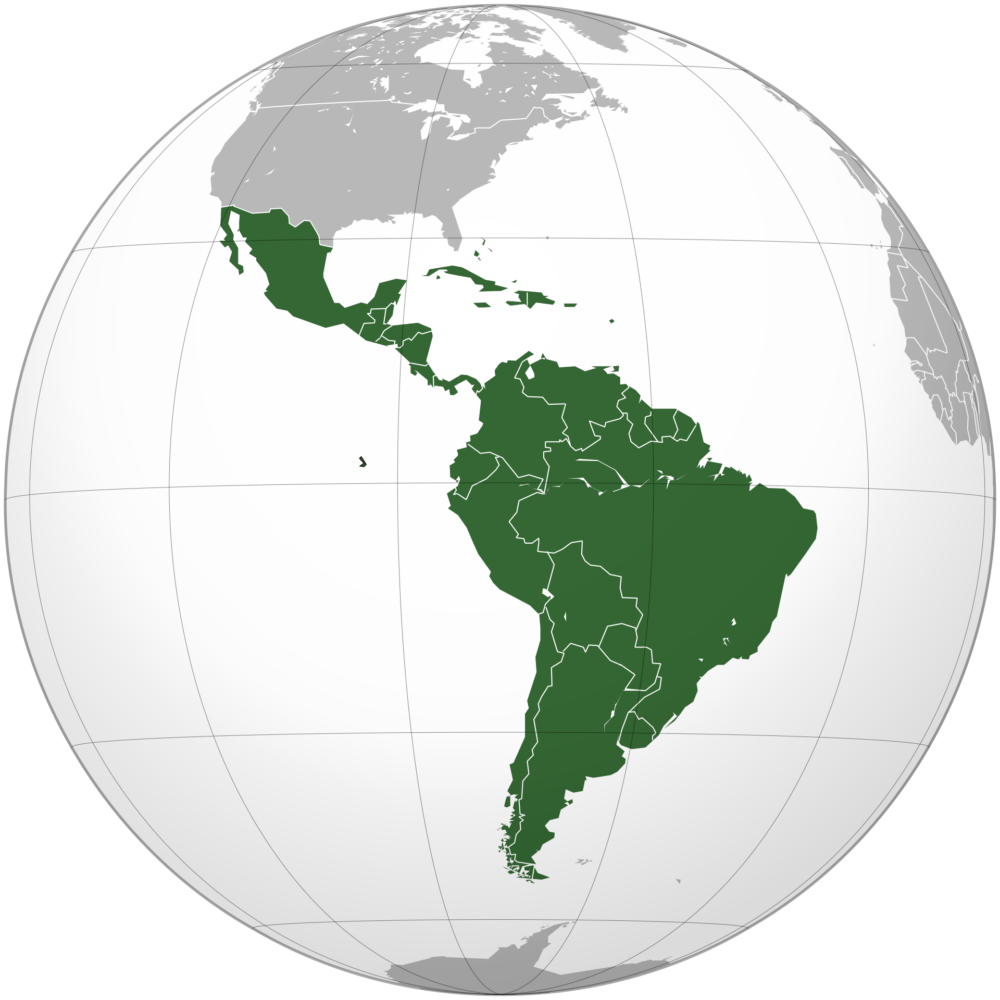
Panama doesn’t run on a single Amazon-style site. Buyers and small ecommerce sellers use a mix of local classifieds, Panamanian apps, regional Latin American marketplaces, and cross-border tools that connect to US platforms. Your best route depends on whether you’re trying to buy something that’s already in Panama, tap regional consumer demand, or import stock from outside the region.
For local, second-hand and services, Panamanian platforms like CuiQly, Relevo and Encuentra24 dominate everyday trade. For broader retail, regional marketplaces such as Mercado Libre cover multiple Latin American countries. And if you want US inventory delivered into Latin America, import facilitators like Tiendamia sit in the middle. US-based resellers who want to source at scale usually add global wholesale marketplaces into that mix.
How Online Marketplaces Work in Panama and Latin America
Panama’s online marketplace ecosystem is more fragmented than in the US, but once you see the patterns it’s easier to choose channels.
Local Panamanian marketplaces and classifieds. CuiQly positions itself as “Panama’s marketplace,” bundling products, services and events into a single app. Relevo targets the expat-heavy Panama City audience as a curated marketplace for local goods and services. Encuentra24 is widely used for classifieds across categories like housing, vehicles, jobs and general second-hand items. These platforms matter if you need stock that is already physically in Panama or want to sell to people on the ground.
Regional ecommerce marketplaces. Latin America’s heavyweight marketplace is Mercado Libre, which operates in multiple countries and supports both business-to-consumer (B2C) and consumer-to-consumer (C2C) listings. In practice, Panamanian buyers often browse regional listings to compare prices, see variety, and understand demand beyond their local market, even if they ultimately buy within Panama.
Price comparison and shopping entry points. Some Panamanian sites act more like shopping gateways than full marketplaces. Geedo presents itself as a price comparison and online shopping interface, helping users compare deals and click out to stores rather than handling the full marketplace stack itself. These tools are handy for research: you can sanity-check prices before committing to a local seller or cross-border order.
Cross-border import facilitators. Across Latin America, platforms such as Tiendamia let local consumers order products from US marketplaces like Amazon and then handle shipment into their country. You’re not buying from random individuals in Panama; you’re using an intermediary to bring foreign inventory to Latin American addresses.
Taken together, this means you’re choosing between local inventory, regional consumer marketplaces, and various ways of importing goods from outside the region.
Platform Models: How the Main Channel Types Actually Operate
To pick the right route, it helps to separate four broad models you’ll encounter in Panama and Latin America.
1. Local classifieds and community marketplaces
Platforms: Encuentra24, CuiQly, Relevo and similar sites.
These work much like Craigslist or Facebook Marketplace: individual sellers and small businesses post listings, buyers contact them directly, and payment and delivery are usually arranged person-to-person. In Panama, Encuentra24 is a go-to for housing and vehicles as well as general second-hand goods, while CuiQly and Relevo lean more into curated local products and services.
Implications for you:
- Pricing is often negotiable and reflects local supply and demand.
- Logistics are on you and the seller (meetups, local delivery, or courier).
- Useful for testing product ideas with expats and locals before investing in imports.
2. Regional retail marketplaces (Latin American B2C/C2C)
Platforms: Mercado Libre, Linio and country-specific variants.
These are closer to Amazon or eBay: a central site where many sellers list products, and buyers shop using a standardized interface. Mercado Libre is a leading example and is widely used for both brand-new goods and peer-to-peer sales across Latin America.
Implications for you:
- Good for understanding what already sells regionally, price bands and listing styles.
- As a US-based seller, you’d usually need to set up a local seller account and manage regional shipping if you want to list here.
- As a buyer, you see more professional listings and broader selection than on a single Panamanian classifieds site.
3. Import facilitators linking US marketplaces to Latin America
Platform: Tiendamia, plus similar services in other countries.
Tiendamia lets Latin American consumers buy from US marketplaces such as Amazon and then ships those orders into the region. The consumer interacts with Tiendamia, which handles the connection to the US site and the import process in general terms.
Implications for you:
- If you’re physically in Panama or elsewhere in Latin America, this is a way to access US products without managing international shipping yourself.
- As a US-based ecommerce seller, these platforms indirectly expand your audience when Latin American buyers order through them from US marketplaces where you already list.
4. Wholesale and global sourcing marketplaces
Platforms: Global B2B marketplaces (including DHgate, Alibaba-style sites) and regional B2B directories.
These marketplaces connect buyers with manufacturers and high-volume sellers around the world. They’re designed more for sourcing inventory than for one-off consumer purchases.
Implications for you:
- You’re negotiating with suppliers, not tapping local Panamanian retail stock.
- This route is best suited to US resellers and brands who want to import at scale, then sell into Panama or the wider region via the local and regional channels above.
Quick comparison of marketplace archetypes
| Channel type | Typical use in Panama/LatAm | Who it suits best |
|---|---|---|
| Local classifieds/marketplace | Second-hand goods, housing, vehicles | Locals, expats, small local resellers |
| Regional retail marketplace | New and used retail across countries | Regional consumers, sellers with local ops |
| Import facilitator | Buying US products delivered locally | Latin American consumers, US sellers via US sites |
| Global wholesale marketplace | Sourcing inventory for resale | US/EU/LatAm ecommerce brands and resellers |
Which Marketplace Route Fits Your Buying or Sourcing Scenario?
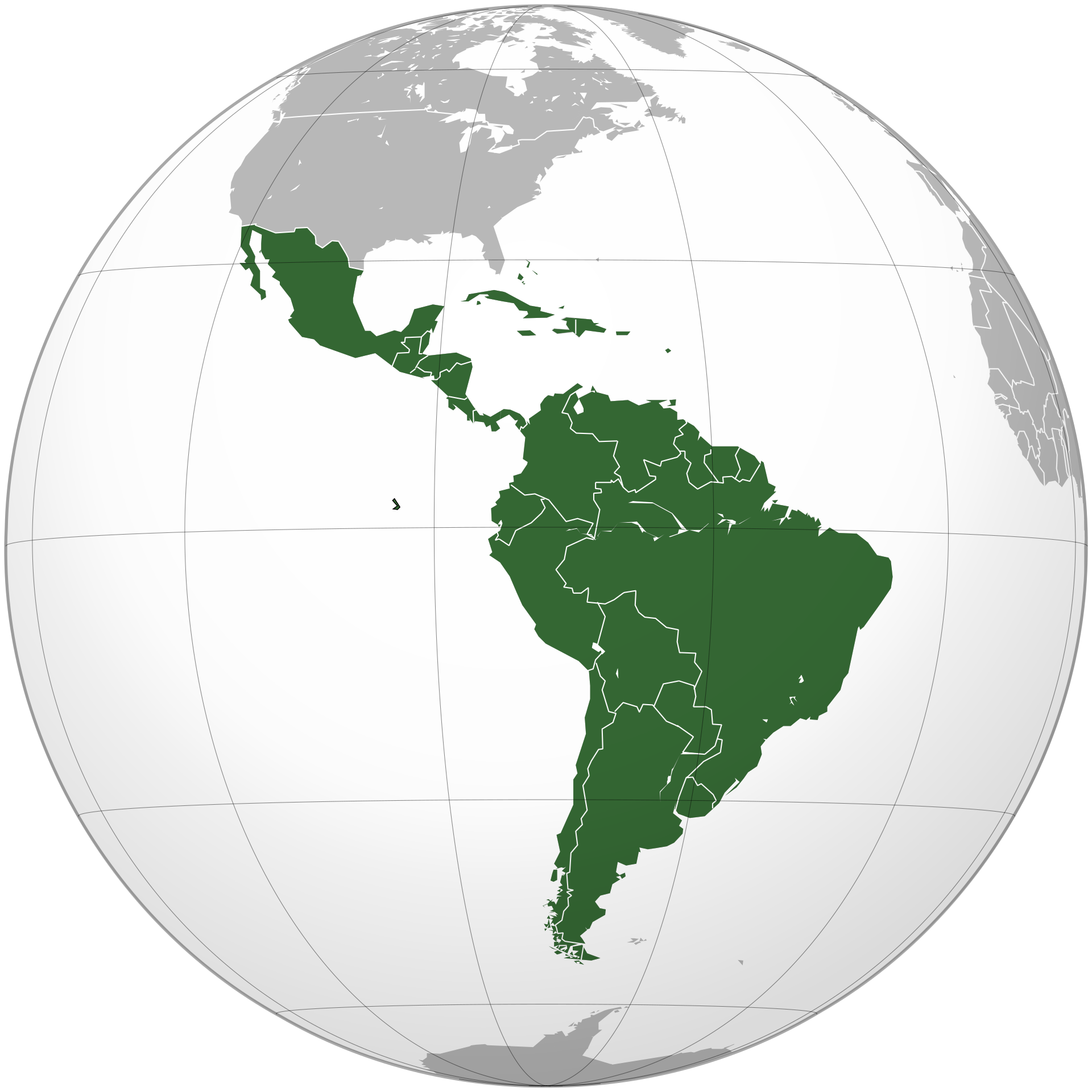
Different goals call for different combinations of channels. Here are the most common scenarios for US-based readers and small ecommerce operations.
Scenario 1: You’re a US-based buyer looking for Panamanian or Latin American items
If you want Panama-origin products (local crafts, second-hand items, or services), pure Panamanian platforms like CuiQly, Relevo and Encuentra24 are more relevant in-market than US sites. From the US, you’ll need to check whether the seller is willing to ship internationally or work through a contact in Panama.
If you just want Latin American brands at consumer level (electronics, fashion, household goods), browsing Mercado Libre or similar regional marketplaces gives you a real feel for what’s available. However, unless a seller offers international shipping, you may still need a freight forwarder or an import facilitator.
Scenario 2: You’re an expat or local in Panama buying everyday goods
Living in Panama, the most practical stack is:
- Encuentra24 for housing, vehicles, and general classifieds.
- CuiQly or Relevo for local products and services in Panama City and surrounding areas.
- Mercado Libre for broader regional retail when local options feel limited or overpriced.
- Tiendamia when you specifically need products from US marketplaces like Amazon delivered to your Panamanian address.
This combo covers local second-hand needs, local services, regional retail and US imports without you having to set up a business.
Scenario 3: You run a small US ecommerce brand and want to source inventory, then sell into Panama/LatAm
Here, your decision is more layered:
- Source inventory globally.
You’ll typically start with global wholesale marketplaces. Platforms such as DHgate connect buyers with manufacturers and bulk sellers; their value is in broad product availability and the ability to negotiate terms. Because marketplace safeguards and policies are not covered here, your practical defense is to treat every supplier as an individual: read their listing details carefully, check feedback, and test with smaller orders before committing. For a deeper look at how DHgate itself works structurally, you can read What DHgate is and how the marketplace works.
- Decide your sales channels in Panama and Latin America.
- If you want direct-to-consumer sales, regional marketplaces like Mercado Libre can put you in front of Latin American buyers, but you’ll need local logistics capacity.
- If your focus is Panama specifically, you could partner with local resellers who already operate on CuiQly, Relevo or Encuentra24, supplying them via cross-border shipments.
- If you already sell on US marketplaces like Amazon, import facilitators such as Tiendamia may indirectly bring your products to Latin American buyers without you doing a separate local marketplace rollout.
- Compare marketplace mechanics before committing.
To understand how different online marketplaces handle multi-seller retail in general, it’s useful to step back from the Panama focus and look at platform mechanics more broadly. The overview in Compare online marketplaces and shopping platforms can help frame differences between retail marketplaces, classifieds and wholesale sourcing sites.
Scenario 4: You’re testing demand before fully entering the Latin American market
If you want to gauge interest with minimal upfront investment:
- Use regional marketplaces (Mercado Libre, Linio) as a research tool: study listings, price points and buyer reviews in your category.
- Run limited listings or pilots through a regional marketplace using small local inventory or cross-border shipments, then watch response and logistics complexity.
- Keep local Panamanian platforms in mind for niche products that appeal to expats and urban buyers; their behavior is often a leading indicator for higher-end or imported goods.
Once you understand which channel types feel workable, you can evaluate specific platforms, including DHgate and its peers, using structured comparisons such as Compare DHgate with AliExpress, Alibaba and Temu.
The practical takeaway: treat Panama and Latin America as a layered marketplace ecosystem. Use Panamanian classifieds and apps when you need local presence, regional marketplaces for consumer reach, import facilitators for US-to-LatAm delivery, and global wholesale marketplaces when you’re building a sourcing pipeline behind those channels.