
Sink strainers and stopper accessories look like small, forgettable parts, but for Canadian buyers and small retailers they’re spec‑sensitive hardware. To get durable, low‑complaint products, start by matching material and diameter to the actual drain, then decide whether you’re buying a handful of replacements or stocking for resale. Many Canadian plumbing suppliers treat these as standard kitchen and bathroom accessories, and cross‑border marketplaces can work for generic bulk—if you’re careful with fit and quality checks.
A sink strainer sits over or in the drain opening and catches debris before it goes into the pipes. A stopper seals that same opening so the basin can hold water. In practice, these are used everywhere: household kitchen sinks, bathroom lavatories, rental units, hotel rooms, restaurant prep sinks, and utility sinks in shops or garages. Landlords and property managers buy them by the box to reduce service calls for clogs. Online shops and hardware resellers treat them as ongoing replenishment SKUs with steady, if low, ticket value.
What Sink Strainers and Stopper Accessories Actually Do
Strainers and stoppers have two jobs that matter to buyers:
- Prevent clogs and catches: A strainer is typically perforated metal or plastic that sits in or over the drain to catch food scraps, hair, and other solids before they reach the trap and line. That reduces drain cleaning calls and chemical usage.
- Control water in the basin: A stopper controls how long the sink holds water—filling for washing, soaking dishes, or shaving, and then draining quickly.
For a retailer or ecommerce shop, that translates directly into how you position the product:
- A deep basket strainer can be sold as a “clog‑prevention” or “garbage disposal‑friendly” accessory.
- A simple rubber stopper is a low‑cost replacement item for tenants or short‑term rentals.
- Higher‑end pop‑up assemblies fit into a more premium bathroom or kitchen hardware category.
Canadian plumbing suppliers list strainers and stoppers as standard drain accessories alongside traps and tailpieces, which tells you this category isn’t niche—it’s core plumbing hardware that most facilities need on a recurring basis.
Designs and Materials: How Strainers and Stoppers Differ
You’ll see several distinct designs across catalogs and marketplaces:
Basket and grid strainers (kitchen focus)
- Basket strainers sit in the drain opening and have a small cup or basket shape with perforations. Many include a mini plug or stopper that can twist or push down to seal the drain. These are common for kitchen sinks.
- Grid strainers are flatter, sitting over the opening with a grid or perforated disk that lets water through but stops larger debris. They’re often used where you don’t need to fill the sink, or you rely on a separate stopper.
Stopper mechanisms (kitchen and bath)
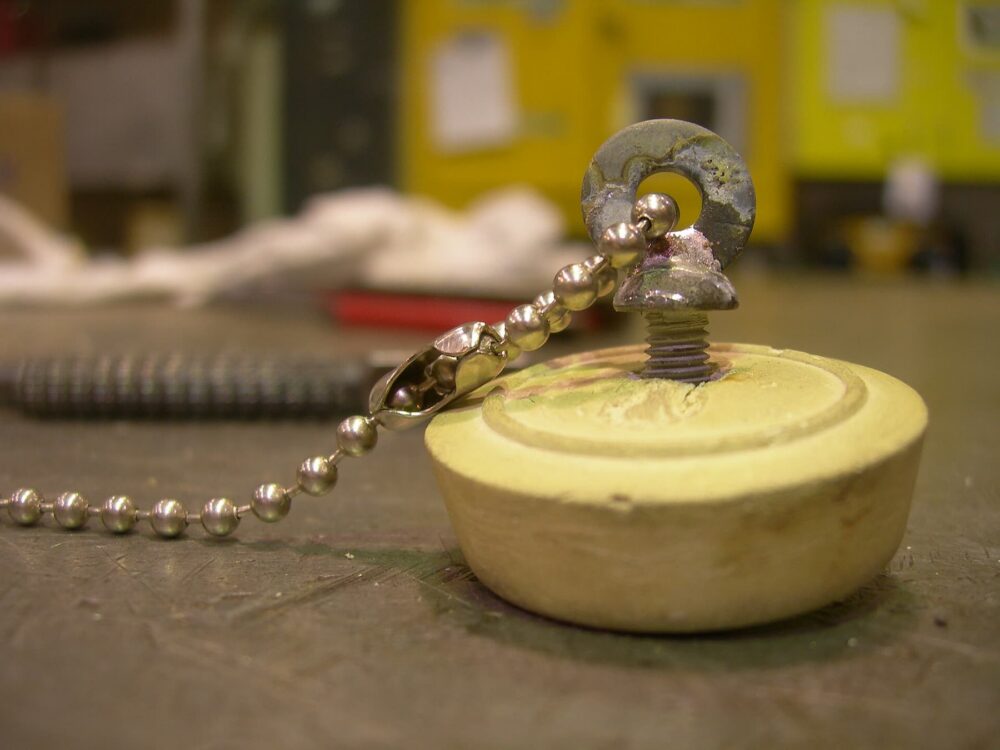
- Traditional rubber or silicone stoppers: Simple discs or tapered plugs you press into the drain. They’re cheap and durable, but can collect grime and need regular cleaning.
- Pop‑up stoppers: Operated by a lever or button that raises and lowers the stopper. Common in bathroom sinks; convenient but more complex to keep free of buildup.
- Push‑pull stoppers: You push down to close, pull up to open. Slightly simpler than levered pop‑ups.
- Grid strainers used as stoppers: In some setups, a grid strainer doubles as a partial stopper, trading a perfect seal for lower clog risk.
Common materials and trade‑offs Sink strainers and stoppers are typically made from:
- Stainless steel – Strong, corrosion‑resistant, and familiar in kitchens. Thicker steel generally resists denting and warping better than thin stamped pieces. Easy to clean with standard dish soap.
- Plastic – Lightweight and inexpensive. Good for budget kits or colorful variants, but more prone to scratching and long‑term staining.
- Silicone – Flexible, gentle on delicate finishes, and resistant to heat and odors. Often used for over‑drain covers or soft stoppers that can be tossed in the dishwasher.
Material choice affects not just durability, but how the item feels to end users. Stainless steel fits a “professional kitchen” message. Silicone can be pitched as quiet, colorful, and easy‑clean for family homes.
Measuring and Compatibility: Fit Matters More Than Looks
For both individual buyers and resellers, the most common failure point is fit, not aesthetics.
Most kitchen drains in North America are built around roughly 3.5 inch openings, but you should treat that as a typical dimension, not a guaranteed standard. Before placing a bulk order—or listing a product—you should:
- Measure the actual drain diameter across the visible opening, not just the hole in the strainer.
- Check depth if you’re buying deep basket strainers; a very shallow sink with a tall basket can be awkward.
- Confirm garbage‑disposal compatibility: Many modern disposals are designed to work with standard strainers, but some need specific collars or adapters. Where possible, match product descriptions to common disposal patterns and make it clear in your listing whether the strainer is disposal‑compatible.
For bathroom sinks, the mix of pop‑up, push‑pull, and traditional stoppers makes compatibility more fragmented. A generic rubber stopper is universal but low‑end; anything mechanical should match the drain assembly type your customers already have.
Choosing Durable Products for Canadian Channels
Once you know the size and mechanism you need, durability becomes the next filter. For Canadian sourcing, you’re typically balancing three things: material quality, construction, and channel fit.
Material and construction checks For stainless steel strainers and baskets, look for:
- Noticeable rigidity (less flex when pressed) and smooth, well‑finished edges.
- Reinforced rims or frames rather than very thin, easily bent disks.
For rubber or silicone stoppers:
- Even thickness with no obvious bubbles or voids.
- A snug, slightly compressive fit in the drain so they seal without excessive force.
These are visual and tactile checks you can do on samples before committing to a larger order.
Scenario shorthand for buyers and resellers
| Buyer type | Best‑fit products | Priority factors |
|---|---|---|
| Restaurant / café | Heavy‑gauge stainless basket strainers | Durability, disposal compatibility |
| Property manager / HOA | Mixed kits: kitchen baskets + rubber stoppers | Low cost per unit, universal fit |
| Online reseller (Canada) | Generic stainless and silicone accessories | Clear sizing, low return/complaint risk |
| Short‑term rental host | Simple rubber/silicone stoppers, grid covers | Easy replacement, easy cleaning |
A restaurant is more likely to pay for thicker stainless and deep baskets that catch food and work smoothly with disposals. A landlord managing dozens of units may prefer mid‑grade, widely compatible parts that reduce calls but stay cheap to replace.
Channel comparison, including cross‑border marketplaces In Canada, you have three main sourcing routes:
- Domestic plumbing suppliers and wholesalers – Many list sink strainers and stoppers as standard drain accessories. Browsing a catalog like Best Plumbing’s sink strainers and stoppers section gives a sense of the range of basket styles, finishes, and stopper mechanisms commonly stocked.
- Big‑box and general online retail – Good for small, immediate orders or testing which styles customers respond to, but unit pricing is rarely optimized for resale unless you’re leveraging volume discounts.
- Cross‑border marketplaces – Platforms such as DHgate host many generic sink baskets and stoppers in bulk packs. They can make sense if you’re sourcing unbranded accessories at scale, but they also push more responsibility onto you.
For most Canadian buyers who only need moderate quantities or who care about compatibility with local plumbing hardware, starting with domestic suppliers and then testing one or two cross‑border batches is a safer progression than jumping straight into a large overseas order.