
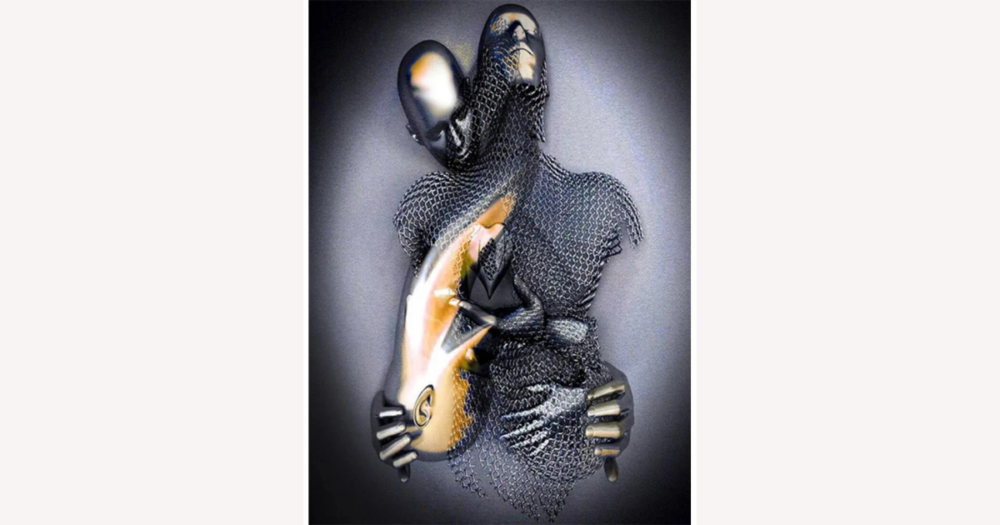
DHgate can be a practical way to get affordable 3D wall art prints or panels, as long as you treat it like the marketplace it is: many independent sellers with different prices, materials, and shipping options. Instead of hunting for one “best” shop, you’ll get better results by searching 3D wall art categories, filtering by price and rating, and then reading each listing carefully for materials, dimensions, and delivery terms. This guide explains how to interpret those details, how DHgate’s payment, shipping, and dispute systems work, and how to balance low prices with reliable quality and shipping when you’re ordering from Australia or other destinations.
How DHgate works as a source for affordable 3D wall art
DHgate can be a useful place to find affordable 3D wall art, but it works differently from a single retail store. It’s a marketplace where many independent sellers list their own products, set their own prices, and handle their own shipping, so there isn’t one official “best” shop for 3D wall art or panels.
Instead of looking for one perfect source, treat each listing or shop on DHgate as its own source. Use the search box and categories with terms like “3D wall art”, “3D wall panels”, or “3D canvas”, then narrow results with filters for price, size, and seller rating. This helps you see a range of options at different budgets rather than just the cheapest item on the page.
When you compare listings, weigh the price against the seller’s rating, review content, and how clearly the description explains materials, dimensions, and shipping. I would usually favour a seller with realistic mid‑range prices, clear photos, and solid reviews over an ultra‑cheap listing with vague specs, because that tends to mean more predictable quality and fewer headaches with delivery or returns.
Platform tools like sorting by rating, checking review summaries, and applying price filters are good for creating a shortlist of candidates. Once you have that shortlist, the next step is understanding the different types of 3D wall art and which materials and specifications actually affect quality and cost so you know what to look for in each listing.
Types of 3D wall art on DHgate and what affects quality
On DHgate you’ll typically see several formats of 3D wall art. The most common are 3D printed canvases or posters, multi‑panel canvas sets that create a layered or panoramic effect, peel‑and‑stick 3D wall panels, and other textured or relief pieces designed to add depth to a wall. Each format uses different materials and construction, which strongly affects how premium or flimsy the final piece feels.
Canvas‑style prints and multi‑panel sets are usually made from canvas or fabric stretched over a frame, or printed on a thinner textile that you mount yourself. Thicker, denser canvas with a solid wooden or MDF backing tends to feel more substantial and hold its shape better; very thin fabric or lightweight backing can be cheaper but may sag or warp over time, especially in larger sizes.
Peel‑and‑stick 3D wall panels are often made from PVC or foam. Here, thickness and density matter: thicker, higher‑density panels generally look crisper and resist dents, while ultra‑thin foam panels are lighter and lower cost but can feel less sturdy and show bumps or damage more easily. Textured relief art mounted on rigid boards (such as MDF or other composites) will usually sit flatter on the wall and feel more solid than loosely backed pieces.
Dimensions and the number of panels also influence both price and impact. Large single canvases or multi‑panel sets covering a big section of wall usually cost more and increase shipping size, but they can create a more immersive 3D effect than a small print. Finishes like matte, glossy, or seller‑claimed “HD print” can affect how sharp the image looks and how much light reflection you see, but these are marketing descriptions rather than lab‑tested guarantees, so treat them as clues and compare them with photos and reviews.
Because of this variability, it’s worth reading listing specifications closely: check exact size measurements, material names (canvas, PVC, foam, MDF, etc.), stated thickness, and whether the item arrives rolled, folded, or already mounted on a frame. I would personally pay a little more for thicker panels or clearly specified canvas and backing, as that usually reduces the chance of ending up with a flimsy or easily warped piece. Ultra‑cheap listings can be tempting, but they’re more likely to cut corners on material thickness or print quality, which matters a lot once the art is on your wall.

Example of 3D textured wall art used as a focal point in a living room, similar to the canvas prints, multi‑panel sets, and raised panels you’ll see in DHgate listings.
How to read DHgate seller ratings and reviews for 3D wall art
On DHgate, seller ratings and reviews are your quickest way to judge who is likely to deliver 3D wall art as described. Look at the overall star or percentage rating, but also how many orders that score is based on: a high rating from hundreds or thousands of transactions is more reassuring than a perfect score from only a handful of buyers. Store age and follower count can also signal stability over time. I’d generally feel more comfortable paying a little extra to a seller with a long history and consistent feedback than chasing the very cheapest option from a brand‑new shop.
For 3D wall art specifically, the detailed review content matters more than the headline score. Prioritise reviews with buyer photos and concrete comments about print clarity, colour accuracy compared with the listing images, material thickness, and whether canvases or panels arrived flat, with corners protected and no creases. If several people mention dull colours, blurry prints, very thin panels, or items arriving bent, treat that as a pattern rather than a one‑off complaint, even if the overall rating still looks high.
Negative and mid‑range reviews are especially useful because they show where expectations weren’t met. I would read those first to spot recurring issues like slow shipping, poor packaging, or panels not matching the advertised size. If a seller replies politely to complaints and offers solutions, that responsiveness is another trust signal; you can also test this by messaging them before you order to clarify materials, thickness, or how the art will be packed. For bulky decorative pieces that would be awkward or costly to return, I’d usually avoid sellers with very low ratings, sparse history, or almost no review detail, even if their prices look tempting.
A practical checklist for evaluating a DHgate 3D wall art listing
- Confirm the overall dimensions and panel count, checking whether the measurements shown are for each individual panel or for the full arrangement on the wall.
- Check material details such as canvas, PVC, foam, or MDF, and look for clues about thickness, backing, and whether the art will arrive rolled, folded, or pre‑mounted on a frame or board.
- Inspect all listing photos and diagrams, looking for close‑ups of texture, edges, corners, and any hanging hardware; be cautious if you only see generic mockups or lifestyle renders with no real‑world detail shots.
- Compare the price with other listings offering similar sizes and materials; if one option is dramatically cheaper than the rest for the same claimed specs, assume something may be thinner, smaller, or more basic than it sounds.
- Read buyer reviews, focusing on those with photos and specific comments about colour accuracy, print sharpness, and whether canvases or panels arrived flat, protected, and undamaged.
- Check the seller’s rating, total orders, and store age, applying the trust rules you’ve already decided on so you’re not relying on a rock‑bottom price from a barely active seller.
- Review the shipping methods offered, estimated delivery windows to your location, and any notes about returns or refunds for this listing so you understand the likely delivery speed and how practical a return would be.
- Message the seller if key details like thickness, mounting hardware, or packaging are unclear, and only go ahead if their answers are prompt, consistent with the listing, and reassuring enough for the level of risk you’re willing to take.
How DHgate orders and payments typically work
When you buy 3D wall art on DHgate, the order flow is similar to other marketplaces. You create or log into your DHgate account, add the art you like to your cart, choose a shipping option, confirm your delivery address, and then pay using one of the methods DHgate supports, such as bank cards or other region‑appropriate options listed at checkout. The whole transaction is recorded in your DHgate order centre rather than being paid to the seller privately.
Platforms like DHgate generally act as an intermediary between you and the seller. Instead of passing your payment straight through with no controls, DHgate typically manages the funds within its own system and ties them to the order. Depending on the current buyer‑protection rules, the money may only be released to the seller after the order is marked shipped and a certain period passes or you confirm receipt, but the exact mechanics and timelines come from DHgate’s official policies, not from the listing description.
Because DHgate sits in the middle, this setup can offer more structure and potential protection than sending money directly to an unknown seller—for example, it makes it easier to open a dispute through the platform if something goes wrong. But it is not a guarantee that every problem will be resolved in your favour or on your preferred timeline. Before you rely on any specific buyer‑protection promise, I would check the latest payment, release‑of‑funds, and protection policy pages on DHgate so you understand how they apply to your order. Even with those safeguards, careful vetting of listings and sellers is still your best defence against disappointment.
Choosing shipping options for bulky 3D wall art on DHgate
For bulky 3D wall art, the shipping method you choose on DHgate has a big impact on how long delivery takes, how easy it is to track the parcel, and how much you really pay overall. You’ll usually see three broad tiers: low‑cost economy shipping, which is the slowest and often has basic or patchy tracking; mid‑priced standard tracked services, which usually provide more reliable updates and fewer surprises; and premium express couriers, which are fastest and most predictable but can cost as much as, or more than, the item itself.
Large canvases or multi‑panel sets might be shipped rolled in tubes, folded in flat packs, or packed in boxes with protective materials. Tubes are compact and can work well for rolled prints that you’ll stretch or frame locally; flat packs can keep some panels rigid but may still be squeezed; boxes tend to be bulkier and more expensive to ship but can offer better protection when used properly. The cheaper the shipping method and the more handoffs between carriers, the more chances there are for scuffs or bends, especially if the packaging is minimal.
If you’re in Australia or another distant destination, cross‑border shipping almost always means longer routes and customs processing. Delivery estimates are best read as ranges rather than promises, and public holidays, inspections, or transport disruptions can easily add days or weeks. In some cases there may also be extra fees such as duties, taxes, or handling charges, depending on the order value and local rules, so the final cost can be higher than the checkout subtotal.
When you compare listings, it helps to look at the total landed cost instead of just chasing the lowest sticker price. A very cheap piece of art with high shipping may end up costing more than a slightly higher‑priced item with moderate, tracked shipping. I would generally lean toward standard tracked shipping for larger or more important wall pieces: it usually hits a reasonable balance between cost, speed, and visibility of the parcel’s journey. If you’re extremely budget‑focused and comfortable with more uncertainty, you might decide that the cheapest economy option is worth the risk, but it’s worth making that trade‑off consciously rather than by default.
Common risks when ordering 3D wall art cross‑border—and how to reduce them
Ordering 3D wall art cross‑border through DHgate can work smoothly, but there are a few realistic product and logistics risks to keep in mind. Colours may look different in person than on your screen because displays are calibrated differently; prints can appear less sharp than polished listing photos; and panels or prints can arrive slightly off the stated size, especially if measurements or units were unclear in the description. Very low‑priced listings are also more likely to use thinner, flimsier materials that feel less premium once on the wall.
Transit and packaging add their own uncertainties. Large canvases or panels can be bent or creased if they’re folded or packed without enough protection, and economy shipping options are more prone to long journeys, uneven tracking updates, or gaps where the parcel seems to disappear between carriers. These are possibilities rather than certainties, but they become more likely when you choose the absolute cheapest option and rely on minimal listing information.
You can reduce a lot of this risk by slowing down and checking details. Double‑check measurements and units (centimetres vs inches, overall layout size vs single panel size), and avoid listings that use vague size labels without clear numbers. Look for buyer photos showing the art on actual walls, which often reveal real‑world colour, sharpness, and how rigid the panels look. Prefer listings that describe thicker materials, specific thickness values, or reinforced backing rather than just generic “high quality” claims.
Packaging and shipping choices are worth a mention too. If the listing doesn’t already describe strong packaging, you can add an order note asking the seller to pack the art in a way that prevents bending or creasing. For larger or more fragile pieces, I’d lean toward tracked or higher‑tier shipping rather than the very cheapest untracked option; it usually means fewer handoffs and clearer visibility if something goes wrong in transit. It also helps to be realistic and allow for some colour variation when you’re ordering cross‑border—if you need an exact match to existing paint or furniture, local printing may be safer.
Overall, paying slightly more for clearer descriptions, sturdier materials, better packaging, and steadier shipping can significantly reduce hassle, even if it raises the upfront cost a bit. If you’re extremely budget‑focused and comfortable with more variability, you might choose the lowest‑cost route and accept the higher chance of imperfections, but it’s better to make that trade‑off consciously than stumble into it without checking these risks first.
What to know about DHgate disputes and refunds for damaged or misdescribed art
If your 3D wall art from DHgate doesn’t arrive, arrives damaged, or is significantly different from the listing description, platforms like DHgate usually provide a buyer protection period during which you can raise an issue. Within that window, you can open a dispute through the platform rather than trying to resolve everything via private messages with the seller.
The typical sequence is to submit a dispute from your order record, describe the problem clearly, and upload photos or videos that show damage, missing items, or major differences from what was advertised. It helps to include close‑ups of defects, wide shots of how the piece looks on the wall (if relevant), and screenshots of key parts of the listing so it’s obvious where expectations and reality differ. Communication then continues inside the dispute channel, where you and the seller can respond and where DHgate can review the case if needed.
Common outcomes include partial refunds (for minor issues or if you decide to keep the item), full refunds, or re‑shipment if the seller or platform agrees the problem is substantial. Exact eligibility, the size of any refund, and how quickly a case is resolved depend on DHgate’s current policies, the evidence provided, and how the seller responds, so there is no guaranteed result for every scenario.
Before you rely on any assumptions, it’s wise to check DHgate’s official help or policy pages for up‑to‑date information about buyer protection time limits, dispute steps, and refund conditions. Keep packaging, shipping labels, and any correspondence with the seller until you’re satisfied with the outcome, because they can be important evidence if you need to prove that damage occurred in transit or that the item doesn’t match the description.
The dispute framework is useful and offers a structured path to recourse, but it can take time and will not always deliver a perfect outcome. That’s why it’s still better to minimise problems upfront by following the earlier listing checks, material and size verification, packaging requests, and shipping choices, and treat DHgate’s dispute and refund process as a safety net rather than your primary quality control tool.
Value‑oriented strategies for buying 3D wall art on DHgate
To get good value from 3D wall art on DHgate, start by treating price as only one part of the equation. Instead of chasing the absolute cheapest listing, look for mid‑range prices from sellers with solid ratings, plenty of completed orders, and buyer photos that show the art on real walls. That combination usually signals more predictable quality and fewer surprises than rock‑bottom options with sparse feedback.
You can stretch your budget by using structure, not just price. Multi‑panel or bundled sets often lower the per‑panel cost, but they’re only a genuine saving if the listing clearly specifies materials, thickness, and exact dimensions for each piece. Compare total landed cost across listings—item price plus shipping and any likely duties—because an apparently cheap print can end up more expensive than a slightly pricier listing with reasonable tracked shipping.
Prioritise listings that work harder to earn your trust: detailed descriptions that distinguish between canvas, PVC, foam, or other panel types; close‑up photos of edges and texture; and realistic shipping estimates with clear handling times. Sellers who consistently list wall art or home décor and have many reviews in those categories are also safer bets than general stores with only a few decor orders. Personally, I would choose a slightly more expensive but well‑documented listing from a proven seller with standard tracked or express shipping, because that reduces the risk of flimsy materials or missing parcels. If your main goal is the lowest possible price, you can still opt for very cheap listings, but do it knowing you’re trading away some predictability in quality and delivery for that saving.
FAQ: Practical edge cases when buying 3D wall art on DHgate
Is DHgate a good idea for very large, statement 3D wall art pieces?
It can be, but large statement pieces carry more risk on a cross‑border marketplace. Bigger canvases or multi‑panel sets are harder to pack and ship, so any weak packaging or long economy routes increase the chance of bending, creasing, or corner damage. Colour‑critical art (matching paint or furniture exactly) is also less forgiving of the normal colour variation you can get between screens and prints. If you still want to use DHgate, I’d stick to well‑reviewed sellers, mid‑range pricing, clear material and size specs, and tracked shipping, and only proceed if you’re comfortable with some variability. For projects where timing and exact colour are non‑negotiable, it’s reasonable to consider more controlled options, including local printing, instead of treating DHgate as the default.
How practical are returns for bulky 3D wall art bought through DHgate?
Returns for large or heavy wall art can be difficult and sometimes not economical. Cross‑border return shipping is often expensive, slow, and may not be covered by the seller, so in practice many resolutions happen through DHgate’s dispute system rather than by sending the item back. Common outcomes include partial refunds, full refunds without return for clearly damaged or low‑value items, or re‑shipment. Before you buy, read each seller’s stated return and refund terms, especially who pays return shipping and under what conditions. Go in assuming that “I’ll just return it if I don’t like it” may not be simple, and vet the listing more carefully up front to reduce the chance that you need a return at all.
What should I do if tracking stops updating or my DHgate parcel is delayed?
First, compare the latest tracking update with the estimated delivery range and your buyer‑protection window shown in your DHgate account. Some carriers have gaps in tracking, especially on economy routes, so a few days without updates can be normal. If the parcel seems stalled or the estimate is clearly exceeded, send a message to the seller through DHgate asking for an explanation or a carrier contact. If you get no useful response and you’re approaching the end of the protection period, be prepared to open a dispute before the deadline, explaining the delay and providing screenshots of the tracking history. Acting before protection expires gives you more options than waiting and hoping the parcel appears.
When does using DHgate for 3D wall art make sense, given these edge‑case risks?
DHgate tends to work best when you’re comfortable with some uncertainty and have factored in the limits of cross‑border logistics. If you can live with realistic delivery windows rather than fixed dates, accept minor colour or size variation, and are willing to rely on reviews, clear specs, and DHgate’s dispute process as your safety net, then applying the checks from this guide can make 3D wall art purchases on DHgate feel like good value. If you need perfectly predictable timing, exact colour matching, or simple, low‑friction returns for bulky pieces, it’s sensible to pause and weigh whether these constraints fit your project before committing to a DHgate order.