
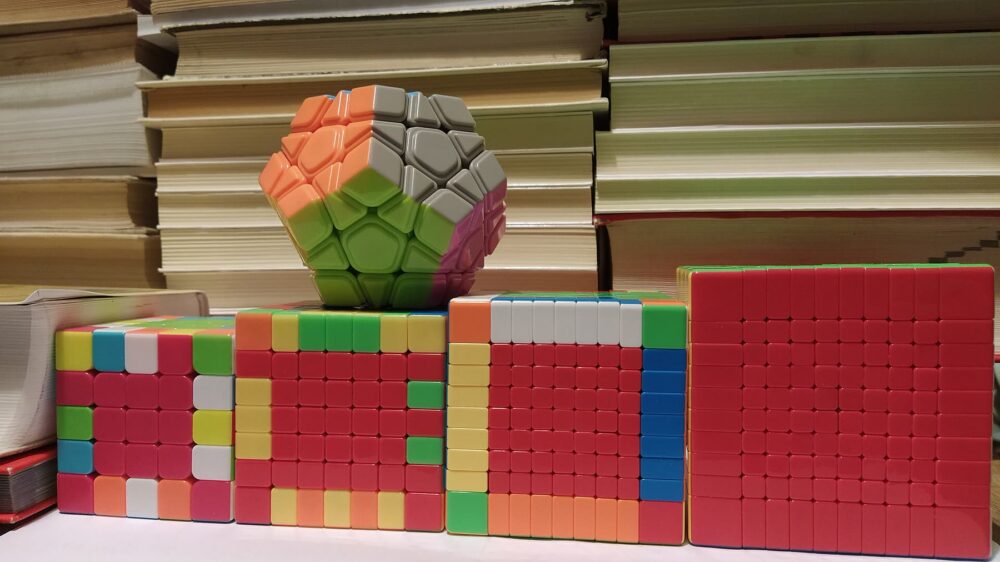
Dodecahedron puzzles and cubes sit at the crossroads of mathy geometry and twisty-puzzle culture. To actually learn and buy them, you’ll usually use three kinds of platforms: content sites and videos to learn solves, specialist cube shops for quality Megaminx-style puzzles, and large marketplaces (Amazon, Etsy, Alibaba, and others) for broad selection or cross‑border sourcing. The right mix depends on whether you’re a curious solver, a speedcuber, or running a small puzzle shop.
The Online Landscape Around Dodecahedron Puzzles and Cubes
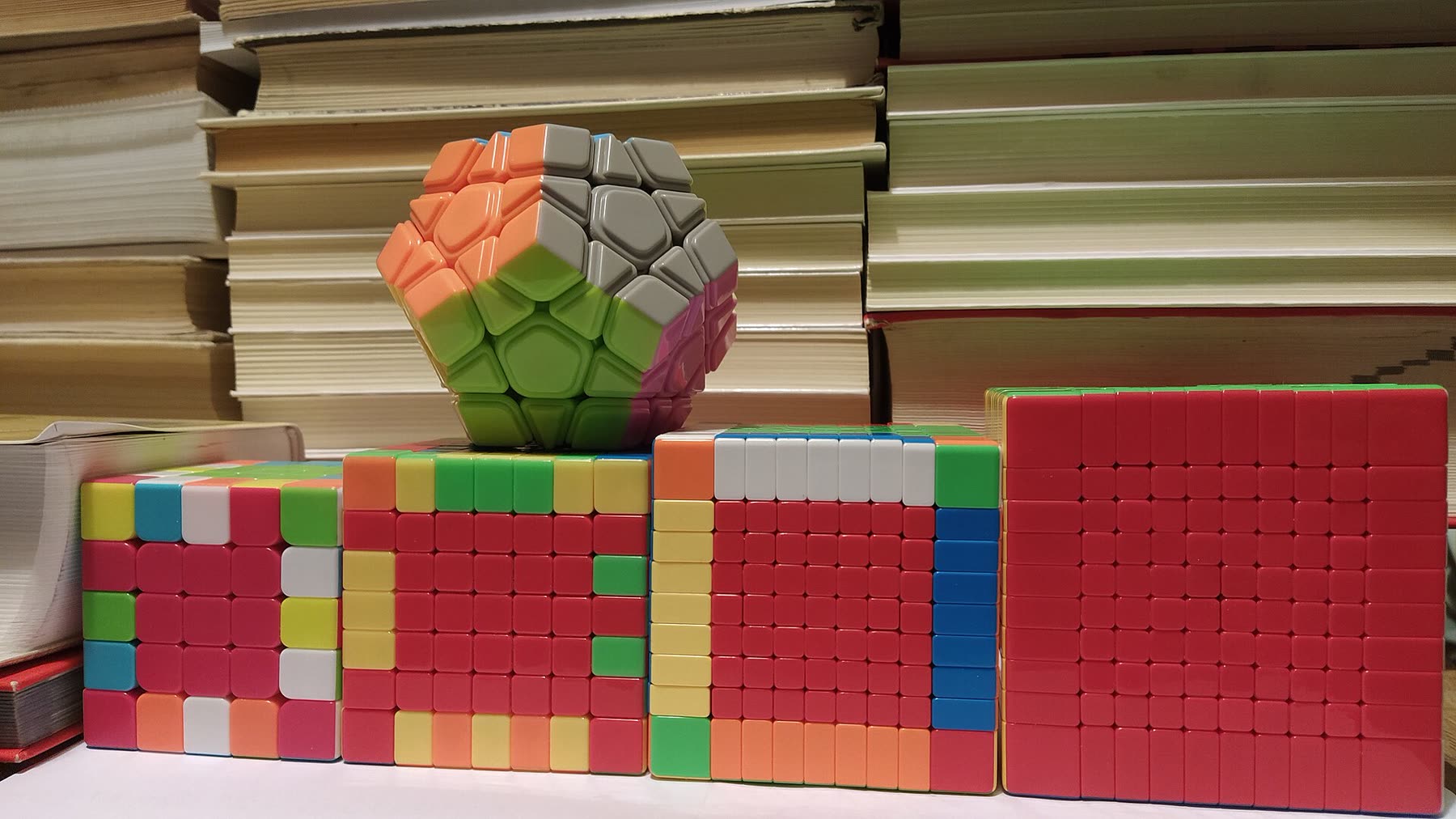
A regular dodecahedron has 12 pentagonal faces. The Megaminx takes that shape and turns it into a twisty puzzle: you rotate faces and layers much like a 3×3 Rubik’s Cube, but across 12 sides instead of six. That extra geometry means more pieces, more color sets, and longer solves, which is why Megaminx is the default “entry” dodecahedron puzzle for many cubers.
From there, platforms branch in a few directions:
- Twisty dodecahedron puzzles for solvers. Retailers such as Logicagiochi carry Megaminx-style puzzles within broader mechanical-puzzle catalogs, showing they treat these as part of a serious puzzle range rather than toys (Logicagiochi Megaminx listing).
- Speedcubing-focused dodecahedrons. Shops like SpeedCubeShop’s Megaminx and Petaminx section target solvers who care about turning feel, corner-cutting, and higher-order dodecahedrons.
- Designer and deep-cut variants. Chewies Custom Puzzles offers things like the Proper Dino Dodecahedron, a signal that some platforms cater to collectors searching for unusual mechanisms rather than standard Megaminx clones.
- Visual and desk-toy dodecahedrons. CMY Cubes’ Mundus is a dodecahedron form used as a color-shifting desk object, not a twisty puzzle. You’ll find these on artful toy sites and gift platforms.
- Casual gift-market puzzles. General gift marketplaces, such as UncommonGoods’ twist-and-solve dodecahedron puzzle, typically carry one or two SKUs aimed at non-specialist buyers.
For a US buyer or small ecommerce business, this landscape matters because it tells you where you’re likely to find good solve resources, where higher-end hardware lives, and which platforms only dabble in dodecahedrons as a novelty.
How Platform Types Actually Work for Dodecahedron Buying and Learning
You’ll interact with three big platform types: content/tutorial platforms, specialist puzzle shops, and broad marketplaces or gift sites. Each handles dodecahedron puzzles differently.
Content and Tutorial Platforms
YouTube channels and puzzle blogs are where most Megaminx learners start. Many tutorials explicitly compare Megaminx solving to the 3×3 cube—cross, first two layers, last layer algorithms—just stretched across 12 faces. That makes it practical to learn on any physical Megaminx you buy, whether from a cube shop or a marketplace.
Operationally, these platforms don’t sell you the puzzle. They:
- Teach layer-by-layer or advanced methods (e.g., speed-oriented solves).
- Review specific brands and models you can then hunt down.
- Point you to retailers like SpeedCubeShop or puzzle catalogs when they reference a particular cube.
If your main goal is “learn to solve,” this is your first stop, then you choose a retail route based on the hardware they recommend and your budget.
Specialist Cube and Puzzle Shops
Specialist shops treat dodecahedron puzzles as core inventory, not an occasional curiosity.
- Speedcubing-focused shops categorize Megaminx and higher-order dodecahedrons separately. On SpeedCubeShop’s Megaminx/Petaminx page, you can see how they group models by brand and difficulty, signalling a focus on performance puzzles for frequent solvers.
- Niche designers such as Chewies Custom Puzzles stock custom dodecahedron variants like the Proper Dino Dodecahedron, aimed at advanced collectors who want unusual cut patterns rather than familiar WCA-style hardware.
How they operate, in practice:
- Curated catalog: Limited but intentional selection; they vet puzzles for mechanism and appeal.
- Audience: Solvers, hobbyists, and collectors who already care about twist quality and uniqueness.
- Learning support: Often link out to tutorials or include basic tips, but rely on community content for in‑depth solving.
For a small ecommerce business, these shops are more about inspiration and benchmarking than bulk sourcing—they show what serious cubers consider “good” and give you models you might try to source via other channels.
Gift, Desk-Toy, and General Marketplaces
Platforms that primarily sell gifts and decor treat dodecahedrons differently.
- CMY Cubes’ Mundus dodecahedron is sold as a visually striking, color-shifting object; its “puzzle” is aesthetic appreciation, not a solve sequence.
- UncommonGoods’ twist-and-solve dodecahedron puzzle represents how a general gift marketplace might carry a single dodecahedron brainteaser as part of a broader novelty catalog.
Operational traits:
- SKU-level focus: A handful of dodecahedron items, often chosen for looks or gift appeal.
- Buyer relationship: One-off purchases; buyers rarely expect speedcubing performance.
- Learning: Minimal; you’re expected to treat the puzzle as a casual challenge.
If you’re a casual user shopping for a cool desk piece or a gift, this route can be enough. If you’re building a puzzle brand or training for competitions, you’ll quickly hit the ceiling of what these platforms offer.
Choosing the Right Platform Route for Your Dodecahedron Puzzle Goal
Platform choice gets easier if you anchor it to your goal: casual learning, serious solving, or inventory sourcing.
Quick Scenario Guide
Here’s how the main platform types line up for common goals:
| Goal / Profile | Best Learning Channel | Best Buying Channel | Dodecahedron Type You’ll See |
|---|---|---|---|
| Curious 3×3 solver Megaminx | YouTube tutorials on Megaminx methods | Specialist cube shop (e.g., SpeedCubeShop) | Standard Megaminx, maybe 2-3 brands |
| Advanced collector | Designer puzzle sites (Chewies blogs, forums) | Chewies Custom Puzzles, niche designers | Proper Dino Dodecahedron, custom variants |
| Desk-toy/office gift buyer | Short product videos, gift-site descriptions | CMY Cubes, UncommonGoods, similar platforms | Visual Mundus dodecahedron, simple twist |
| Small puzzle reseller (US) | Community reviews, tutorial channels | Marketplaces like Amazon, Etsy, Alibaba etc. | Mix of Megaminx clones and novelties |
Casual Learner: Extend Your Cube Skills
If you already solve a 3×3 and want to add a Megaminx:
- Learn on content platforms. Search for Megaminx tutorials that explicitly map steps from the 3×3; this keeps you from reinventing algorithms.
- Buy from a specialist shop. A site like SpeedCubeShop’s Megaminx catalog lets you pick a model that reviewers actually talk about in tutorials.
You don’t need wholesale access or designer-level variants; your platform mix is tutorial content plus one good retail cube.
Serious Cuber or Collector: Go Deeper into Dodecahedrons
If you care about mechanism diversity and unusual challenges:
- Use specialist shops as a baseline for standard Megaminx and higher-order puzzles.
- Add designer platforms such as Chewies Custom Puzzles’ dodecahedron section when you want unconventional cuts or jumbling behavior.
Here, content is a mix of YouTube, puzzle blogs, and sometimes designer documentation. General marketplaces are secondary; they rarely surface these niche designs well.
Small Ecommerce Seller: Testing Dodecahedron Inventory
If you run a small puzzle or STEM-toy shop and want to test dodecahedrons:
- Use specialist cube shops and designer sites to understand which models experienced solvers actually find interesting.
- Source test inventory via large marketplaces where many factories and brands list Megaminx-style or dodecahedron puzzles, then refine suppliers based on sample quality.
For broad cross-border sourcing, marketplaces like Amazon, Etsy, Alibaba, and DHgate all host 3D cube gadgets and puzzle balls. DHgate’s own blog mentions Megaminx among popular cube-style gadgets, which shows it’s one marketplace where such products appear, but it doesn’t tell you which specific puzzles or sellers will suit your business. On any of these platforms, treat seller pages and product listings as your primary data: check photos, descriptions, and buyer feedback, and start with small trial orders rather than assuming platform-wide quality.
As your sales data comes in, you can graduate from opportunistic marketplace sourcing to more stable supplier relationships—still using content platforms and specialist shops as your benchmark for what serious puzzlers expect.
For broader context on how marketplaces differ beyond puzzles, you can look at overviews such as online marketplaces and shopping platforms and comparisons like DHgate vs. AliExpress, Alibaba and Temu, then map those dynamics onto your dodecahedron puzzle plans.