
Most 1984 Kennedy half dollars are not hidden jackpots. A typical 1984 coin from your pocket—especially one with wear—is usually worth about face value (50 cents). Uncirculated examples from Philadelphia (no mintmark) or Denver (“D” mintmark) can bring a couple of dollars, and the San Francisco proof issues (“S” mintmark) or certified high‑grade pieces can be worth more. You only get into genuinely higher prices if your coin is a proof, a top‑grade Mint State, or a documented mint error.
Below, we’ll walk through how to tell which type you have, what it’s roughly worth, and where it actually makes sense to sell it.
What Is a 1984 Kennedy Half Dollar Worth Today?
For 1984, the U.S. Mint struck Kennedy halves at three mints:
- Philadelphia (1984‑P, no mintmark on obverse) – standard circulation strikes.
- Denver (1984‑D) – standard circulation strikes.
- San Francisco (1984‑S) – proof coins, made in far lower quantities than P and D.
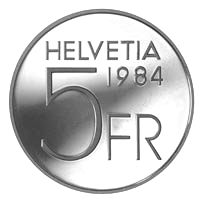
(Visual note: The image above shows a non‑US 1984 coin; your Kennedy half will look different but it’s a reminder that date and design matter when checking value.)
Value breaks down mostly by mint and condition:
- 1984‑P and 1984‑D, circulated (worn)
These were minted by the tens of millions. In typical pocket‑change condition they trade around face value. A dealer may pay a little more if they’re buying bulk, but for a single coin you’re usually looking at about 50¢.
- 1984‑P and 1984‑D, uncirculated / BU (Brilliant Uncirculated)
Raw BU examples—bright luster, no obvious wear—often sell online in the low single‑digit dollar range per coin. Market snapshots like CoinValueChecker’s overview and live marketplace listings show BU 1984‑D halves offered around a few dollars.
- 1984‑S proof (mirror‑like surfaces)
Proofs were struck only at San Francisco and in much smaller numbers than regular P/D coins, making them scarcer. In choice proof condition (still showing strong cameo contrast and minimal marks), they typically command a premium over common circulated 1984‑P/D halves, often in the mid‑to‑high single‑digit dollar range according to listings like USA Coin Book’s 1984‑S Kennedy proof.
These are broad bands, not guarantees—individual sales depend on photos, buyer demand at that moment, and whether the coin’s truly high grade.
Why Some 1984 Half Dollars Sell for More: Mintmark, Grade, and Errors
Most 1984 halves are very common, but three things can move your coin out of the pocket‑change category.
1. Mintmark and proof status
San Francisco made far fewer proof 1984‑S halves than Philadelphia and Denver made circulation strikes, so proof coins start out rarer. If your coin has an “S” and deep, mirrored fields with frosted devices, it’s a proof and typically worth more than a worn P or D coin. Clean, attractive proofs with strong “cameo” contrast draw collector interest.
2. Condition and third‑party grading
Grade is the other big driver. Common‑date coins like 1984 can still be interesting to registry collectors when they’re certified in top Mint State or Proof grades. Third‑party services such as PCGS and NGC specialize in this. High‑grade modern halves that sit near the top of the population—so‑called “top‑pop” coins—can sell for multiples of an identical raw coin, because collectors trust the grade and pay for the assurance.
But grading is not cheap. If your raw 1984 half looks like ordinary BU, the grading fee plus shipping can exceed the coin’s market premium. Grading only makes economic sense if:
- The coin appears flawless under magnification (no contact marks, strong luster), or
- It’s an obvious high‑quality proof with particularly good cameo contrast, or
- A specialist dealer thinks it might reach a top grade that collectors chase.
3. Errors and unusual varieties
Documented mint errors and unusual varieties can attract strong bids. For example, off‑center strikes, dramatic misalignments, or major die breaks on a 1984 half would normally sell above guide prices because they’re scarce and visually striking.
Resources like CoinValueChecker’s 1984 value page flag that error coins routinely fetch more than standard issues, though specific premiums depend on severity and certification.
If you suspect an error (design not centered, doubled lettering, missing elements), avoid cleaning the coin and get a local dealer or error‑coin specialist to take a look before listing it casually.
Best Places to Sell a 1984 Half Dollar and How Fees Change Your Net
Where you sell should match the level of value you’re dealing with. Here’s a practical mapping from value tier to selling channel, with the hidden costs called out.
| Coin type / value level | Good selling channel | Typical outcome for a single coin (editorial judgment) |
|---|---|---|
| Worn 1984‑P or 1984‑D (about face value) | Spend, bank, or roll for change | You effectively get 50¢; effort of selling isn’t worth more. |
| Nice raw BU 1984‑P/D (low single‑digit dollars) | Local coin shop or casual online sale | A few dollars per coin; shop may pay less but you avoid listing fees and shipping. |
| 1984‑S proof in solid proof condition | Online marketplace or coin dealer | Premium over P/D coins; good photos and proof description help. |
| Certified high‑grade or major error 1984 half | Specialist dealer or auction venue | Potential strong collector bids, but auction commissions and grading costs apply. |
Local coin shops
For common circulated 1984 halves, a local shop is often the easiest stop. They may fold them into bulk modern half‑dollar inventory and pay you close to face value, maybe a bit more for BU rolls. The upside is zero shipping, instant payment, and no platform commissions. The downside is that shops need margin, so they won’t pay “retail” collector prices.
Online marketplaces (eBay, USACoinBook, etc.)
If you’ve got BU 1984‑P/D coins or a decent 1984‑S proof, online marketplaces let you reach more collectors:
- On general marketplaces, you’ll see BU 1984‑D halves listed around a few dollars, as noted by snapshot tools such as CoinValueChecker.
- Platforms like USACoinBook host both fixed‑price and auction listings for specific dates and mintmarks.
You’ll need to factor in:
- Seller commissions and payment processing fees.
- Shipping costs and, for higher‑value coins, optional insurance.
- Your time to photograph, describe, and manage the listing.
For a coin that might only sell for $3–$6, those costs can eat most of your profit. Online marketplaces begin to make more sense when the coin’s worth well above the combined fees, or you’re selling multiple coins together to spread those costs.
Auctions and specialist dealers
If you genuinely have a top‑graded or dramatic error 1984 half, talk to a specialist dealer or auction house rather than throwing it into a casual listing. They can:
- Help confirm whether it’s worth grading.
- Place it in front of the right bidders.
In exchange, expect seller commissions. That can still be worthwhile if the realized price is high enough; rare modern errors and top‑pop grades can surprise you, but only after expert validation.
Brief note on DHgate
DHgate is a cross‑border marketplace used heavily for bulk and wholesale buying—often replica or novelty coins and coin‑themed merchandise, not original U.S. Mint issues. If you’re a small business looking to source inexpensive coin‑style items in quantity, it can be one of the platforms to compare. For selling a single genuine 1984 Kennedy half dollar, though, DHgate isn’t a natural fit; you’ll usually get better results through coin‑focused venues like local shops, general marketplaces with strong numismatic traffic, or specialist auctions.
Quick prep checklist before you sell
A little prep helps you avoid leaving money on the table:
- Confirm the mintmark and type – Check for P (no mintmark), D, or S, and whether the coin is a proof (mirrored fields, frosted devices).
- Assess condition without cleaning – Look under good light for wear, marks, and luster. Do not polish or scrub; cleaning can slash collector value.
- Scan price guides and live listings – Use tools like CoinValueChecker’s 1984 page and current marketplace listings to see realistic asking and sold ranges.
- Decide if grading is worth it – Only consider PCGS/NGC for coins that might truly be high‑end or rare; otherwise, fees will likely exceed any premium.
- Match channel to value – Pocket‑change coins can just be spent. Proofs, BU coins, and possible errors deserve at least a shop visit or targeted listing.
If you walk through those steps, you’ll know whether your 1984 half dollar is just a nostalgic 50‑cent piece or a small but real collectible—and you won’t waste grading fees or marketplace commissions chasing value that isn’t there.