

Nano aquarium heaters for small tanks are usually easy to find in US retail channels, but DHgate can be useful if you’re hunting for low-cost stock or OEM options. The catch: you have to match the heater’s wattage and size to your tank, then scrutinize DHgate listings and seller history yourself, because no central data here confirms that any specific nano heater is available or certified.
Below is a practical way to decide whether DHgate is the right place to source nano heaters, and how to search and vet what you find.

What Nano Aquarium Heaters Are and Why Buyers Look for Them
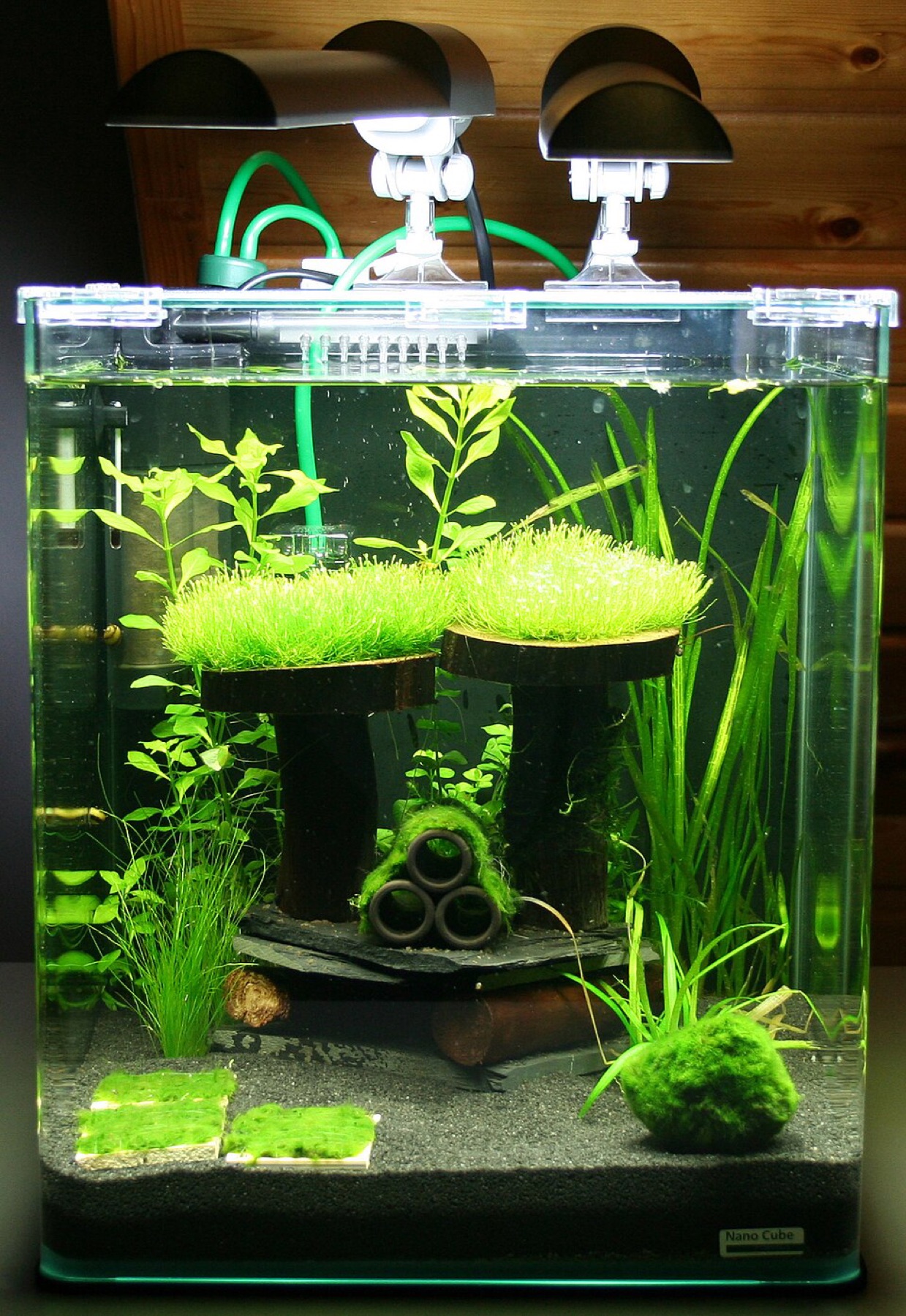
A nano aquarium heater is simply a compact heater designed for small tanks — typically desktop and countertop aquariums in the 2-10 gallon range, like betta tanks, shrimp jars, and planted nanos. These heaters focus on targeted heating in a limited volume of water, rather than warming a whole room.
From a use-case perspective:
- Individual hobbyists want a small heater that keeps a single betta or shrimp colony stable.
- Small ecommerce shops may bundle nano heaters with nano tanks or sell them as add-on accessories. Margin often comes from buying in bulk cross‑border and reselling domestically.
DHgate’s own editorial around small heaters describes them as compact devices that provide targeted heat in small spaces, such as bedrooms or dorm rooms. That same logic applies in aquariums: you’re trying to warm a small, defined volume safely, without a bulky device dominating the tank.
If you plan to import, you’re balancing savings and variety against the complexity of vetting off‑brand hardware and managing cross‑border quality risk.
Decide Your Nano Heater Specs Before You Even Open DHgate
You’ll save time and avoid mismatches if you decide your required specs up front and then use those as a checklist against any DHgate listing.
1. Tank size and wattage
For nano tanks, you’re usually in the 15-50W range:
- Tiny betta jars (1-3 gallons) often use ~15-25W.
- Small nanos (3-7 gallons) often sit around 25-40W.
- Larger nanos (8-10 gallons) may need closer to 50W.
This isn’t a guarantee for any specific product; it’s a sizing starting point. When you open a listing, look for:
- Stated wattage (e.g., 25W) and
- A claimed recommended tank size or water volume.
If the listing doesn’t clearly connect wattage to tank size, treat that as a warning sign.
2. Form factor and control type
Key choices you should lock in:
- Preset vs adjustable: Preset heaters often sit at ~78°F/25-26°C, while adjustable models let you dial in a temperature for more sensitive species.
- Internal vs external: Most nano heaters are compact internal units that hide behind decorations or a filter; external inline heaters are rarer at nano scale.
- Shape and footprint: Thin stick or flat-panel designs are easier to hide in aquascapes than chunky tubes.
Write down your preferred control type (preset vs adjustable) and maximum dimensions. You’ll match these directly against DHgate photos and descriptions.
3. Safety features to insist on
Heating the small volume of a nano tank makes safety non‑negotiable, since temperature can swing fast.
Good small-heater guidance — echoed in DHgate’s own editorial on compact heaters — highlights features like:
- Overheat protection: Automatically cuts power if the unit gets too hot.
- Tip‑over or out‑of‑water shut‑off: For aquarium use, you want a heater that powers down when not properly submerged.
- Cool-touch outer housing: Reduces burn risk if humans or animals contact the heater.
- Recognizable safety marks: For US use, look for UL or ETL marks on the product images or packaging, then treat them as claims to verify when you receive samples.
You cannot assume DHgate sellers are consistently certified; you can only check whether individual listings claim these features and then test/inspect samples yourself.
4. Business-side choices
If you’re a small ecommerce seller, decide:
- Target price band for landed cost per heater.
- Preferred packaging style (plain box vs retail-ready branding).
- Minimum acceptable defect rate (your own internal tolerance, since you’ll be handling returns).
Those decisions help you judge whether a DHgate seller’s MOQ, pricing, and spec clarity are acceptable before you commit.
Step‑by‑Step: Searching and Vetting Nano Aquarium Heater Listings on DHgate
You won’t see “nano aquarium heater” as a neatly curated category. You’re doing your own search and filter work. Here’s a concrete workflow based on DHgate’s sourcing guidance and how small heater specs map into real listings.
1. Start with targeted search queries
Go to DHgate’s homepage and use the top search bar. Try several query variations because sellers use different language:
- `nano aquarium heater`
- `mini fish tank heater`
- `25w aquarium heater small`
- `betta tank heater adjustable`
Each query will surface a mix of aquarium gear and sometimes unrelated small heaters; you’ll narrow from there.
2. Use filters to cut noise
DHgate’s sourcing advice emphasizes using filters to narrow results. Once you see a product grid:
- Filter by category so you’re in aquarium or pet supplies, not general room heaters.
- Use power/wattage or spec filters where available (e.g., 25W) to keep results in nano territory.
- If you’re a business buyer, explore MOQ/wholesale filters when visible to focus on bulk‑friendly listings.
This doesn’t guarantee quality, but it moves you closer to heaters that are physically appropriate for nano tanks.
3. Read listings like a spec sheet, not an ad
DHgate’s shopping guidance stresses that listings carry specs, images, prices, and seller ratings — you’re expected to study them.
For each candidate heater, check:
- Wattage and recommended tank size: Does it clearly state both, or only wattage?
- Dimensions and placement: Length, thickness, cable length, and photos showing it in a small tank.
- Safety features claimed: Look for “overheat protection,” “auto shut‑off,” “waterproof,” and any UL/ETL logos in images.
- Control style: Is it preset or adjustable? Where is the thermostat — in‑line controller or on the heater body?
If any of these are missing or obviously copy‑pasted from a different type of heater, move on.
Here’s a simple comparison grid you can recreate in a spreadsheet while you browse:
| Listing note | Acceptable for nano use (editorial) | Red flag in DHgate context |
|---|---|---|
| Wattage & tank size stated | Yes, e.g., “25W for 2-5 gallon” | Only wattage listed, no volume guidance |
| Safety features listed | Mentions overheat & auto shut‑off | No safety wording anywhere |
| Photos in small tank | Shows heater in nano/betta setup | Only generic product renders |
| Control description | Clear preset/adjustable explanation | Vague “smart heater” marketing text |
| Certification marks | UL/ETL logos shown (to verify later) | No mention of any compliance |
This isn’t a guarantee, but it makes your decision more systematic.
4. Vet seller history, not just the product
DHgate’s own editorial on finding good sellers points out that many different sellers can offer similar products with different prices, MOQs, and reliability.
On each listing’s seller panel, look for:
- Star rating and feedback volume: Higher scores and more transactions suggest the seller has a track record.
- Years active: Sellers that have been active for multiple years are usually more stable than brand‑new accounts.
- Review content: Don’t just glance at the stars. Read a handful of reviews specifically mentioning heaters or aquarium gear, and watch for repeated complaints about failures, overheating, or non‑US plugs.
For cross‑border nano heaters, you’re trying to avoid sellers who:
- Have sparse or generic reviews.
- Mix lots of unrelated products (clothes, electronics, homeware) with a handful of aquarium items and no clear specialty.
For deeper background on general seller-vetting tactics, see DHgateWiki’s guide to finding trusted sellers on DHgate.
5. Request samples before committing to bulk
DHgate’s ecommerce sourcing advice repeatedly recommends ordering samples before large purchases. For nano heaters, this step is essential because you’re dealing with electrical hardware in water.
For any heater you’re considering for resale:
- Order a small test batch and run it on a real nano tank for several days.
- Check temperature stability versus an independent thermometer.
- Inspect the build quality, plug type, cord insulation, and any printed certification marks.
If samples are inconsistent or you discover safety concerns, treat that as the cost of avoiding a much larger loss and move to another seller or channel.
6. Decide when DHgate is the wrong tool
Because no nano aquarium heater listings were verified in the data backing this article, we can’t point to a specific product or seller that is known to be available or compliant right now. That’s a sign you shouldn’t force DHgate into your plan if:
- You need fast, low-risk stock for a pet store or brand where liability is a big concern.
- You rely on specific brand reputations (Aqueon, Fluval, Hygger, etc.) that may be easier to source from domestic distributors or Amazon.
For hobbyist one‑off purchases, or for shops willing to do their own safety testing and absorb sample risk, DHgate can still make sense as a broad marketplace for small heaters where some models happen to be aquarium‑friendly.
If your tolerance for failure is low, consider pairing this workflow with domestic options, and use DHgate only once you’ve proven a specific heater meets your standard.
For broader marketplace context, you can also review DHgateWiki’s overview of what DHgate is and how the marketplace works and our DHgate order-readiness checklist before you place any cross‑border hardware order.