
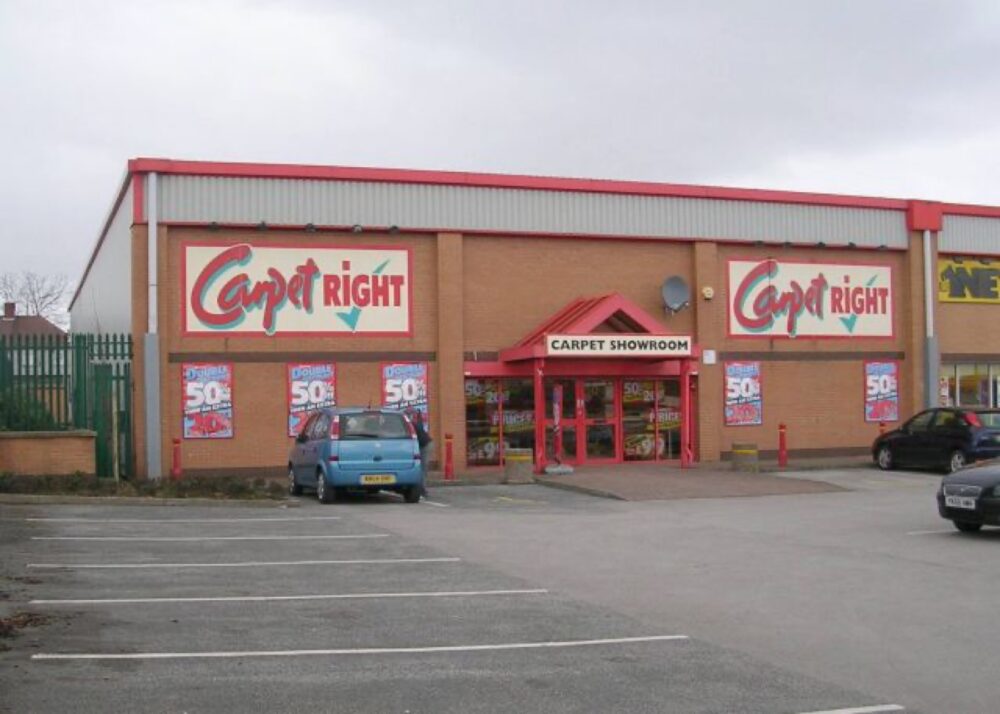
Carpet sourcing and retail decisions start with your use case: are you buying a single rug for your living room, stocking an online rug shop, or fitting out an office with broadloom rolls? For US buyers and small ecommerce businesses, the best platform depends on how much volume you need, whether you want installation and design help, and how comfortable you are with import and quality risk. Big-box home centers, online marketplaces, specialist carpet retailers, and wholesale/import platforms all play different roles—and in some situations, the right answer is to avoid cross-border sourcing altogether.
How Carpet Sourcing and Retail Platforms Shape Today’s Market
“Carpet sourcing” describes how retailers and small businesses procure carpets—direct from mills, via wholesalers, or through marketplaces. “Retail” is how those carpets reach end buyers, whether online or in-store.
Industry reports on the U.S. area rug segment suggest moderate growth through the 2026-2027 window, driven by ongoing home renovation and design refresh cycles and a steady share of imported product.[rugindustry.com overview] As imports grow and design variety expands, platforms increasingly differentiate by service level and specialization rather than just price.
Commentary on the UK carpet market highlights a structural split: premium segments growing while some traditional retail channels struggle.UK market example. That’s a different market, but the pattern is useful: higher-end buyers often gravitate toward specialist retailers and design-led brands, while value-focused buyers migrate to generalist chains and marketplaces.
Online, you now see three broad platform families intersecting with this trend:
- General retail marketplaces and home-goods sites serving millions of one-off rug purchases.
- Big-box home improvement chains using large assortments and promotions to compete on convenience and price.
- Specialist carpet retailers and trade-focused wholesalers that lean into expert advice, installation, and warranties.
Understanding how each type operates is what lets you match your project to the right channel.
The Main Types of Carpet Platforms and How They Work
1. Big-box home improvement retailers
Large chains such as Home Depot and Lowe’s are prominent carpet channels in the US. Editorial coverage notes that they use wide assortments and frequent sales or bundle deals to attract budget-conscious buyers, creating a competitive landscape on price and convenience.Big-box overview
The trade-off is service depth. Because these stores handle high customer volume across many categories, the shopping experience can feel less personalized than a smaller specialist shop. You typically get:
- Large in-stock selection of broadloom and carpet tile
- Online tools like visualizers and cost estimators
- Access to basic installation services
You don’t necessarily get nuanced advice on fiber construction, long-term wear in specific commercial settings, or niche design collections.
2. Online home-goods platforms and rug sites
Online furniture and decor retailers like Wayfair, plus niche rug sites such as Rugs USA or boutique-style shops, focus mainly on area rugs and small carpets. DHgate’s own editorial blog describes these platforms as carrying a wide range of styles, materials and sizes that cater to one-off home purchases—from traditional Persian-style designs to modern geometrics.Rug retailer context
Operationally, these platforms:
- Aggregate many brands and styles into a searchable catalog
- Emphasize photography, filters, and user reviews
- Optimize for parcel shipping and simple returns
They’re a strong fit when you want a few decorative rugs and don’t need onsite measurement or installation. They’re less ideal for large, continuous commercial carpeting or tightly specified building projects.
3. Specialist carpet retailers and local showrooms
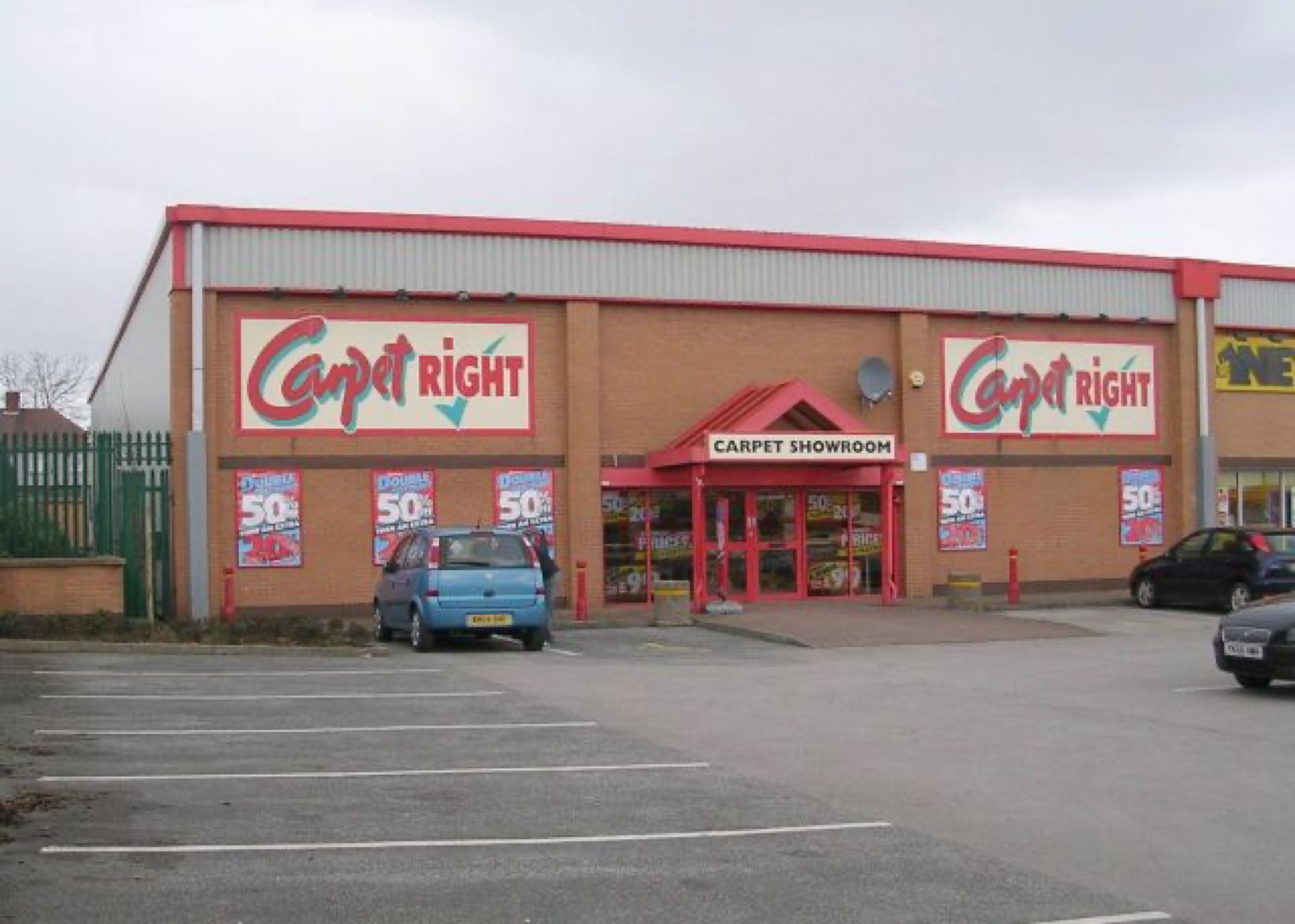
Specialist carpet retailers—often regional chains or independents—position themselves around service and expertise. A typical example is a retailer offering in-home consultations, installation services, and product warranties for residential carpet projects.Service example
While offerings differ by retailer, you often see:
- In-home measurement and advice on fiber, pile, and pad
- Coordination of professional installation
- Some level of workmanship and product warranty (terms vary)
For buyers with complex floorplans, high-traffic commercial spaces, or performance-sensitive applications, the combination of product curation and hands-on support can matter more than incremental price differences.
4. Wholesale/import and cross-border marketplaces
Separate from consumer-focused platforms are marketplaces that connect buyers with overseas manufacturers and trading companies. These channels are used by ecommerce sellers, small retailers, and sometimes commercial buyers to source:
- Bulk area rugs for resale
- Custom-size or branded pieces
- Broadloom rolls, tiles, and other commercial formats
This route trades lower unit pricing and customization options for higher complexity: you take on more responsibility for vetting suppliers, understanding materials, and managing lead times and potential import issues.
Quick Comparison: How Platform Types Differ
The table below summarizes practical differences you’ll see as a US buyer or small ecommerce business. It’s editorial guidance, not a ranking.
| Platform type | Typical use case | Price/volume behavior | Service & support (general) |
|---|---|---|---|
| Big-box home improvement retailers | Home re-carpeting; DIY + basic install | Competitive pricing, frequent promotions | Limited personalization; standardized install |
| Online home-goods & rug sites | 1-5 area rugs for home or small office | Wide price range; optimized for single orders | Online-only support; no on-site services |
| Specialist carpet retailers/showrooms | Residential & light commercial projects | Often mid-to-premium; focus on fit & performance | In-home consults, installation, warranties |
| Wholesale/import marketplaces | Resale inventory; custom projects | Pricing oriented around bulk and customization | Seller-specific; buyer must manage verification |
For cross-border marketplaces, every seller listing effectively behaves like its own micro-store. You evaluate the offer (materials, specs, MOQs, price range) and the seller’s track record individually rather than relying on a single retail brand.
Choosing the Right Carpet Platform for Your Buying Scenario
The best channel depends on your scenario. Here’s how the trade-offs look—and where a cross-border marketplace like DHgate enters the picture.
Scenario 1: One-off home upgrade (1-3 rooms or a few rugs)
If you’re carpeting a couple of rooms or buying a handful of rugs:
- Big-box retailers are strong if you want a mix of price, selection, and access to basic installation services.
- Online home-goods platforms and rug sites work well when you’re focused on design and don’t need wall-to-wall installation.
- Specialist retailers make sense if you care about higher-end fibers, nuanced style guidance, or specific performance needs (pets, heavy traffic).
Cross-border sourcing typically isn’t worth the added complexity for this use case; any savings can be eaten up by uncertainty around quality, returns, and timing.
Scenario 2: Small ecommerce rug shop or marketplace seller
If you’re building a small online rug business, your needs shift toward assortment, margin, and repeatability.
Domestic options include:
- Buying from US wholesalers or off-price retailers and reselling curated selections.
- Partnering with specialist retailers or distributors that offer dealer programs.
Cross-border marketplaces can expand your options. For example, around 2026-10-10, DHgate listed multiple carpet and rug products from different sellers, such as:
- Broadloom rolls marketed for retail spaces: Durable Loop Pile Carpeting for Sale (Customize Carpets category; listed in a low per-unit USD price range).
- Customizable carpet tiles: Solid-Color Loop Pile Carpet Tiles (Customize Carpets category; mid-single-digit USD price range per unit).
- Design-led area rugs and floor mats aimed at home use: Checkerboard Series Print Carpet, Cow Style Imitation Leather Carpets, and Home Bathroom Solid Color Carpet, each with their own titles, categories, and price ranges.
Listings and prices can change, and each comes from a different seller with distinct experience levels and histories. As a buyer, you’d need to:
- Compare product specs carefully (fiber, backing, dimensions, intended use).
- Decide whether the offered price range supports your resale margin after shipping and potential duties.
- Assess seller track record and communication responsiveness on a case-by-case basis.
This route can work if you’re comfortable with hands-on supplier management and can absorb the learning curve. If not, domestic wholesalers or established rug brands may be safer even at higher unit costs.
For a deeper look at how DHgate as a marketplace operates relative to other platforms, you can read What DHgate is and how the marketplace works and our broader online marketplaces and shopping platforms comparison.
Scenario 3: Commercial fit-out or repeat trade projects
If you’re outfitting offices, retail units, or multi-family housing, priorities include performance, code compliance, and reliable installation.
In many cases, specialist carpet retailers or trade-focused wholesalers are the most practical channels. They can advise on:
- Suitable constructions for traffic and maintenance
- Coordination with installers and building schedules
- Brand and product lines with known performance records
For projects where failure is expensive—like office common areas or retail flagship spaces—most small US buyers are better served by domestic specialist channels unless they have prior experience working directly with overseas manufacturers.
How to decide your platform route quickly
Ask yourself three concrete questions:
- Order profile – Is this a single consumer project, or will you reorder similar products regularly for resale or multiple locations?
- Service need – Do you need in-home measurement, installation, and warranties, or just product shipped to your door?
- Risk tolerance – Are you prepared to vet suppliers, manage variable lead times, and handle import complexity, or do you prefer predictable, brand-backed retail experiences?
If you need service and predictability, lean toward specialist retailers and big-box chains. If you need variety and easy one-off purchases, consumer online rug platforms are efficient. If you need margin and differentiation, and can handle more operational risk, cross-border marketplaces—including DHgate and peers you can compare in DHgate vs AliExpress, Alibaba and Temu—may belong in your sourcing mix.