
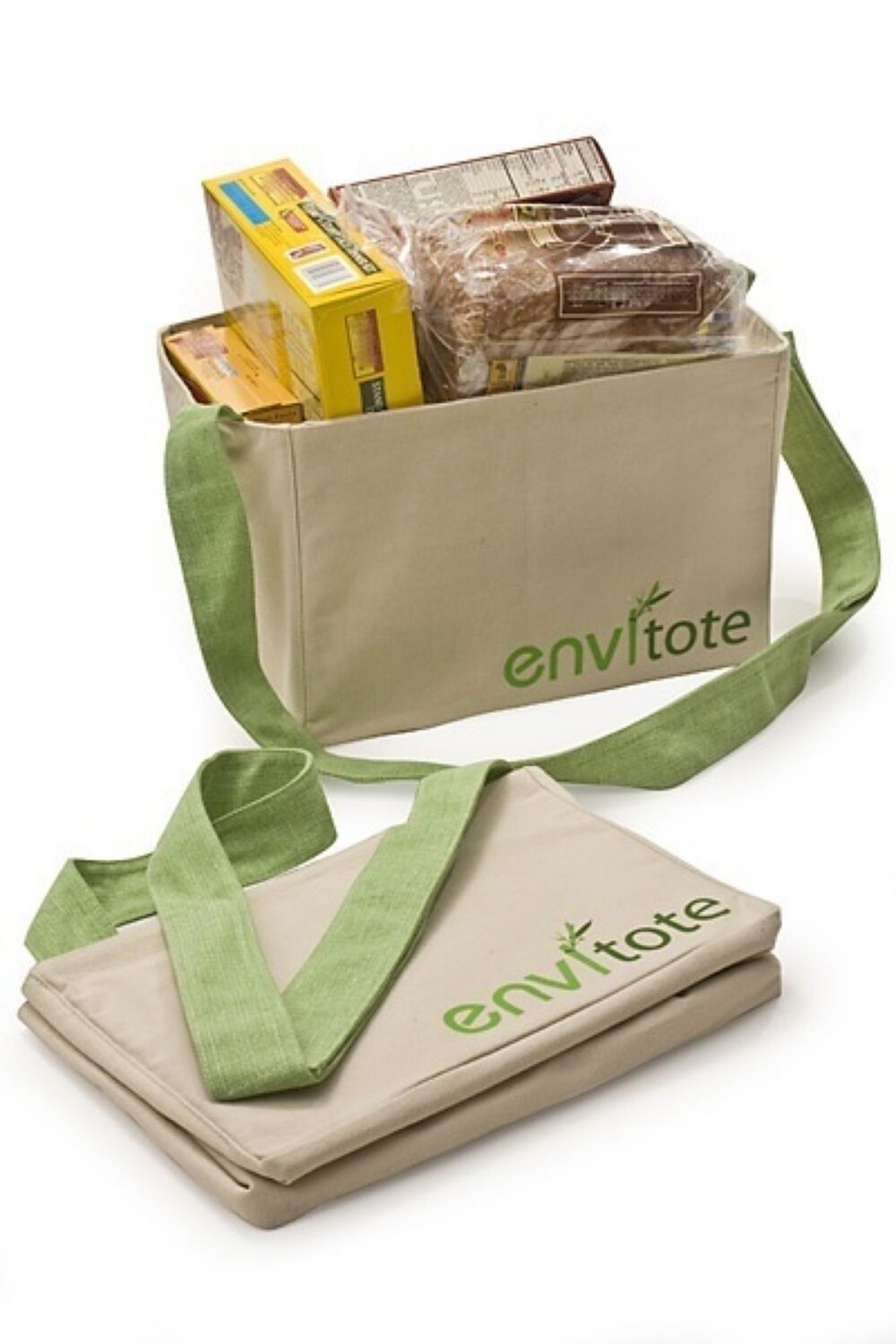
Reusable grocery and shopping bags from Amazon cover almost every style—canvas totes, foldable nylon, non‑woven polypropylene, and more—but their durability and size vary widely by material and construction. If you want a bag that actually survives weekly grocery runs, focus less on brand names and more on fabric type (cotton, canvas, jute, polyester, nylon, recycled plastic, hemp, NWPP, mesh), reinforced seams, handle length, and clear capacity measurements. From there, Amazon works well for everyday shoppers, while big-box stores, specialty brands, and cross-border marketplaces can be better for heavy loads or bulk sourcing.
What Makes a Reusable Grocery Bag Durable and Practical?
Most marketing copy promises “heavy duty” and “eco-friendly.” The features that matter in real use are more specific:
1. Fabric and material Common reusable bag materials include cotton, canvas, jute, recycled plastic, hemp, polyester, non‑woven polypropylene (NWPP), and string/mesh styles.
- Cotton/canvas: soft and comfortable, good for everyday shopping. They can wear faster if you overload them or wash aggressively.
- Polyester/nylon: strong synthetic fibers that handle heavier loads (think multiple milk jugs and cans) and resist moisture; often used in foldable pocket bags.
- Jute/hemp: coarse, very sturdy natural fibers that can handle heavy items but weigh more and can be harder to clean.
- NWPP and recycled plastic: lightweight and water‑resistant, often used for supermarket-branded totes.
- Mesh/string bags: great for produce where breathability matters, but not ideal for small items or bottles.
2. Stitching and seams Durability often comes down to how the bag is built:
- Box‑stitched or cross‑stitched handles are less likely to rip when the bag is loaded with bottles and cans.
- Double‑stitched side seams and reinforced bottoms help the bag keep its shape and avoid splitting.
A bag that is well‑made can replace many single‑use plastic bags over its lifespan—if you use it within its design limits and keep it clean.
3. Handle design and comfort Handle length determines how you carry the bag:
- Short handles: better for lifting heavy loads from cart to trunk; less shoulder strain but awkward for long walks.
- Long handles: easier to carry on the shoulder, useful if you walk or take transit with groceries.
Wide, padded, or fabric‑wrapped handles distribute weight, which matters when you’re carrying, for example, two gallon jugs, a loaf of bread, and several canned goods in one bag.
4. Capacity and shape Capacity numbers vary, but think in terms of real loads:
- Standard “paper bag” style totes can usually handle a family dinner shop—one gallon of milk, a juice carton, produce, and boxed pantry items—without bulging.
- Large trunk organizers or boxy totes can replace two or three typical supermarket plastic bags per trip.
Look for dimensions (length × width × height) and any weight guidance in the listing. Boxy shapes that stand upright are easier to pack than floppy bags.
5. Foldability and storage Foldable nylon or polyester bags that stuff into a pouch or pocket are more likely to be used because they fit in purses, glove compartments, or backpacks. Bulkier jute or canvas bags are better for planned big shops, but you may not have them on hand for impulse stops.
6. Cleaning and care Reusable bags get dirty quickly. If you carry raw meat or produce, machine‑washable or easily wipeable materials (polyester, nylon, some canvas) are easier to keep in rotation. Bags that must be hand‑washed or air‑dried carefully tend to get used less often, shortening their practical life.
How Amazon Reusable Grocery Bags Compare With Other Marketplaces
Amazon is many shoppers’ first stop for reusable grocery bags, but it isn’t the only channel. The main differences across marketplaces are assortment depth, how clearly size/durability are described, and whether listings are designed for single‑bag purchases or bulk orders.
Amazon’s consumer assortment
Amazon maintains a frequently updated bestseller list for kitchen reusable grocery bags, which highlights what people are actually buying most often for everyday use (Amazon Best Sellers: Kitchen Reusable Grocery Bags). These listings often feature:
- Heavy‑duty totes with long handles and reinforced bottoms that stay upright in a cart.
- Sets of foldable polyester or nylon bags that stuff into pods or pouches.
- Non‑woven polypropylene grocery totes with supermarket‑style proportions.
Amazon also surfaces curated “earth-friendly” search results for reusable shopping bags that emphasize durable, foldable, washable totes (earth-friendly reusable shopping bags). Many of these listings highlight machine washability, compact storage, and medium‑to‑large capacities suitable for grocery runs.
Independent editorial testing lines up with these focus areas. One review that tested multiple reusable grocery bags looked specifically at durability, ease of filling and carrying, and how easily each bag could be stowed away between trips (Serious Eats reusable grocery bag review). Those are the same dimensions you should weigh against any marketplace listing.
Other retail channels
Big-box stores and supermarkets often sell reusable bags near checkout. Their advantages:
- You can physically check the fabric thickness, handle stitching, and size.
- Branded totes tend to mimic standard paper bag dimensions, which are familiar for packing.
Their downside is limited variety on materials and designs compared with online marketplaces.
Specialty brands (often featured in editorial roundups) focus on premium fabrics and long‑term durability. These bags can cost more per piece but may be better suited for very frequent, heavy use.
Cross-border marketplaces, including DHgate
Cross-border platforms offer a different kind of value: access to more suppliers and sometimes bulk or multi‑pack listings that target small retailers or group buyers.
A snapshot of DHgate listings retrieved on 2026-09-23 illustrates this:
Listings and prices can change, but even this snapshot shows:
- A mix of nylon heavy‑duty bags similar in concept to Amazon’s foldable grocery totes.
- Cotton mesh produce bags that overlap with specialty “farmers market” styles.
- Large‑quantity packs (in the hundreds or more) targeted at buyers who need many bags at once.
If you explore DHgate or other cross-border marketplaces, treat material and capacity claims as seller descriptions and check dimensions, fabric type, and photos carefully—especially before ordering bulk quantities.
Best Channels for Different Buyers: Everyday Shoppers vs Small Ecommerce Brands
Different buyers should favor different channels rather than hunt for a single “best” source.
Everyday household shopper
Best fit: Amazon + local big-box/supermarket
- If you want two to five bags for weekly shopping, Amazon’s bestseller and curated “earth-friendly” pages make it easy to compare materials (nylon vs canvas), handle length, and sets.
- For very heavy loads or if you’re unsure about size, grabbing one or two sturdy totes in person at a supermarket or big-box store lets you test how they sit in your cart and trunk.
Look for machine‑washable polyester or nylon bags with reinforced handles if your carts regularly include multiple drink bottles, canned goods, and produce.
Heavy-load or car-free shopper
Best fit: Specialty brands + Amazon filtering
If you walk or use transit and carry dense loads:
- Prioritize heavy‑duty polyester/nylon or thick canvas with box‑stitched handles and a squared base.
- Use Amazon filters and search terms like “heavy duty grocery tote” and compare against editorial lists that emphasize durability and comfort (for example, the Serious Eats testing focus on ease of carrying and stowability).
These bags may cost more per piece but can be more comfortable and safer for heavy weekly shops.
Small ecommerce brand or local business sourcing bags
Best fit: Cross-border marketplaces (including DHgate) + wholesale/printing vendors; Amazon only for small starter runs.
If you need dozens or hundreds of bags for resale or as branding giveaways:
- Cross-border platforms offer listings like large-capacity nylon totes and bulk packs such as the 1210‑piece machine‑washable shoulder totes on DHgate.
- This makes sense when you need unit costs low and are willing to put in work vetting suppliers and materials.
For a small business, focus on:
- Fabric type that matches your use (e.g., canvas for a premium branded tote, NWPP or nylon for general grocery use).
- Clear dimensions that match your packaging or products.
- Whether the bag is described as machine‑washable or easily wiped clean.
If you’re comparing DHgate with other wholesale channels like AliExpress, Alibaba, or domestic distributors, a broader marketplace overview such as this comparison of major platforms can help you understand where each one fits your sourcing strategy.
For very small runs (for example, 20-50 branded bags), Amazon or local print shops may be simpler despite higher per‑bag prices.
In the end, Amazon is a strong starting point for finding durable, appropriately sized reusable grocery bags for personal use. As your needs get heavier or more specialized—especially for bulk, custom, or branded bags—adding big-box, specialty brands, and cross-border marketplaces to your mix gives you more options and leverage on material quality and cost.