
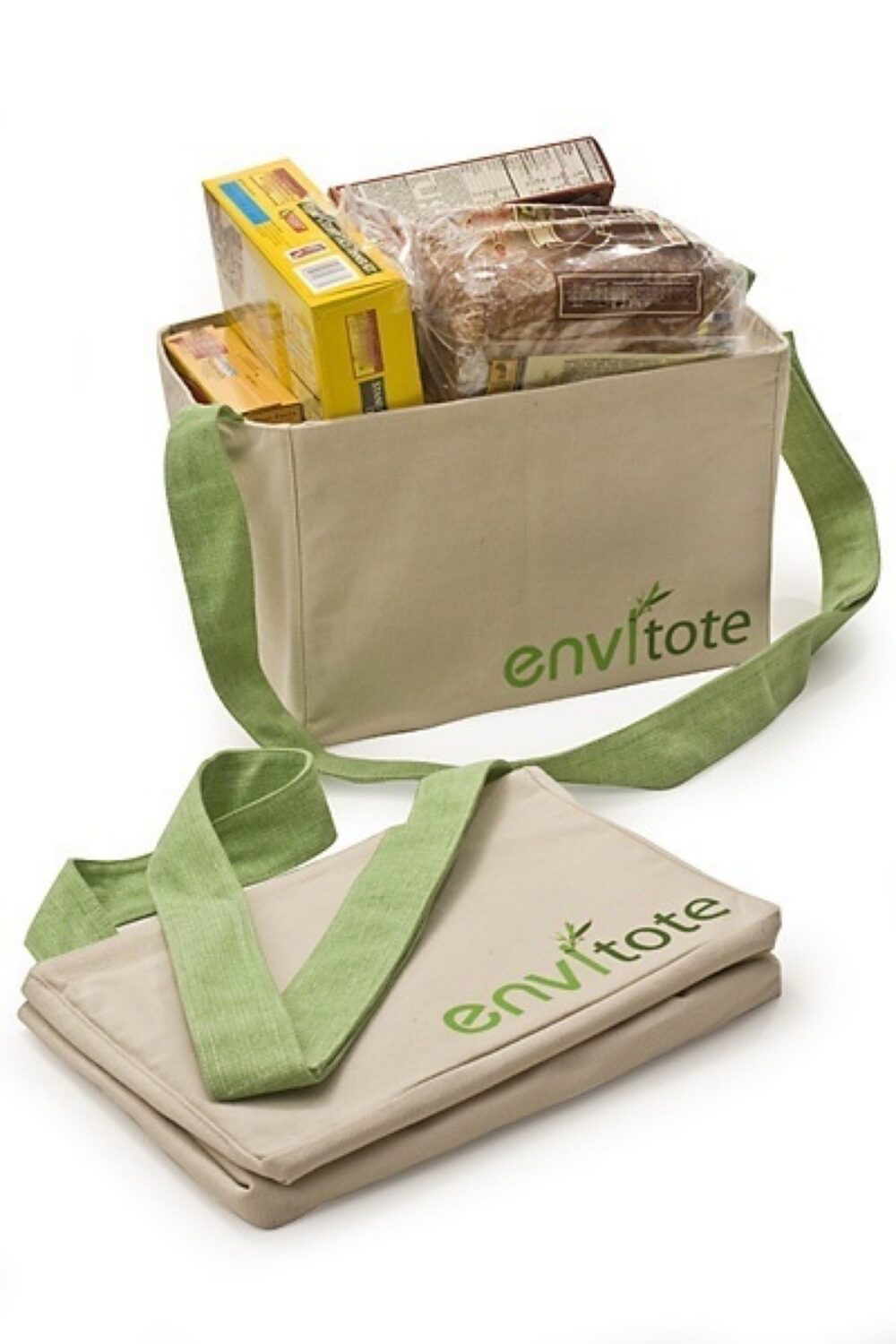
DHgate’s own shopper-bag editorial highlights cloth bags (cotton, linen, canvas) and strong tote-style shoppers as durable, reusable choices for groceries and everyday hauling, and stresses reinforced handles, seams, and foldability as key selection criteria. That’s a good mental checklist, but you still have to confirm those details on each listing.
What Matters When Choosing Reusable Grocery Bags (Before You Even Open DHgate)
Reusable grocery bags fail when you misjudge three things: what you carry, how you carry it, and how often. Lock those in first.
1. Carry scenario and capacity
For a typical U.S. weekly car run, you’re looking at multiple heavy loads: milk, bottles, cans, produce. You’ll want bags that:
- Stand upright in a cart or trunk
- Have enough volume for bulky items without over-packing weight
- Are easy to load at checkout
For city errands on foot, smaller but stronger shoulder bags matter more than sheer capacity.
2. Materials you actually trust
DHgate’s shopper-bag editorial describes several reusable types:
- Cotton/linen cloth bags – soft, lightweight, washable, good for groceries and books.
- Tote-style cotton bags – positioned as strong and eco-friendly, with everyday-errand and supermarket use in mind.
- Canvas shopper bags – framed as especially durable and capable of handling heavier loads.
Use that as a rough hierarchy: canvas and thicker cotton for your main grocery workhorses; lighter cloth or nylon for backup and errands. On DHgate, titles often promise “heavy-duty” or “eco-friendly” without test data, so treat those words as marketing until you see material weight (e.g., oz for canvas), close-up stitching photos, or detailed buyer reviews.
3. Handles, stitching, and seams
DHgate’s blog emphasizes reinforced handles and robust seams as a durability signal. On a listing, look for:
- Close-up photos of where the handles meet the bag
- Double stitching or box/X patterns at stress points
- Descriptions mentioning “reinforced” or “double-stitched” handles
If those photos or descriptions are missing, assume the bag is closer to supermarket freebie quality than a long-term grocery workhorse.
4. Folding, storage, and hygiene
Foldable bags are convenient, especially nylon or oxford cloth styles that stuff into a pouch. For grocery use:
- Confirm the bag is washable in the description (many DHgate titles explicitly say “washable” or “washable shopping bags”).
- Decide if you prefer bags that fold into a pocket (better for carrying everywhere) or structured bins that store flat (better for car trunks).
5. Eco claims (with skepticism)
Reusable bags are inherently less wasteful than single-use plastics, but DHgate’s editorial suggests going further by picking recycled or eco-labeled materials. On actual listings, “environment-friendly” is common in titles, yet certifications are rare. If sustainability is critical to you or your brand, plan to ask sellers directly for material details or certifications rather than relying on the title.
What DHgate Actually Offers for Reusable Grocery and Shopping Bags
Once you know what you’re looking for, DHgate is essentially a big catalog of different bag types. Here’s what the current listings show and how much you can infer.
DHgate listing snapshot (2026-09-23)
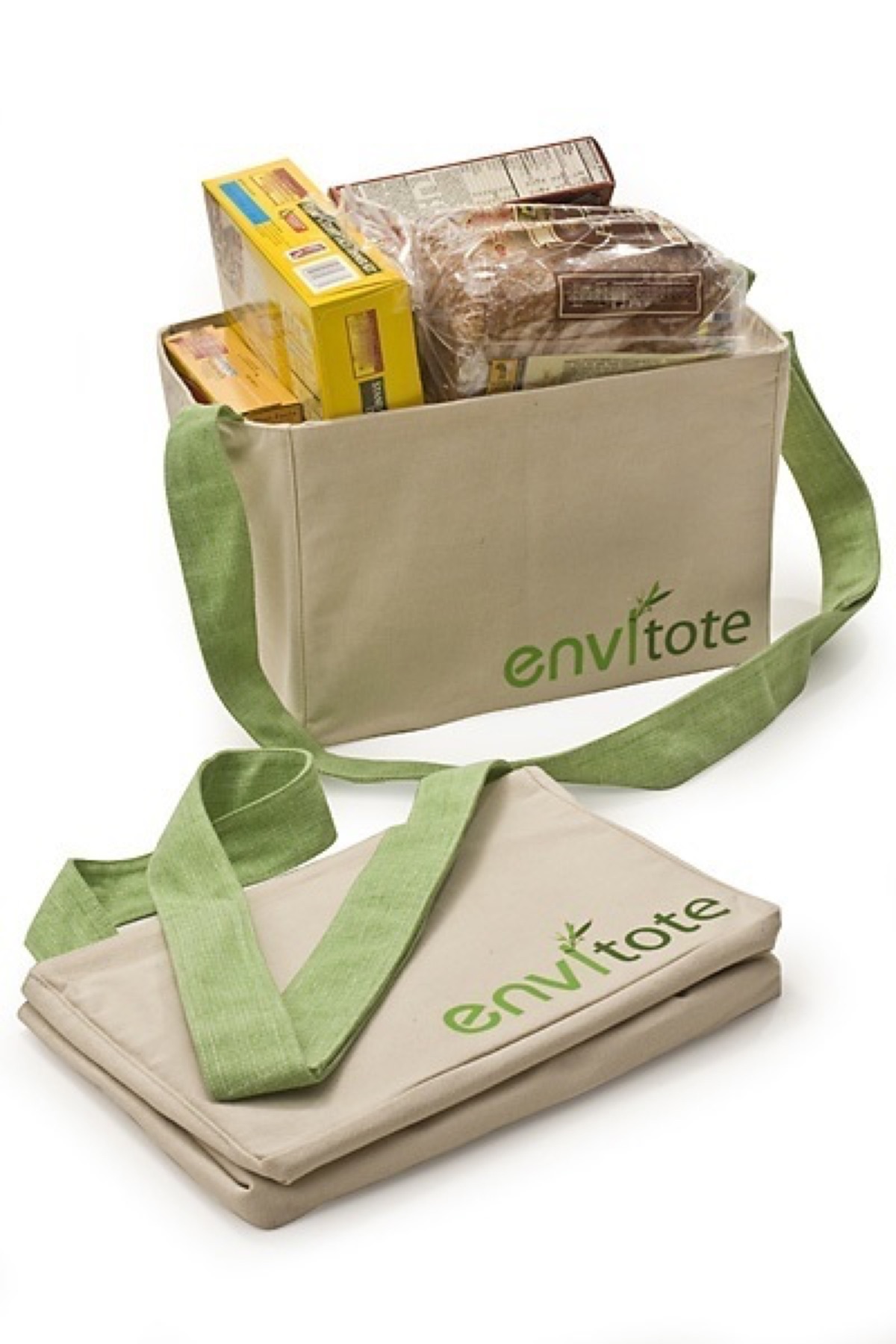
- Large upright grocery totes – One listing, “Reusable Grocery Shopping Bags, Large Tote Bulk Stands Upright Foldable & Washable, Produce Bags With Long Handle 26Y0119”, sits in the storage-bag category at around $7.67–$15.93 USD depending on options. It advertises upright structure, foldability, washability, and long handles but currently shows 0 reviews, so you’re relying on photos and seller claims.
- Ultra-cheap nylon foldable bags – A listing titled “Reusable Shopping Bag Pouch Nylon Foldable Eco Friendly Shopping Bags Portable Home Grocery Supermarket Shopping Tote” is priced roughly $0.92–$0.98 USD per bag, with a 5.0 rating from 4 reviews. This illustrates the extremely low unit pricing possible, but the small review base means real-world durability is still uncertain.
- “Heavy-duty” nylon pocket handbags – Several near-duplicate titles such as “Shopping Bags Reusable Grocery Large Washable Foldable Environment-Friendly Nylon Heavy-Duty Pocket Handbags” cluster in the $3.67–$3.93 USD range for a unit or multipack, often with 0-1 reviews and no standardized weight limits. “Heavy-duty” here is purely seller language.
- Mesh cotton produce bags – Listings like “Shopping Bags Reusable Mesh Grocery Bag Compact Foldable Cotton Tote Breathable Net For Produce Vegetables Fruit” and “Reusable Grocery Shopping Bags Fruit Vegetable Bag Washable Cotton Mesh String Organic Organizer Handbag Short Handle Net Tote 240731 a4fc” sit in the roughly $12.26–$12.93 and $28.90–$31.86 USD bands respectively. These are better suited as breathable produce carriers than as main grocery haulers.
- Cart bag sets and structured capacity bags – One cart-focused listing, “3 Handcart Bag -4 reusable shopping cart bags for groceries with cooler and egg bag easy to use 241024 4”, runs around $26.76–$29.50 USD. Another structured option, “Shopping Bags Large Capacity Grocery With Zipper Washable Reusable Simple Handbag Outdoor Heavy Duty Fashion Bag260408”, is priced roughly $24.48–$31.04 USD with a zipper and large capacity, but currently shows 0 reviews.
How to read these listings for size and durability
You don’t get lab-tested weight limits on DHgate, so you have to triangulate from details that do exist:
- Category placement – Bags in “Shopping Bags” or “Storage Bags” with words like “grocery,” “large,” “trunk,” or “cart” are more likely intended for heavier loads than fashion totes or evening bags.
- Photo evidence – Look for images showing the bag filled with groceries, standing in a cart or trunk, and close-ups of stitching. If all photos are lifestyle shots without load or seam details, treat it cautiously.
- Pricing vs promises – A “heavy-duty” grocery bag around $1 from a low-review listing is unlikely to match the durability of a $25 structured set with reinforced seams, even if neither has formal specs.
- Ratings and review count – That nylon pouch bag at around $0.92–$0.98 with a 5.0 rating and 4 reviews at least has a small track record, while many “heavy-duty” listings currently show 0 reviews, meaning you’re the test case.
Here’s a compact comparison of common DHgate bag types using observable data and DHgate’s own editorial cues:
| Bag type | Typical DHgate price snapshot* | Best use case | Durability signal you can actually check |
|---|---|---|---|
| Nylon foldable pouch bag | ~$0.92–$0.98 per bag | Backup/errand bag, keep in your pocket | Material description, review photos, overall rating (often low review count) |
| Canvas or thick cloth grocery tote | Often mid-teens+ (e.g., $7.67–$15.93 upright tote) | Main grocery hauler with trunk or cart use | Close-up stitching photos, “canvas”/”thick cotton” in title, reinforced handles description |
| Cotton mesh net bag | ~$12–$32 depending on set | Produce, vegetables, fruit | Mesh density, photos loaded with produce, washable/cotton in description |
| Cart bag multipack with cooler | ~$26–$30 per set | Full cart organization, car trunks | Number of bags, presence of cooler/egg compartments, structural photos |
*Prices as observed on 2026-09-23; DHgate listings and pricing can change.
A compact DHgate verification checklist (applied to these bags)
When you open a DHgate listing for reusable grocery bags, run through this short, specific check:
- Match the bag to your scenario – Is it described as “grocery,” “cart,” or “large capacity”? Mesh-only bags are for produce, not your full haul.
- Scan materials and construction – Do you see words like “canvas,” “cotton,” “oxford cloth,” or just “nylon”? Are there close-ups of seams and handles?
- Check price vs role – A sub-$1 nylon bag is a fine supplemental tote; expect your main grocery bags to cost more and look more structured.
- Look at reviews and photos – Favor listings with multiple buyer photos of the bag loaded with groceries. If the listing has 0 or 1 review, that’s higher risk.
- Ask the seller about size/weight – For bulk or primary-use bags, message the seller for exact dimensions and recommended load. You’re compensating for the lack of standardized weight ratings.
When DHgate Is the Right Place for Reusable Grocery Bags—and When to Choose Another Channel
DHgate shines in some reusable-bag scenarios and is a stretch in others.
Where DHgate can make sense
- Experimenting with bag types – Because you can find a wide spread of bag styles (nylon pocket totes, mesh produce bags, structured cart sets, upright trunk bins) at varied price points, DHgate is useful as an experiment catalog. Buy a small quantity of two or three styles, then decide which one deserves a bigger order.
- Sourcing for resale – If you run a small ecommerce shop, DHgate’s global marketplace gives you access to designs you might not see on big-box retail shelves. For resale, you’ll still want to order samples, test them yourself, and only then commit to inventory.
For a deeper look at how DHgate stacks against other marketplaces for broader sourcing, you can read Compare DHgate with AliExpress, Alibaba and Temu and What DHgate is and how the marketplace works.
Where a mainstream retailer is usually better
DHgate’s own blog comparison with Amazon notes that Amazon often wins for speed and more standardized customer support, while DHgate focuses more on deals and bulk pricing. That framing matches how reusable bag buyers typically use each channel:
- You don’t want to vet overseas sellers – DHgate requires you to interpret listings, check ratings, possibly message sellers, and accept a bit more uncertainty. For many U.S. individual shoppers, that’s more friction than the savings justify for a handful of bags.
- You’re not buying in volume – If you only need a couple of bags and don’t care about custom logos or unique styles, the extra effort of cross-border sourcing may not pay off.
How to decide for your situation
- Personal household use (3-6 main grocery bags) – Start with mainstream retail or Amazon for your primary bags. Use DHgate if you later want extra backup totes, unique designs, or to experiment with cart sets.
- Ecommerce resale – Combine both: test a few Amazon-proven bag styles for your own use, then explore DHgate for unique or customizable designs once you understand what “good” feels like in real life. For bulk supplier hunting on DHgate generally, see Find wholesale suppliers on DHgate.
If you approach DHgate as a flexible sourcing tool rather than a plug-and-play retail store, it can be a powerful way to find low-cost or custom reusable grocery bags. The key is to fix your durability and size standards first, then use listings, photos, and seller conversations to close the evidence gap that retail platforms usually handle for you.