
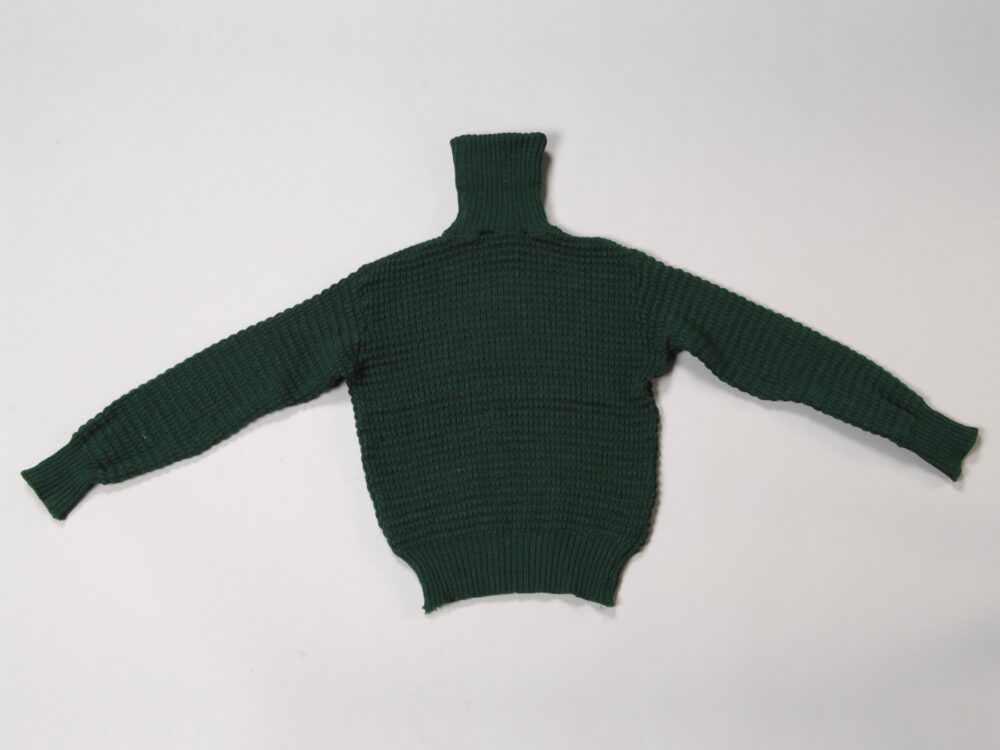
For kids’ turtlenecks, Etsy is strongest on unique, often handmade styles in higher price bands, Target Australia is best for predictable warm basics at mid-range prices, and Amazon offers the widest choice with the most variable quality. As a parent in Australia, Target usually gives you the most reliable fabric and sizing for everyday layering, while Amazon or Etsy make more sense if you’re chasing specific designs or building a small niche resale range.
Etsy’s kids’ turtlenecks tend to be cotton or wool knits, often made or customized by small makers. Target’s kids’ thermal and merino long-sleeve tops — such as its unisex merino thermal top and pointelle cotton thermal multipacks — serve as close functional equivalents to turtlenecks for warmth and layering, with clear materials and care information on each product page.
Amazon has plenty of kids’ turtleneck tops and sweaters, but social and editorial posts on Amazon knitwear point out that what arrives can differ noticeably from the listing in weight, softness or construction. That doesn’t mean Amazon knitwear is bad; it means you have to filter hard by reviews and seller history.
What Matters When Comparing Kids’ Turtlenecks Across Marketplaces
A kids’ turtleneck is a long-sleeve top or sweater with a high, close-fitting collar that folds over and covers the neck, giving extra warmth in cold weather. You’re usually buying it either as a warm base layer under school uniforms and hoodies, or as a visible fashion piece.
For Australian buyers, these are the practical comparison points:
- Fabric and warmth
- Cotton: breathable and soft, good for mild winters but not highly insulating.
- Merino wool: much warmer per gram, still relatively soft and often used in thermals.
- Synthetic blends and fleece: high warmth, but feel and breathability vary a lot.
Local brands such as Ktena’s kids’ merino thermals show what a high-performing warm base layer looks like: fine merino knit, designed to sit close to the body without bulk. Target Australia’s kids’ unisex merino long sleeve thermal top uses similar merino construction for everyday layering.
- Durability and construction
Look at ribbing around the neck and cuffs, seam finishing, and overall knit density. Higher-quality kids’ knits — for example, Patagonia’s Kids’ Better Sweater fleece — tend to have reinforced seams and a consistent, dense knit.
- Sizing reliability
Mass retailers like Target usually follow Australian size standards and show clear charts. Handmade or overseas sellers (Etsy and Amazon) often use different size blocks, so you need to rely on measurements and buyer comments.
- Reviews and photos
Turtlenecks are tactile: softness, itchiness and shrinkage matter. Platforms that surface lots of buyer photos and comments make it easier to see how the knit holds up after washing and whether collars stay snug without choking.
- Total cost to your door
Beyond the listed price, you’re paying for shipping, potential currency conversion and, for resellers importing stock, possible duties. For an everyday parent buying a few pieces, domestic options like Target avoid most of those unknowns.
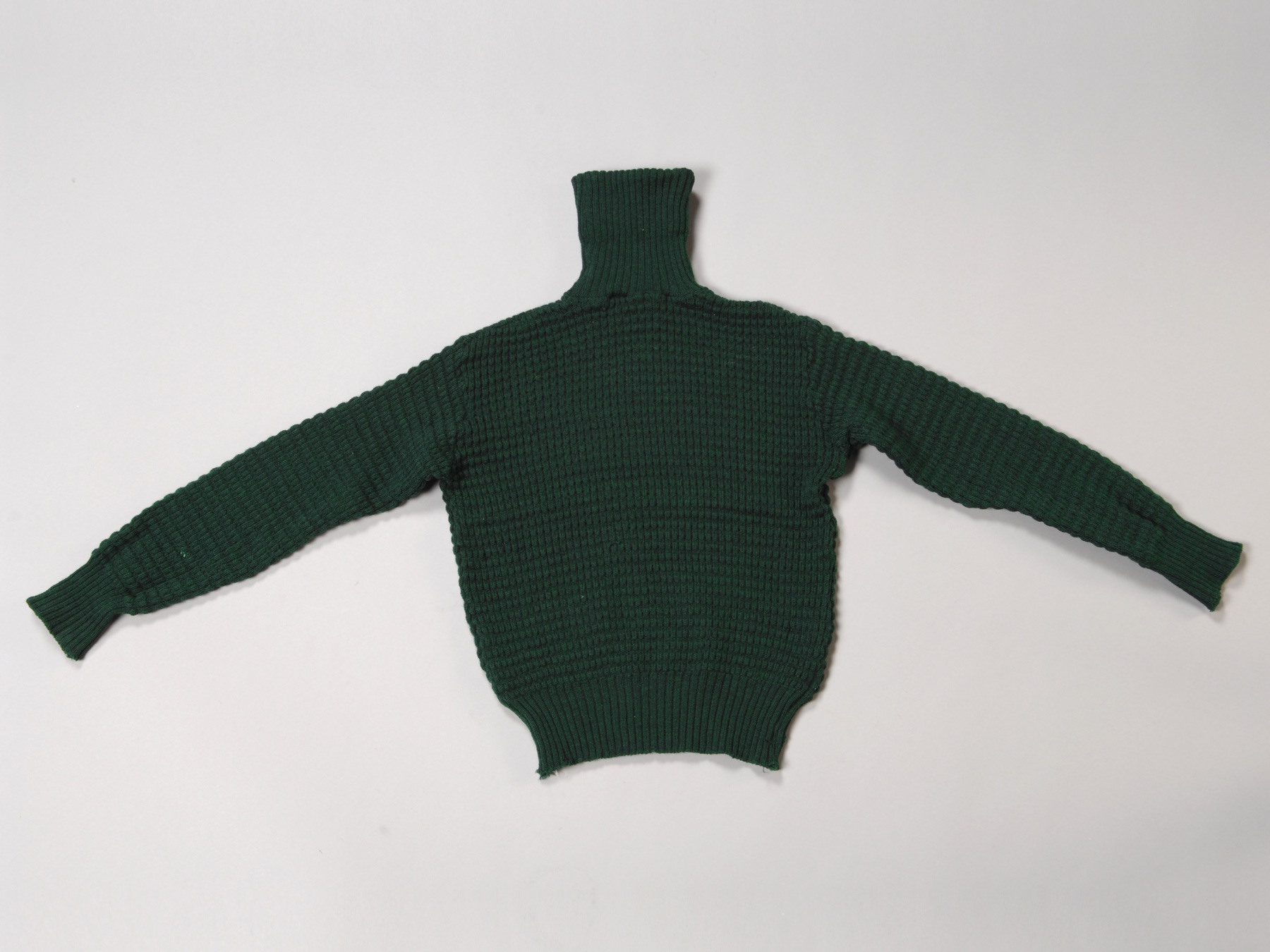
How Etsy, Target and Amazon Actually Differ for Kids’ Turtlenecks
Here’s how the three marketplaces stack up on fabric, price, uniqueness and reliability for kids’ turtlenecks and turtleneck-style tops.
| Marketplace | Typical fabrics & styles | Price feel (relative) | Review depth & consistency | Stock & repeatability |
|---|---|---|---|---|
| Etsy | Cotton and wool knits, often handmade or small-brand; lots of seasonal and personalized designs. | Often mid-to-high because of small-batch and custom work. | Strong on written detail; many listings have story-rich reviews, but volume varies by shop. | Limited runs; styles can disappear, making repeat sourcing harder. |
| Target AU | Merino thermals, cotton pointelle thermals, mock-neck and crew basics that function like turtleneck layers. | Budget to mid-range; multi-pack cotton thermals positioned as affordable basics. | Centralized reviews per product; sizing and fabric feedback are fairly consistent. | Good repeatability for staples; seasonal colors change but core thermals return year to year. |
| Amazon | Wide range: cotton, acrylic, fleece-lined turtleneck tops and sweaters from global sellers. | Broad spectrum from very cheap to mid-range; aggressive discounting common. | Highly variable; some listings have rich reviews, others almost none. Anecdotes highlight occasional mismatch between listing and delivered knit. | Many generic styles are restocked, but brand turnover can be high; exact item continuity isn’t guaranteed. |
Etsy: niche designs and small-batch quality
For kids’ turtlenecks, Etsy is where you’ll find:
- Holiday-specific designs, embroidered motifs and custom name sweaters.
- Natural-fibre knits from small Australian and international makers.
Quality can be excellent but is shop-specific. You pay for craftsmanship and uniqueness, which pushes you out of the budget-basic range. For personal use, Etsy fits when you want one special piece. For resellers, it suits micro-boutiques selling limited, curated designs rather than high-volume basics.
Target Australia: dependable warm basics
Target Australia doesn’t offer a huge catalog of true fold-over turtlenecks, but its warm long-sleeve tops fill the same role for layering. Two useful examples:
- The kids’ unisex merino long sleeve thermal top uses merino wool, is cut slim to sit under other layers, and is marketed as an everyday thermal.
- The 2-pack kids’ pointelle thermal top in Australian cotton offers breathable cotton warmth at budget-friendly price points.
These products illustrate Target’s positioning: predictable fabrics, clear washing instructions, and sizing tuned for Australian kids. For most families, that combination makes Target the default choice for school and weekend layers.
Amazon: breadth and variability
Amazon listings cover everything from ultra-cheap synthetic turtleneck tees to reasonably thick cable-knit sweaters. Social content focused on Amazon knitwear highlights two realities:
- You can find good-value knitwear if you choose carefully.
- There are also cases where the delivered sweater feels thinner, scratchier or differently colored than the photos suggested.
That anecdotal variability means you treat Amazon like a search engine plus review database. For parents, it’s useful if you’re chasing a very specific colour, print or size combination that local stores don’t carry. For resellers, it can be a source of test stock, but relying on one third-party brand for long-term supply is risky unless the review history is strong and stable.
Which Marketplace Fits Different Buyers and Sourcing Plans
Your best channel depends on whether you’re dressing one child in Sydney or trying to build a small knitwear business.
For everyday Australian parents
- Warm layers for school and sport: Target Australia is usually the most straightforward choice. Merino and cotton thermals are easy to find, reasonably priced, and sized for Australian kids. You can walk into a store or order online without worrying about overseas sizing or long shipping.
- One-off special outfits: Etsy makes sense for birthdays, holidays and photo shoots where uniqueness matters more than price, and where you care about supporting small makers.
- Gap-filling styles and sizes: Amazon is the backup if your child needs an unusual size, colour or fabric blend you can’t source locally. Be prepared to read reviews closely and possibly return items that don’t match expectations.
For small ecommerce businesses and kidswear resellers
- Basic layering inventory
Target’s thermals can work as a reliable base if your model is local retail or online resale with in-person pickup, but you should check your agreements and margin structure. The upside is consistency: core styles often repeat each year.
- Niche, limited designs
Etsy is better suited to drops or collabs. You might negotiate with individual makers for wholesale or consignment arrangements, but stock is inherently limited and lead times can vary.
- Experimenting with overseas stock
Amazon can be used to test niche styles before committing to deeper wholesale sourcing. Order small quantities, inspect knit density, collar comfort and shrinkage, then decide whether the style works for your audience.
For resellers looking beyond these three channels, cross-border marketplaces such as DHgate also list multiple kids’ turtleneck tops and sweaters at wholesale-style unit price ranges (for example, long-sleeve children’s turtleneck T-shirts and knitted pullovers in various solid colours as of 2026-10-08). Many of those listings show zero buyer reviews, so you’d need to vet each seller manually — checking available ratings, asking for fabric details and, ideally, ordering samples — before treating them as a reliable supplier. If you’re new to cross-border sourcing, it’s worth first understanding what DHgate is and how the marketplace works and reading broader comparisons such as DHgate vs AliExpress, Alibaba and Temu before you commit capital to overseas kids’ knitwear.
For many Australian parents, the practical move is simple: build your child’s everyday warm layers around Target’s predictable thermals, then dip into Etsy or Amazon only when you need styles the domestic chains don’t offer. Small resellers can layer on Etsy and cross-border marketplaces for niche designs once they’ve proved demand and checked suppliers carefully.