
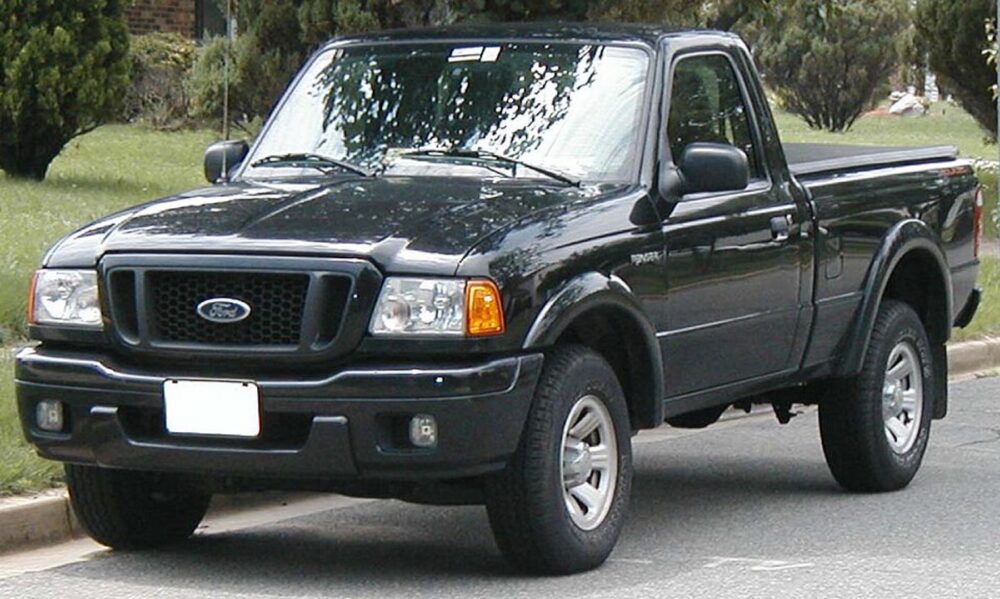
Replacing a Ford Ranger windshield isn’t just “new glass and you’re done.” You’re choosing between OEM and aftermarket windshields, dealing with trim and sensors, and deciding where to buy—dealer, glass shop, online catalog, marketplace, or salvage yard. For most US trucks, typical retail windshield replacement runs roughly $309–$749 depending on year, glass type, and features like cameras or acoustic lamination, based on US price tracking by Windshield Station. Your best choice is the glass that matches your model-year options and your tolerance for cost vs. OEM-level fit and safety.
What “Ford Ranger Windshield Replacement and Parts” Actually Covers
When people say “Ford Ranger windshield replacement,” they’re usually talking about a bundled job that includes several parts:
- Windshield glass itself. This is the main laminated front glass. On late-model Rangers, it may be acoustic (for noise reduction) or designed to work with cameras and sensors.
- Moldings and trim. Plastic or rubber surround pieces along the top and sides, plus cowl trim at the base. These can get damaged when the old glass is removed.
- Adhesives and clips. Urethane adhesive, setting blocks, and various clips or fasteners that secure trim and, in some cases, sensor brackets.
- Sensors and brackets. Newer Rangers (2019+ US generation) may have forward-facing cameras or rain/light sensors mounted to the glass. The windshield needs the correct mounting pads and clear areas so these work properly.
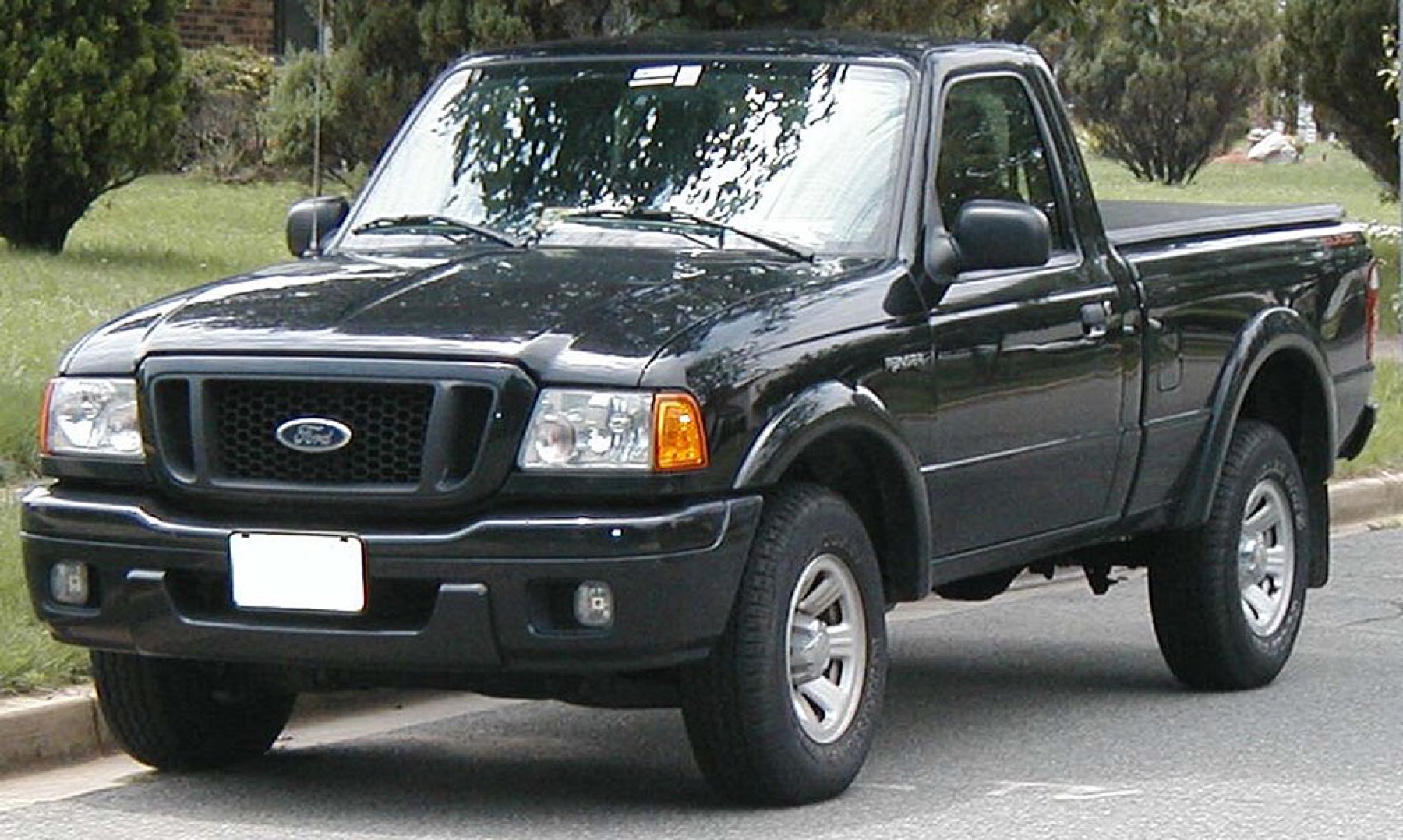
For a retail owner, most of this comes as a package handled by a glass shop or mobile service, with the shop choosing compatible parts. For a small repair or ecommerce business, you might buy components separately:
- Bare glass (OEM or aftermarket)
- Specific moldings and clips
- Sensor brackets or covers
Late-model OEM catalogs like FordPartsGiant’s Ranger windshield section show multiple part numbers depending on options such as acoustic glass and sensor configurations—your VIN and build options matter.
Quick fitment notes by generation
Fitment is generation-specific, so you can’t treat “Ranger windshield” as one part:
- Older US Rangers (roughly pre-2011) have simpler, non-ADAS windshields. Aftermarket glass is common and usually cheaper, and salvage yards can be viable.
- 2019+ US Rangers (5th-generation) may have camera-based driver assist and rain sensors. Owners on forums like Ranger5G often stress matching glass to these features and planning for calibration.
Knowing which category your truck falls into is step one before you choose parts or suppliers.
OEM, Aftermarket, and Used Ranger Windshields: Key Differences
You’ll typically see three broad choices: OEM glass from Ford, aftermarket glass from an independent manufacturer, and used glass from salvage.
Here’s a compact comparison:
| Option type | Typical cost impact* | Fit & features | Pros | Cons |
|---|---|---|---|---|
| OEM new | Higher end of $309–$749 | Matches factory spec; supports options | Best match for sensors, branding, resale | Higher price; dealer or OEM-specific supply |
| Aftermarket new | Lower to mid in that range | Generally equivalent size, features vary | More affordable; widely available | Brand/feature differences; ADAS concerns |
| Used/salvage | Often below new glass | Depends on donor truck’s options | Very cheap; quick local availability | Risk of chips, wrong options, no warranty |
\*Based on typical US retail ranges cited by Windshield Station; your local quotes may differ.
OEM glass for Ford Rangers
OEM windshields are made to Ford’s exact specifications and sold through dealers or authorized channels. On a recent Ranger catalog page, FordPartsGiant lists multiple OEM windshield part numbers depending on:
- Whether the truck has acoustic laminated glass
- Presence of forward-facing cameras or sensors
- Other trim/package variations
That variety is the real advantage: if you order by VIN and options, you’re likely to get glass that matches your ADAS hardware and NVH (noise) characteristics.
For retail owners, OEM is often recommended when the truck is newer, heavily optioned, or leased. For small resellers, OEM glass is harder to stock because you’d need multiple SKUs to cover different option combinations.
Aftermarket Ranger windshields
Generic or non-Ford-branded glass is common in the US aftermarket. Forum discussions like those on Ranger5G and social posts about 2024 Rangers show owners debating generic vs. original glass, often saying that:
- Visually, generic glass can look nearly identical.
- Some insurance policies treat OEM glass differently for deductibles or coverage.
- There’s worry about ADAS calibration and whether every aftermarket windshield matches the camera’s intended optical properties.
These are owner opinions, not lab tests, but they highlight the tradeoff: aftermarket glass can drop your bill closer to the lower end of the $309–$749 range, while you accept more uncertainty about calibration and insurance preferences.
As a small ecommerce or repair business, aftermarket glass may be your main stocking choice: it’s cheaper, more uniform, and easier to source in volume. You’ll still need to pay attention to sensor cutouts and option-specific variants.
Used glass from recyclers and marketplaces
Used glass shows up in online listings and local yards. For example, an eBay listing for Ranger/B-Series quarter glass (example part listing) illustrates how donors are described by year range and cab style.
For windshields, used glass can be appealing on an older Ranger when:
- You’re repairing a work truck on a tight budget.
- You’re in a region where new glass is pricey or slow to ship.
Risks are higher: you can’t always see micro-cracks, and the donor truck’s options must match your sensors and trim. Most small shops use used glass only when the vehicle is older, non-ADAS, and the customer understands that this is a budget fix.
Where to Buy Ford Ranger Windshield Parts in the US and Cross-Border
Ford Ranger windshield parts are sold through several channel types, and they don’t serve every buyer equally.
Dealerships and OEM online catalogs
Ford dealers and OEM-focused sites like FordPartsGiant are the most direct route for:
- Matching part numbers to your VIN.
- Ensuring you get the right combination of acoustic glass and sensor provisions.
This suits owners who want OEM and repair shops handling newer ADAS-equipped Rangers. For small ecommerce businesses, these channels can be used for special-order items you don’t stock—such as a specific high-trim acoustic windshield—while you rely on other sources for generic glass.
Auto glass services and mobile installers
National glass services like Safelite are frequently mentioned by Ranger owners on forums as go-to choices for full replacement. These companies typically:
- Handle sourcing of OEM or aftermarket glass for you.
- Include installation and, where needed, ADAS camera recalibration.
This is ideal for a retail owner who values convenience over managing part numbers. For small businesses, partnering with a glass service rather than stocking windshields can be a low-risk way to offer replacement as an add-on to your mechanical or body work.
National parts retailers and local stores
Major US parts chains, such as those represented in NAPA’s Ranger body/exterior catalog (NAPA example page), usually carry:
- Exterior trim pieces (cowls, moldings, clips).
- Some glass-related hardware.
They may not always stock full windshields in-store, but they’re useful for supporting parts you need when a glass shop breaks a molding or a clip. For resellers, these chains can backfill your hardware assortment while you source glass elsewhere.
Online marketplaces and recyclers
Marketplaces like eBay, plus regional salvage yards, are where you’ll find:
- Used Ranger glass (windshields, quarter glass, sliding rear windows).
- Aftermarket glass and trim from smaller brands.
Listings such as the quarter glass example (Ranger/B-Series quarter glass) show the typical pattern: part number, year range, cab style, and sometimes notes about privacy tint.
This suits:
- Owners of older Rangers willing to inspect parts in person or accept the risk of used glass.
- Small ecommerce sellers who specialize in niche body/glass parts, buying low from recyclers and reselling cleaned, photographed pieces.
For cross-border sourcing, marketplaces and distributors are where you’ll encounter non-US glass brands. Be careful with fitment: confirm that the windshield is for your generation and regional spec, and be conservative about using non-OEM glass on trucks with advanced driver assistance.
A note on insurance and glass choice
Owners discussing generic vs original Ranger glass on forums and social media often bring up insurance:
- Policies may specify OEM or allow aftermarket for glass claims.
- Deductibles or premiums can differ depending on the glass type and supplier.
Because coverage terms vary by insurer and state, treat those discussions as an early warning to read your own policy rather than a rule. If your Ranger relies on ADAS, ask any installer how they’ll handle calibration and whether the glass they’re proposing is designed for your sensors.
For most owners, a practical approach is:
- Newer, ADAS-equipped Ranger: favor OEM or a well-known aftermarket brand explicitly specified for your camera/sensors, installed by a shop that can calibrate.
- Older, non-ADAS Ranger: aftermarket or even used glass can be acceptable, as long as you inspect for damage and understand the tradeoff.
That way you balance cost, safety, and sourcing flexibility without paying dealer prices when you don’t need to—and without cutting corners where the windshield is part of the truck’s safety system.