
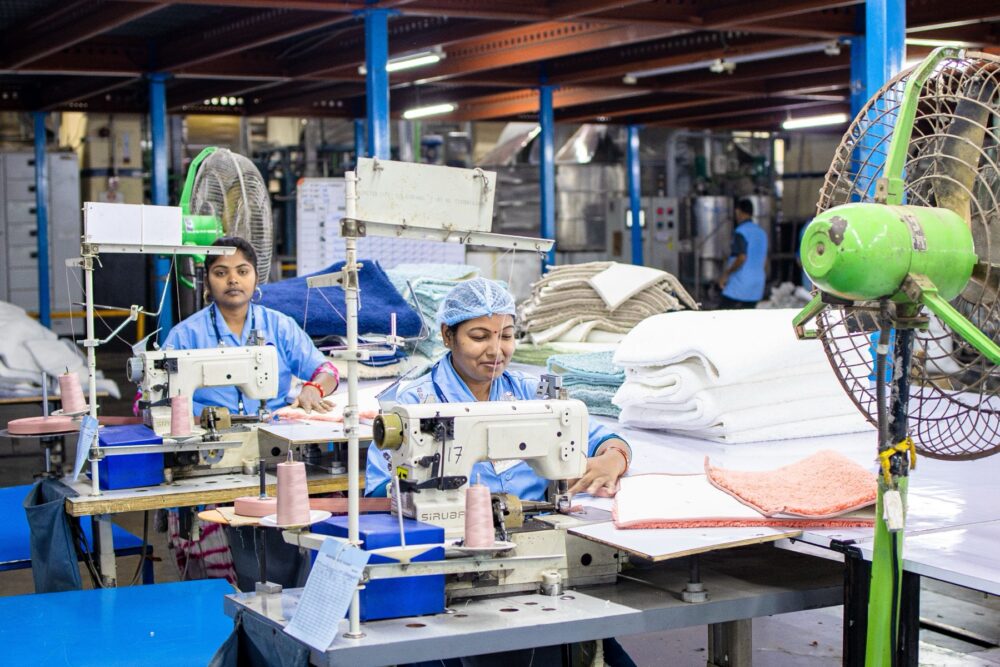
If you’re a US buyer sourcing Chinese textiles or fabric, DHgate makes the most sense when you want small-to-mid size lots, low minimums, and a simple way to browse prints, weaves, and blends like a consumer site. For a 50-200 yard test run or mixed assortment for a small shop, DHgate’s product-centric marketplace and fashion-heavy catalog can be an easier starting point than request-for-quote directories. Once you need 5,000+ yards, precise specs, or custom development, larger B2B platforms, trade shows, or sourcing agents typically give you more control and leverage, though they demand more setup and relationship work.
How to Compare Sourcing Channels for Chinese Textiles and Fabric
For fabrics and textiles, the channel choice isn’t just “which site is cheaper.” You’re balancing a few practical dimensions that change a lot between DHgate, big B2B directories, and offline routes:
1. Minimum order quantity (MOQ) Textile buyers live and die by MOQ. A small apparel brand may only need one roll of a particular pattern, while a uniform contract might require thousands of yards. DHgate’s own editorial content notes that MOQs on its platform tend to be lower than on some B2B sites like Alibaba and Global Sources in clothing-related categories, which can matter if you’re testing fabrics in small runs.
2. Price leverage and negotiation style A mill selling 10,000-yard runs will price and negotiate differently than a merchant selling pre-cut fabric lots. Marketplaces that behave more like retail sites often show a fixed price with some volume discounts, while directories that connect you directly to mills expect you to negotiate price, payment terms, and repeat orders.
3. Customization and development depth Do you need a stock polyester knit that already exists, or a custom yarn-dyed plaid with a specific GSM and hand feel? DHgate’s own comparisons describe Made-in-China and Yiwugo as attractive for larger or customized orders in some industries, including textiles. Those channels and trade shows tend to be better when you’re developing new fabric qualities or need factory-level engineering.
4. Supplier visibility and relationship building Fabric is rarely a one-off buy. If you’re building a brand, you care about who actually wove or finished the fabric, not just the storefront selling it. Directories and sourcing agents lean into manufacturer profiles and factory information. Product-centric marketplaces show you the listing first, and the supplier relationship becomes clearer only after you start talking.
5. Buyer risk and control All textile channels carry risk: color variance between batches, off-spec GSM, or finishing problems. You lower that risk either by leaning on heavier supplier vetting (trade shows, agents, long-term relationships) or by keeping order sizes smaller and treating early buys as paid sampling. Different channels support different strategies.
6. Effort and learning curve Submitting detailed RFQs, negotiating contracts, and handling lab dips take time. DHgate’s blog describes the site as product-centric and similar in role to marketplaces like AliExpress, aimed at simplifying buying for beginners and casual importers. That ease matters if you’re a small shop owner juggling everything yourself.
Keeping those six levers in mind helps you compare channels on an apples-to-apples basis rather than chasing a single “best” platform.
What Each Sourcing Channel Offers Textile Buyers
Here’s how the main routes US buyers actually use line up for Chinese textiles and fabrics.
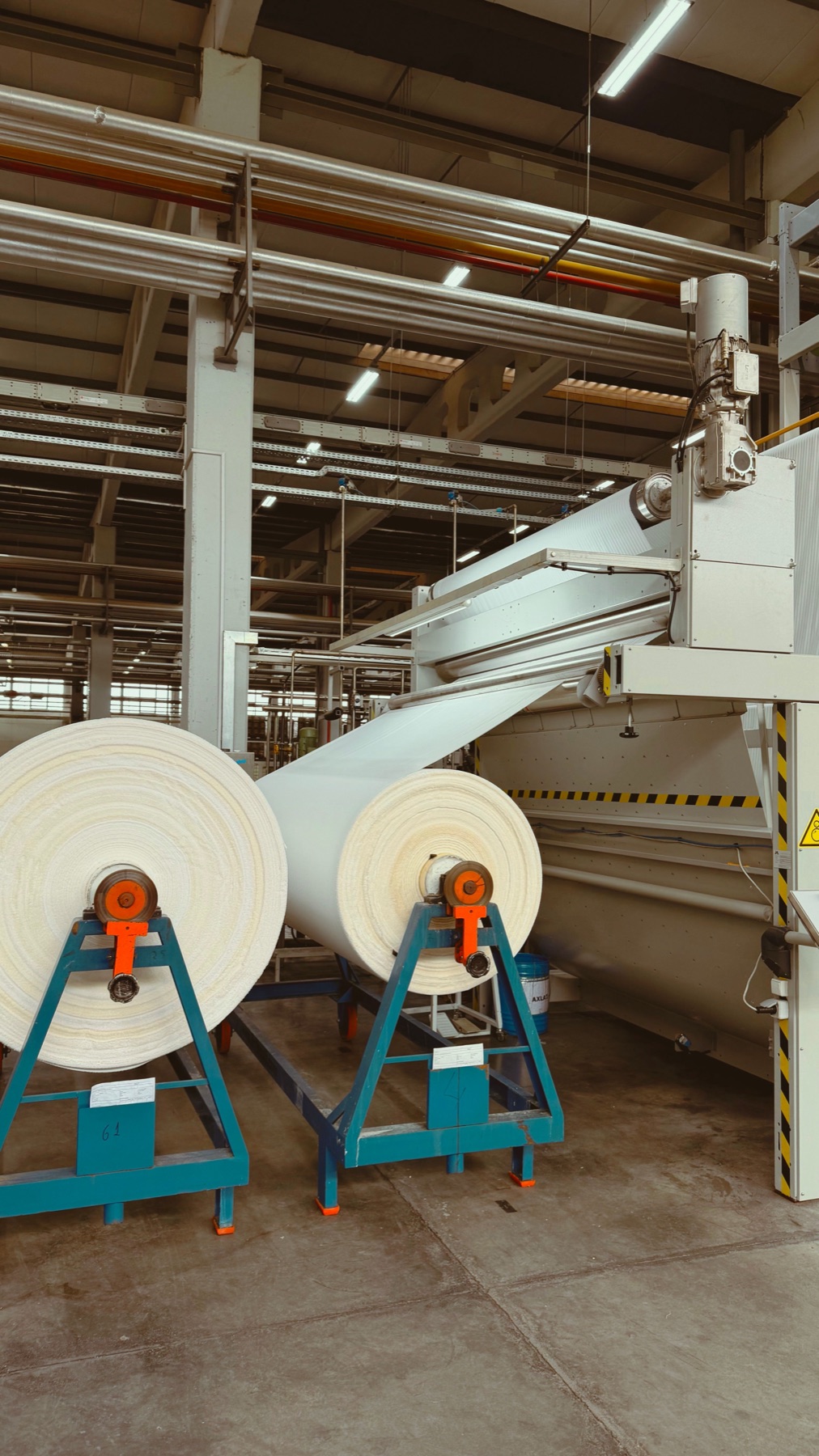
DHgate: Product-centric, fashion-heavy wholesale
DHgate’s own editorial content presents it as one of the leading Chinese wholesale marketplaces with millions of products across categories, including a strong emphasis on clothing and fashion-related goods. Its blog also calls out DHgate as a budget-friendly choice for buyers on tight budgets and highlights its role connecting Chinese suppliers with global buyers for wholesale and dropshipping.
For textiles and fabrics, that positioning translates into:
- Low-to-mid MOQs in many clothing and fabric-related listings, according to DHgate’s comparisons with sites like Alibaba and Global Sources. This is helpful if you want to buy a few rolls or mixed color packs rather than full-container quantities.
- Product-first browsing. You search and filter by the fabric or garment you want, see photos and details up front, then dig into supplier info. That flow is especially useful if you’re choosing by pattern, drape, or print rather than starting with a factory short list.
- Beginner orientation. DHgate’s editorial repeatedly frames the site as suitable for both new and established buyers, with a shopping experience that looks familiar to anyone used to consumer marketplaces.
In practice, many apparel and fabric buyers use DHgate for:
- Small wholesale buys of fashion fabrics or ready-made textiles (e.g., printed cottons, knits, denim).
- Assortment testing for online fabric shops.
- Early sampling before committing to a custom or high-volume run through a different channel.
Large B2B marketplaces and directories (Alibaba, Global Sources, etc.)
Big B2B platforms and directories are closer to digital trade shows than online shops. DHgate’s own articles discuss these platforms as peers and note that some of them often feature higher minimums than DHgate, especially in clothing and factory-direct categories.
For textile buyers, these channels usually offer:
- Higher MOQs but stronger price leverage for volume orders. Suppliers often quote pricing based on thousands of yards or full production runs.
- Customization options like specific fiber blends, weave structures, coatings, and performance finishes (anti-microbial, moisture-wicking, etc.).
- More visible factory information—you’re often dealing directly with mills or converters, which matters for consistency and compliance.
They’re a better fit when you are:
- Locking in a production fabric for a core product that will reorder for years.
- Developing proprietary textiles or need tight technical specs.
- Comfortable handling detailed RFQs and negotiations.
Made-in-China, Yiwugo, and other Chinese wholesale sites
DHgate’s own editorial lists Made-in-China and Yiwugo as well-known Chinese wholesale sites. That article characterizes:
- Made-in-China as especially appealing when you want customized clothing products and larger import quantities, with strengths in industries like textiles and machinery.
- Yiwugo as one of the larger, low-price wholesale sites focused on small commodities, including clothing and related goods, often with MOQs above 10 pieces for apparel on many listings.
In textile terms, those sites tend to be useful when:
- You’re sourcing a wide mix of low-cost fabrics or garments for discount-focused businesses.
- You need customized clothing or fabric and want to work with suppliers used to made-to-order deals.
They do tilt more toward wholesale trade norms, so expect to spend more time navigating supplier lists and negotiation.
Offline wholesale markets, trade shows, and sourcing agents
Offline routes still play a big role in the Chinese textile and fabric world:
- Wholesale markets (like those in Guangzhou or Keqiao) offer huge physical assortments where you can touch fabrics, see color in person, and pick up swatches.
- Trade shows (e.g., textile expos) concentrate mills, converters, and finishers in one place, making it easier to compare technical fabrics and negotiate longer-term deals.
- Sourcing agents act as intermediaries: they help you specify fabrics, find mills, coordinate sampling, and manage quality and communication.
These options usually:
- Require higher MOQs and more commitment.
- Give you more control and insight into which factory is behind your fabric.
- Make the most sense for high-volume brands, uniform programs, and specialized technical textiles.
DHgate vs Other Channels: Key Differences for Textile and Fabric Orders
To see where each option realistically fits, it helps to compare them across a few textile-specific dimensions.
| Channel type | Typical MOQ & order size (editorial tendency) | Customization depth | Ease of starting | Best suited to… |
|---|---|---|---|---|
| DHgate | Often supports lower MOQs than some B2B sites in clothing-related categories, according to its own comparisons; practical for tens to low hundreds of yards or mixed lots. | Mostly stock fabrics and ready-made textiles, with some semi-custom options (colors, simple changes) depending on supplier. | High. Product-centric interface similar to consumer marketplaces; DHgate’s blog frames it as beginner-friendly for new importers. | Small apparel brands, online fabric shops, Etsy sellers testing fabrics, and buyers doing paid sampling before committing to bigger runs. |
| Large B2B marketplaces/directories (e.g., Alibaba, Global Sources) | Often expect higher MOQs and larger runs; DHgate editorial cites them as examples where MOQs tend to be higher than on DHgate, especially for clothing/factory-direct. | High. Many suppliers support custom blends, weaves, coatings, and full spec development. | Moderate. You usually submit RFQs, compare quotes, and manage more back-and-forth. | Brands or retailers planning ongoing production runs, private label programs, or technical fabrics with specific performance requirements. |
| Made-in-China, Yiwugo and similar sites | Positioned by DHgate’s content as attractive when importing larger quantities; Yiwugo apparel MOQs are often above 10 pieces and can rise with category. | Good for custom clothing and larger orders; Made-in-China is described as strong for customized clothing and industrial textiles. | Moderate. More directory-like; you browse suppliers and products and then engage directly. | Buyers wanting low prices on bulk clothing, customized garments, and broader industrial textile sourcing. |
| Offline markets, trade shows, agents | Typically mid-to-high MOQs, often geared to mills and big buyers; price breaks kick in at substantial yardages. | Very high. Face-to-face interaction and lab support make full custom fabric development realistic. | Low-to-moderate. Travel, time, and relationship-building required; agents reduce some friction but add coordination steps. | High-volume fashion labels, uniform and workwear programs, technical textile buyers, and any business that can justify regular large runs. |
This isn’t a strict rulebook—individual suppliers vary—but it shows why a 75-yard floral rayon for a capsule collection and a 20,000-yard industrial fabric rarely come from the same sourcing path.
Which Channel Fits Your Textile Sourcing Profile?
Different textile buyers should almost never use the same channel in the same way. Here are concrete scenarios.
1. Test-batch apparel brand (first 50-200 yards per fabric)
You’re a small US clothing label testing new dresses or tops. You care about prints and drape but can’t commit to huge yardages yet.
- Primary channel: DHgate or similar product-centric marketplaces. The platform highlights fashion-related wholesale and lower MOQs than some large B2B sites, making it a practical place to order a handful of rolls or colorways.
- Backup channels: Smaller orders from other retail-like Chinese sites if you can’t find the exact print or fiber content.
- When to switch: Once a fabric proves itself and you’re reordering consistently, it often makes sense to move the same or similar fabric into a factory-direct relationship via a B2B directory or trade show to improve pricing and control.
2. Independent fabric shop or online fabric store
You run a brick-and-mortar or online shop that resells fabric by the yard. Variety is more important than having thousands of yards of one item.
- Primary channel: DHgate and comparable wholesale sites for diversified, small-lot fabric buys—especially fashion-forward prints, cosplay fabrics, or seasonal items. The ability to browse visually is a strong fit for how you merchandise your store.
- Supplemental channels: Yiwugo or other low-price wholesale sites for deep-discount fabrics and basics, where you’re comfortable taking on larger packs to keep your landed cost low.
- Mixing approach: Use product-centric sites to refresh your assortment frequently, then secure a few evergreens (e.g., solid cottons, black knits) via higher-volume B2B channels or local distributors.
3. Corporate uniforms, workwear, and school apparel
You’re sourcing fabrics for uniforms that must be consistent year over year and often meet performance standards (color fastness, abrasion resistance, anti-static properties, etc.).
- Primary channel: Large B2B marketplaces, directories, or sourcing agents. DHgate’s editorial positioning shows its strengths in fashion wholesale and small-business-friendly deals, but the uniform world leans more on stable, high-volume supply and tight specs, where factory-direct relationships are key.
- DHgate’s role: Useful for preliminary fabric ideas, sample garments, or smaller pilot programs with a single site or department before committing to a long-term contract with a mill.
- Next step: Once fabrics are approved, shifting into a direct mill relationship through a directory or trade show usually makes more sense than relying on repeated marketplace buys.
4. High-volume or technical textile buyer
You’re sourcing industrial fabrics, specialty knits, or large volumes for big-box retail.
- Primary channel: Trade shows, industry-specific expos, and sourcing agents, supported by B2B directories that emphasize industrial textiles. DHgate’s own comparison content notes alternative wholesale sites like Made-in-China as better-aligned with larger, customized orders in sectors including textiles.
- DHgate’s role: Limited. It can function as a quick way to see general market pricing or buy small swatch lots, but it’s not typically the right tool for structuring multi-year, high-volume contracts.
Query-time DHgate listing example
Observed on 2026-09-14, Thin Streetwear Quality Chinese Ethnic Style Jacket Vests For Women Clothing Coats Fashion Clothes Embroidery Casual Vintage appeared in Women’s Tanks & Camis. This is a time-bound, illustrative listing example; availability and listing details may change. Compare the stated specifications and order a sample before considering a larger purchase.
Positioning DHgate Among Textile and Fabric Sourcing Options
Taken together, DHgate sits closest to the small-to-mid wholesale, fashion-oriented end of the textile spectrum. Its own blog and editorial content describe the platform as one of the leading Chinese wholesale marketplaces with a large fashion and clothing catalog, aimed at connecting Chinese suppliers with global buyers and lowering the perceived barrier to importing. Those same materials emphasize DHgate’s product-centric, beginner-friendly interface and position it as a budget-conscious choice for buyers on tight budgets.
For US textile and fabric buyers, that means DHgate is particularly well suited to:
- Early-stage brands and small retailers who need low MOQs, visual browsing, and easy access to a wide variety of fabrics and fashion-adjacent goods.
- Buyers who want to use real orders as market tests, then graduate to factory-direct channels once they understand demand and specs.
- Situations where you value speed and assortment over deep customization or long-term mill relationships.
Where DHgate is less of a fit is just as important:
- High-volume commodity or technical fabrics where mill-direct pricing and engineering support matter more than marketplace convenience.
- Custom-developed textiles that require lab dips, physical testing, and detailed contracts—areas where B2B directories, trade shows, and agents are better-equipped.
- Buyers looking for a single long-term mill partner rather than a marketplace of many sellers.
In practice, many US buyers end up mixing channels over the life of their business: discovering fabrics and testing ideas with product-centric marketplaces like DHgate, then shifting mature, high-volume fabrics into relationships sourced via directories, trade shows, or agents. Understanding where each channel is strongest helps you decide not just where to place your next order, but how to evolve your sourcing strategy as your textile needs grow.