
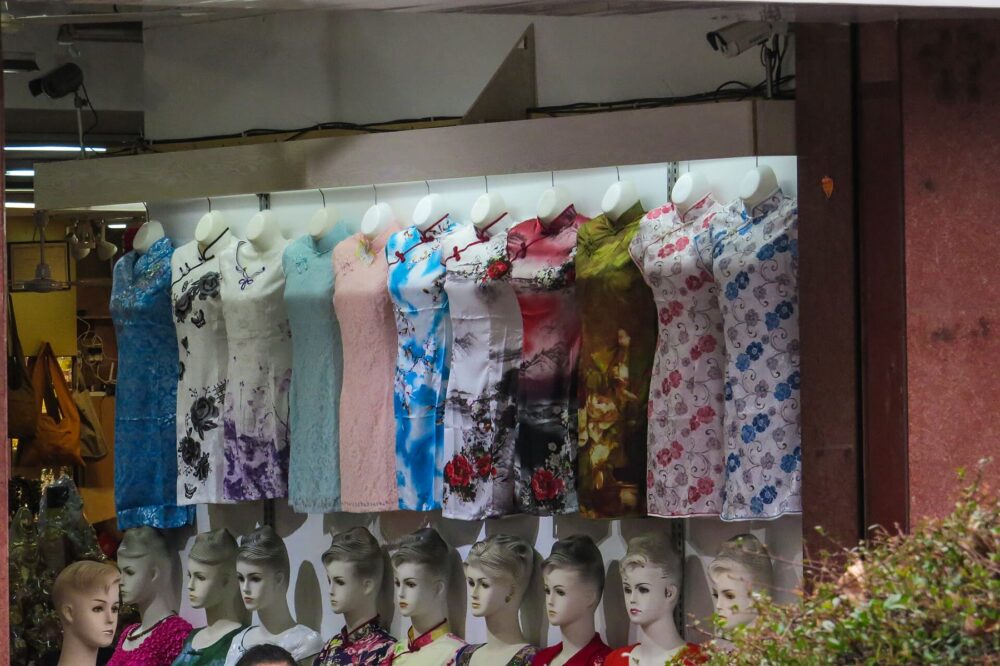
Affordable wedding dresses are easiest to find when you stop looking for a single “best store” and instead pick the right kind of platform for your budget and risk tolerance. For US brides and small resellers, the main online channels are: big fashion retailers that carry bridal‑appropriate styles, specialist bridal ecommerce sites, outlet and resale concepts, rental services, and cross‑border marketplaces. Each handles pricing, inventory, and shipping very differently, so the smart move is to match your situation to the channel first, then compare brands inside that bucket.
The Online Market for Affordable Wedding Dresses: Main Channels
If you’re trying to stay under a modest budget, these are the platform types you’ll actually encounter online:
1. Mainstream fashion retailers with bridal‑friendly styles Large fashion sites sell occasion and “white dress” collections that many brides use instead of traditional gowns. DHgate’s own editorial coverage highlights platforms like ASOS, Boohoo, and Lulus as examples of sites that regularly offer affordable dresses across sizes and styles, including pieces that work for civil ceremonies, elopements, or casual weddings.Top Affordable Online Dress Stores
2. Specialist bridal ecommerce sites Dedicated online bridal brands focus on wedding dresses at various price tiers. Examples include Azazie, David’s Bridal’s online store, BHLDN, and niche sites like DorrisDress’s affordable wedding dress collection, JJ’s House, June Bridals, and Bridelulu’s “under 1000” assortment.DorrisDress collection These platforms are built around bridal sizing, silhouettes, and accessories, often with both budget and mid‑range lines.
3. Outlet and resale bridal concepts Some shops specialize in discounted or sample gowns online. Luxe Redux, for instance, groups dresses into categories like “wedding dresses under 500,” positioning itself as a way to buy designer or boutique gowns at marked‑down prices without a full‑price boutique experience.Luxe Redux bridal outlet Other outlet‑style or resale sites follow similar caps (e.g., under a certain dollar threshold) or highlight sample pieces from prior seasons.
4. Discount chains, consignment, rental, and peer marketplaces Budget guides to evening and wedding dresses consistently point to discount retailers (off‑price chains), consignment shops, rental services such as Rent the Runway, and online marketplaces like eBay and Poshmark as additional low‑cost routes.Affordable evening dresses guide These aren’t bridal‑exclusive but often carry white formal gowns, bridesmaid styles, or second‑hand wedding dresses.
5. Cross‑border marketplaces
How Each Platform Type Works for Budget Wedding Dresses
Operational differences matter for both brides and small sellers: they drive price, delivery time, and how flexible returns and alterations can be.
Fashion retailers vs bridal‑specialist sites
Editorial sources highlight that mainstream fashion platforms like ASOS, Boohoo, and Lulus operate classic online retail models: large ready‑to‑ship inventories, fast‑fashion refresh cycles, and frequent promotions.Top Affordable Online Dress Stores Dresses are generally off‑the‑rack, so you choose a size, order, then tailor locally if needed. This favors simpler designs and short timelines.
Bridal‑specialist sites such as Azazie, David’s Bridal online, BHLDN, DorrisDress, JJ’s House, June Bridals, and Bridelulu often blend off‑the‑rack stock with made‑to‑order or customizable options.DorrisDress collection You’ll see more wedding‑specific features: train lengths, fabric options, color swatches, and matching accessories. That can mean:
- Wider range of silhouettes and “true bridal” looks.
- Potentially longer lead times for certain styles.
- Sizing and fit guidance tailored to wedding gowns.
Outlet, sample, and resale operations
Budget bridal guides and DHgate editorial pieces consistently note that simpler designs and fewer embellishments lower upfront dress costs, and that off‑the‑rack or sample sales further reduce prices because the dresses already exist in inventory.Simple wedding dress tips Outlet and resale platforms lean into this:
- Sample sales: Boutique samples (often one‑off sizes) cleared at discounts.Modest budget wedding guide
- Outlet sites like Luxe Redux: structured around markdowns versus original boutique pricing.Luxe Redux bridal outlet
- Resale/consignment: One‑of‑a‑kind listings from past brides or boutiques on their own sites or marketplaces (eBay, Poshmark).Affordable evening dresses guide
Operationally, these channels offer the biggest savings when you’re flexible on size and style. Inventory can be limited to certain sizes or conditions (e.g., “sample” or “pre‑owned”), and you usually plan for local alterations.
Rental and peer marketplaces
Rental platforms and peer marketplaces make inventory fluid:
- Rental services buy or partner on a curated selection of dresses, then monetize via short‑term use. You pick a size window and date, then return the gown.
- Peer marketplaces like eBay/Poshmark host individual sellers listing their own dresses. Stock, descriptions, and quality vary by seller.Affordable evening dresses guide
These work best if you’re comfortable with non‑traditional ownership (renting or rehoming a dress) and are ready to vet seller photos and details carefully.
Cross‑border marketplaces and sourcing dynamics
Cross‑border marketplaces expose you directly to factories and trading firms. Sellers may offer:
- Off‑the‑rack bulk: standard designs available in many sizes and colors.
- Custom or semi‑custom production: especially for small ecommerce brands looking to private‑label budget wedding dresses.
Lead times can include production and international shipping. Because each listing represents a different seller, you evaluate quality and reliability at the seller level rather than the platform level.
Side‑by‑Side: How Platforms Compare for Affordable Gowns
Here’s a high‑level comparison of how the main channels behave for budget‑conscious wedding dress buyers and small resellers. These are patterns, not guarantees for any single site.
| Platform type | Typical inventory model | Design complexity at low budgets | Good fit for brides who… | Appeal for small sellers who… |
|---|---|---|---|---|
| Fashion retailers | Off‑the‑rack, ready to ship | Mostly simpler white/formal styles | Want quick delivery and modern, minimal looks | Test basic white styles, not full bridal lines |
| Bridal ecommerce specialists | Mix of off‑the‑rack & made‑to‑order | Full range from simple to detailed | Want “true bridal” styling at varied price tiers | Explore OEM/white‑label via external contact |
| Outlet & resale bridal | Samples, prior‑season, pre‑owned | Often designer but limited sizing | Are flexible on size/condition to get a deal | Source occasional unique pieces, not repeats |
| Rental & peer marketplaces | Shared inventory or individual listings | Varies widely by listing | Are fine renting or buying second‑hand | Learn what styles actually move with buyers |
| Cross‑border marketplaces | Factory or trader listings | Both simple and ornate, quality varies | Want ultra‑low prices and can manage extra risk | Need scalable, low‑cost production if vetted |
Choosing the Right Channel as a Bride or Small Seller
If you’re a bride buying one dress
Think about your timeline, budget ceiling, and how traditional you want the gown to feel.
- Fast wedding or courthouse ceremony: Fashion retailers like ASOS, Boohoo, and Lulus and some discount chains give you off‑the‑rack white or ivory dresses quickly, often at relatively low prices.Top Affordable Online Dress Stores
- Classic bridal look on a budget: Online bridal specialists (Azazie, David’s Bridal online, BHLDN, JJ’s House, June Bridals, DorrisDress, Bridelulu) are better if you want trains, lace options, and multiple bridal silhouettes, with some styles intentionally priced as “affordable.”DorrisDress collection
- Designer feel under a tighter cap: Outlet and sample concepts like Luxe Redux’s under‑$500 group aim at brides who want recognizable labels or boutique‑level designs at marked‑down prices, accepting limited sizes and prior‑season stock.Luxe Redux bridal outlet
- Lowest possible spend or eco focus: Consignment, peer marketplaces, and rental services often win here. Guides to affordable dresses repeatedly flag rental platforms and peer resale (eBay, Poshmark) as ways to access high‑quality or designer pieces for far less than new retail, especially if you’re comfortable with pre‑owned.Affordable evening dresses guide
Whichever channel you choose, opting for simpler cuts and fewer embellishments is a practical lever to keep the price down.Simple wedding dress tips
If you’re a small ecommerce seller sourcing budget wedding dresses
Your needs are different: repeatability, margins, and reliability matter more than the one‑time “wow” moment.
- Testing demand with low risk: Starting with resale (e.g., curated pre‑owned pieces) or buying small lots from fashion retailers’ outlet sections can help you gauge what your audience likes. You sacrifice some control over sizing runs and continuity but avoid big upfront commitments.
- Building a consistent budget‑bridal catalog: Specialist bridal sites sometimes offer business‑friendly terms or affiliate programs, but you’ll usually need to move upstream—either through direct factory relationships or via wholesale‑oriented marketplaces.
- Cross‑border sourcing (including DHgate): Marketplaces that connect you to overseas suppliers can be attractive for very low unit costs and private‑label possibilities. DHgate is one example of a cross‑border marketplace in this space, but you should treat every seller and listing as its own business: check product photography carefully, look for realistic descriptions and sizing charts, and consider ordering samples before committing to bulk. For platform mechanics and how DHgate compares with similar services, start with DHgateWiki’s explainer on what DHgate is and how the marketplace works and the broader overview of online marketplaces and shopping platforms. If you’re weighing multiple cross‑border options, the comparison of DHgate vs AliExpress, Alibaba and Temu can help frame trade‑offs.
For both brides and resellers, the best move is to pick the platform type first, based on how much control you need over style, timing, and risk—and only then start comparing individual shops inside that lane.