

US buyers can source copper wholesale in three main ways: semi-finished metal from specialized suppliers, scrap copper from recycling networks, and copper-containing finished products from general B2B marketplaces. The right move for your business is to start with what you actually need — e.g., oxygen-free bus bar, roofing sheet, scrap wire, or Moscow Mule mugs — then match that to a supplier type, verify specs and credibility, and price the order based on total landed cost rather than headline per‑pound or per‑piece pricing.
This guide breaks down how copper wholesale works, how to align your project with the right form and channel, and what to check before wiring thousands of dollars to a mill, scrap exporter, or online seller.
How Copper Wholesale and Bulk Supply Works for US Buyers
“Copper wholesale” is not a single market. For US buyers, you’re really looking at three overlapping streams:
- Semi-finished copper products – sheet, plate, bar, tubing, wire, coil.
- Scrap copper – mainly for refiners, smelters, and some fabricators.
- Copper-containing finished goods – jewelry, drinkware, decorative or functional items with copper as a feature.
Specialized US suppliers like Lewis Brass & Copper describe themselves as copper suppliers with tubing, sheet, coil, bar, and wire and emphasize bulk ordering and wholesale pricing from a large inventory of industrial stock.Lewis Brass & Copper overview That’s the traditional route for construction, fabrication, HVAC, and electrical projects that need predictable alloys and tight dimensional tolerances.
On the other side, there’s a distinct scrap copper market. US-focused trade directories list multiple copper scrap suppliers and wholesalers, which shows scrap is traded as its own bulk category separate from fresh mill stock.USA copper scrap suppliers Global sourcing sites also show large catalogs of copper scrap listings from different manufacturers, indicating a reasonably structured online market for high-volume scrap buyers.Copper scrap catalog example
Finally, copper is embedded in many finished products that are sold wholesale — think pure copper bracelets, magnetic bangles, or Moscow Mule mugs marketed as 100% copper. Those sit in gift, barware, or jewelry supply chains, not in industrial metals.
The big takeaway: before you chase “cheap copper,” you need to decide whether you’re buying raw material, recyclable feedstock, or consumer products. Each has different channels, risks, and economics.
Choosing the Right Type of Copper and Supplier Profile
Copper behaves differently depending on how you use it, and so do the suppliers. Here’s how to match a use case to both a copper form and a supplier type.
Scenario 1: Electrical wire, bus bars, and high-conductivity applications
If you’re making power cords, wiring harnesses, or bus bars, you’re buying copper for its conductivity and consistency.
- Copper form:
- Drawn wire or cable with specified gauge and insulation.
- Flat bar or bus bar in high-conductivity alloys.
- Supplier type:
- US or international copper suppliers that stock wire, coils, and bar in industrial grades.
- Cable specialists who can produce custom copper core wire.
Specialized suppliers often have the ability to provide custom sizes and formats, and they sit inside broader distribution networks that serve electrical, construction, and manufacturing customers.Lewis Brass & Copper overview That’s where you go if you need a specific alloy, oxygen-free copper, or an exact cross section.
Key decisions:
- Specify alloy, purity (e.g., ETP vs OFC), and cross-sectional area upfront.
- Decide if you’ll buy standard stock lengths or pay for custom cut-to-length.
- Check whether the supplier can certify electrical conductivity to your standard.
Scenario 2: Roofing, decorative panels, and fabrication
If you’re making countertops, architectural panels, or craft items, your priority may be formability and aesthetics rather than conductivity.
- Copper form:
- Sheet, plate, or coil in specific thicknesses.
- Supplier type:
- US metal retailers and specialized copper suppliers.
- Online retailers that explicitly sell bulk copper sheet with volume-oriented pricing, such as bulk copper sheet sellers.
Sites that market bulk copper sheet signal that small to mid-sized buyers (like jewelry makers and fabricators) can access tiered pricing online rather than needing mill-direct contracts.
Decisions to make:
- Pick thickness and hardness (e.g., soft/annealed vs half-hard) based on bending and forming.
- Ask about surface finish (mill finish vs brushed vs patinated) and whether protective film is included.
- Confirm whether the supplier can slit or shear to your exact dimensions or if you’ll cut in-house.
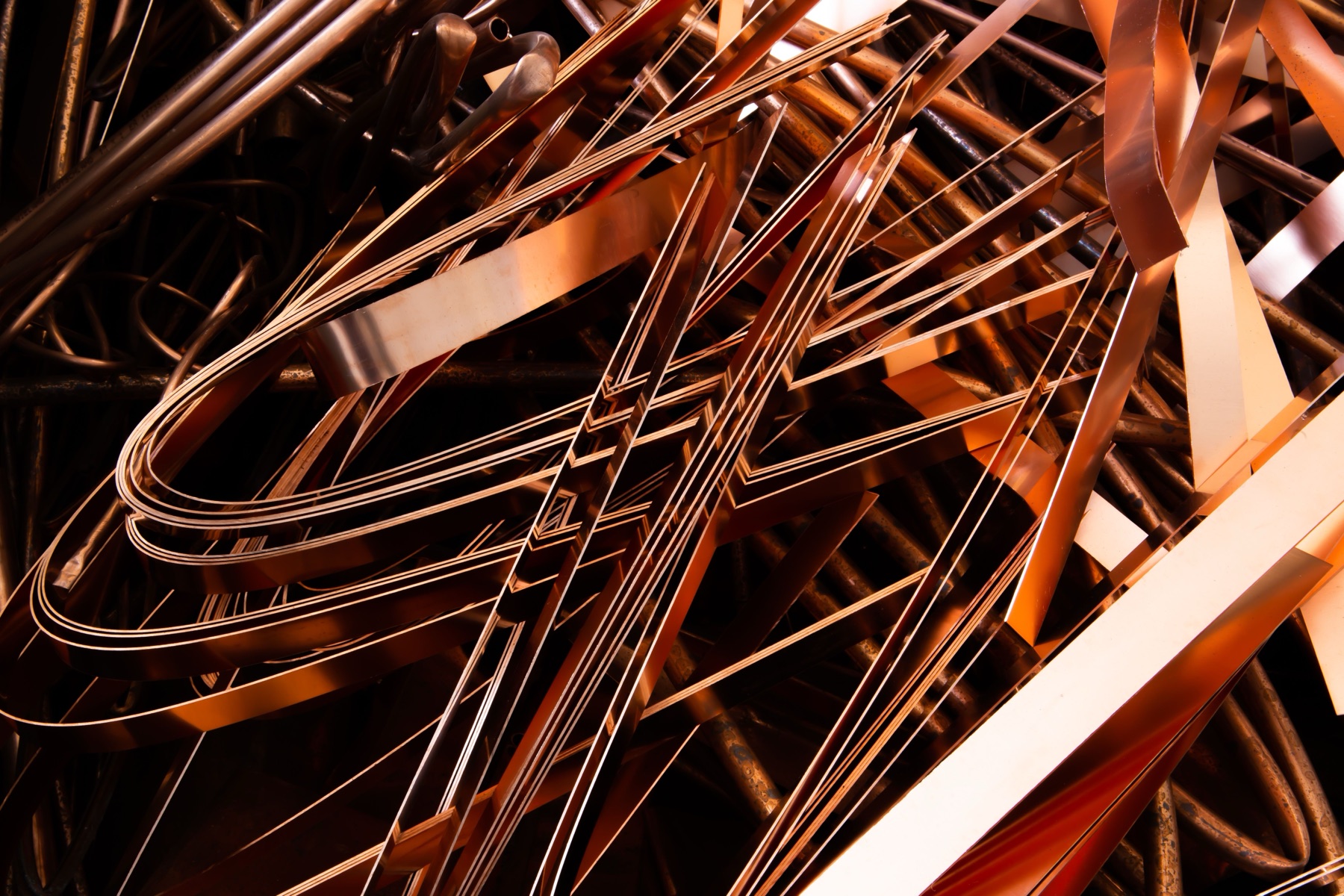
Scenario 3: Buying copper scrap for recycling or remelt
If your profit comes from metal recovery, you’re likely buying scrap rather than new copper.
- Copper form:
- Bare bright wire, mixed insulated wire, tubing scrap, or cathodes depending on your process.
- Supplier type:
- Scrap dealers listed in trade directories that focus on copper scrap.USA copper scrap suppliers
- Recycling brokers and exporters advertising copper scrap lots in large catalogs.Copper scrap catalog example
- Industrial plants that sell offcuts and production scrap.
Online directories that list US copper scrap suppliers and many scrap listings from various countries show that this is a well-developed but riskier segment. Grades, contamination, and even legality of export/import matter.
Decisions to make:
- Define acceptable contamination levels (e.g., for mixed wire, soldered joints, or attached steel).
- Decide whether you need certified weights and independent inspection for overseas shipments.
- Model yield loss: how much actual copper you’ll recover after stripping or smelting.
Scenario 4: Reselling copper jewelry, mugs, or home decor
Small ecommerce brands may not need raw copper at all; they need finished goods with copper appeal.
- Copper form:
- Bracelets, bangles, rings marketed as pure copper or plated.
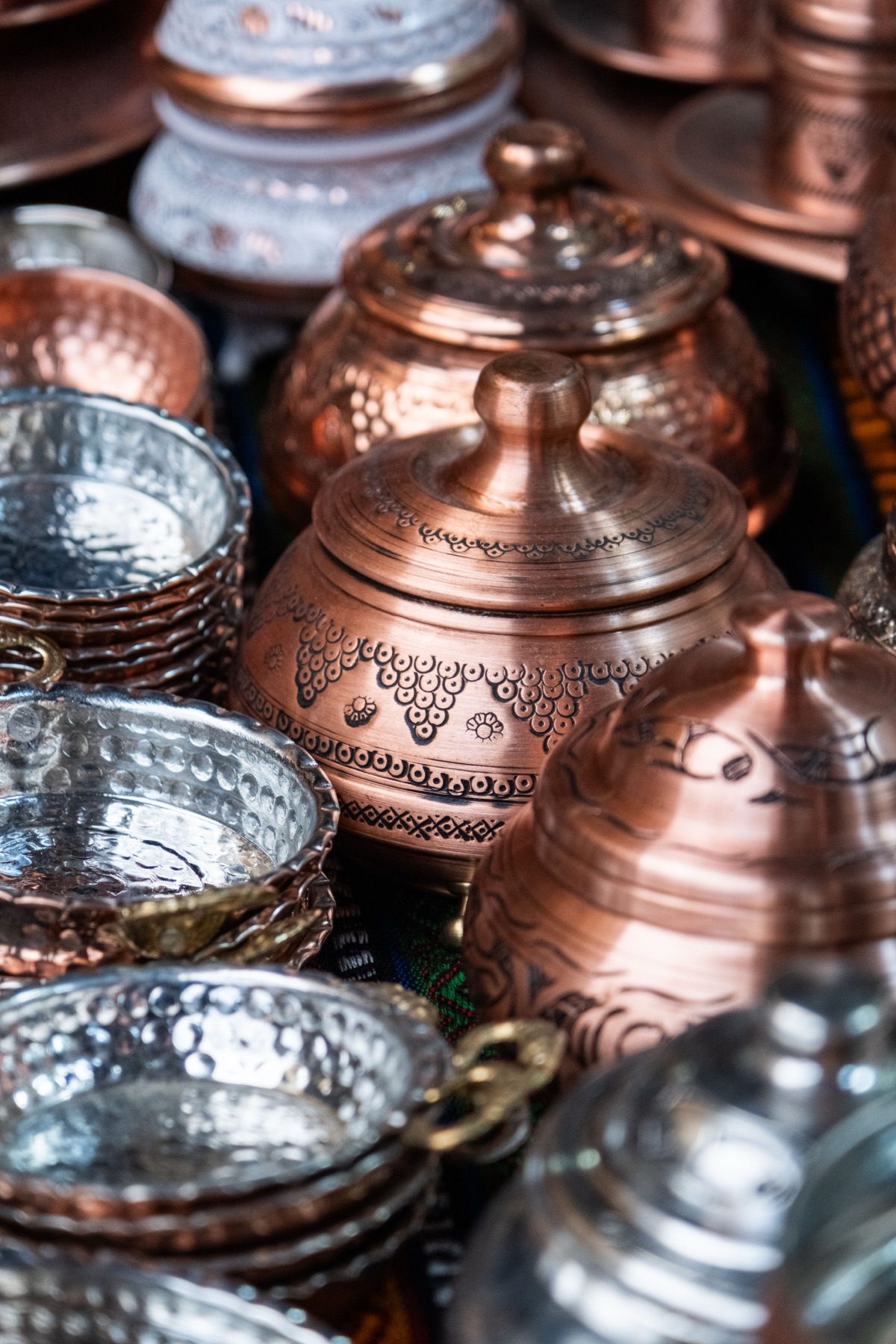
- Moscow Mule mugs and copper cups.
- Supplier type:
- Jewelry and home-goods wholesalers.
- General B2B marketplaces that have bulk listings for copper bracelets and mugs.
There’s an active online market for these items in sets and wholesale lots.Copper jewelry example Copper mug example Your supply risk is less about metal grade and more about finish quality, plating thickness, and consistency across batches.
Decisions to make:
- Decide whether you want certified pure copper or are fine with copper-plated steel.
- Clarify packaging (retail-ready vs bulk polybag) for your ecommerce channel.
- Ask about logo engraving, custom patterns, or handle designs for signature products.
Quick alignment: use case to supplier
Here’s a compact way to match your situation to likely supplier profiles:
| Your main use case | Copper form | Likely best supplier type |
|---|---|---|
| Power cables, harnesses, electrical panels | Wire, cable, bus bar | Specialized copper/metal supplier, cable maker |
| Roofing, panels, furniture, crafts | Sheet, plate, coil | US metal service center or online bulk sheet seller |
| Scrap recycling, remelt, metal recovery | Scrap wire/tube, cathodes | Scrap dealers, recycling brokers, online scrap B2B directories |
| Reselling jewelry, drinkware, decor | Finished goods | Jewelry/homeware wholesalers, generalist B2B marketplaces |
Vetting Copper Suppliers and Avoiding Quality or Export Surprises
You’re not just buying metal; you’re buying a relationship. For copper, that means verifying more than a product photo.
Check the business, not only the listing
- Business credentials: Verify company name, address, and registration. For US suppliers, you can often match them against state business registries. For exporters, look for tax IDs, export licenses, or trade association memberships.
- Reviews and references: Look for reviews on independent sites or directories. Ask for references from customers in the same industry — a supplier good at decorative sheet might not be right for high-conductivity bus bars.
- Industry certifications: Some copper suppliers highlight quality control standards or certifications. While those vary, a documented system is a positive signal.
Copper-specific product checks
A generic “copper bar” listing isn’t enough for a serious order. You should request, in writing:
- Alloy designation and purity – Is it C110 (ETP), C101 (oxygen-free), or another grade? What’s the quoted copper content?
- Mechanical properties – Temper (soft/annealed, half-hard, hard) if you’re forming or bending.
- Dimensions and tolerances – For sheet: thickness range, flatness; for wire: gauge accuracy.
- Test or mill certificates – For large orders, ask for recent mill test reports or lab results tied to heat numbers.
For scrap, the checks shift:
- Require a clear description of grade (e.g., bare bright, #1 or #2 copper) and the standard being used.
- Ask how they measure moisture and non-metal content and how they price or discount for it.
- For cross-border scrap, insist on recent photos and, for big shipments, consider third-party inspection at loading.
Export, import, and logistics surprises
While this article doesn’t give legal or customs advice, there are a few practical red flags:
- Vague origin or routing: If a seller can’t clearly state where the copper is produced or stored, that’s a problem for both quality and customs.
- Inconsistent paperwork: Names or weights that don’t match across invoices, packing lists, and bills of lading should freeze the deal until clarified.
- Unrealistic claims:
- “No loss,” “zero impurities,” or prices that are far below typical market ranges without explanation are warning signs.
In all cases, keep your questions specific to copper — about grades, conductivity, or contamination — so you can tell whether you’re talking to a real metal supplier or a generic trader.
Negotiating MOQs, Pricing, and Logistics for Bulk Copper Orders
Bulk copper rarely sells like retail. You’re dealing with minimum order quantities (MOQs), tiered pricing, and material that’s heavy, bulky, or both.
How MOQs typically work
MOQs vary by channel:
- Specialized copper suppliers: May set MOQs by weight or by piece (e.g., full-length bars, full coils) and offer better unit pricing once you commit to larger lots.
- Online bulk sheet retailers: Often use tiered pricing — unit price drops as you move into higher quantity brackets, which are sometimes displayed right on the product page.Bulk copper sheet sellers
- Scrap dealers: May only entertain orders above a certain tonnage or container size because handling small lots is inefficient.
If you’re a small business, your job is to balance bulk discounts with real consumption. Metal-buying guidance stresses that bulk discounts are common but warns against overbuying beyond your storage capacity and demand.How to get best prices on metal supplies
Price tiers and total landed cost
Copper pricing moves with global markets, but your negotiation levers are practical:
- Volume-based tiers: Many suppliers publish or offer tiered pricing. Ask them to specify the volume breaks so you know whether nudging your order up slightly unlocks a lower price per pound or per sheet.
- Commitment vs flexibility: Some will extend better pricing if you commit to regular scheduled releases rather than a one-off shipment.
However, the per-unit material price is only one piece of landed cost. You also need to account for:
- Freight and handling (including palletization, crating, and liftgate services if needed).
- Duties and customs clearance for imported copper or scrap (consult a customs broker for details on your specific HS codes and routes).
- Storage costs and potential loss (corrosion, theft, or obsolescence if you bought the wrong form).
Using price comparison tools or getting multiple quotes from different suppliers helps you see whether a seeming discount is eaten up by higher freight or fees.How to get best prices on metal supplies
Negotiation tactics tailored to copper
Standard negotiation advice applies, but you can strengthen your case by showing you understand the metal:
- Be precise: Send a detailed RFQ with alloy, dimensions, tolerances, and target volume. Specifics make it easier for suppliers to sharpen their pencil.
- Offer test orders leading to volume: For new relationships, propose a smaller trial batch with an agreed path to a larger contract if performance is good.
- Ask about remnant or offcut deals: Some suppliers have remnant programs for odd-sized sheet or bar left from larger jobs, sold at a discount.
Comparing Sourcing Channels: Domestic Suppliers, B2B Marketplaces, and Scrap Networks
Once you know what you need, you still have to decide where to buy. Each channel has strengths and trade-offs.
Domestic metal suppliers and service centers
Best fit for: Semi-finished copper (sheet, bar, tube, wire) where specifications matter and projects are ongoing.
Pros:
- Strong control over alloy, dimensions, and consistency.
- Access to custom services like cutting, slitting, and forming.Lewis Brass & Copper overview
- Easier recourse and communication within the US time zone.
Cons:
- MOQs or higher list prices than commodity scrap or some overseas options.
- Limited stock in niche sizes unless you plan ahead.
Specialized suppliers highlighted in public sources promote broad inventories, custom sizes, and service to multiple industries (electrical, construction, manufacturing). That’s ideal if copper is a core input to your business rather than an occasional experiment.Lewis Brass & Copper overview
Global online marketplaces for copper products
Best fit for: Copper-containing finished goods and some small components, especially for resale or branding.
Global B2B marketplaces (including DHgate) list items like pure copper bracelets, magnetic bangles, and Moscow Mule-style copper mugs in sets or bulk quantities.Copper jewelry example Copper mug example These platforms are generalist, not dedicated metal exchanges, so they’re better suited to:
- Testing a copper jewelry line without commissioning your own factory.
- Ordering distinctive barware (e.g., 100% copper mugs) for an ecommerce store.
- Sourcing small hardware or components that include copper.
Limitations and buyer jobs:
- Treat each listing as a separate supplier relationship; quality and reliability vary.
- Focus on product-specific due diligence: material claims (e.g., “pure copper”), finish, photos of the actual product, ratings, and any buyer feedback.
- For bulk orders, message the seller to confirm metal composition and production capacity, and request photos or videos of current stock.
For raw material like coil, bar, and industrial scrap, these generalist marketplaces are usually not the most efficient option. You’ll have more predictable results with specialized metal suppliers or scrap networks.
Scrap networks and recycling channels
Best fit for: Businesses that profit from melting, refining, or reselling scrap rather than consuming prime metal.
Pros:
- Potentially lower metal cost per pound, depending on grade and market timing.USA copper scrap suppliers
- Flexibility to buy different scrap types (wire, tubing, mixed metals) to suit your process.Copper scrap catalog example
Cons:
- Quality variability: Different loads may have different contamination, moisture, or non-copper content.
- Greater regulatory and logistics complexity, especially in cross-border deals.
US-oriented directories and large international catalogs of copper scrap show that there’s plenty of supply — your challenge is picking trustworthy counterparties and accurately pricing yield and logistics.USA copper scrap suppliers Copper scrap catalog example
Putting it together: which channel suits your size and risk tolerance?
For a small US ecommerce or fabrication business:
- If copper is central to your product (e.g., you’re making high-conductivity parts), lean toward domestic or reputable specialized suppliers even if the headline price is higher.
- If copper is a design or marketing element (jewelry, mugs, decor), a combination of domestic wholesalers and online marketplaces can give you variety and low MOQs.
- If you’re experimenting with scrap-based business models, start with domestic scrap dealers or well-vetted brokers before jumping into overseas container deals.
The right answer often blends channels over time: you might prototype with marketplace-sourced copper goods, then move mature lines to more controlled suppliers, while keeping scrap or remnant deals in your back pocket for cost-sensitive projects.