
If you’re comparing Amazon car battery testers and wondering whether DHgate is a smart place to source them, the short answer is: DHgate can work for budget, unbranded testers and private‑label ideas, but you’ll need to be very disciplined about specs, reviews, and seller choice. For mission‑critical workshop tools or branded gear with certifications, it’s often safer to stay with established brands on Amazon or US distributors and use DHgate only for low‑risk add‑ons.
The sections below focus on what DHgate actually offers in car battery testers, how that maps to Amazon and workshop needs, and where the marketplace starts to be more trouble than it’s worth.
What You Actually Need from a Car Battery Tester for Amazon or Workshop Use
Before you search DHgate, get very specific about what the tool has to do.
For a typical US passenger vehicle or light truck, you’re usually looking at 12V lead‑acid batteries, sometimes AGM. That means you want a tester that clearly states 12V support and, if you’re dealing with trucks, possibly 24V as well. Some DHgate listings, like BM550‑type tools, claim support for 6V, 12V, and 24V batteries and list a CCA (cold cranking amps) test range such as 100-2000 CCA, which lines up with many automotive starter batteries.
Key decisions before you open DHgate:
- Voltage and battery type: Do you only need 12V car batteries, or also 24V truck/boat and smaller 6V batteries? If you service AGM, GEL, or LiFePO4, look for those words in the spec lines.
- Functions: Simple LED testers only show rough voltage and alternator status. Amazon buyers often expect more: cranking test, charging system test, internal resistance or state‑of‑health.
- Display and usability: A 6‑LED mini tester is cheap and compact, but it won’t give numerical readings that serious DIYers or shops expect. LCD analyzers look more professional in Amazon photos and listing copy.
- Reliability expectations: For personal use or low‑volume resale, occasional misreads are annoying but survivable. For daily shop use or a high‑review Amazon listing, fragile tools and inconsistent readings can turn into returns and 1‑star feedback.
Clarifying this up front lets you scan DHgate listings with a strong filter rather than just chasing the lowest price.
DHgate Listing Snapshot: What Car Battery Testers Actually Look Like (2026-10-06)
To make this concrete, here’s a snapshot of several DHgate car battery tester listings observed on 2026-10-06. Prices and availability change, so treat this as a directional view, not a live quote.
| DHgate listing (linked) | Type & functions | Voltage support | Price range (USD) | Rating / reviews |
|---|---|---|---|---|
| 12V Auto Digital Battery Tester, 6 LED Light | Mini LED voltage/alternator tester for motorcycles/cars | 12V | 4.16-9.28 | 5.0 rating, 13 reviews |
| BM550 car battery tester, 6V/12V/24V, 100-2000 CCA | Digital analyzer; battery system detection with CCA range | 6V, 12V, 24V | 40.69-115.20 | No rating shown in snapshot |
| 12V car battery tester, cranking & charging test | Digital analyzer; tests cranking and charging systems | 12V | 22.81-23.40 | No rating shown in snapshot |
| 12V/24V battery capacity & internal resistance tester | Digital capacity/internal resistance tester | 12V, 24V | 54.57-55.97 | No rating shown in snapshot |
| 2 in 1 smart charger & system tester (AGM/GEL/LiFePO4) | Charger + system tester for multiple chemistries | Various 12V types (AGM, GEL, LiFePO4) | 34.29-35.23 | No rating shown in snapshot |
You can see a pattern:
- Very low‑cost 12V LED testers: Like the 12V Auto Digital Battery Tester with 6 LEDs, which sits at the low end of the price band and has multiple positive reviews.
- Mid‑tier digital analyzers: Tools in the $22–$60 band that advertise cranking/charging tests and sometimes internal resistance.
- Higher‑spec multi‑voltage analyzers: BM550 models and similar, which claim wider voltage and CCA ranges and show much broader price bands that can reflect kit bundles or varying supplier margins.
This spread matters if you plan to list on Amazon: Amazon already has a lot of low‑end 12V LED testers; the mid‑tier analyzers and multi‑chemistry tools offer more room for differentiation, but they’re also where inaccurate specs or weak build quality can hurt you.
How to Read DHgate Car Battery Tester Listings Like an Amazon Seller
DHgate’s listings can be noisy, with near‑duplicate photos and titles. To make them useful for Amazon sourcing, you need to lean hard on specs and reviews, not just product images.
On DHgate, product pages typically show star ratings, written feedback, and sometimes buyer photos and videos. DHgate’s own editorial guidance highlights these as tools for judging both product quality and seller reliability, and suggests looking for patterns in positive and negative reviews rather than trusting a single comment.
For car battery testers, here’s how to turn that into specific checks:
- Spec line vs. title claims: A listing like the BM550 tester explicitly states 6V/12V/24V and 100-2000 CCA. Make sure those details appear both in the title and detailed spec text, and that photos of the screen menus look consistent with those capabilities.
- Battery chemistry language: Some tools, such as the 2‑in‑1 smart charger/tester, mention AGM, GEL, and LiFePO4. If you want to pitch an “all‑chemistry” Amazon listing, confirm that wording appears in multiple places and is echoed by any buyer reviews.
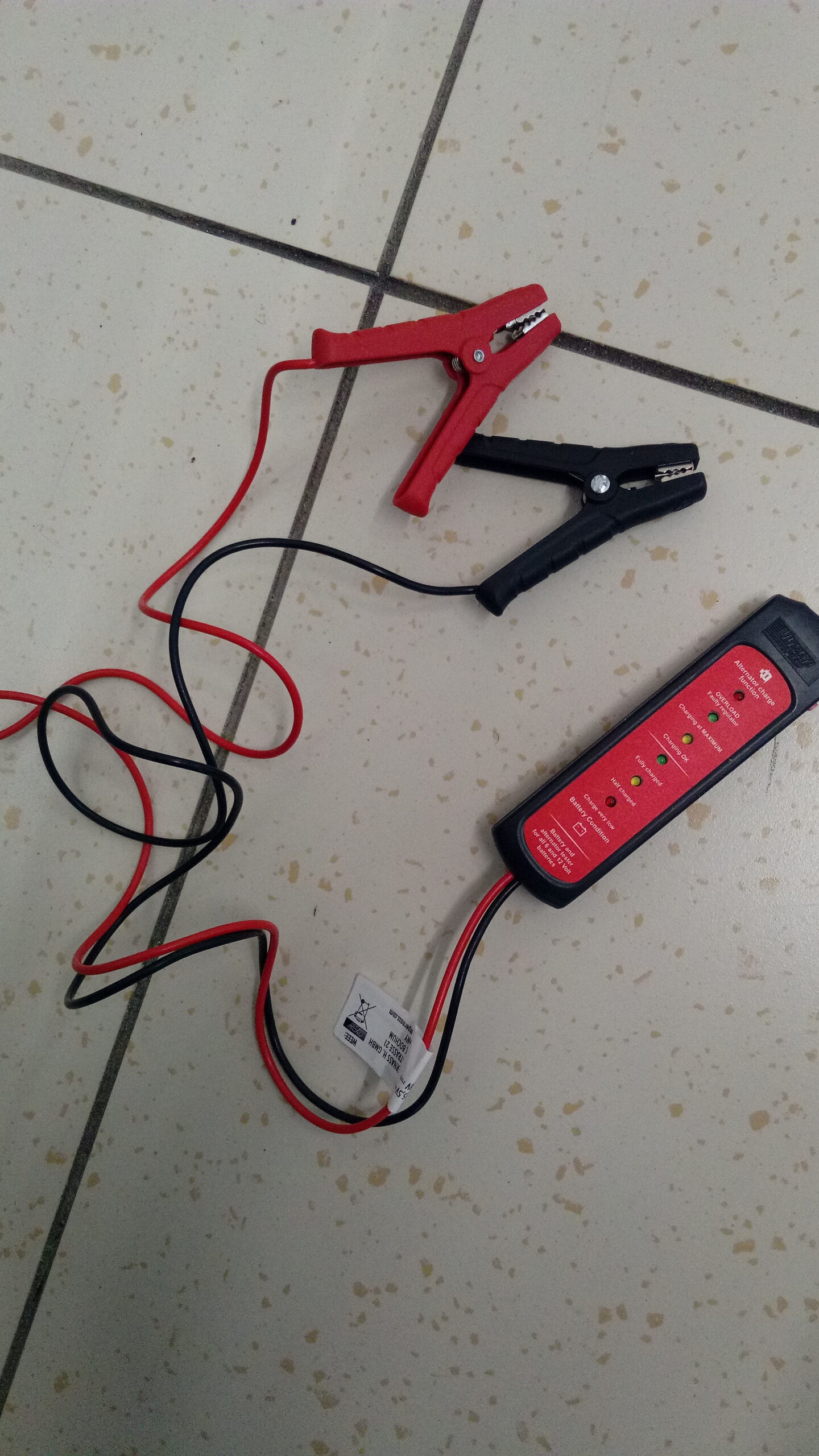
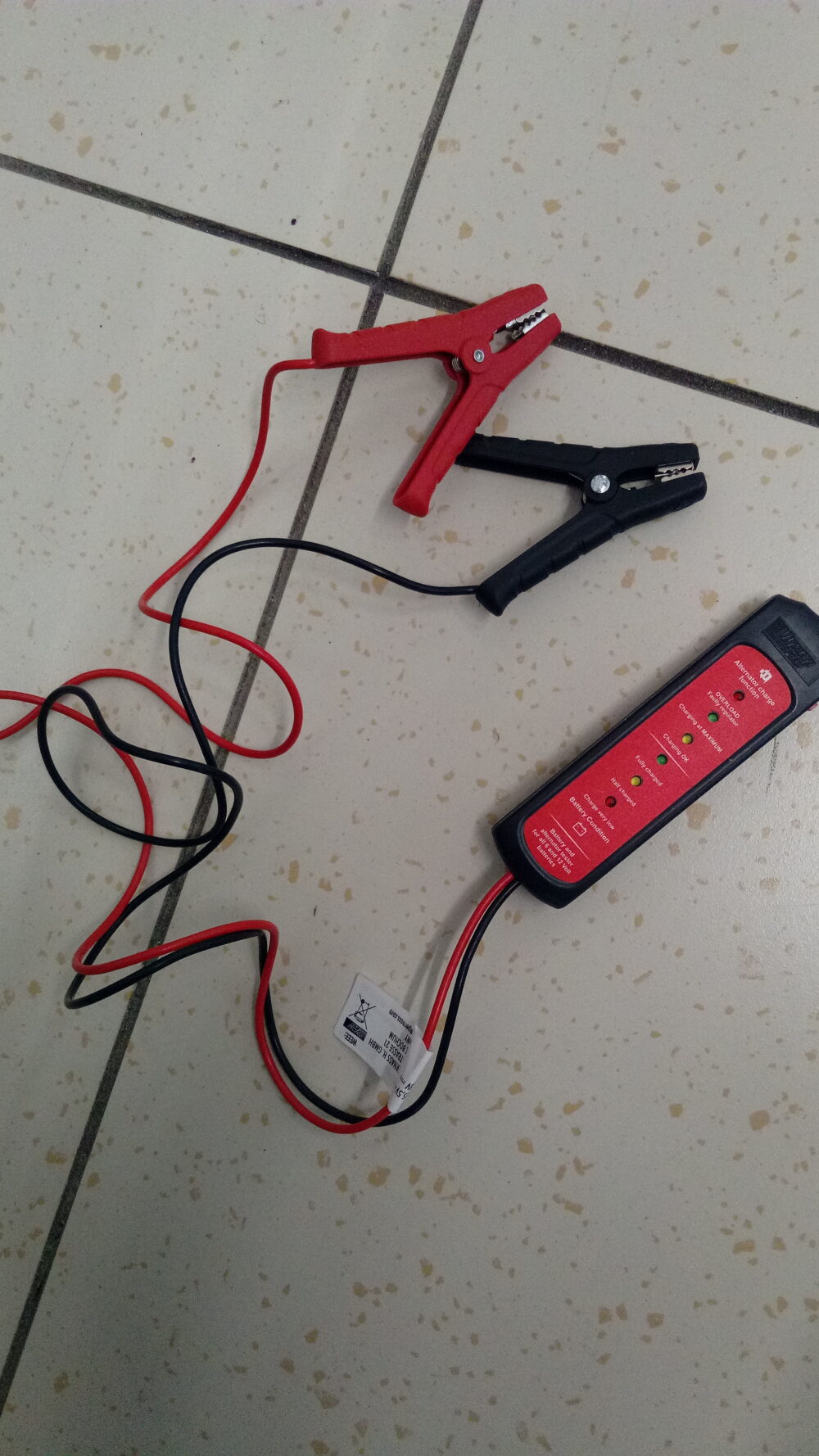
A retail car-battery and alternator tester with clamp leads. Photo by Donald Trung Quoc Don, CC BY-SA 4.0, via Wikimedia Commons.
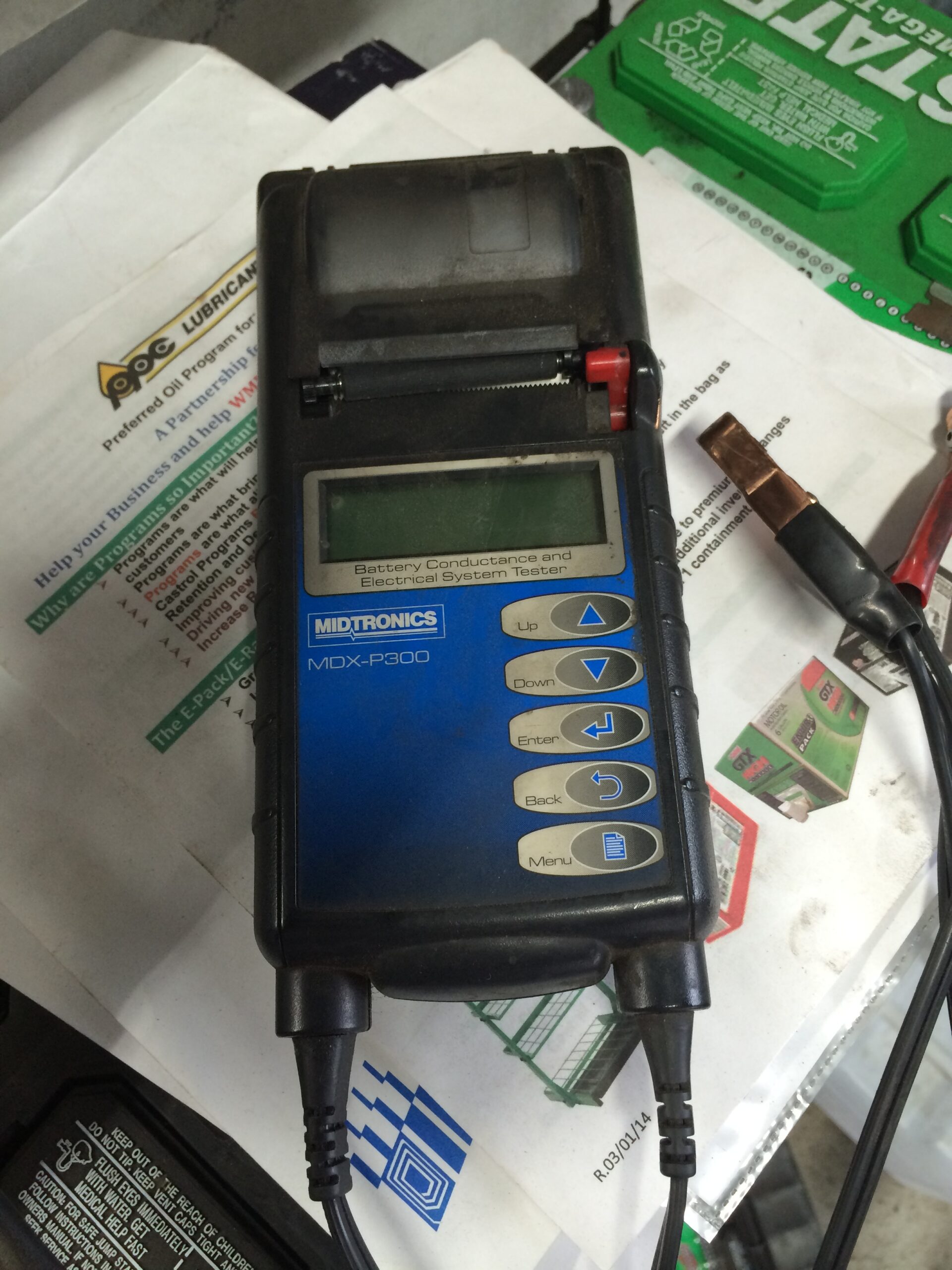
A handheld automotive battery-conductance and electrical-system tester. Photo by Ahsanriaz6157, CC BY-SA 4.0, via Wikimedia Commons.
For Amazon sellers, a good litmus test is: could you write an honest, detailed Amazon listing (features, limitations, use cases) based only on what the DHgate listing and its reviews prove? If not, that’s a sign the product is too vague to anchor a robust SKU.
Query-time DHgate listing example
Observed on 2026-10-06, 12V Digital Car Battery Tester Quick Tester Alternator Charging adapter Car Battery Test Tool for Car Truck Repair appeared in Other Electrical Instruments. This is a time-bound, illustrative listing example; availability and listing details may change. Compare the stated specifications and order a sample before considering a larger purchase.
When DHgate Is the Right Channel for Car Battery Testers—and When You Should Pass
DHgate is known, in its own buyer‑review analysis, for broad product variety and competitive pricing, with mixed experiences on seller accountability. That combination can be either a huge opportunity or a headache depending on how you plan to use these testers.
Scenarios where DHgate can make sense
- Low‑risk private‑label Amazon SKUs: If you’re targeting budget buyers who just want a simple 12V checker, something like the 6‑LED mini tester can be viable. You’d focus on packaging, branding, and honest positioning (“basic check,” not professional diagnostics), and avoid safety‑critical claims.
- Workshop backup tools and giveaways: A mid‑tier 12V cranking/charging tester in the ~$20–$30 band might be fine as a backup device or a promotional item, where occasional failure isn’t catastrophic.
- Niche chemistries and bundle ideas: Tools that mention AGM, GEL, or LiFePO4 support can be bundled with chargers or battery accessories for Amazon, provided you verify the functionality via samples before committing to inventory.
Scenarios where another route is usually better
- Professional shop diagnostics: If you need a tester for daily use, tied directly to customer safety and your reputation, a well‑supported brand purchased through Amazon or a US distributor is usually safer. You get clearer documentation, known accuracy claims, and more predictable warranty support.
- Certification‑sensitive Amazon categories: On Amazon, certain tools may draw scrutiny around safety or compliance. If you plan to advertise standards such as UL or specific automotive certifications, sourcing from manufacturers or distributors who document those standards is more straightforward than trying to validate cross‑border DHgate listings.
- High‑volume retail with strict review goals: If your business model depends on thousands of units sold with tightly managed review averages, the variability in DHgate sellers and the limited visibility into long‑term durability can be a risk.
DHgate’s strength here is access to many variations of essentially the same tester at aggressive prices. Its weakness is that you, not the marketplace, have to do the hard work of separating solid tools from fragile or exaggerated products.
For broader channel context beyond car battery testers, it can be useful to look at how DHgate stacks up against marketplaces like AliExpress and Alibaba in general. Guides such as Compare DHgate with AliExpress, Alibaba and Temu and What DHgate is and how the marketplace works can help you decide whether DHgate fits into your sourcing mix at all.
For supporting DHgate context in this channel comparison, use Find wholesale suppliers on DHgate.
If you do decide DHgate is worth testing for car battery analyzers, start small: order samples from 1-2 promising listings, compare performance to the Amazon products you’re targeting, and only then decide whether to roll them into your Amazon catalog or keep them as internal shop tools.