
Most reviews that mention “Amazon car battery testers” are really comparing tester models, not where you buy them. Sites like Redline Car Garage and GearHungry rank digital and load testers that are sold on Amazon, but they don’t ask if Amazon is actually the best place for you to buy.
If you’re a US driver, small repair shop, or ecommerce seller, Amazon usually makes it easy to get a decent tester quickly, backed by user ratings. But brick-and-mortar auto parts chains, specialist tool retailers, and cross-border marketplaces can beat Amazon on factors like hands-on support, professional-grade tools, or bulk pricing. The right channel shifts depending on whether you want one simple 12V LED checker for your own car or a dozen multi-voltage analyzers for resale.
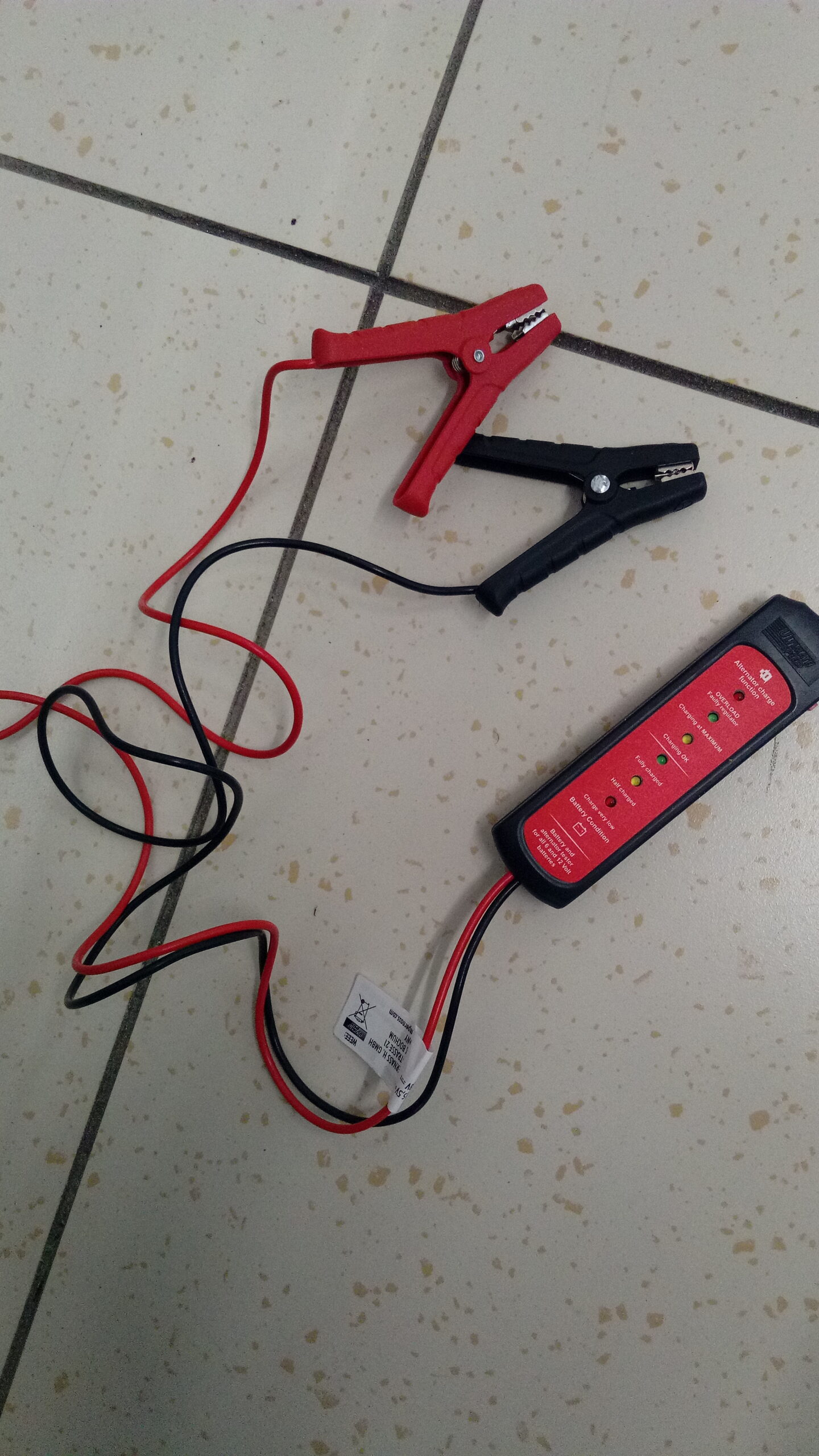
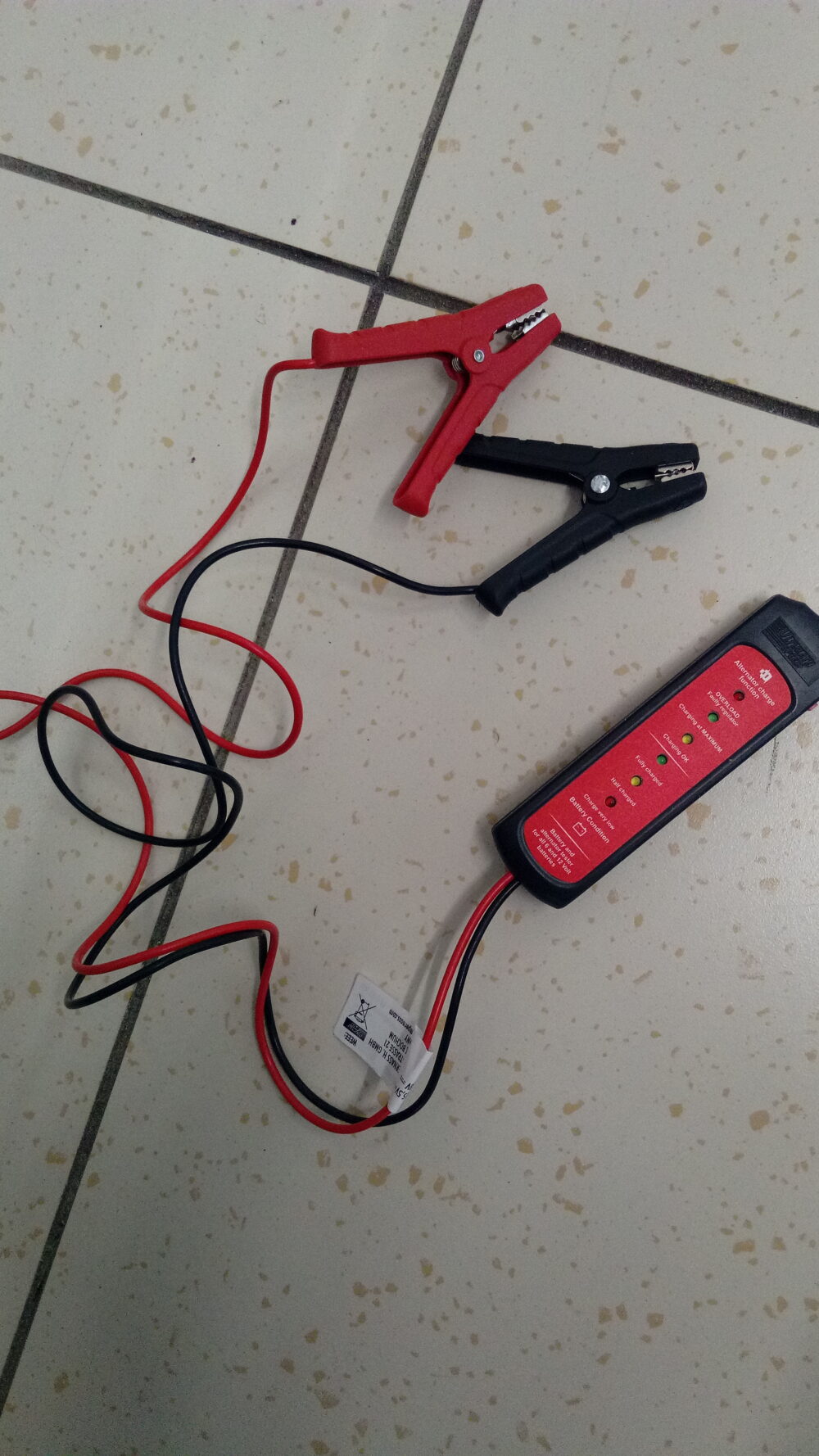
A retail car-battery and alternator tester with clamp leads. Photo by Donald Trung Quoc Don, CC BY-SA 4.0, via Wikimedia Commons.
What existing reviews really compare about Amazon car battery testers
Search results for “Amazon car battery testers” bring up editorial lists like Redline Car Garage’s “Best Car Battery Tester 2026: 8 Digital & Load Testers” and GearHungry’s buying guide. These pieces:
- Focus on specific models – for example, handheld digital analyzers that cover common 12V/24V ranges and various cold cranking amp (CCA) ratings.
- Highlight use cases like “good for most drivers” or “fits typical 12V car batteries,” often with “Buy on Amazon” links.
- Treat Amazon as the assumed retailer, not a decision variable. The question is “which tester,” not “which marketplace.”
Video reviewers on YouTube do something similar. A review of the Kingbolen BM550, for instance, digs into how a low-cost analyzer reads voltage and battery health, and notes that it’s easily bought online. Again, performance and value are the topic – marketplace choice is barely discussed.
What’s missing for your buying decision:
- No real analysis of price differences between Amazon, local auto parts stores, and cross-border sellers.
- Little context on business buying (shops or ecommerce sellers that need multiple units).
- Minimal discussion of risk tradeoffs: is a very cheap cross-border tester worth the extra sourcing complexity versus a well-reviewed Amazon model?
This article fills that gap by keeping the same testers in view but shifting the lens to the channels that sell them.
How Amazon car battery testers differ from other places you can buy
To compare channels fairly, it helps to look at a few specific dimensions: selection, pricing feel, reviews, and overall buying friction/risk.
Side-by-side channel snapshot
| Channel | Typical selection & tester types | Pricing feel (editorial view) | Reviews & information | Buyer experience / risk (editorial view) |
|---|---|---|---|---|
| Amazon | Large range of 12V car battery testers, load testers, and digital analyzers. | From very cheap basics to midrange; easy to see alternatives. | Strong customer rating and review presence. | Convenient for US buyers; quality varies by brand/seller. |
| Brick-and-mortar auto stores | Focused range: mainstream 12V testers and branded tools. | Often higher per-unit than listings online. | Limited online reviews; staff advice in-store. | Low sourcing risk; good if you need a tester today. |
| Specialist tool retailers (online) | Emphasis on pro-grade analyzers and shop equipment. | Mid-to-high; oriented to professional use. | Detailed specs, sometimes expert guides. | Better for shops that value known brands and support. |
| Cross-border marketplaces | Wide mix: simple LED checkers to multi‑voltage analyzers like Kingbolen BM550. | Often low headline prices per unit; shipping and duties vary. | Some listings have ratings; review volume uneven. | More sourcing complexity; attractive for bulk or low-cost buys if you vet listings carefully. |
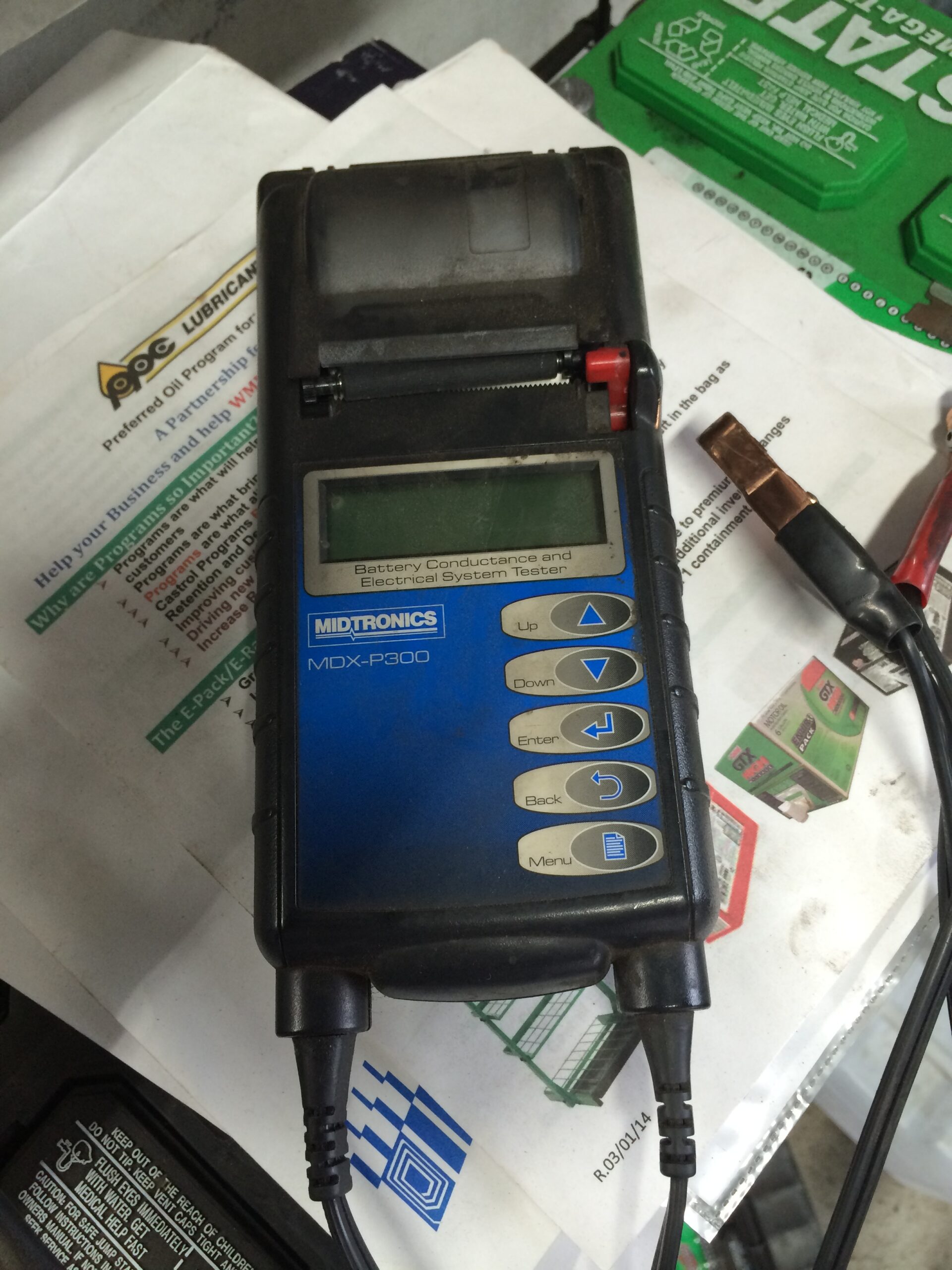
A handheld automotive battery-conductance and electrical-system tester. Photo by Ahsanriaz6157, CC BY-SA 4.0, via Wikimedia Commons.
Amazon’s ecosystem
Amazon groups car battery testers into dedicated categories, such as its “battery tester car” search results, where you’ll see 12V testers and charging/cranking analyzers aimed at cars, trucks, boats, RVs, and more. A listing like the LIBODD BM580 battery tester shows the typical pattern: multi-function (battery + cranking + charging system checks) in a single handheld unit.
A key advantage for many buyers is Amazon’s customer review and rating system. DHgate editorial content has noted in an auto-parts context that being able to read user reviews and see ratings helps buyers make more informed decisions. For battery testers, that means you can scan feedback on ease of use, apparent accuracy, and durability before choosing a brand.
Local auto parts chains and tool specialists
US auto parts chains tend to stock mainstream 12V testers and load testers from familiar brands. You won’t see the same breadth of off-brand analyzers as you do on Amazon, but you can talk to staff and, in many cases, have them test your battery or charging system on the spot. Prices per unit are often higher than what you’d find scrolling Amazon, but you’re paying for immediacy and low hassle.
Specialist tool retailers focus more on professional-grade analyzers and shop equipment. If you’re a repair shop that wants a rugged tester to use all day, these sites can be stronger than Amazon on documentation, brand consistency, and tech support, even if upfront cost is higher.
Cross-border marketplaces (where DHgate fits)
Cross-border marketplaces add another layer, especially for small ecommerce sellers or budget-conscious buyers.
On DHgate as of 2026-10-06, listings include very low-cost mini 12V LED battery testers such as:
- Mini 12V Car Battery Tester Digital Alternator Testers 6 LED Lights Display Auto Diagnostic Tool For Cars Motorcycles – a compact 6‑LED display tool for cars and motorcycles, with a price range roughly in the mid single‑digit USD and a 5.0 rating from 14 reviews.
- 12V Auto Digital Battery Tester Alternator 6 LED Light for Motorcycle Batterys Car Diagnostic Tool – another 12V LED-style tester, similarly budget‑oriented with a 5.0 rating from 13 reviews.
You also see more advanced analyzers comparable to what YouTube reviewers cover:
- kingbolen car battery tester bm550 6v 12v 24v 1002000cca 2ah220ah battery system detect auto battery analyzer car battery tool, supporting multiple voltages and wide CCA and Ah ranges.
These examples show how cross-border marketplaces overlap with Amazon’s product universe (same brands, similar digital analyzers) but skew toward low unit pricing and greater variety of off-brand tools. The tradeoff is that you need to pay closer attention to each listing’s specs, seller track record, and total landed cost.
If you want broader marketplace context for cross-border sourcing decisions, you can read overviews such as DHgate vs AliExpress, Alibaba and Temu or background on what DHgate is and how the marketplace works.
Which channel makes most sense for different buyers and sourcing scenarios
Different buyers should treat “Amazon car battery testers” differently. Here’s how the channels line up in practical scenarios.
1. Single-car owner who just wants a basic health check
If you mainly want to know whether your 12V battery is weak or your alternator is charging, and you don’t plan to test often:
- Amazon: A simple LED or entry-level digital tester with solid ratings is usually the easiest choice. The broad selection and user reviews help you avoid obviously problematic products.
- Local auto store: If your car is already acting up, going to a chain store and having them test the battery/charging system may be more useful than buying your own tester. You may still buy a basic tool in-store for peace of mind.
2. DIY enthusiast or home mechanic with multiple vehicles
You’re more likely to use the tester regularly and care about features.
- Amazon: Strong fit for midrange digital analyzers that cover 12V and sometimes 24V, with support for different battery types and CCA ranges. Reviews and Q&A sections help you confirm real-world usability.
- Specialist tool sites: Worth a look if you want a known brand, long-term durability, and detailed documentation. You may pay more than an Amazon listing but get a clearer spec sheet and support.
3. Small auto repair shop buying one or two “house” testers
A shop needs reliability and repeatable results more than rock-bottom price.
- Specialist tool retailers usually make the most sense here. Their catalogs often emphasize shop-ready testers and may align better with your existing tool brands.
- Amazon can still work if you pick a well-established brand with a high review count and clear warranty terms from the manufacturer. The platform’s breadth is useful, but don’t treat every low-cost analyzer as shop-grade.
- Cross-border marketplaces become more attractive if you’re price-sensitive and willing to qualify a tool yourself before daily use, but that adds testing time and some risk if the device doesn’t match its description.
4. Ecommerce seller or small wholesaler sourcing inventory
If you’re stocking battery testers to resell online or in a small shop, channel choice matters.
- Amazon is mainly a retail channel; flipping testers bought at retail prices into your own store can work only in narrow cases (bundles, local markup).
- Cross-border marketplaces like DHgate are more inventory-friendly: you can find very low-cost mini 12V testers and multi-voltage analyzers with price ranges that leave room for margin. Because listings vary widely, your sourcing checklist should include confirming voltage/CCA ranges, checking any existing ratings, sampling a unit before a larger buy, and comparing total landed cost.
- For recurring, higher-volume needs, you may want to combine marketplace sourcing with broader wholesale research via resources such as Find wholesale suppliers on DHgate.
In short, Amazon’s car battery tester selection and review ecosystem make it a strong default channel for US consumers and many DIY mechanics. Once you start caring about bulk inventory, pro-grade shop tools, or the lowest possible unit price, auto parts chains, specialist tool retailers, and cross-border marketplaces each become viable – and sometimes better – alternatives. Matching your channel to your actual use case is the step most generic “best tester” lists skip.