
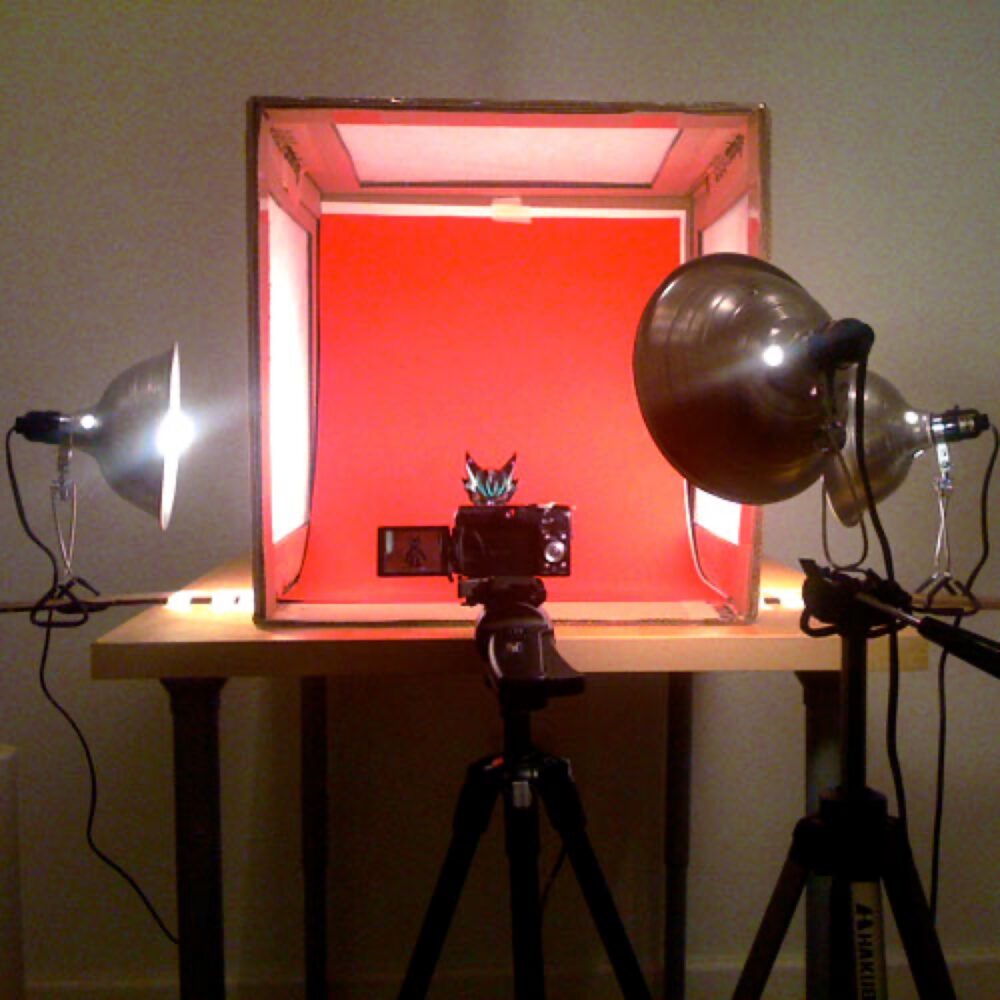
Amazon is a convenient place to compare light boxes, but “light box” covers different products: photo tents for product photography, flat light pads for tracing, illuminated signs, and therapy lamps. For product photography, Amazon’s own Basics photo studio listing describes an all‑in‑one, 25″ × 30″ × 25″ LED cube with a white backdrop. A buyer should compare the exact dimensions, lighting controls, backdrop system, warranty, and current delivered price rather than assuming an Amazon listing is automatically better value.
If you’re a small seller or creator, Amazon is often the fastest, lowest‑friction way to get a usable light box. But if you care about maximum image quality, durability, or unit cost for bulk orders, looking beyond Amazon to named photo gear brands or wholesale marketplaces can give you more control — along with more homework.
What counts as an “Amazon light box” and what buyers actually need
Search “light box” on Amazon and you don’t get just one type of product. You see three main categories that matter for US buyers and small ecommerce sellers:
- Product photography light boxes (photo studios)
On Amazon’s generic light box search page, you’ll find folding fabric or plastic cubes with built‑in LED strips and interchangeable backdrops, marketed for tabletop product photography — jewelry, electronics, cosmetics, and small accessories.
Typical traits:
- Enclosed shooting area with diffused sides to soften shadows.
- LED lighting built into the frame or roof.
- Swappable backgrounds (usually white plus a few colors).
- Sized for desktop use, often between roughly 12″ and 30″ in width.
- Amazon Basics portable photo studio box
Amazon’s own branded option is the Amazon Basics Portable Foldable Photo Studio Box. The listing describes a 25″ x 30″ x 25″ cube with LED lights and a bright‑white backdrop, designed to fold flat for storage. The idea is: one purchase and you have a ready‑to‑use studio for most small to medium products.
- Tracing pads and artist light boxes
Under Amazon’s art drawing supplies category for light boxes, you’ll see LED light pads meant for tracing, sketching, diamond painting, and similar work. These are flat panels (often A4 or A3) with adjustable brightness, sometimes built‑in stands or padded cases, and they’re sold more like drawing tools than photography gear. You can see examples on Amazon’s dedicated artists light box page: Artists Light Boxes / Art Drawing Supplies.
- Other uses that show up in searches
Some Amazon and marketplace search results mix in signage or decorative light boxes and even therapy lamps. Those don’t help with product photography or tracing. Make sure you’re looking at either:
- “Photo lightbox” / “product photography lightbox” for ecommerce photos.
- “LED light pad” / “tracing light box” for drawing or diamond painting.
If you’re shooting catalog photos for your store, comparing a photography light box to a tracing pad is apples to oranges. Decide your primary use — photos or tracing — before judging price and quality.
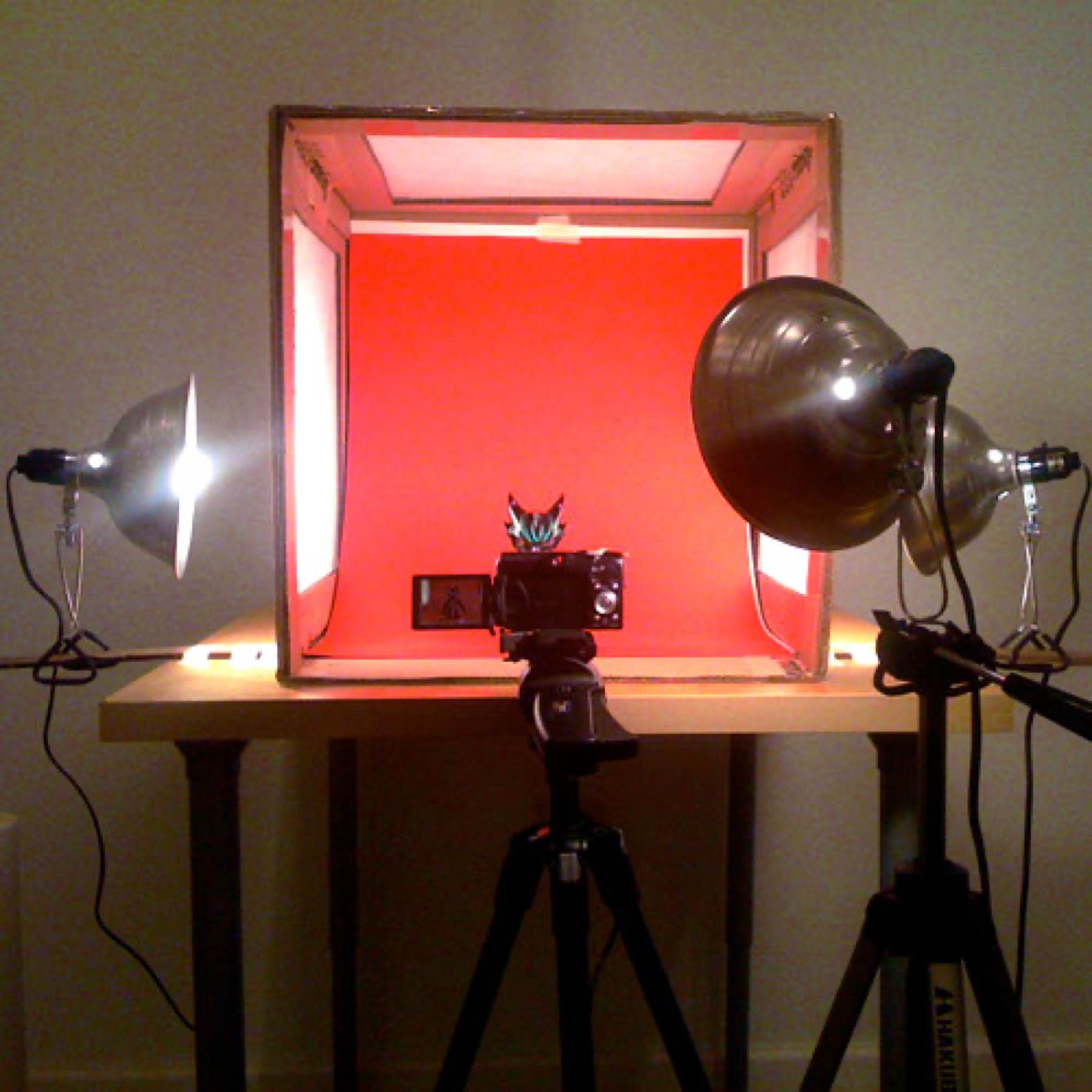
Image credit: Kirby Kerr, CC BY 2.0, via Wikimedia Commons.
How Amazon light boxes compare on price and quality to other brands
For the common buyer task — getting better product photos or a clean tracing setup — you’re usually weighing Amazon’s convenience against potentially better‑tuned gear from other brands.
Product photo light boxes: Amazon vs named competitors
On Amazon’s “lightbox” search page, many listings pitch themselves directly at jewelry and electronics sellers, emphasizing even lighting and multiple backdrops: lightbox search. Amazon Basics sits in that crowd as a recognizable brand with a simple spec sheet.
A YouTube review titled “Don’t Buy The Amazon Basics Photo Studio Light Box” argues that a competing product performed better in the reviewer’s own comparison (YouTube review). Treat that as one person’s test, not independent laboratory evidence. Use it to identify questions—such as light uniformity, reflections, setup time, and backdrop creasing—then check whether the current listing and recent buyer reports address them.
In practice:
- Amazon Basics box – You get a single, large cube that’s fast to set up, with integrated LEDs and a white backdrop. Good if you want one purchase and minimal fiddling.
- Other named products – Compare published specifications such as CRI, brightness adjustment, backdrop count, frame design, and warranty. Do not infer quality from brand or channel alone.
Tracing light pads: Amazon’s range vs specialty art brands
On Amazon’s light box and lightpad pages, you’ll see rechargeable A4 pads with padded cases, built‑in stands and clips, and multiple brightness levels — for example, a branded A4 tracing light box highlighted in a curated listing page (sample light box listing). Prices vary widely. At the low end, you’ll see ultra‑thin pads with simple USB power and basic dimming; at the higher end, thicker, more rigid pads with better diffusion and ergonomics.
Compared with specialty art stores or brands sold via dedicated websites:
- Amazon listings can expose multiple products and user reports in one search, but review volume is not proof of light quality or durability.
- Specialty products may publish different lighting, construction, or warranty specifications. Compare those documents and independent tests rather than assuming a specialist label means better quality.
Cross‑border marketplaces and DHgate as a sourcing route
Some cross‑border marketplaces also carry “light box” style products. For example, DHgate lists a Lighting Lux LED Lamp Box SAD light therapy lamp, promoted as an LED mood/therapy light (DHgate lamp listing, snapshot retrieved 2026-09-29). That’s not a photography tool, but it shows how similar terminology appears around different LED box products.
If you explore cross‑border marketplaces for photography or tracing gear:
- Compare the current delivered unit cost for the exact specification and quantity; do not assume a cross-border listing is cheaper.
- Be prepared for more careful supplier vetting: you need to inspect product photos, descriptions, and any available reviews yourself, and confirm the item is truly a photo studio or tracing pad, not signage or a therapy lamp.
Here’s a compact comparison of the main channel types for photo and tracing use:
| Channel / brand type | Typical strength for light boxes | Common trade‑offs |
|---|---|---|
| Amazon Basics photo studio | Simple, all‑in‑one cube with integrated LEDs and backdrop | Check current dimensions, controls, warranty, and independent user tests |
| Other brands sold on Amazon | Wide range: higher CRI LEDs, more sizes, more backdrops | Quality varies; you must filter by reviews and specs |
| Off‑Amazon specialty photo gear | Tuned for photographers; better materials and lighting | Higher price, fewer casual reviews, slower shopping |
| Cross‑border marketplaces | Additional product variants and seller choices | Verify product type, specifications, seller evidence, delivered cost, and timing |
Which channel makes sense for different buyers
Different buyers should make different choices. A single “best” light box doesn’t match every workflow.
If you’re a hobbyist or creator
For occasional product photos, an Amazon-listed photography light box may be adequate if a sample or returnable test meets your workflow:
- Choose a cube that clearly lists LED lighting, at least one white backdrop, and dimensions big enough for your largest product.
- Use Amazon’s review filters and any live video reviews (for example, its Amazon Live product review streams: sample lightbox review video) to confirm the brightness and ease of setup.
If you’re tracing for art or diamond painting rather than shooting photos, pick from Amazon’s light pad category and focus on pad size, brightness levels, and build — not photography features.
If you’re a small ecommerce business shooting lots of product
You’re more sensitive to workflow and consistency.
- An Amazon-listed model can be one standardization option, but record the exact SKU because seller and listing availability can change.
- If reviewers complain about uneven light or color casts on a box you’re considering, treat that as a red flag; across hundreds of SKUs, minor flaws become a major editing burden.
This is where a product with documented lighting specifications may justify extra research. The cited YouTube comparison is useful only as a prompt for your own sample test, not as evidence that one brand is consistently better.
If you’re buying or sourcing in bulk
If you need several light boxes for staff or resale:
- Amazon retail can be quoted for a small batch using the current seller, delivery date, and return terms shown for your address.
- Specialty suppliers can be asked for a written multi-unit quote and warranty terms.
- Cross‑border marketplaces add seller and product options but shift more verification work onto you. Confirm the exact intended use in the listing and consider ordering a single unit first as a functional sample.
For broader cross‑border sourcing strategy, including how marketplaces compare beyond this product category, you can read DHgateWiki’s comparison of major platforms like AliExpress and Alibaba: Compare DHgate with AliExpress, Alibaba and Temu.
The right decision is less “Amazon vs everyone else” and more “which exact product meets the lighting task at an acceptable delivered cost and risk.” Compare documented specifications, test a sample when consistency matters, and treat every marketplace or specialist offer as listing-specific.