
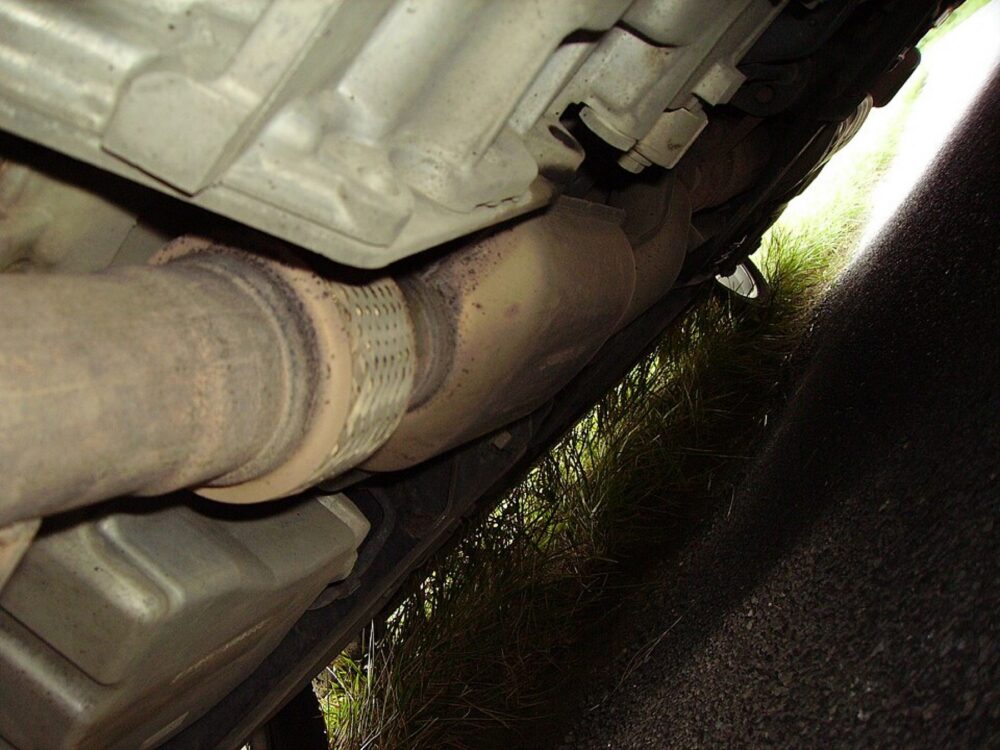
Nissan Frontier and Xterra catalytic converters are available both as genuine Nissan parts and as aftermarket replacements from major online retailers. For a street‑driven US truck or SUV, your safest options are OEM converters bought through official Nissan parts sites or high‑quality direct‑fit aftermarket units from reputable catalogs that clearly match your exact model, engine, and emissions certification (federal vs California). The right choice depends on your state’s emissions rules, how long you plan to keep the vehicle, and whether you’re buying for personal use or stocking inventory.
What catalytic converters do Frontier and Xterra use, and why they matter
On Frontier and Xterra platforms, the catalytic converter is part of the exhaust system that turns harmful combustion gases into less‑toxic emissions before they leave the tailpipe. These vehicles can use more than one converter, and catalog labels such as “front,” “manifold,” “rear,” “left,” or “right” are not interchangeable. Verify the exact configuration by VIN, model year, engine, emissions label, and the catalog diagram for the vehicle.
You might need a replacement converter if:
- Your check‑engine light is on with catalyst‑efficiency codes.
- The converter is physically damaged or rusted through.
- It’s missing or has been hollowed out.
- You’re repairing theft damage.
For US buyers and small resellers, the key complication is emissions compliance. Swapping converters isn’t just a mechanical issue – you can create inspection or registration problems if the replacement isn’t certified for your state or doesn’t match the vehicle’s original emissions configuration.
OEM versus aftermarket options for Frontier and Xterra converters
For Frontier and Xterra, you’ll see two broad categories online: genuine Nissan OEM converters and aftermarket/OEM‑quality units.
Genuine Nissan OEM converters
Official Nissan parts sites like the US catalog at parts.nissanusa.com list catalytic converters under the exhaust categories and let you search by VIN or vehicle details. Reseller catalogs focused on OEM parts, such as NissanPartsDeal and the genuine‑parts catalog at nissan.oempartsonline.com, also specialize in factory Nissan components.
Practical upsides of OEM for Frontier/Xterra:
- Designed specifically for the exact exhaust layout and mounting points.
- Lower fitment risk when the part number is confirmed against the VIN and official catalog diagram.
Trade‑offs:
- Typically higher upfront cost than aftermarket.
- In some cases, longer lead times if the part is on backorder.
Aftermarket and “OEM‑quality” converters
Multi‑brand retailers often sell both genuine OE parts and replacements. For example, AutoNation Parts lets you filter converter listings by brand type (genuine OE vs aftermarket) and vehicle. Sites like BuyAutoParts emphasize OEM‑quality replacement converters designed to meet or exceed the original performance, though they’re not Nissan‑branded.
Advantages for Frontier/Xterra owners and small shops:
- Lower purchase price, especially for older trucks and SUVs.
- Multiple direct-fit and universal options may be listed, but legal application and fit must be checked separately.
Risks and considerations:
- You must be careful about emissions certification (CARB vs federal).
- Fitment errors are more likely if you don’t use the catalog’s vehicle lookup correctly.
- Quality varies more between brands than within OEM.
Quick comparison: which suits which buyer?
| Buyer scenario | Better fit: OEM Nissan | Better fit: Aftermarket / OEM‑quality |
|---|---|---|
| Late‑model Frontier/Xterra, daily use | High: precise fit, long‑term value | Medium: fine if emissions‑legal and well‑made |
| Strict emissions state (e.g., CA) | High: look for correct CARB listings | High if clearly CARB‑approved |
| Budget repair on high‑mileage truck | Compare the VIN-matched OEM quote | Consider only a legal, vehicle-specific approved application |
| Shop or reseller | Clear part-number provenance | Verify application, labeling, and jurisdiction before stocking |
Where to buy Nissan Frontier and Xterra catalytic converters online
You have three practical online paths: official Nissan parts, OEM‑focused resellers, and multi‑brand aftermarket catalogs. The best choice depends on how much certainty you need around fit and emissions.
1. Official Nissan parts sites
The official Nissan parts catalog for the US at parts.nissanusa.com is the closest you’ll get to buying direct from the manufacturer. You can:
- Enter your VIN so the site filters to parts that match your exact Frontier or Xterra.
- Browse the exhaust/catalytic converter diagrams to see front vs rear units.
For a one‑off repair where you don’t want surprises, using the VIN search and ordering the matching converter is straightforward.
2. OEM‑focused online resellers
OEM resellers aggregate genuine Nissan parts in a more retail‑oriented experience. Two examples:
- NissanPartsDeal – focuses on genuine OEM Nissan catalytic converters and promotes wholesale‑style pricing.
- nissan.oempartsonline.com – presents a catalog of genuine Nissan exhaust and catalytic converter components.
These sites usually let you search by model/year/engine and then drill down into the exhaust section. For Frontier/Xterra, that helps you distinguish left/right bank and front/rear converters on dual‑cat systems.
3. Multi‑brand and aftermarket catalogs
If you’re weighing aftermarket or mixed options:
- AutoNation Parts lets you filter by vehicle and choose between genuine OE and aftermarket brands. That’s useful if you want an OEM converter in front and a lower‑cost aftermarket unit downstream, or vice versa.
- BuyAutoParts lists replacement converters for many vehicles. “OEM-quality” is the retailer’s marketing description; it does not replace a VIN fitment check or proof that a part is legal for the vehicle and jurisdiction.
When using these catalogs, always:
- Enter full vehicle details (year, trim, engine, 4WD/RWD, and federal vs California emissions if known).
- Check whether the listing is labeled “direct fit” for your truck/SUV, not “universal.”
- Look for any mention of CARB or EPA approval if you’re in an emissions‑inspection state.
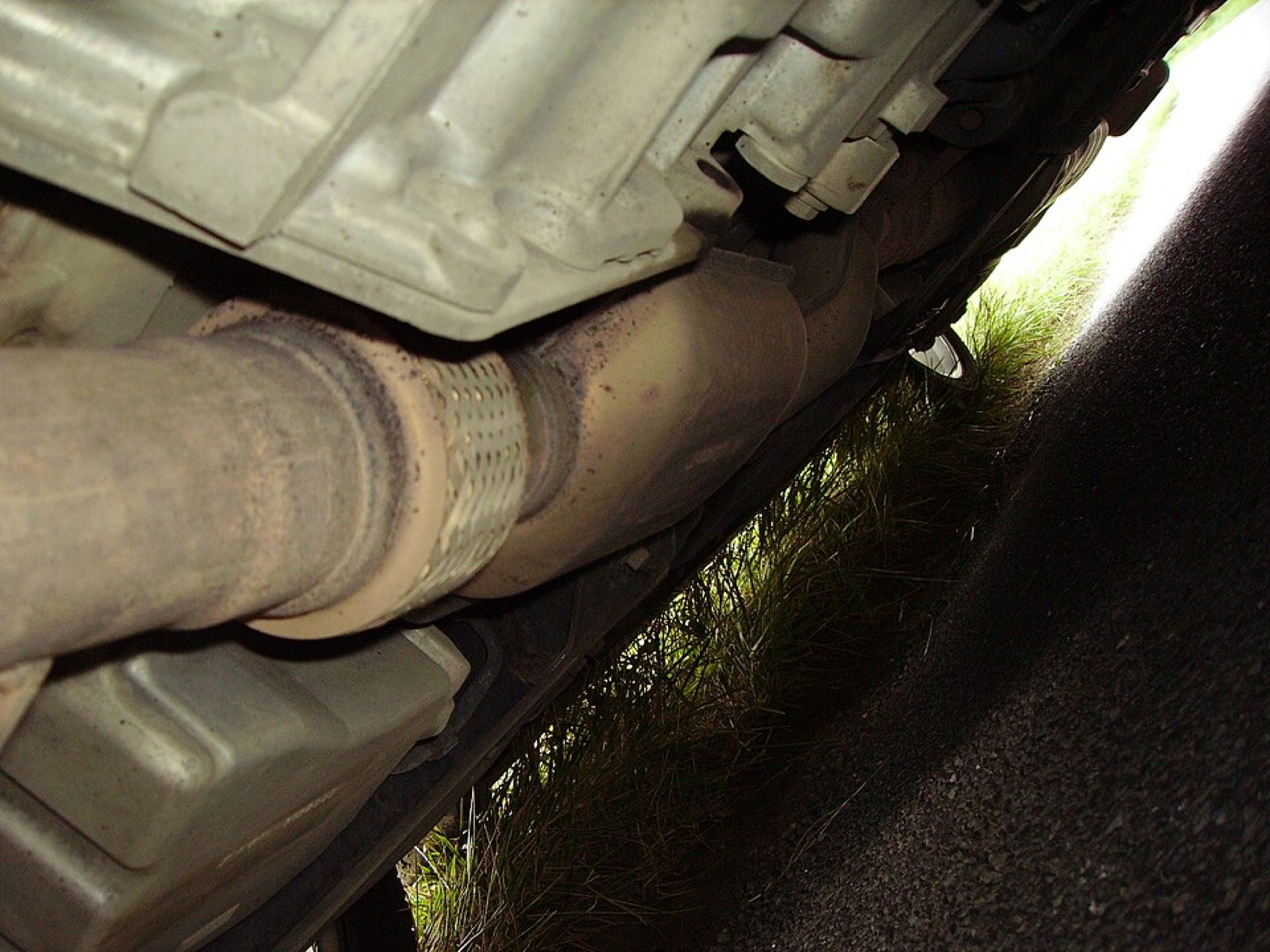
Emissions compliance and labels: verify before ordering
For both personal buyers and small ecommerce businesses, emissions rules and identification markings are the biggest non‑obvious risks.
- The US EPA’s anti-tampering guidance explains that removing or disabling a converter without an approved replacement is illegal under federal law.
- California has additional vehicle-specific rules. CARB’s aftermarket converter guidance says an aftermarket converter must have an exemption Executive Order for the specific application. Use the CARB converter database to match the vehicle details and EO rather than relying only on a seller’s “CARB compliant” wording.
- Stamped identifiers and labels help with verification, but a number by itself is not proof of legal fit. Match it to the manufacturer catalog or applicable government database.
If you’re stocking Frontier/Xterra converters for resale, build a consistent process:
- Capture part numbers and serial identifiers when goods arrive.
- Keep documentation showing the vehicle application and any required EPA/CARB identification.
- Make fitment and emissions information clear in your own storefront listings.
That costs a bit more time upfront, but it dramatically reduces returns and compliance headaches later.
Fitment verification tips specific to Frontier/Xterra
Because Frontier and Xterra often use multiple converters per vehicle, generic fitment checks aren’t enough. To avoid ordering the wrong part:
- Use VIN‑based lookup whenever it’s offered by OEM sites and resellers.
- Confirm whether your vehicle has federal or California emissions on the underhood label; match that in the catalog.
- Identify whether you need a front/manifold converter or a rear/downstream unit, and whether the listing is for driver or passenger side on V6 engines.
OEM catalogs with diagrams (like Nissan’s official site) are particularly useful here. Cross‑checking the diagram against your truck/SUV underbody before ordering is a simple way to avoid a second repair appointment or return shipment.