
DHgate is one cross-border multi-seller marketplace in this channel comparison; evaluate it against alternatives using the same product, cost, and operational criteria.
What Really Makes Up the Landed Cost of Wholesale Mini and Promotional Fans
Landed cost is the total you pay to get fans into your hands in the U.S., ready to distribute. For mini and promo fans, the main pieces are:
- Base product price – what you pay per fan before printing or packaging.
- Customization – logo printing, color matching, special blades/LEDs.
- Packaging – individual boxes, inserts, or gift bags.
- Shipping – international express/air vs domestic ground; plus any handling fees.
- Customs/import taxes – duties or state use tax that may apply to imported goods.
- Payment and marketplace fees – card processing, platform commissions, or wire fees.
On DHgate, product snapshots show how widely fan pricing can swing. On 2026-10-08, listings included:
- A handheld mini fan marketed as a souvenir/promotional gift at about US $20.55–$22.39 per unit (Handheld Small Rechargeable Portable Mini Fan).
- A simple creative pocket mini fan positioned as a student gift at roughly US $13.82–$28.35 (2025 Mini Fans Handheld Pocket Fans).
- A hanging neck mini fan at around US $19.33–$19.83 (Mini Hanging Neck Fans Portable Folding USB Fans).
- Higher‑end mini fans with power displays and desktop functionality reaching US $40.34–$41.38+ per unit (Mini Handheld Fan With Power Display).
These prices are observations on 2026-10-08 and can change, but they illustrate a wide budget band from mid-range promo gifts up to more premium personal devices.
For quick comparison across channels, think in this simple formula:
Landed cost per fan = (fan unit price + customization + packaging + shipping + taxes + fees) ÷ quantity
You can plug in numbers from DHgate listings, a U.S. wholesaler quote, and another marketplace, then compare the resulting per‑fan figure.
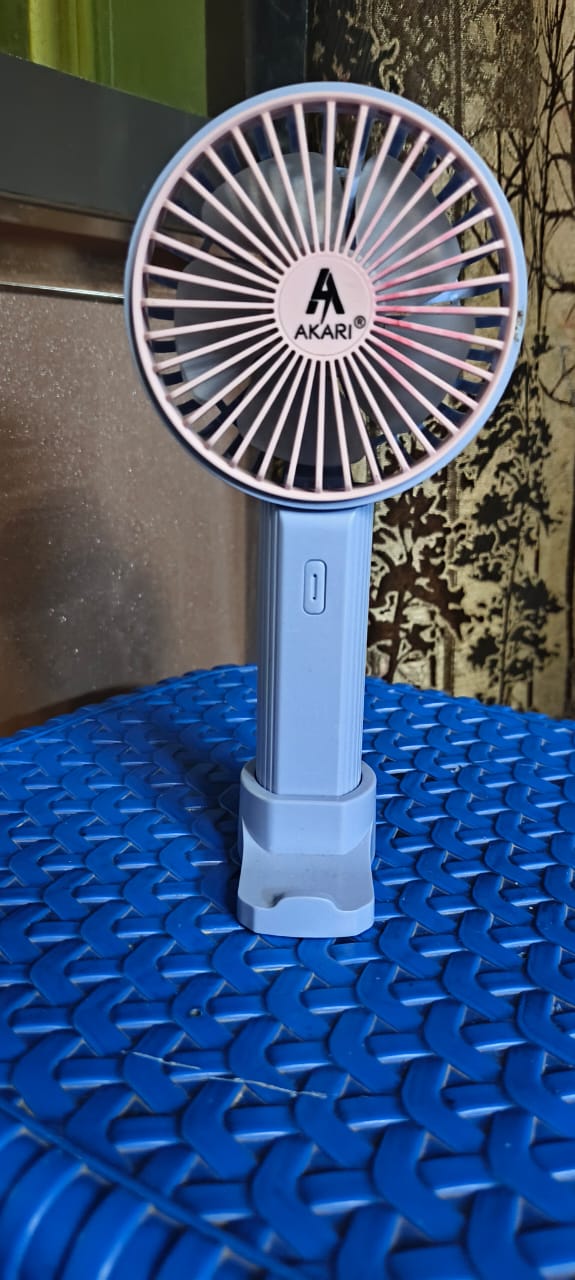
How MOQ, Customization, and Shipping Choices Change Your Fan Unit Price

Three levers usually move your effective unit cost more than anything else: MOQ, branding, and logistics.
1. Minimum order quantity (MOQ)
DHgate sellers often offer factory‑style wholesale pricing, which gets cheaper per piece as you move up quantity tiers. DHgate’s own editorial content highlights bulk buying and direct manufacturer access as ways to reduce per‑unit cost.
In practice:
- Ordering near the seller’s MOQ (for example, a relatively small batch) may leave you paying the top of the listing’s price range.
- Moving into larger batches can unlock per‑unit price breaks, especially for simple plastic mini fans used as party favors or student gifts.
If you only need a relatively small number of branded fans for a local event, you may find U.S. promo specialists more cost‑efficient despite a higher sticker price, because you’re not amortizing international freight or customs over a big batch.
2. Customization and packaging
Logo application can flip the economics on DHgate and other channels:
- Simple one‑color printing on a flat fan handle is relatively cheap at scale.
- Multi‑color logos, PMS color matching, or custom molds add setup costs that only make sense over large runs.
- Custom boxes or gift packaging can cost as much as the fan itself if you over‑spec for a budget giveaway.
DHgate editorial blogs note that sellers sometimes offer personalized options that can bundle branding into the product cost. U.S. wholesalers often roll printing and packaging into an all‑inclusive per‑unit quote. For smaller projects, that all‑in domestic quote can be easier to budget than separate fan, print, and freight lines from an overseas supplier.
3. Shipping choices
For a U.S. buyer, shipping often changes the math more than expected:
- Small test order – any unit price savings from a cross‑border platform can be erased by international shipping and import charges.
- Bulk order – the same international freight spread over hundreds of units can drop the per‑unit shipping cost enough to make factory‑direct pricing attractive.
DHgate vs Other Channels: When the Numbers Favor DHgate for Fan Orders
Independent guides such as China Electronics’ DHgate overview recommend comparing DHgate prices with local suppliers and weighing quality and reviews before deciding. For mini and promotional fans, the numbers usually favor DHgate in large, simple, price‑sensitive campaigns, and favor U.S. wholesale or other marketplaces for small, fast‑turn logo jobs.
Here’s a simplified, qualitative comparison that you can plug your own numbers into. It uses DHgate’s observed fan price bands to anchor typical scenarios without claiming live quotes.
| Channel type | Example fan profile (2026-10-08) | Cost strengths for mini/promo fans | Typical trade-offs for U.S. buyers |
|---|---|---|---|
| Cross-border marketplace (e.g., Cross-border multi-seller) | Factory‑style handheld or neck mini fans in the US $13.82–$22.39 band for souvenirs, gifts, student prizes. | Lower base unit prices on many listings; editorial blogs highlight potential bulk discounts and occasional coupons or seasonal promotions. Works well when you spread international freight and taxes over a larger order. | Import steps and international shipping add complexity and upfront cost. For small or urgent logo projects, these extra costs can outweigh unit price savings. Quality and seller reliability must be checked using reviews and samples. |
| U.S. wholesaler – promo products | Branded handheld fans with logo printing and standard packaging quoted as a single per‑unit price. | All‑inclusive quotes that often bundle domestic shipping and logo printing, making budgeting straightforward for low‑to‑mid quantities. No import process. | Base prices can be higher than factory‑direct listings, and very large simple orders may be more expensive on a per‑unit basis. Selection may be narrower for niche fan styles. |
| Other marketplaces (retail‑tilted) | Finished consumer mini fans (desktop, pocket, neck) sold individually, usually without custom branding. | Useful for testing styles or sourcing unbranded fans for resale. Per‑unit prices can sit between cross‑border wholesale and domestic promo specialists. | Limited or no customization; not ideal for campaigns that require consistent logo placement and packaging across hundreds of units. |
DHgate’s value‑shopping blog notes that bulk‑buying options, coupons, seasonal discounts, and loyalty awards can reduce average spend beyond the sticker price. Those tools can nudge a DHgate fan order into the lead if:
- Your quantity is high enough to justify international freight and any customs costs.
- You keep customization relatively simple.
- You’re willing to compare multiple listings and negotiate pricing with sellers.
For budget planning, gather these numbers before you decide where to buy:
- Per‑unit fan price for your exact spec on DHgate, a U.S. wholesaler, and at least one other marketplace.
- Logo and packaging costs (quoted per unit or per order) from each option.
- Any expected import taxes or fees — for broader background and high‑level customs concepts, internal DHgateWiki resources like “DHgate customs tariffs and import fees explained” can help frame what to ask your broker or accountant.
Once you plug those into the landed‑cost formula, you’ll usually see a pattern:
- For big, simple giveaways where a plain handheld fan is acceptable, DHgate’s factory‑style listings often deliver a lower landed cost per fan.
- For smaller, branded, time‑sensitive projects, domestic wholesalers or other marketplaces are typically more economical and less complex, even with a higher sticker price.
For additional DHgate platform context, use Compare DHgate with AliExpress, Alibaba and Temu, Find wholesale suppliers on DHgate, and Understand customs, tariffs and import fees.
If you want platform context before running your own numbers, internal resources such as “Find wholesale suppliers on DHgate” and marketplace comparisons between DHgate and alternatives (AliExpress, Alibaba, Temu) can help you decide which sourcing style fits your business, then you can apply the same landed‑cost math to your specific mini or promotional fan order.