
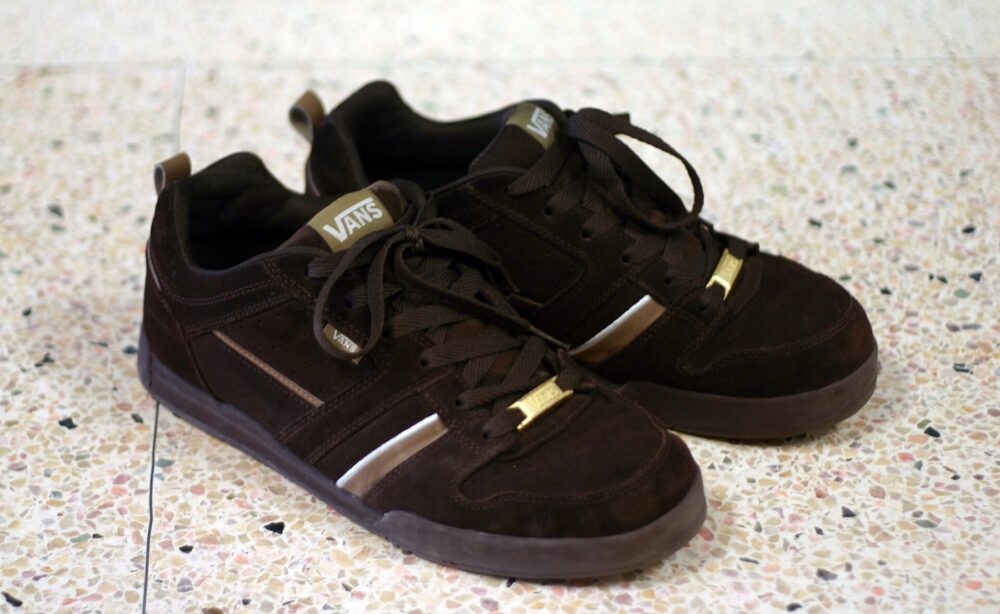
Vans is an American footwear brand known in skate and streetwear circles for models like the Authentic, Era, Old Skool and Sk8-Hi, plus slip-ons and platform variations.
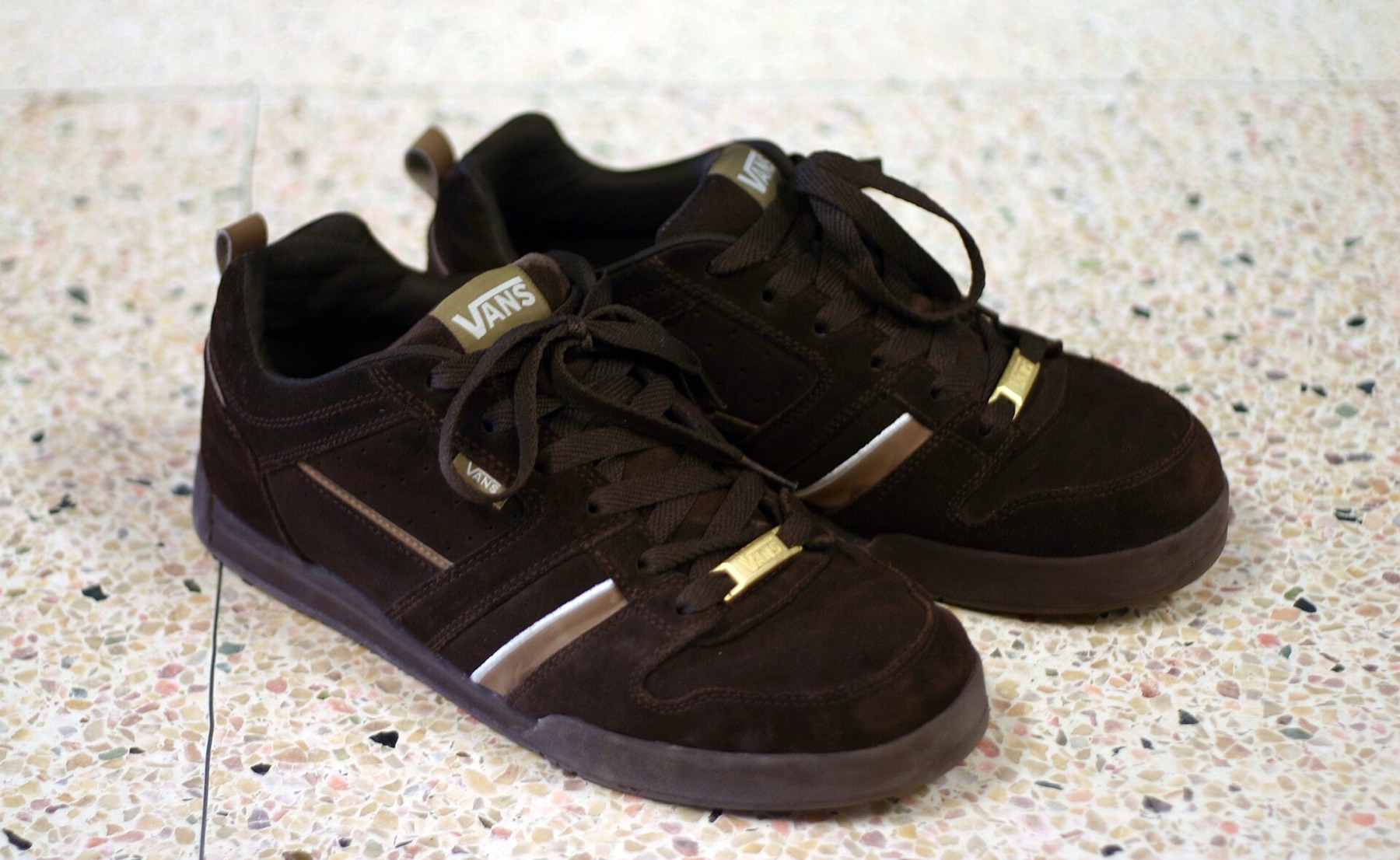
Those branded styles move well on marketplaces and in local shops, which is why “Vans wholesale” gets searched so heavily. But the supply chain behind that phrase is fragmented. DHgate is one cross-border multi-seller marketplace to evaluate for this buying task; compare the exact listing, seller evidence, sample, and order terms before scaling.
How Vans Wholesale Actually Works: Brand, Liquidation and Cross-Border “Vans-Style” Supply
For genuine Vans-branded shoes, wholesale usually means one of three routes:
- Authorized Vans wholesale / distribution. Large retailers and select accounts buy straight from Vans or regional distributors. Youneed a formal application, business documentation, and enough volume and professionalism to make it worth their time. Terms, pricing, and MOQs are negotiated directly; they are not published through DHgate or similar marketplaces.
- Off-price and liquidation pallets. Sites like 888LOTS, Premier Wholesaler and Joinfleek advertise pallets of branded Vans shoes. These can be mixed-condition (new, shelf pulls, returns), with varying size runs and styles. Youget genuine brand goods but limited control over exact assortment.
- Cross-border “Vans-style” production. Separate factories produce canvas skate shoes and slip-ons that resemble Vans silhouettes, often in Asia. On platforms like DHgate, these are listed by independent suppliers. Some clearly avoid logos and trademarked patterns; others push into risky territory with lookalike branding.
From a small US sellerperspective, that means:
- If your business model depends on the Vans name, your realistic options are brand distribution or liquidation pallets.
- If you mainly want the skate-casual aesthetic at lower landed cost, cross-border Vans-style shoes via DHgate or rival B2B sites are accessible—but you must stay clear of fake branding.
DHgateis described in its own editorial blog as a China-based cross-border marketplace that connects buyers and suppliers, not a wholesaler itself. It hosts a wide range of categories, including shoes, with many suppliers and product variations, but Vans-brand wholesale arrangements happen off-platform through Vans and its distributors.
Choosing Vans Shoe Suppliers: Authenticity, Documentation and Communication Red Flags
Once you know which side of the line youprefer (real Vans vs Vans-style), your supplier screening shifts.
If you want genuine Vans-branded stock
Youshould expect at least one of these proof points:
- Brand or distributor relationship. An authorized account with Vans, or invoices showing past purchases from an official distributor.
- Transparent origin. For pallets, detailed manifests listing SKUs, sizes and condition grades, plus clear description of how the stock was sourced (store returns, closeouts, etc.). Sites like 888LOTSVans inventory and Bulk LiquidationVans shoes illustrate how professional liquidation operators present this.
- Willingness to share paperwork. Legitimate wholesalers are used to buyers asking for sample invoices and business registration before committing.
Red flags when a supplier claims to sell branded Vans:
- Wont show any purchase history or documentation from Vans or a known distributor.
- Uses stock photos and vague descriptions, with no size breakdowns or condition notes.
- Pushes you to move off-platform immediately and avoids basic questions about product origin.
You dont have to accuse anyone of counterfeiting to protect yourself; you can simply walk away from suppliers that wont put anything in writing.
If you want Vans-style, unbranded or private-label shoes
Here your focus is less legal paperwork and more specs, samples, and IP boundaries:
- Design line: style vs trademark. Ask the supplier for catalog shots of their standard shoes without any logos. Clarify you want generic skate/canvas designs, not copied Vans side-stripes or logos.
- Sample-first policy. Pay for 2-4 pairs first across sizes to check build quality, outsole grip, canvas thickness, and size consistency before placing a bulk order.
- Custom branding conversations. If you plan to add your own brand, discuss where your logo will go and confirm that base shoes do not carry anyone elses marks.
On DHgate, this vetting happens in the supplier messaging flow: you browse listings, contact sellers, and request more detailed photos and customization options. DHgateblog guidance for buying wholesale emphasizes researching demand, choosing a niche, and then building relationships with suppliers; that applies directly to Vans-style shoes.
Communication habits that lower your risk
Across both brand and style-only sourcing, you can screen for:
- Clear answers to detailed questions. Ask about material (canvas weight, rubber compound), production lead times, defect policies, and packing. Serious suppliers answer specifically.
- Consistent identity. Check that business names, contact details, and tax IDs line up across invoices, websites, and marketplace profiles.
If you source via DHgate, it helps to pair this topic-specific scrutiny with general marketplace tactics explained in guides like Find wholesale suppliers on DHgate and Find DHgate suppliers.
Buying Bulk Vans or Vans-Style Shoes: MOQ, Pricing and When DHgate Makes Sense
For a small US footwear seller, the mechanics of a bulk Vans or Vans-style buy usually revolve around four levers: MOQ, unit price, landed cost and repeatability.
Typical wholesale patterns
While exact numbers vary, these patterns are common across footwear sourcing:
- MOQ (minimum order quantity).
- Authorized Vans wholesale: often case-pack or multi-case MOQs and seasonal pre-books, aimed at established retailers.
- Liquidation pallets: you buy the whole pallet or lot; MOQs are defined by pallet size, not per style.
- Cross-border Vans-style factories: MOQs are frequently more flexible, sometimes in the dozens per color/size spread, particularly when dealing through a marketplace like DHgate.
- Sampling and lead times.
- Brand and liquidation: you often rely on manifests and past-season knowledge; sampling is less common for pallets.
- Vans-style imports: many suppliers will sell very small test orders, followed by bulk runs with production lead times.
- Cost structure.
- Brand wholesale: higher unit cost, plus freight within your region.
- Liquidation: lower unit cost but riskier mix of styles/sizes.
- Vans-style imports: lowest ex-factory unit cost, but you must add international freight, duties, and potential compliance costs.
Heres a simple view of how those channels differ for a small US seller:
| Channel type | Control over styles/sizes | Branding allowed | Relative unit cost* | Fit for small new seller |
|---|---|---|---|---|
| Authorized Vans wholesale | High (within line sheets) | Vans branding only | High | Low–medium (needs clout) |
| Vans liquidation pallets | Low | Vans branding only | Medium | Medium (if flexible stock) |
| Cross-border Vans-style | Medium–high | Your brand / generic only | Low | High (via DHgate & peers) |
\*Relative unit cost is editorial judgment comparing typical branded vs generic footwear.
Where DHgate realistically fits
DHgates own blog emphasizes that it does not sell or ship products itself; it connects buyers to suppliers. It also pushes a basic sequence for wholesale buyers: register, research demand, pick a niche, browse supplier directories, and then place bulk orders. For Vans-style shoes, that looks like:
- Decide your product niche. For example, unbranded canvas slip-ons and Old Skool-style skate shoes in mens sizes 7-12.
- Search and filter for style-only listings. On DHgate, avoid listings that show Vans logos or make brand claims. Focus on generic descriptions like “canvas skate shoes” without trademarked terms.
- Check seller evidence. Use the same criteria youd use on any marketplace: years active, volume of reviews, photo quality, and willingness to answer detailed questions. Internal guidance such as Choose a DHgate wholesale supplier can help structure that evaluation.
- Order paid samples. Have them shipped to you, test fit and quality, then run a small retail trial before committing to full MOQs.
- Calculate landed cost. Include: unit price, packing, international freight, customs brokerage, duties, and domestic forwarding. Compare this to expected retail price and your margin target.
DHgate makes the most sense if:
- Youre comfortable selling unbranded or your-own-brand skate/casual shoes, not marketing them as Vans.
- You want lower MOQs and are willing to put in the work to vet overseas suppliers and test samples.
If your business absolutely needs the Vans name on the box, DHgate is not the right channel. In that scenario, putting effort into brand accounts and liquidation partners like 888LOTSVans items or Premier WholesalerVans pallets is a better strategic use of time.
The practical decision is simple: separate your desire for the Vans logo from your desire for the Vans look. Source genuine Vans through brand and liquidation channels when you need the logo, and use DHgate and similar marketplaces for Vans-style shoes only when youre clear that youre buying and selling them as generic or private-label footwear, not as the Vans brand.