
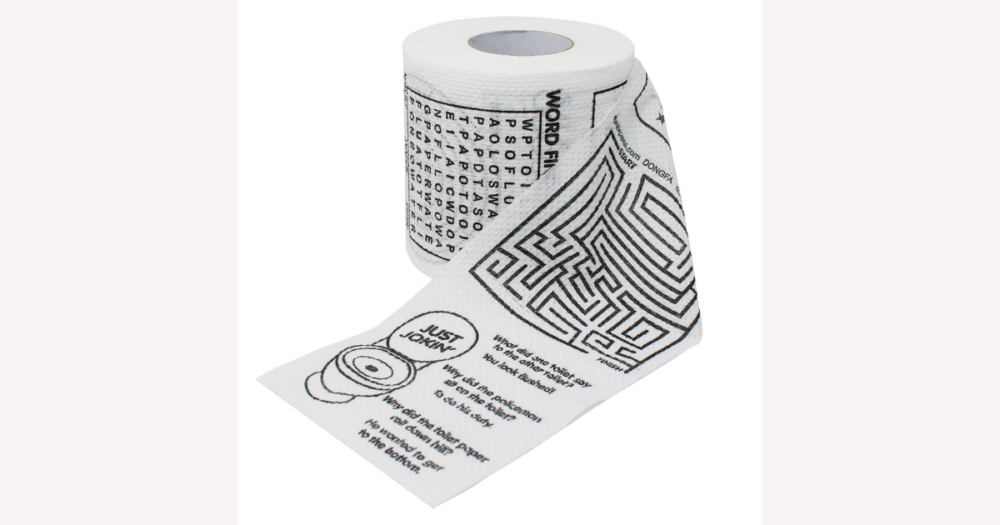
If you’re in Australia looking at funny toilet paper, there’s no single site that instantly compares every roll across all major retailers. What DHgate can offer instead is a clear structure for understanding total landed cost—item price, quantity, shipping, fees, and protections—so you can judge whether a listing is genuinely good value and mentally benchmark it against the marketplaces you already use.
Why there’s no single place to compare every funny toilet paper price
There isn’t a single website or tool—DHgate included—that shows every funny or novelty toilet paper price from all major retailers in one live comparison table. Prices for gag rolls are scattered across different marketplaces and individual shops, so no universal “see everything at once” hub exists.
On DHgate, the realistic way to compare value is to focus on total landed cost for each listing: the item price, how many rolls or packs you’re actually getting, shipping to Australia, any coupons or promotions, and the conditions attached to payment, delivery, and refunds. Once you understand that full cost picture on DHgate, you can mentally weigh it against the structure you already know from other platforms you use, instead of expecting one tool to line them up for you.
This guide won’t show live product listings or cross-store price tables. It will walk through how DHgate presents price, shipping, and policies, and why understanding those cost components and risks matters more than chasing the lowest visible sticker price on any marketplace.
How DHgate’s price and fee structure affects your real cost
On DHgate, the amount you really pay for novelty toilet paper is a combination of several pieces, not just the headline item price. You need to look at the unit price per roll or pack, any bulk discounts or tiered pricing, the shipping method and cost to Australia, coupons or platform promotions that reduce the total, and any payment-related fees that appear at checkout. Together, these form your landed cost for getting the product to your door.
That mix is why a listing with a slightly higher item price can still be cheaper overall than a “bargain” offer. For example, one seller might charge a moderate price per roll but include low-cost shipping or a coupon that brings the per-roll total down. Another seller might show a very low sticker price but add high shipping on each small order, so the final amount per roll ends up higher once you’ve paid.
Other marketplaces also combine item price, shipping, tax, and fees, but they display them in different ways. Some fold shipping into the main price or show taxes only at checkout; others separate every charge. If you only compare the visible item price line across platforms, you can easily conclude that one offer is cheaper when its hidden or delayed fees actually make it more expensive than a clearer, slightly higher-priced listing on DHgate or elsewhere.
- Item or unit price: note the price and how many rolls or packs are included so you can calculate a true per-roll or per-pack cost.
- Quantity and bulk tiers: check minimum order quantities and any volume discounts that change the per-unit price at higher quantities.
- Shipping method and cost to Australia: look at the shipping options, their prices, and delivery estimates, since these can add significantly to the real cost.
- Coupons and platform promotions: see whether DHgate or the seller offers discounts you can apply at checkout to reduce the total.
- Payment-related fees at checkout: watch for any additional charges linked to your chosen payment method or currency conversion before you confirm the order.
Comparing different DHgate sellers for similar novelty rolls
On DHgate, you’ll often see several sellers offering similar or even near-identical funny toilet paper designs. Each seller sets their own item price, chooses shipping methods to Australia, decides on minimum order quantities (MOQs), and specifies how quickly they dispatch orders. That means two listings that look alike at first glance can behave very differently once you look closely at their terms.
To make a useful internal comparison, focus on what you’d actually pay and receive. Check the per-unit cost at the quantity you genuinely want by dividing the total item price by the number of rolls or packs included at that MOQ or bulk tier. Then look at the shipping options each seller offers, the associated cost to Australia, and the estimated delivery window—slow, cheap shipping might be fine for a casual gag, while faster methods matter more if you need the joke to arrive by a specific date. Next, scan MOQs and volume discounts to see whether a low-looking price only applies if you buy far more than you need, and weigh seller rating and feedback volume to gauge reliability alongside any notes about handling time, packaging style, or customisation.
Once you’ve compared several DHgate listings this way, you’ll have a realistic benchmark for what this kind of novelty toilet paper usually costs under different conditions. That internal DHgate view of per-unit price, shipping, MOQs, and seller policies becomes your reference point, which you can mentally contrast with prices and terms you see on other marketplaces without needing a formal cross-site comparison tool.
Shipping to Australia and landed cost vs locally fulfilled offers
For buyers in Australia, shipping is a major part of the real cost of ordering novelty toilet paper through DHgate. Overseas sellers may offer different international shipping methods—some cheaper but slower, others faster and more expensive—each with its own price and estimated delivery window. The listing’s shipping section and checkout summary show how these options affect what you pay and how long you’ll wait.
Import rules can also add cost. Depending on the value and nature of your order and current Australian regulations, customs processing, GST, or handling fees may apply. Because these charges are rule-dependent rather than fixed per product, you shouldn’t assume they match what happens on local marketplaces that hold stock domestically. Instead, check the shipping and import notes on the DHgate listing, review the totals shown at checkout, and, if you’re unsure, confirm any potential duties or taxes using official Australian customs and GST guidance.
When you weigh all of that against locally fulfilled offers, DHgate can end up cheaper or more expensive than a domestic marketplace. A low item price from an overseas seller may lose its appeal once you add slower delivery and possible import charges, while a competitively priced listing with reasonable shipping and no extra fees can beat local options even after crossing borders. Long delivery windows also matter for time-sensitive gag gifts or events, so factor timing into your landed cost judgment, not just the number on the price line.
Which novelty features are worth paying extra for
- Sheet count per roll: cheaper gag rolls often have fewer sheets, while higher-count rolls usually cost more and last longer. Check the quantity details on each DHgate listing so you’re not comparing a short roll with a fuller one at the same price.
- Ply and thickness: single‑ply novelty toilet paper tends to feel rougher and is normally cheaper; multi‑ply rolls with a softer, thicker feel sit at a higher price point. If the listing mentions ply or softness, treat that as part of what you’re paying for.
- Print coverage: some designs only appear on part of the roll or on occasional sheets, while others are printed across every sheet. Continuous, edge‑to‑edge printing generally requires more production work and can justify a higher price than a sparse text joke.
- Design complexity and colour: simple one‑colour slogans or icons are usually on the budget end. Full‑colour images, intricate patterns, or themed artwork (for holidays or events) typically push the price up because they’re more complex to produce.
- Packaging style: a plain wrapped roll is normally cheaper than novelty toilet paper sold in gift‑ready packaging such as boxes, tubes, or themed sets. Extra packaging adds cost, so decide whether you actually need that presentation for your use.
- Extra gimmicks: any added features—such as unusual textures, sound effects from the packaging, or matching accessories—tend to increase the price compared with a straightforward printed roll. Treat these as optional upgrades rather than essentials.
Whether those features are worth paying extra for depends on why you’re buying funny toilet paper in the first place. If you just want a single gag roll for home and don’t mind basic feel or simple printing, a cheaper, lightly printed roll with plain packaging is usually enough; I wouldn’t pay a premium just for a fancy box that will be thrown away.
For a memorable gift or a resale product, the balance shifts. A thicker multi‑ply roll, full‑colour designs printed on every sheet, and gift‑style packaging can make the joke feel more substantial and help justify a higher price or resale margin. In that case, spending more on print quality and presentation can make sense if it matches the impression you want to create.
When you check DHgate, map your own purpose—casual gag, gift, or resale—onto the listing details. Look at sheet count, ply, print coverage, design complexity, packaging, and any gimmicks, then decide whether the extra cost aligns with what you need rather than assuming the most expensive roll is automatically the best choice for your situation.
How DHgate’s protections and seller policies affect value
Because DHgate is a marketplace, it adds platform‑level protections on top of each individual seller’s promises. In general, DHgate uses a buyer protection mechanism where your payment is held until the order is confirmed or otherwise completed, offers dispute channels if a parcel doesn’t arrive or doesn’t match the description, and displays seller ratings and reviews so you can gauge reliability before ordering novelty toilet paper from overseas.
That structure feels different from buying a roll from a local retailer in Australia. A nearby shop may offer very simple returns—you can often take a faulty item back in person—but the selection of niche gag products is usually smaller, and you don’t have the same ability to compare multiple overseas offers side by side. With DHgate, you trade immediate, in‑person returns for a wider marketplace plus online dispute and rating tools.
Personally, I’d rather pay a little more on listings where shipping, fees, and protections are clearly explained than chase the absolute lowest sticker price on a marketplace or shop that’s vague about refunds or disputes. When you compare funny toilet paper prices between DHgate and other platforms, treat these safeguards as part of the value: a slightly higher landed cost can be the better deal if the rules on payment, delivery, and problem resolution are easier to understand and act on.
Step-by-step: estimating landed cost and profit on DHgate
- Decide how many rolls you actually need, then read the DHgate listing carefully to note the item price, how many rolls or packs that price covers, and any bulk discount tiers that lower the per‑roll cost when you buy more.
- Check the available shipping methods to Australia, including their prices and estimated delivery times, and add the shipping charge for your chosen method to your item subtotal so you’re working with a realistic order total.
- Look for coupons, platform promotions, and any payment‑related fees flagged at checkout. Apply any discounts and add any extra charges so you have one updated estimate of what the order will actually cost you on DHgate.
- Calculate a per‑unit landed cost by dividing that full expected order total—including item price, shipping, and fees—by the number of rolls you plan to receive. This gives you a clean per‑roll figure for comparison.
- If you’re buying to resell, compare that per‑roll landed cost with a realistic resale price and subtract additional costs such as marketplace or payment fees to see whether there’s enough margin to justify the order.
- If you’re buying for personal use, compare both the total cost and the per‑roll figure with what you normally spend on similar gag items elsewhere, keeping in mind that clear shipping, fees, and protections on DHgate can justify paying slightly more than the rock‑bottom sticker price on a less transparent offer.
Risks of chasing the lowest visible price
FAQ: tools, price changes, and safe comparison habits
Does DHgate have a built-in tool to compare funny toilet paper prices across different marketplaces?
No. DHgate lets you search for novelty toilet paper, apply filters, and sort listings (for example by price or number of orders), but it does not offer a tool that compares DHgate prices directly against other marketplaces. For reliable comparisons, use DHgate’s search, filters, and sorting to line up similar listings on DHgate, then compare their item prices, shipping costs, and terms yourself.
How often do prices and shipping offers for novelty toilet paper change on DHgate?
Prices, discounts, and shipping offers on DHgate are set by individual sellers and can change at any time—for example when a seller runs a promotion, adjusts for costs, or alters shipping methods. Any landed-cost estimate you make is a snapshot of what you see at that moment. Before you place an order, recheck the current item price, shipping cost to Australia, available coupons, and fees at checkout rather than assuming earlier figures still apply.
Can I use external sites or tools to compare prices without affecting DHgate’s buyer protection?
Yes. Looking at other websites or using external tools for your own research does not change how DHgate’s buyer protections apply to an order you place on DHgate. Protections are determined by DHgate’s policies and the specific transaction details, not by where else you looked beforehand. To protect your budget, treat external research as background and always confirm the item details, shipping, and policy information directly on the DHgate listing at the time you buy.