
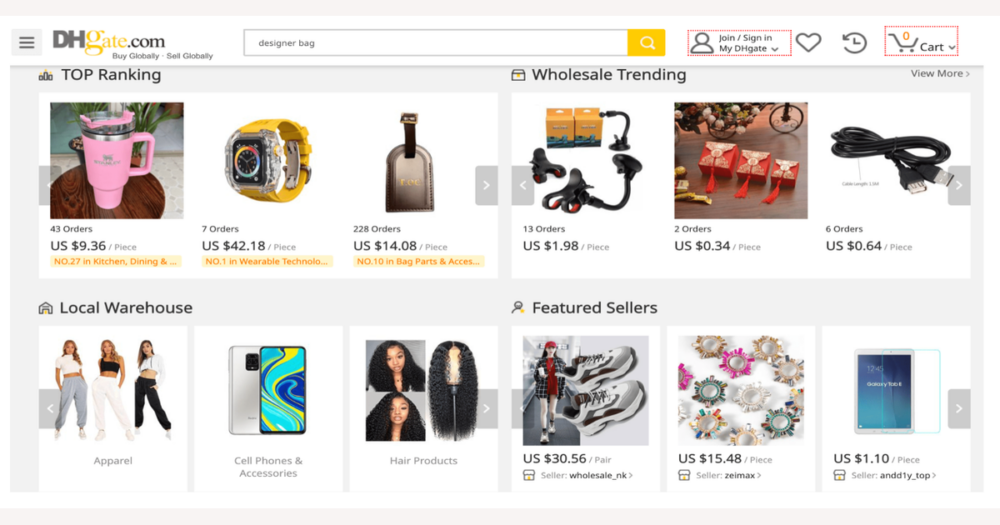
On DHgate you’re not buying directly from DHgate itself, but from many separate sellers operating under the platform’s rules and tools. That structure isn’t automatically good or bad, but it does mean you have to judge both the individual seller and DHgate’s current buyer protection policies before you’re comfortable placing an order.
Understand how DHgate’s marketplace structure affects your purchase
When you buy on DHgate, you’re using a marketplace where many independent sellers list and sell their own products under DHgate’s framework. DHgate generally provides the platform tools—product listing pages, payment processing, messaging, and a way to raise disputes—but it usually doesn’t own the inventory or personally pack and ship most items.
In practice, responsibilities are split. The individual seller is responsible for what you actually receive: product quality, how accurately the item matches its description, how it’s packaged, and which shipping methods and speeds are offered. DHgate’s role is to set marketplace rules, host the transaction, process payments through supported methods, provide on-platform messaging, and offer a structured process for handling problems, such as late delivery or items that don’t match the listing, according to its current policies.
The safest way to think about this is to treat DHgate as the marketplace framework and each seller as a separate shop operating inside it. For every order, you’re really deciding two things at once: whether that specific seller looks reliable enough for the kind of item and price involved, and whether DHgate’s buyer protection rules—as you understand them from the official help and policy pages—give you enough backup if something goes wrong.
Because this split is so important, it underpins the rest of the guide. The trust signals you’ll use to judge sellers, the shipping and delivery expectations you set, and the dispute options you rely on all depend on understanding that DHgate provides the environment and rules, while each seller controls most of what happens to your individual package. Any detailed policy points, time limits, or labels you see on the site should be confirmed directly on DHgate’s official help or policy pages, since those specifics can change over time.
Judge seller reliability using DHgate’s trust signals—without assuming they’re perfect
Once you recognise that DHgate is a multi-seller marketplace, the next step is reading each seller’s trust signals with a clear, skeptical eye. Marketplaces typically surface indicators such as an average rating score, the number of reviews, how long the store has been active, total transaction volume, and any visible performance labels or basic business details the seller has provided. Taken together, these give you a rough picture of how established the seller is and how past buyers felt about their experience.
Patterns matter more than any single number. A seller with a long history, many completed orders, and detailed positive feedback that mentions consistent quality or timely delivery generally looks more stable than a brand-new store with only a handful of vague reviews. It also helps when you can see the seller replying politely and specifically to buyer questions or complaints, because that suggests they pay attention to issues instead of ignoring them.
At the same time, these signals are never perfect. Reviews can be incomplete, unrepresentative, or influenced by expectations that differ from your own. High order volume may simply mean the seller is popular; it doesn’t guarantee that every product is accurate or that shipping is smooth for all buyers. Performance badges or labels are based on DHgate’s internal criteria, which can change, and they may weigh metrics like speed or dispute rate differently from how you would personally judge risk. For an expensive or complex purchase, I’d treat strong ratings and labels as reassuring but still dig into the details before deciding.
Instead of trusting the overall rating alone, scan review patterns: look for recurring complaints about poor quality, items not matching photos or descriptions, long shipping delays, or difficulties getting problems resolved. If the same issues keep appearing, assume they’re a real risk for you as well. Trust indicators on DHgate are helpful and worth checking, especially to filter out obviously risky sellers, but they should be treated as necessary but not sufficient. Even with good scores and badges, there is always some chance of defects, miscommunication, or delay, so build those possibilities into your decision—particularly for higher-value orders.
Run a quick pre-purchase checklist before you click “buy”
- Seller checks: scan the seller’s rating, number of reviews, and review details; note how long the store has been active, how many transactions it has completed, and whether the seller answers questions clearly and promptly.
- Listing checks: read the full description and specifications, confirm the exact variants and quantities you’re ordering, look closely at the photos, and pay attention to any notes about quality, compatibility, minimum order quantities, or warranty terms.
- Cost and shipping checks: confirm which shipping methods are offered, the estimated delivery window, and the full cost of your order once shipping is included; watch for any hints that customs or import taxes might be charged in your country.
- Protection and policy checks: find DHgate’s buyer protection, dispute, and refund information from the listing, checkout, or help center, and note any conditions or region-specific rules you don’t fully understand so you can read the official policy pages before you commit.
- Risk tolerance: take extra time to work through every checklist item for higher-value or time-sensitive purchases; for low-value items where you’d accept a possible loss, you might choose to skim some details while still keeping the main risks in mind.
Place and pay for your order through DHgate’s official flow
- Select items: choose the product you want, pick the correct variants such as size, color, or version, and set the quantity while double-checking the key points from your pre-purchase checklist.
- Confirm shipping: before you commit, review the shipping options shown, including carrier or method, estimated delivery time, and cost, and make sure they match your expectations for speed and price.
- Use official checkout: proceed through DHgate’s own checkout flow to enter your delivery details and choose one of the platform-supported, traceable payment methods (for example, cards or digital wallets where offered).
- Keep payment records: save your order confirmation, payment receipt, and any transaction IDs so you can refer to them later if you need to ask about shipping, raise a dispute, or prove what you paid and when.
- Avoid off-platform payments: treat any request to pay by direct bank transfer, external link, or other method outside DHgate’s checkout as a significant added risk, because it can sit outside the usual buyer protections.
- Check current payment rules: because the exact mechanics—whether funds are held, when they’re released, and which methods are supported—depend on DHgate’s latest policies, confirm the details in the platform’s help or payment policy pages rather than assuming they work a particular way.
Avoid off-platform payments and side-channel communication
Check shipping options, delivery estimates, and possible customs fees
Once your order is placed through DHgate, shipping is largely shaped by the individual seller. Each seller typically chooses which carriers and methods they offer, so speed, reliability, and price can vary a lot from one listing to another. DHgate’s pages normally show available shipping options on the product listing or at checkout, including the cost and an estimated delivery range, and may flag whether a method is economy or express and whether tracking is included. Before you confirm, note the carrier name if it’s shown, check that tracking is provided for anything time‑sensitive or valuable, and weigh slower, cheaper services against faster, more expensive ones based on how urgent the item is for you.
Many DHgate shipments travel across borders, which means customs duties, import taxes, or handling fees can be charged by local authorities or the carrier in your country. These charges follow local rules and the type of goods, not DHgate’s preferences, and they are often paid separately from what you pay on the platform. To avoid surprises, ask the seller if additional import charges are likely, check your country’s customs or postal guidance, and read DHgate’s own shipping and customs policy pages. Don’t assume that no extra costs will apply just because the product price and shipping look low on the checkout screen; factor possible duties and taxes into your decision before you buy.
Track your DHgate order and respond when updates stall
- After the seller marks your item as shipped, open your DHgate order details and look for any tracking number, carrier name, and status updates shown there.
- If you see a carrier and tracking number, enter them on the carrier’s own tracking site or app to check for additional scans and any delivery estimate.
- Expect slower or less frequent scans for economy or cross‑border services, including possible pauses at customs, and treat short gaps in updates as normal rather than assuming the parcel is lost.
- When tracking shows no movement close to or beyond the estimated delivery window, send a polite message to the seller through DHgate’s messaging tools asking for clarification or an updated timeline.
- If the seller doesn’t respond or the delay clearly exceeds what DHgate’s buyer protection guidance suggests, review DHgate’s current dispute instructions to decide whether to open a claim or ask the platform to step in.
- Before taking any formal step, look up DHgate’s latest help or policy pages for your region and shipping method, as exact timelines, status labels, and dispute eligibility rules are set by DHgate and can change.
Prepare for DHgate disputes and refunds by keeping good evidence
When something goes wrong with an order on DHgate—non‑delivery, a major delay, or receiving the wrong or defective items—the usual first step is to message the seller through DHgate’s own tools and ask for a solution, such as a replacement, correction, or refund.
If you can’t reach an agreement with the seller, DHgate generally offers a dispute or claim process within its buyer protection framework, but access to that process depends on meeting eligibility rules and filing within the time limits set out in DHgate’s official policies.
The strength of any dispute largely depends on your evidence. Before and after delivery, save screenshots or copies of the original product listing, order confirmations and invoices, and take clear photos or videos that show what is wrong with the items you received compared with what was advertised.
Keep all important communication with the seller inside DHgate’s messaging system rather than in external apps, so the platform has a complete, reviewable record of what was promised, how the problem unfolded, and what solutions were discussed if a dispute is opened.
Because dispute reasons, refund options, and exact timelines are specific to DHgate and can change, always check the latest dispute and refund policy documentation on DHgate itself instead of relying on past experience or third‑party advice when you decide how to proceed.
Watch the clock: buyer protection deadlines and confirmation windows
Decide whether DHgate fits this particular purchase
Deciding whether to buy a specific item on DHgate means weighing a few concrete factors rather than making a blanket judgment about the platform. Start with the item’s value and urgency: how painful would it be if the order were delayed, went wrong, or never arrived, and how quickly do you actually need it? Add what you’ve learned about the seller’s reliability signals—ratings, reviews, store history, and how clearly they communicate—plus how complex the shipping route looks, especially if it involves international carriers and possible customs or import fees. Finally, be honest about your own comfort with reading DHgate’s policies, tracking shipments, and staying on top of buyer protection deadlines.
Put together, those factors point to where DHgate tends to fit best. It can suit non‑urgent, mid‑value purchases where you’re willing to do due diligence, monitor tracking, and manage protections, especially if the price or selection is better than simpler alternatives. It’s less suitable for urgent, mission‑critical, or very high‑value items if you prefer a straightforward, highly predictable process and don’t want to manage policy details or timing rules yourself.
In my own choices, I’d accept the extra effort and risk on DHgate when the item’s value feels manageable and the savings or range of options clearly justify it. When failure would have significant consequences—like a time‑critical business purchase or something very expensive—I’d hesitate and ask whether the platform’s benefits outweigh the possibility of delays, disputes, or policy limits. Use that lens for the specific item in front of you, and decide whether DHgate’s mix of flexibility, variability, and protection fits the level of risk you’re willing to carry for this one purchase.
Quick answers to common DHgate marketplace questions
Who is responsible for product quality and descriptions on DHgate?
On DHgate, individual sellers are generally responsible for the products they list and the accuracy of their descriptions, photos, and promises. DHgate provides the marketplace tools, payment processing, and dispute framework, and defines its own role in the terms of service and buyer protection policies. Before placing a higher‑risk order, read those official DHgate documents so you understand exactly what DHgate commits to and what remains the seller’s responsibility.
Where can I find DHgate’s official rules and buyer protection details?
The most reliable information is inside DHgate itself, in sections such as the help center and policy pages covering buyer protection, orders, shipping, disputes, and refunds. Those pages are the authoritative source for current procedures, time limits, and regional variations, and they carry more weight than past experience, social media stories, or third‑party commentary.
What should I do if a seller’s promises seem to conflict with DHgate’s policies?
Treat DHgate’s published rules as the baseline for what the platform will actually support. If a seller offers extra promises—such as special return terms, extended warranties, or guaranteed delivery dates—take screenshots of those claims, keep all discussion in DHgate’s messaging system, and then check the relevant DHgate policy pages or support to see whether those promises are enforceable. If the seller’s claims go beyond or contradict DHgate’s rules, assume they may be marketing only unless DHgate explicitly confirms otherwise.