
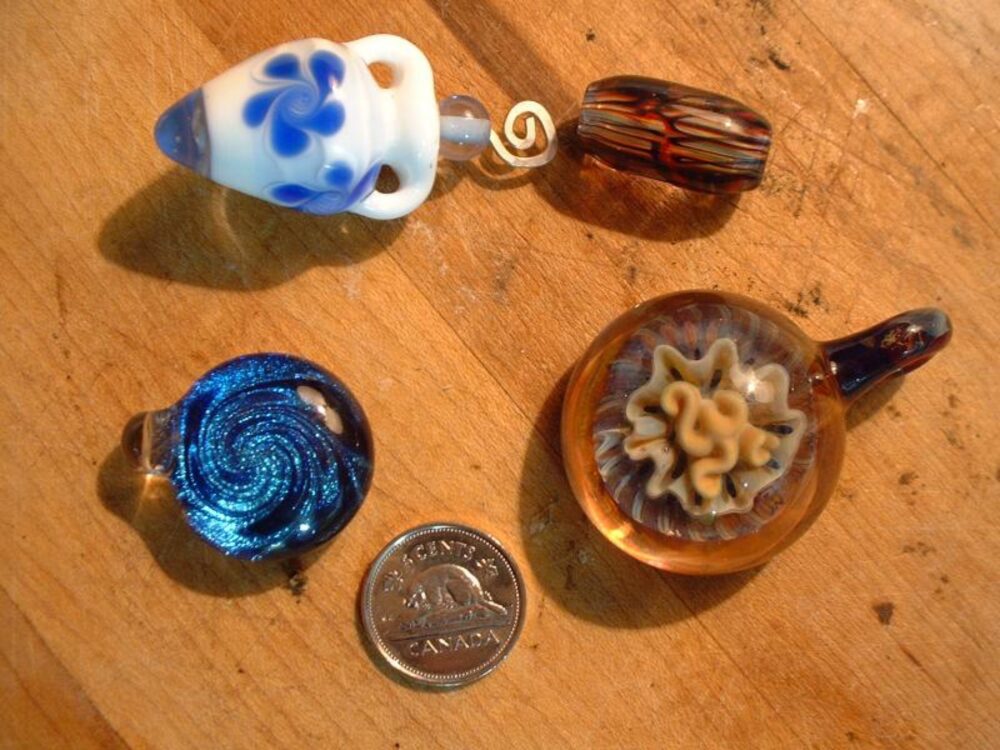
If you’re in Australia, glass beads become genuinely cheap only when you look past the sticker price and work out your landed cost per bead. For hobby use, local bead shops and Australian marketplaces often win once you factor in shipping. For small jewelry or ecommerce businesses, larger packs and cross‑border bulk orders can drop your per‑bead cost sharply—but only if you plan volumes, choose the right channel, and keep import and postage in view.
The practical move is to decide your bead types and quantities first, then compare a few channels with a simple calculation: total order cost in AUD ÷ number of beads. That single number will usually tell you whether a local pack from an Australian bead store, a seller on Etsy or eBay, or a bulk listing from a China‑based site makes more sense for your budget.
What Really Makes Glass Beads Expensive or Affordable for Australian Buyers?
For Australian buyers, the “price” of glass beads is really a bundle of costs:
- Unit or pack price – what you pay for beads themselves.
- Domestic or international shipping – postage, handling, and packaging.
- Import‑related costs – any duty, GST and customs processing fees on overseas orders.
- Currency conversion and payment fees – any spread your bank or card charges.
Some local online bead retailers advertise broad assortments and may show a free-shipping threshold. Australia Beads was one observed example during research, not evidence of a channel-wide or permanent policy. Recheck the current threshold, eligible items and checkout total before comparing that offer with an import.
On marketplaces such as Australian eBay, you’ll find bulk bead packs aimed at value buyers—lots of small cylinder or seed beads in mixed colors sold in 1,000‑piece style quantities. Listings like the one behind the eBay item link here show how sellers position themselves: “affordable value” and “top quality beads” as a combo play. Your job is to translate that language into numbers: divide total cost (including shipping) by the number of beads to see if you’re really getting value.
If you buy cross‑border, you add international shipping and possible import charges. Those can easily turn a cheap‑looking USD kit into a mid‑range AUD landed cost. For a small business, that’s fine if the per‑bead cost supports your margins, but it’s rarely worth it for a single bracelet project.
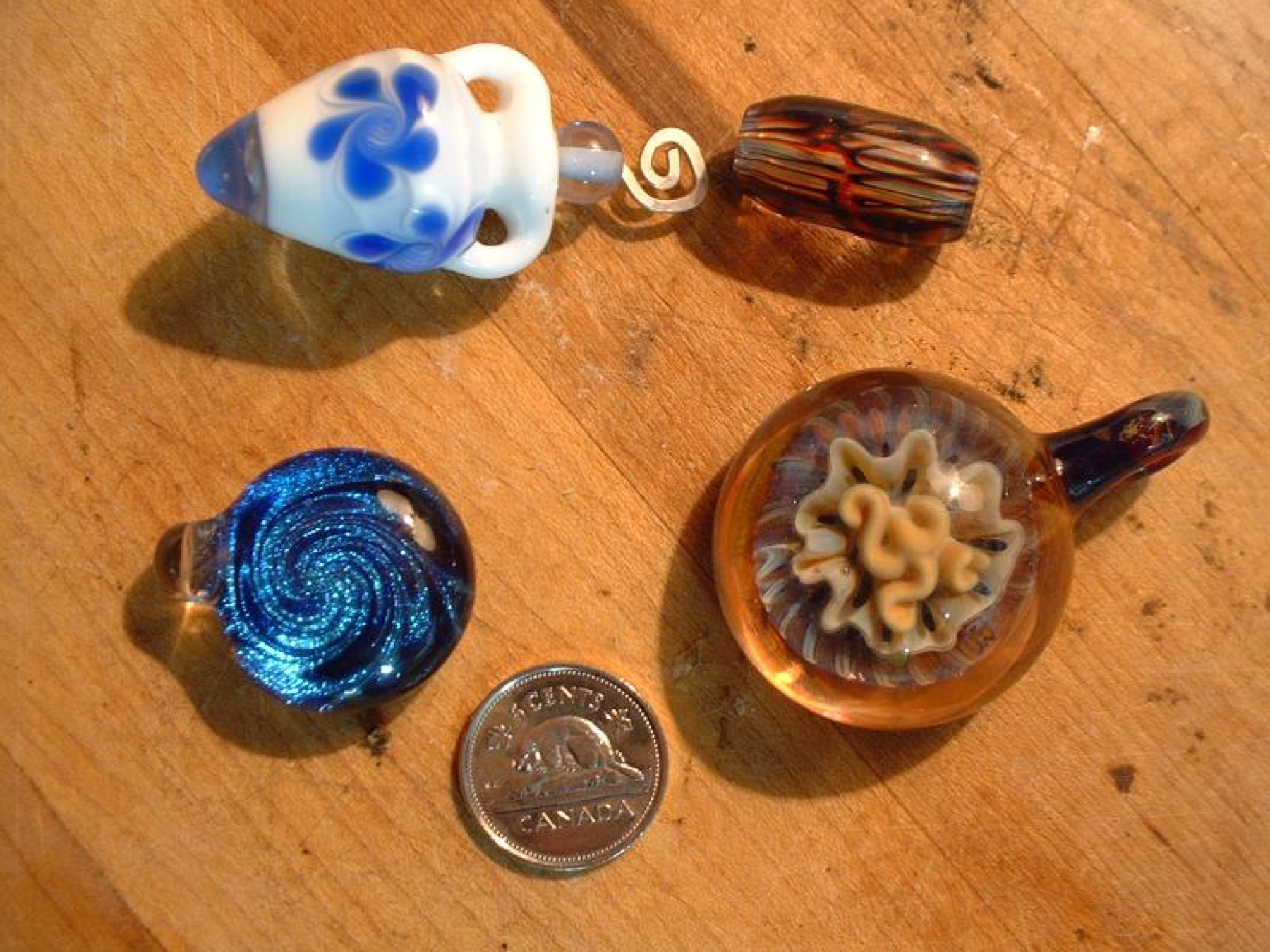
How Order Size, Bead Type, and Shipping Choices Shape Your Final Price
Three decisions drive your real per‑bead cost: how much you buy, what format you buy, and how it’s shipped.
1. Order size and format
Bulk packs and kits typically drop the per‑bead cost compared to small strings or tiny assortments, but they raise the total outlay and inventory you need to move.
A DHgate listing snapshot taken on 2026-09-29 shows:
- 1200pcs 8mm round glass beads in 24 colors with two plastic storage boxes priced around USD 85.08-89.11 (listing). Even with the storage and color variety, the per‑bead cost is still relatively low, but the total spend is much higher.
- 1 string of crystal glass faceted beads (3-10 mm rondelle spacers) in the USD 20.09-23.62 band (listing). Here you’re paying for cut quality and shape, not sheer quantity.
Prices and stock can change, but these examples show the pattern: larger piece counts usually give you a lower per‑bead cost than fancy strings, and kits that include boxes or curated color sets sit somewhere in between.
On Etsy, Australian buyers can find loose glass bead assortments—say 50‑piece or 200‑piece packs—in various shapes and finishes. An example listing like this round glass bead set offers “BEST SELLER” 50‑piece packs plus bulk assorted shapes. The unit cost there is higher than the 600‑piece DHgate example, but you’re getting a smaller, more manageable quantity and often more design‑driven curation.
2. Bead type and quality
Different bead categories carry different price expectations:
- Plain round glass beads – cheaper, good for filler and everyday bracelets.
- Faceted, AB‑coated or crystal‑style beads – cost more due to finishing and visual impact.
- Tiny seed or cylinder beads – usually sold in large quantities; low per‑piece cost but you’ll pay for brand and uniformity.
Even within glass, imitation jade rounds or highly uniform seed beads can be priced closer to semi‑precious looks. That’s where paying more per bead may be worth it for premium collections.
3. Shipping method and consolidation
For Australian buyers, compare the complete checkout total and timing for each domestic or cross-border offer. For an overseas order, independently check any import obligations that may apply; do not infer the landed cost from the bead price.
To keep costs down:
- Group different bead types into fewer, larger orders instead of many small ones.
- Avoid paying premium shipping for low‑value test orders; if you need to trial a new supplier, stick to small but dense packs like 50‑piece or 100‑piece glass assortments.
Choosing the Best Channel (Australia vs Overseas) and Cutting Costs Safely
You have four broad sourcing routes: local Australian bead shops, general marketplaces, specialist bulk bead websites, and China‑based bulk options (including DHgate). Each fits a different budget and risk profile.
Here’s a compact comparison in editorial terms:
| Channel type | Typical strengths for Aussies | Budget risks |
|---|---|---|
| Australian bead retailers | Some sellers advertise broad assortments or a free-shipping threshold; any observed promotion can change | Verify the exact pack, current threshold, eligible items and checkout total |
| Marketplaces (eBay AU, Etsy AU) | Mix of bulk value packs and curated artisan beads; easy to browse; some local sellers | Quality and consistency vary by seller; per‑bead cost can be opaque unless you do the math |
| Specialist bulk bead sites (Fire Mountain Gems, Beadaholique, etc.) | Wide bead ranges, quantity discounts and loyalty programs noted in editorial roundups | Mostly overseas; international shipping and import‑related costs can erode savings |
| Cross-border bulk options (PandaHall, AliExpress, multi-seller marketplaces) | Many pack formats and kits to compare | Price, timing, documentation and landed cost are listing-specific |
DHgate fits into that last group: a marketplace where third‑party sellers list bead packs, strings and kits. As the snapshots above show, you can find very low per‑bead pricing on 600‑piece mixed glass packs or 1200‑piece kits. For an Australian micro‑brand making lots of bracelets or rosaries, that kind of volume can make sense.
Practical Ways to Keep Glass Bead Costs Low Without Killing Quality
For Australian hobbyists and small ecommerce sellers, a few specific habits make glass beads much more budget‑friendly:
Plan volume and mix before shopping. Sketch your next 2-3 months of projects and rough bead counts. If you’ll use hundreds of 6-8 mm rounds as filler, consider one bulk pack or kit for those and buy accent beads (faceted, coated or unusual shapes) in smaller, curated sets locally or via Etsy.
Always calculate per‑bead cost. Take total price in AUD (including shipping and currency conversion) and divide by bead count. Compare that number across at least one local option and one cross‑border bulk option. Often you’ll find that a “more expensive” local pack is actually cheaper once overseas postage is included.
Use free‑shipping thresholds strategically. If an Australian bead store offers free domestic shipping above a certain spend, build a cart that hits that level with staples you know you’ll use. Free local shipping can beat a slightly lower overseas unit price.
Test new channels with small but dense orders. For marketplace or overseas suppliers you haven’t tried, start with mid‑size packs—say a 50‑piece set of colored glass beads or a 600‑piece mixed bead pack—rather than jumping straight to 1,200‑piece kits. It limits your downside if the quality or colors differ from expectations.
Review your costs quarterly. As your business grows, your best channel may change. A maker who starts on local packs might eventually justify cross‑border bulk orders; a hobbyist who tried importing might decide the hassle isn’t worth it. Re‑run the per‑bead math on your main SKUs every few months.
If you decide DHgate or another marketplace is worth testing for bulk glass beads, treat it as one channel in a mixed sourcing strategy, not your only lifeline. For higher‑risk or larger orders, you can also look at guidance on finding wholesale suppliers on marketplaces like DHgate via resources such as this sourcing overview, then apply the same cost‑per‑bead thinking outlined here.