
Buying crucifixes in bulk at a sustainable cost starts with matching the crucifix type to your use case, then running the numbers on total landed cost. For small pendant crucifixes used as favors or for rosary-making, US religious wholesalers and marketplaces often give you the best mix of price and fast delivery. For larger wall crucifixes or decorative centerpieces, specialty Catholic suppliers and some cross-border platforms can be cost-effective if you factor in shipping and potential import fees.
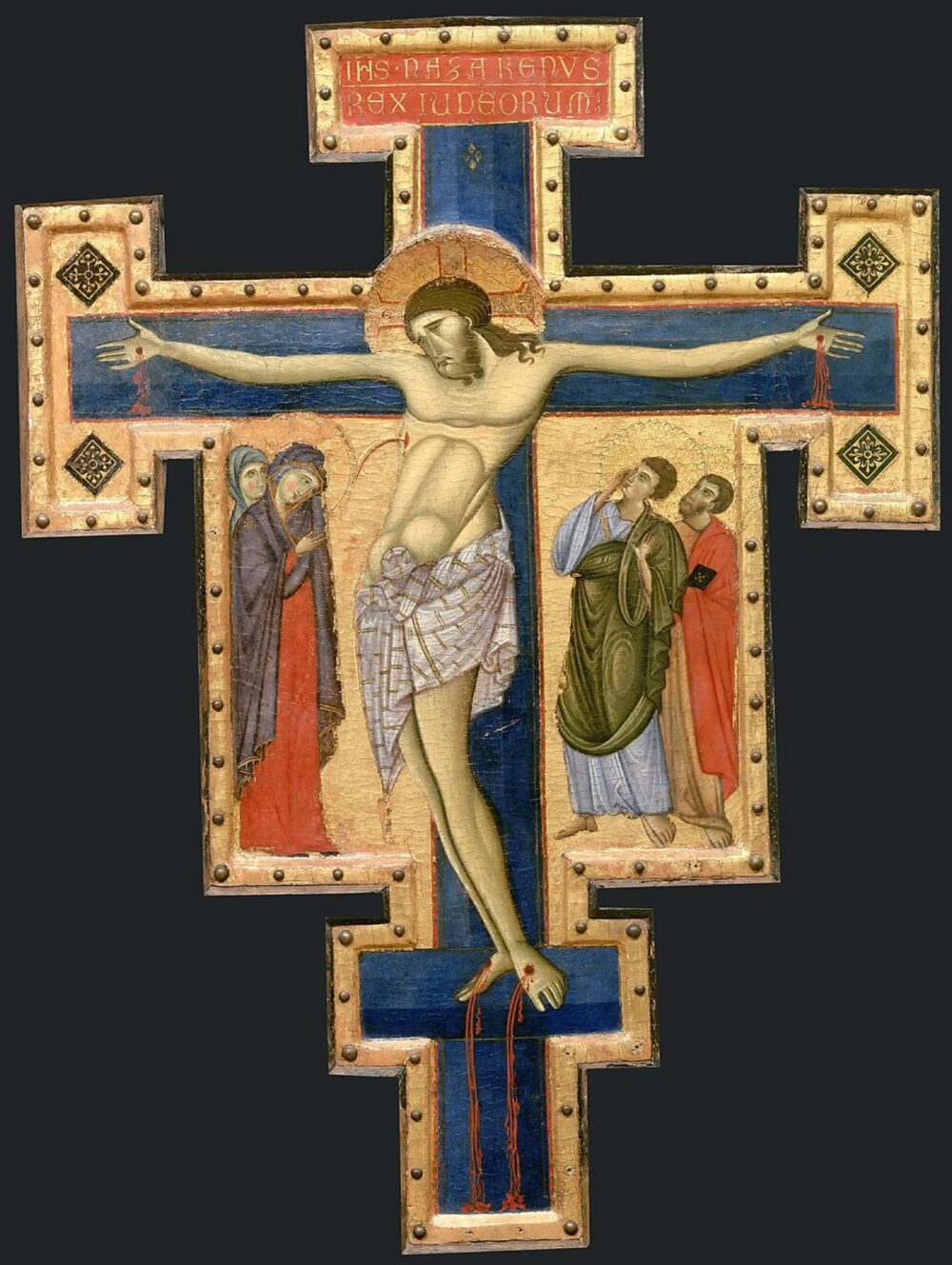
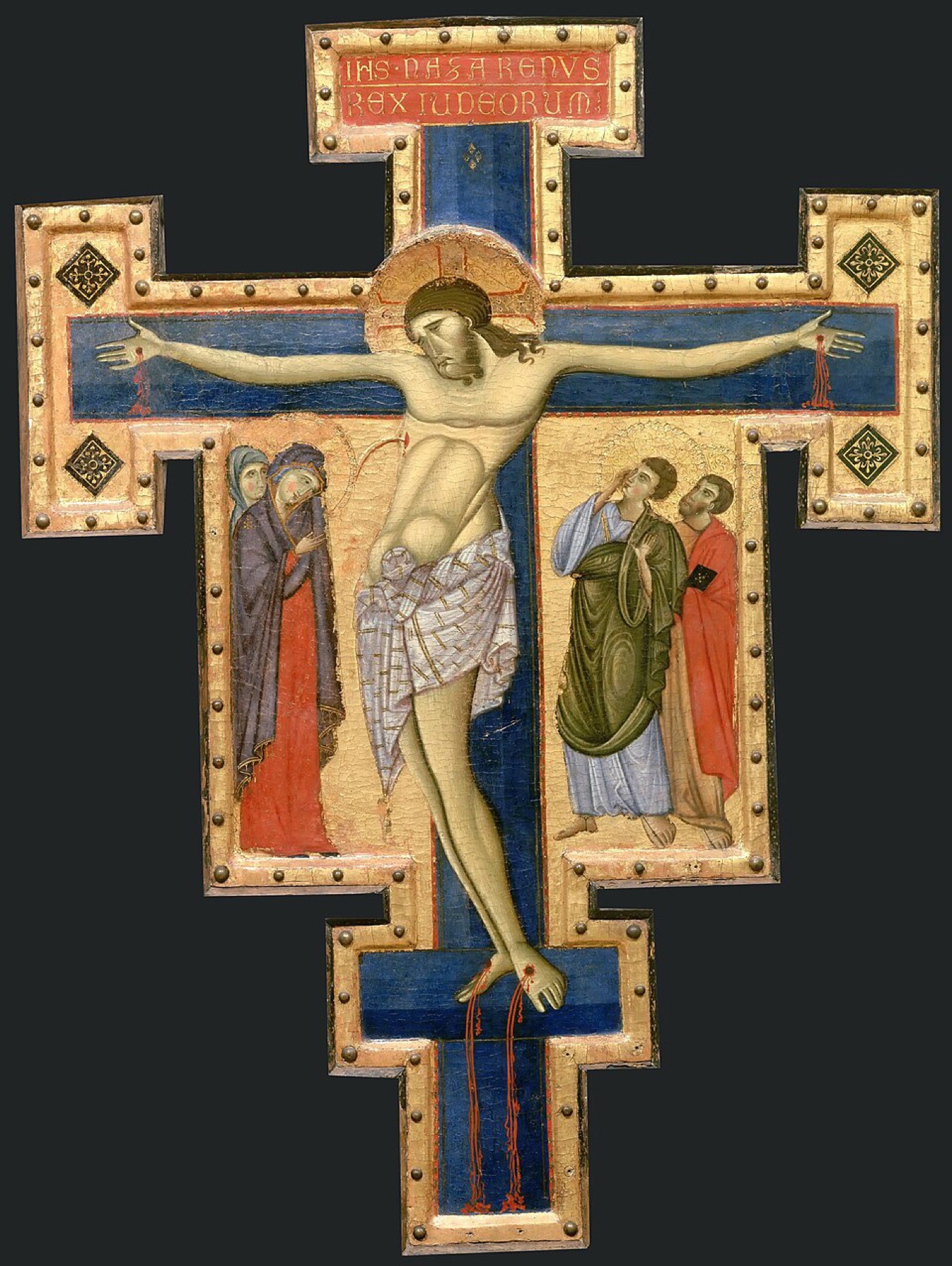
In Christian tradition a crucifix is a cross with an image of Jesus, a central devotional symbol rather than just neutral decor.Source That makes respect for quality and imagery part of the “cost” decision, especially for parishes and schools.
What Drives the Total Cost of Bulk Crucifixes?
When you move from buying one crucifix to buying 25, 50, or 200, four things drive your total spend:
- Unit price and pack size – how the crucifix is packaged and discounted.
- Domestic vs. international shipping – speed, reliability, and cost.
- Customs and import fees – relevant for cross-border orders into the US.
- Payment and marketplace fees – especially if you resell online.
US-based religious wholesalers such as Gifts Catholic, Catholic Supply of St. Louis, and McVan list wall crosses and crucifixes with quantity discounts. You might see a single crucifix price, then lower effective pricing when you buy a case or a specified bulk quantity. That makes the “per-crucifix” cost very sensitive to how many you actually need.
On the smaller side, CatholicShop.com’s bulk crosses and cross pendants include 25-pack and 50-pack crucifix pendants. This is typical of how event buyers source favors: a single listing covers all the units needed, with a built-in discount versus buying individual pendants.
For olive wood crucifixes and more artisanal pieces, Holy Land Treasures shows bulk olive wood crucifixes where the price per piece usually drops as your volume goes up. That “graduated discount” structure makes large parish orders or school programs significantly cheaper per crucifix than one-off purchases, but the upfront spend is higher.
For domestic shipping, most US suppliers use standard carriers; costs rise with weight and box size but stay predictable. Cross-border orders introduce longer transit times and potential import duties or taxes. Before you commit to an overseas bulk order, estimate those fees so you aren’t surprised by a 10-20% bump on delivery.
How Material, MOQ, and Customization Change Your Price Per Crucifix
Two bulk crucifix listings that look similar at a glance can have very different economics. The main levers are material, minimum order quantity (MOQ), and personalization.
- Material:
- Basic metal or alloy pendants are typically on the budget end and work well for youth retreats, large First Communion classes, or rosary-making kits.
- Olive wood crucifixes from Holy Land suppliers carry a premium because they’re hand-crafted in Bethlehem and marketed as devotional art as much as product.Holy Land Treasures bulk range
- Sterling silver or branded jewelry crucifixes behave more like fine jewelry; they’re better suited to small ecommerce boutiques than as mass event favors.
- Pack size and MOQ:
- Multi-packs like CatholicShop.com’s 25-pack crucifix and 50-pack silhouette crucifix pendants show how suppliers streamline bulk ordering. Your per-piece cost depends on how close your event headcount is to those pack sizes. Buying 100 pendants for 65 guests is cheap per unit but wastes inventory.
- Some wholesalers and Holy Land Treasures use volume tiers—ordering 24 wall crucifixes might unlock better pricing than ordering 12, but only if you can genuinely use or store them.
- Customization:
- Event buyers often want engraved dates, parish names, or custom centerpieces. Etsy is a dominant marketplace for this: the bulk crucifixes and centerpieces category shows many small-batch makers offering crucifix-themed centerpieces and craft parts, often with personalization options. Customization adds labor and design time, and those costs scale with quantity.
Scenario callout: three common bulk use cases
- First Communion or Confirmation favors: Small alloy or wood pendants, often in 25-50 packs, from Catholic wholesalers or Amazon marketplace listings, with minimal customization.
- Parish or school wall crucifixes: Bulk orders from Catholic Supply, McVan, or Holy Land Treasures, where material (Italian wood, olive wood, metal) and size drive price far more than count alone.
- Table decor for retreats or banquets: Crucifix centerpieces sourced from Etsy artisans or cross-border decor platforms, where design and shipping shape your per-table cost.
Choosing the Right Sourcing Channel and Cutting Costs Safely
You have three broad sourcing channel types: religious wholesalers, general marketplaces, and cross-border platforms. Each fits a different budget and risk tolerance.
Here’s a compact view of how they tend to differ:
| Channel type | Typical products in bulk | Cost strengths | Where it’s weaker |
|---|---|---|---|
| US religious wholesalers | Wall crucifixes, pendants, rosaries, church decor | Quantity discounts, consistent theology & imagery | Less customization, higher single-unit prices |
| Craft/marketplace sites | Pendants, charms, centerpieces, custom decor | Flexible pack sizes, personalization, small-batch | Quality and style vary by seller |
| Cross-border marketplaces | Decor crucifixes, centerpieces, some jewelry | Low unit prices on decor, wide selection | International shipping, possible import fees |
Religious wholesalers (parishes, schools, ministries) Suppliers such as Catholic Supply, Gifts Catholic, and McVan are geared to churches and Catholic retailers. You trade some flexibility for predictability: clear sacred imagery, known materials, and case-level discounts for wall crosses, classroom crucifixes, and sacramental gifts.
Marketplaces like Etsy and Amazon (crafts and small ecommerce) For crafters and small online shops, Etsy’s bulk crucifixes and centerpieces and similar Amazon categories offer diverse styles and materials. You can source small pendants for rosary kits, mixed packs of crucifix charms, or custom centerpieces on a per-project basis. Prices and quality vary seller to seller, so you’ll want to compare photos, descriptions, and reviews closely and request sample packs when your design language is sensitive.
Cross-border marketplaces (decor-heavy bulk) Cross-border platforms can make sense when your need is more decorative than liturgical and your budget is tight. For example, a DHgate listing for “12PCS Wooden Crosses Standing Candlestick Projection Jesus Crucifix Christian Baptism Table Centerpieces First Communion Decor” was observed on 2026-10-08 in the mid-$30s range for 12 pieces (about $33.47–$34.33 for the set at research time), which roughly illustrates per-centerpiece pricing for imported wooden crucifix decor.Source
That kind of decor-focused multipack can be effective for retreat tables or banquet centerpieces if you’re comfortable with international shipping times and potential import charges. For any cross-border order, build a quick checklist:
- Confirm the quantity and materials match your event’s requirements.
- Estimate shipping time against your event date, leaving margin for delays.
- Use a basic US import-fee calculator for the order value and product type so you aren’t blindsided by duties. You can deepen this step using resources like our customs and import fee explainer.
If sourcing across several marketplaces, you may also want to benchmark DHgate against other global sites. A neutral comparison resource such as this guide contrasting DHgate, AliExpress, Alibaba, and Temu can help clarify where each fits your mix of price, quantity, and risk tolerance.
Embedded Checklist: Keep Bulk Crucifix Costs Under Control
Use this short, event-focused checklist before you lock in a bulk order:
- Define the role of the crucifix.
Is it a wearable pendant, a classroom wall crucifix, a table centerpiece, or an item for resale? That decides whether you lean toward Catholic wholesalers, Etsy, or cross-border decor.
- Match pack sizes to headcount.
Write down how many pieces you truly need, then look for natural pack sizes: 25-pack or 50-pack pendants for sacramental classes, case quantities for wall crosses, 12-piece sets for centerpieces. Avoid ordering 2-3x your actual need just to chase the next discount tier.
- Pick a material tier and stick to it.
Choose one material band—basic alloy, domestic wood, olive wood, or sterling—and evaluate only within that tier. This keeps you from over-spending on a few upgraded pieces while underfunding the rest of the event.
- Compare total landed cost across 2-3 channels.
For each candidate supplier, add unit price, pack count, shipping, and a rough customs estimate if imported. If one channel looks dramatically cheaper, sanity-check imagery quality and lead times before deciding.
- Protect your timeline.
For US events, set an internal cut-off: domestic suppliers at least 3-4 weeks out, cross-border orders at least 6-8 weeks out, so you have room to pivot if a shipment slips.
For small ecommerce businesses, layer in one extra step: confirm your resale pricing after fees on your platform still covers landed cost and leaves margin. If international sourcing narrows your margin too far once you add customs and marketplace fees, pivot to domestic bulk pendants from religious wholesalers instead.
By treating crucifix sourcing as a structured budget decision—not just a search for the lowest sticker price—you’re more likely to end up with pieces that honor their religious meaning and still fit your parish, school, or shop’s finances.