
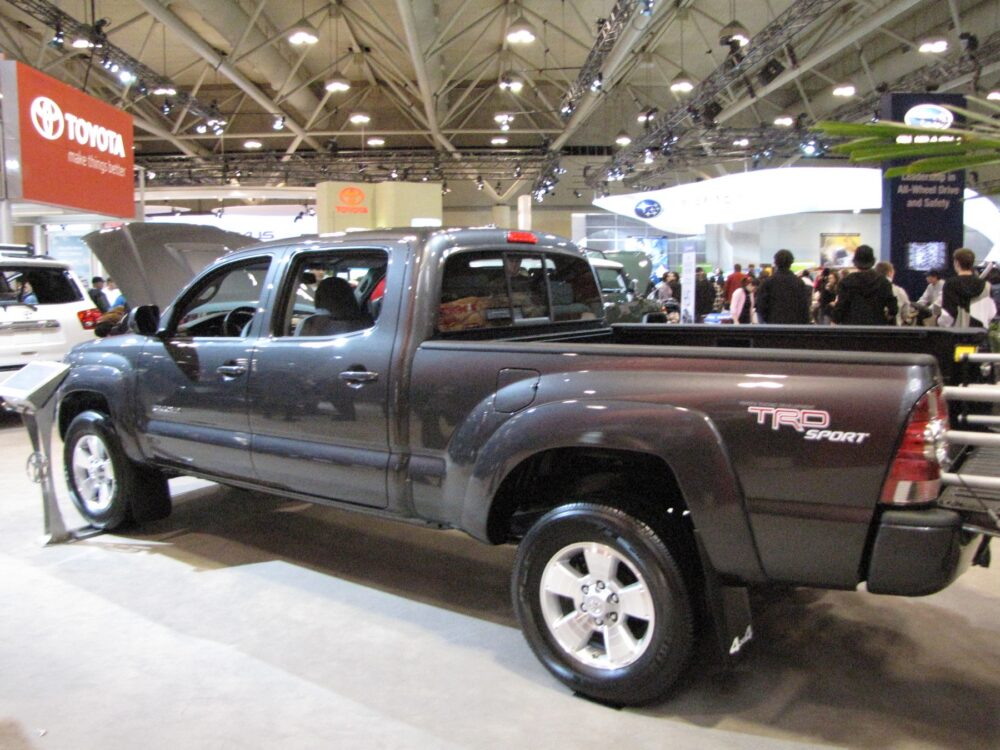
Replacing or customizing a Toyota Tacoma hood usually means choosing between an OEM-style steel panel for collision repair and an aftermarket or custom hood for style or performance. OEM replacement hoods typically come from Toyota dealers or collision-parts suppliers and are designed to match factory fit and crash standards. Aftermarket options range from CAPA‑certified factory-style steel panels to aggressive carbon fiber or fiberglass hoods and simple stick-on trim kits sold through specialty sites and marketplaces.
Your choice should start with why you’re shopping. If you’re fixing collision damage on a daily driver or insurance job, you’re usually better off with a factory-style steel hood, often CAPA‑certified, that matches your exact Tacoma generation and scoop/non‑scoop configuration. If you’re doing a cosmetic build, off‑road look, or running a small online store for Tacoma accessories, lighter or more radical designs such as Seibon TS‑style carbon fiber hoods or SMS‑style ram hoods from brands listed on marketplaces can make sense—provided you accept more fitment, paint, and shipping risk.
What Tacoma hood replacement and customization actually means
Most Tacoma hood replacements fall into two buckets:
- Collision or rust repair. A front-end impact, hail damage, or long-term rust pushes owners and body shops to replace the hood with something that fits and closes like stock. Here, factory-style steel is the norm, and insurers often expect an OEM or certified aftermarket panel.
- Customization and upgrades. Tacoma owners also swap hoods to add a functional or cosmetic scoop, more aggressive styling, or different materials for weight and looks. This is common in off-road builds and street trucks where appearance matters as much as utility.
Collision-part retailers sell factory-style steel Tacoma hoods, including CAPA‑certified units for models with hood scoops. One example is a 2023 Tacoma hood described as a factory style steel hood, for models with hood scoop, primed, CAPA certified by Replacement on CarParts.com. That kind of product targets repair scenarios where predictable fit and certification matter more than styling.
Customization hoods and trim, on the other hand, prioritize visual impact. Specialty retailers list TS‑style carbon fiber hoods for 2024+ Tacomas, such as Seibon’s design carried by Straight Six Imports. Owners in Tacoma forums also discuss stick-on scoop surrounds and accent pieces as a way to alter the hood’s look without replacing the whole panel.
Types of Toyota Tacoma hoods and visual add-ons
Tacoma hood options break down by material, style, and how much they change the truck.
Main hood types
| Hood type | Typical use case | Material & finish | Fitment / install notes |
|---|---|---|---|
| OEM Toyota dealer hood | Insurance or high-end repair | Factory steel, usually primed | Direct fit; priced and sourced via dealer |
| OEM-style CAPA steel hood | Cost-conscious collision repair | Aftermarket steel, primed | CAPA helps ensure fit; paint & install needed |
| Aftermarket steel scoop hood | TRD-style visual upgrade, repair w/scoop | Steel, often bare or primed | Often sold bare; body shop prep required |
| Carbon fiber custom hood | Performance/cosmetic builds | Carbon fiber with clear or gel coat | May need adjustments; emphasizes style |
| Fiberglass/custom ram hood | Aggressive styling, airflow claims | Fiberglass, unpainted | Sanding, priming, body shop install |
| Stick-on scoop/trim kit | Low-cost visual tweak | Plastics, adhesive backing | Peel-and-stick; does not replace hood panel |
OEM and OEM-style steel hoods.
Factory Toyota hoods are steel and designed around strict crash requirements and body tolerances. When bought through a dealer, they’re typically primed and ready for paint. Collision-part sites carry OEM-style replacements, some with CAPA certification, aimed at repair jobs where you want factory geometry at a lower part cost than dealer OEM. The CarParts 2023 Tacoma hood above is a typical CAPA example.
Custom carbon fiber hoods.
Brands like Seibon offer TS‑style carbon fiber hoods for late-model Tacomas through specialty importers such as Straight Six Imports. These hoods change the truck’s presence immediately—more contours, vents, and a woven carbon finish. They’re generally unpainted carbon, meant to be run as-is or with clear coat. They target enthusiasts and small shops building higher-margin custom trucks.
Fiberglass and SMS-style ram hoods.
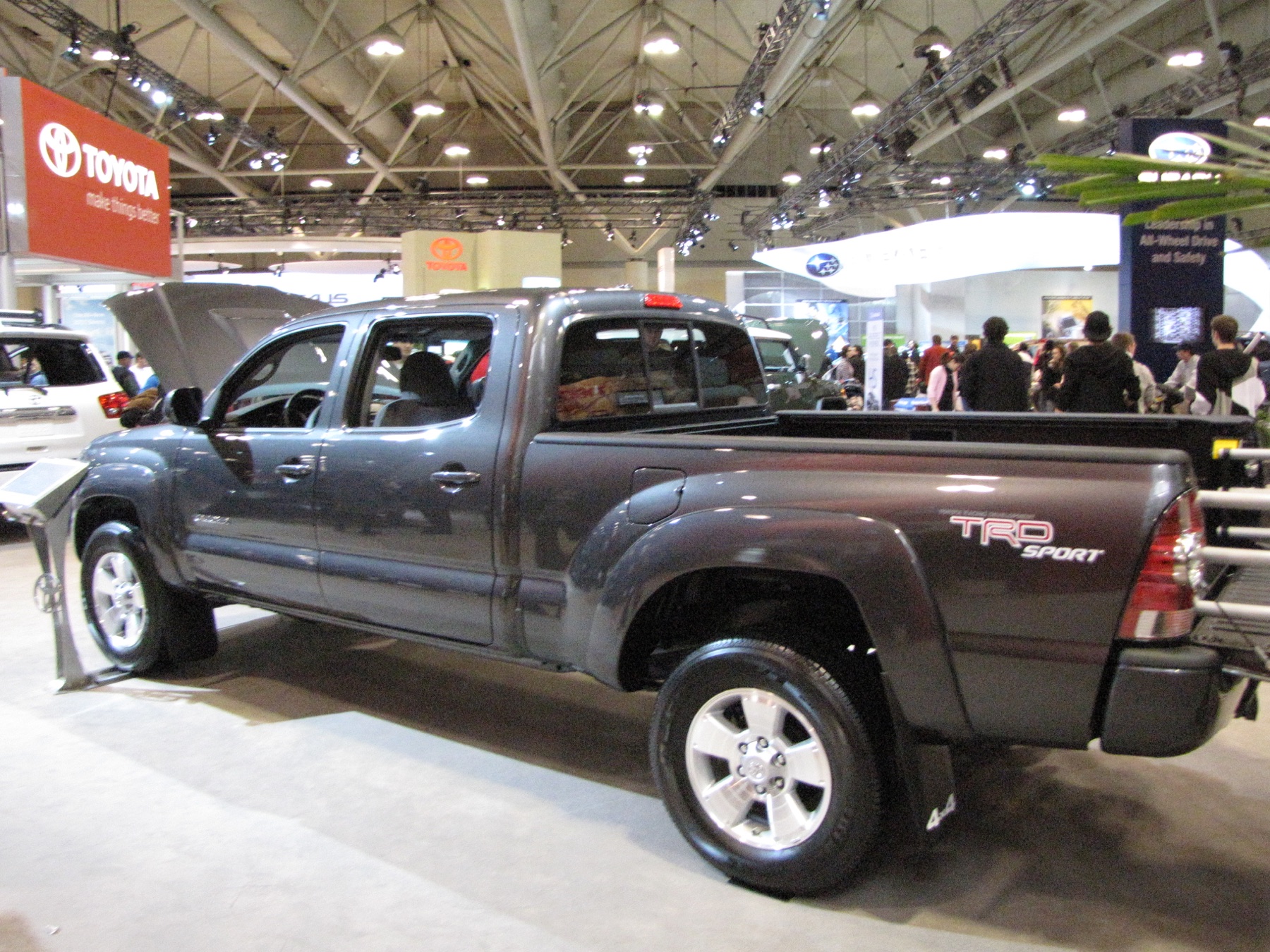
Marketplace listings show SMS-style functional ram hoods for 2016-2023 Tacomas described as fiberglass parts that must be fitted, sanded, primed, and painted and often state that a skilled body shop is required, as seen in an SMS hood listing on eBay. These are aimed squarely at visual and niche performance builds; they’re not plug-and-play replacement panels.
Stick-on hood mods and accents
Not everyone wants to replace the whole hood. Tacoma owners share pictures of stick-on hood alteration kits around the scoop opening on forums like TacomaWorld. Accessory brands sell upper hood scoop accent trims specifically cut for 2016-2023 Tacomas, such as the TUFSKINZ piece on Aspire Auto Accessories.
These products are usually plastic or composite pieces with adhesive backing. They:
- Change the look at very low cost
- Avoid structural changes to the hood
- Can be offered by small ecommerce businesses without freight shipping or body shop partnerships
They don’t solve collision damage, but they’re an accessible entry point into Tacoma hood customization.
Where to buy OEM, aftermarket, and custom Tacoma hoods
Different buyers use different sourcing routes. The same hood type can be sold across several channels, but each has its own tradeoffs.
Dealer and collision-part suppliers (OEM and CAPA steel)
For straight repairs—especially if an insurer is involved—Toyota dealers and collision-part distributors are the default. Dealers supply OEM hoods specific to your VIN. Collision sites stock factory-style steel hoods, often CAPA‑certified and primed, like the scoop hood example on CarParts.com.
These channels make sense if:
- You need proven fit and certification
- A body shop is already handling paint and installation
- You’re not chasing radical styling or weight savings
Niche vendors offering pre-painted hoods
Some small vendors specialize in pre-painted replacement hoods to simplify the process. A 2016-2023 Tacoma hood and scoop panel sold as painted by ReveMoto targets owners who want a color-matched replacement shipped ready to bolt on.
Pre-painted hoods appeal if you:
- Don’t have an easy relationship with a paint shop
- Want to minimize downtime and complexity
Color match can still vary by vehicle age and repaint history, so these are best for trucks close to factory paint condition.
Performance and styling brands
Specialty importers and performance retailers carry carbon fiber and other custom hoods for late-model Tacomas. The Seibon TS‑style hood on Straight Six Imports is a good example: one part, sold specifically for 2024+ Tacoma and 2025+ 4Runner, marketed on style and material rather than collision repair.
These channels are suited to:
- Enthusiasts building one-off trucks
- Small ecommerce businesses selling high-ticket, low-volume custom pieces
They usually require:
- More careful fitment checks
- Clear communication about prep and installation expectations with customers
General marketplaces and classifieds
Online marketplaces like eBay list a mix of bare replacement Tacoma hoods and custom designs. One 2016-2023 Tacoma hood with a scoop hole is described as local pickup only, and notes that it’s sold as a replacement panel, not by color, and must be prepped and painted by a body shop.
Across these listings, patterns you’ll often see include:
- Bare, unpainted steel or composite panels requiring professional prep
- Local pickup because shipping large body panels is expensive and damage-prone
- Mixed seller experience levels, from established body-part suppliers to hobby resellers
Marketplaces can be attractive for:
- Finding discontinued or niche styles
- Sourcing upgrade hoods like SMS-style ram designs
- Small resellers testing demand with low initial inventory
They’re less ideal if you need predictable, national coverage and standardized quality for insurance work.
Cosmetic accessory retailers
For stick-on hood trim and scoop accents, accessory sites such as Aspire Auto Accessories focus on smaller, lighter products that ship via parcel services. These channels are convenient for individual buyers who want quick cosmetic changes and for small ecommerce businesses that prefer low-risk inventory, small packages, and simple returns.
For a body shop repairing a late-model Tacoma, the most straightforward path is an OEM or CAPA‑certified steel hood from a dealer or collision supplier, potentially pre-painted if logistics allow. For an enthusiast or small reseller building a visual brand around Tacomas, carbon fiber, fiberglass ram hoods, and stick-on accent kits sold through specialty retailers and marketplaces open up more styling—but demand more care around fit, paint, and customer expectations.