
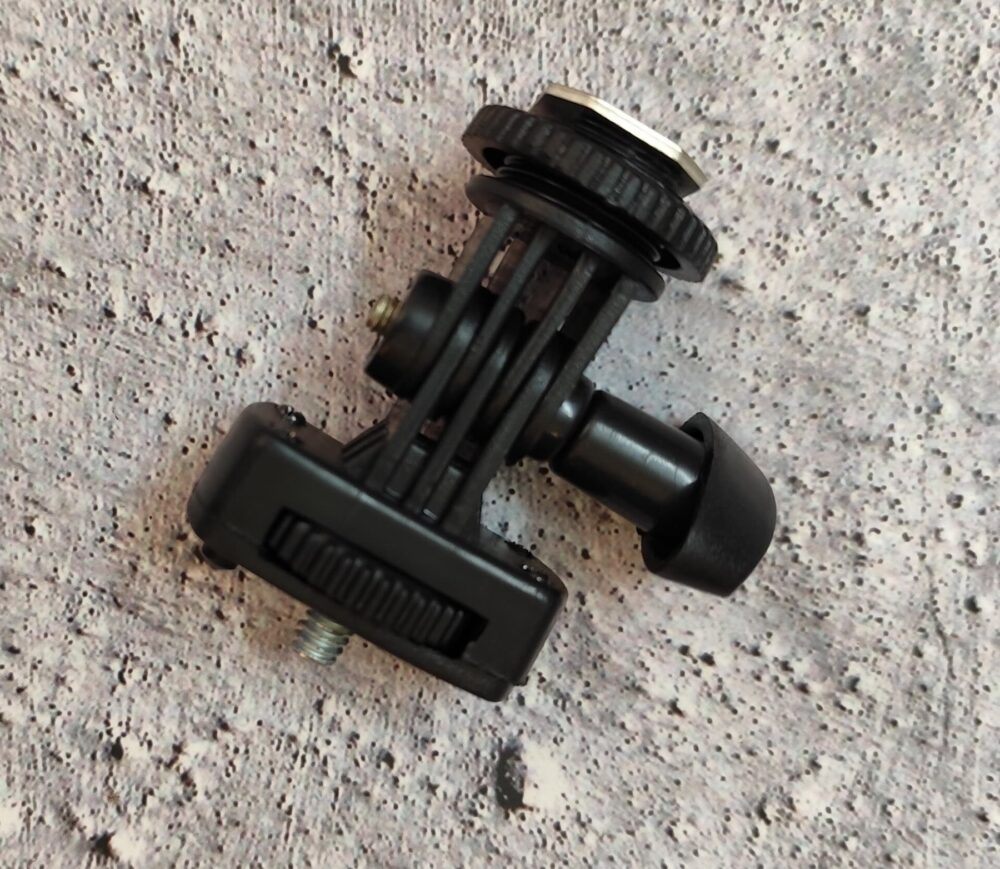
Cold shoe mounts with standard 1/4-20 threads are cheap, but the real cost depends on the mount type, material and how you buy. In Australia, basic single cold shoe adapters and small 2-packs are treated as low-ticket add-ons by camera retailers, while more complex dual or triple mounts and ball-head adapters sit a tier above. If you match the mount style to your rig, avoid over-spec materials, and choose the right sourcing channel, you can kit out a video or photo setup without blowing the budget.
A good starting point for most buyers is a standard cold shoe adapter with a 1/4-20 threaded hole or screw. That lets you bolt the shoe onto tripods, cages, phone rigs and brackets from almost any brand, then slide in accessories like mics or LED panels. Brands such as SmallRig and ChromLives sell many variants, from simple single shoes to triple mounts, so you can scale your spend with the number of accessories you genuinely need.
What Cold Shoe Mounts Do and How Their Costs Break Down
A cold shoe is a small mechanical bracket that accepts the foot of an accessory—typically microphones, compact LED lights, wireless receiver packs or tiny monitors. It looks similar to a camera hot shoe but, as explained in the hot shoe overview, a cold shoe has no electrical contacts. It’s there purely to hold gear securely; triggering or data connections happen through cables or wireless links, not through the shoe itself.
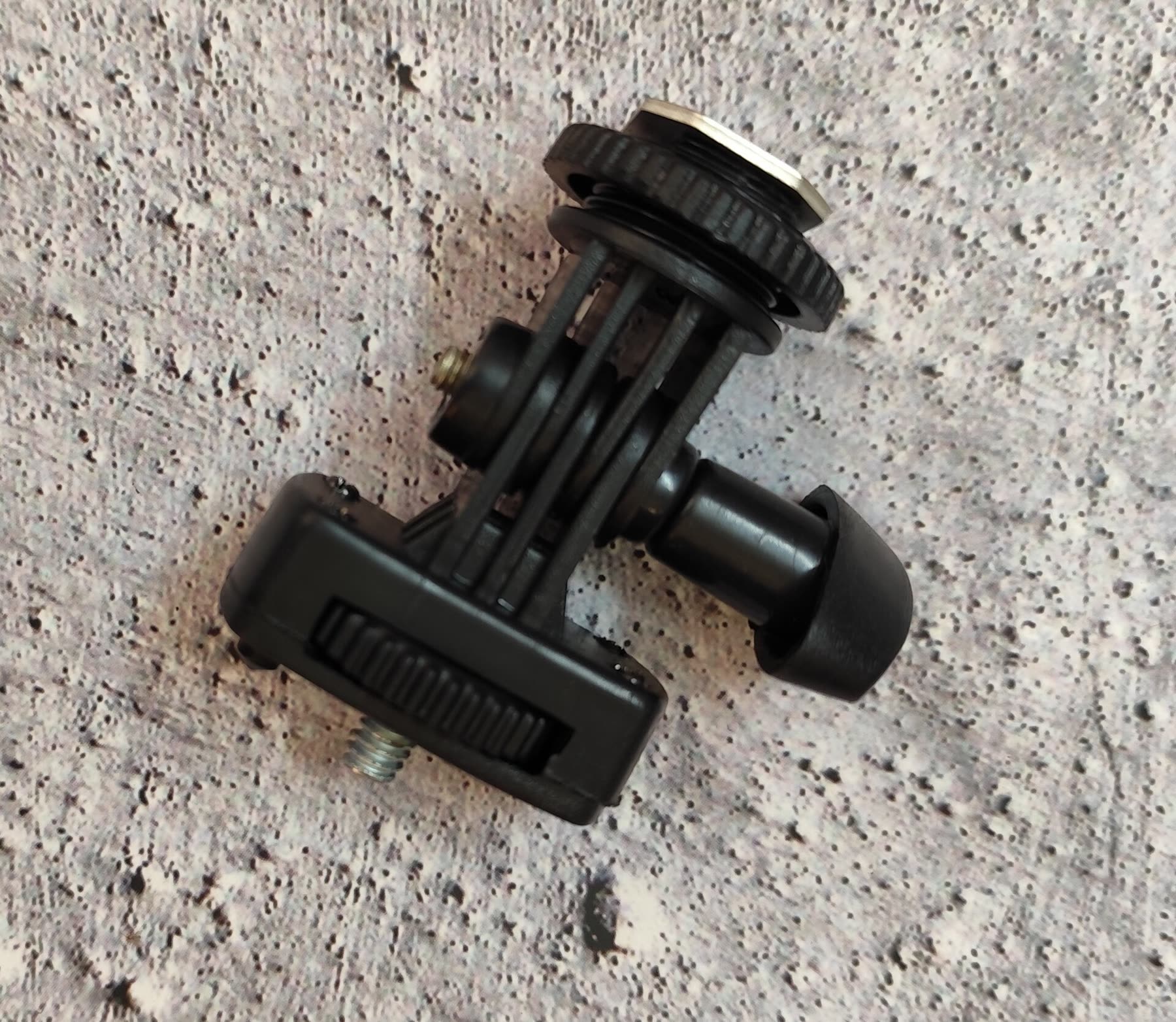
Most budget-friendly cold shoe mounts aimed at rigs and cages add a 1/4-20 threaded interface somewhere on the body. That thread is a standard in photo/video gear, so you can attach the shoe to:
- Tripods and light stands
- Camera cages and top handles
- Phone holders and livestream rigs
Australian retailers such as Digital Camera Warehouse list basic cold shoe adapters in small packs, and stores like Rubber Monkey group shoe mounts with other rig components. This pattern tells you two cost truths:
- The unit price of a simple single shoe or 2-pack is low compared with cameras or lenses.
- Your total spend is shaped more by how many pieces you buy, the complexity of the mount (single vs dual vs triple, flat plate vs ball head), and shipping.
For cross-border orders, you need to add at least three more components to your cost view:
- International shipping or freight
- Currency conversion and payment fees
- Possible customs/GST on imported camera accessories
For a one-off personal purchase, those extras might rival the product price. For a small ecommerce buyer importing dozens of mounts, they become a manageable percentage of the total order.
Common mount types and typical budget roles
Here’s how the main cold shoe mount forms map to use-cases and relative price tiers. The bands are editorial judgment based on how retailers group and describe them, not exact figures.
| Mount type | Example features | Typical use-case | Relative price band* |
|---|---|---|---|
| Single cold shoe adapter | One shoe, 1/4-20 hole or screw | Add one mic or light to a camera/rig | Very low |
| Dual cold shoe bar/mount | Two shoes, central 1/4-20, sometimes compact handle | Run mic + light from a single mounting point | Low |
| Triple cold shoe bracket | Three shoes, 1/4-20 thread for cage or stand | Small multi-accessory video rigs | Low–mid |
| Cold shoe plate for cages/handles | Flat plate, multiple screw holes, sometimes 2+ shoe slots | Expand a cage or handle with more shoes | Low–mid |
| Ball-head cold shoe monitor mount | Cold shoe base, ball head, 1/4-20 screw for monitor | Tiltable monitor or light on top of rig | Mid |
\*Relative to other mounts in this table; actual prices vary by brand, region and channel.
On SERP, the SmallRig “Cold Shoe to 1/4″-20” adapters and ChromLives dual mounts demonstrate the range: very compact adapters on one end, dual/triple shoes and ball-head mounts on the other. As you climb that ladder, you’re paying mostly for extra complexity and more metal—not for a different underlying standard.
Why Prices Vary: Materials, Features and Order Size
Most cold shoe mounts are either molded plastic or machined metal (often aluminum alloy). Plastic single shoes and basic adapters are the cheapest tier and work fine for lightweight accessories. Once you move to metal construction, you’re buying extra durability, tighter tolerances and often better finish—relevant if your rig sees daily use, travel or light abuse.
Feature complexity is the second big driver. A plain single shoe with a 1/4-20 hole is simple to manufacture. Add a ball head, a locking knob, or multiple shoes on one bracket and you increase parts count and assembly time. That’s why ball-head cold shoe monitor mounts, like those commonly sold under the SmallRig name, sit in a higher band than flat plates.
For businesses, minimum order quantity (MOQ) and mix across SKUs matter more than for individual buyers. Small ecommerce operators in Australia often:
- Use single and dual shoes as entry-level upsell accessories bundled with mics or lights.
- Keep a smaller stock of mid-tier mounts (triple brackets, ball-head monitors) for more serious creators.
If a supplier or marketplace seller offers price breaks at certain order sizes, it’s usually most efficient to concentrate volume in the low-complexity SKUs that move fastest, then add a modest number of specialized mounts to round out your catalog.
Shipping method is another hidden price factor. A handful of cold shoe adapters shipped domestically via regular post will usually track closely to the product price. The same handful shipped by tracked international courier can cost several times the unit price in freight, which is why cross-border buying tends to favor:
- Larger mixed orders where shipping per unit falls
- Lighter but durable designs (aluminum over steel) to keep weight down
Finally, seasonality and promotions matter, but only at the margin. Because cold shoe mounts are accessory staples, they don’t follow big launch cycles like cameras; discounts tend to align with store-wide sales or clearance events rather than product-specific hype.
Picking Sourcing Channels and Keeping Total Cost Sensible
Australian buyers have three broad channel choices for cold shoe mounts and related camera accessories:
- Local camera and video retailers. Stores such as Digital Camera Warehouse, HeroGear and Electronica Australia stock shoe mount adapters alongside rigs and cages. Here you’re paying for straightforward shipping, local consumer protections and the ability to sanity-check compatibility in plain language.
- Regional and global specialty shops. Sites like Rubber Monkey or brand-focused resellers often carry a broad range of mounts from names like SmallRig. This is useful if you want consistency of design and finish across your rig, and you’re willing to pay a bit more for curated selection.
- Global marketplaces and cross-border platforms. Large marketplaces, including DHgate, host many third-party sellers offering camera accessories, cold shoe mounts and rig components. These can be attractive for small ecommerce businesses that want direct access to overseas inventory and a wide spread of unbranded or OEM-style mounts.
For that third group, the decision is less “Is DHgate cheaper?” and more “Does this specific seller and listing stack up once I include everything?” When evaluating any cross-border marketplace listing:
- Look at product photos and specs to confirm 1/4-20 threading and cold shoe dimensions you recognize from your existing gear.
- Check estimated shipping cost and time for Australia, and compare against buying locally.
- Consider your order size: tiny personal orders may be better off local; mixed bulk orders of camera accessories can justify international freight.
- Review current Australian rules on GST and import thresholds if your total order value climbs; DHgateWiki’s guide on customs, tariffs and import fees is a useful starting point, but you should always confirm against official government sources.
If you’re comparing DHgate against other global platforms for a broader sourcing strategy, the overall marketplace context article at DHgate vs AliExpress, Alibaba and Temu can help you position DHgate alongside alternatives.
Practical cost-optimization scenarios
Solo creator, one rig: If you’re just adding a mic and light to a mirrorless camera or phone rig, a single or dual cold shoe adapter with 1/4-20 threading from a local retailer is usually the sensible choice. Shipping stays low, and you avoid customs complexity entirely.
Small ecommerce seller testing demand: When trialing cold shoe mounts as an add-on product, start with a limited set of SKUs: a simple single shoe adapter, a dual bar, and maybe a ball-head monitor mount. Order modest quantities through either a local distributor or a carefully vetted cross-border seller, then scale whichever SKU actually moves. Avoid tying up capital in niche mount designs until reviews and repeat orders justify it.
Brand-agnostic rig builder: Because 1/4-20 threading and cold shoe dimensions are broadly compatible across brands, you can comfortably mix local purchases and imported accessories. For example, you might buy a SmallRig cage and top handle through an Australian shop, then source simpler generic cold shoe adapters via a marketplace to bring your average accessory cost down.
If you decide that DHgate is a relevant sourcing path and want to focus specifically on wholesale supplier hunting there, DHgateWiki’s page on finding wholesale suppliers on DHgate outlines practical checks to run on individual sellers.
The consistent thread across all of these choices: cold shoe mounts themselves are inexpensive, but your budget outcome hinges on making channel, mount type and order size work together rather than chasing the absolute lowest sticker price.