
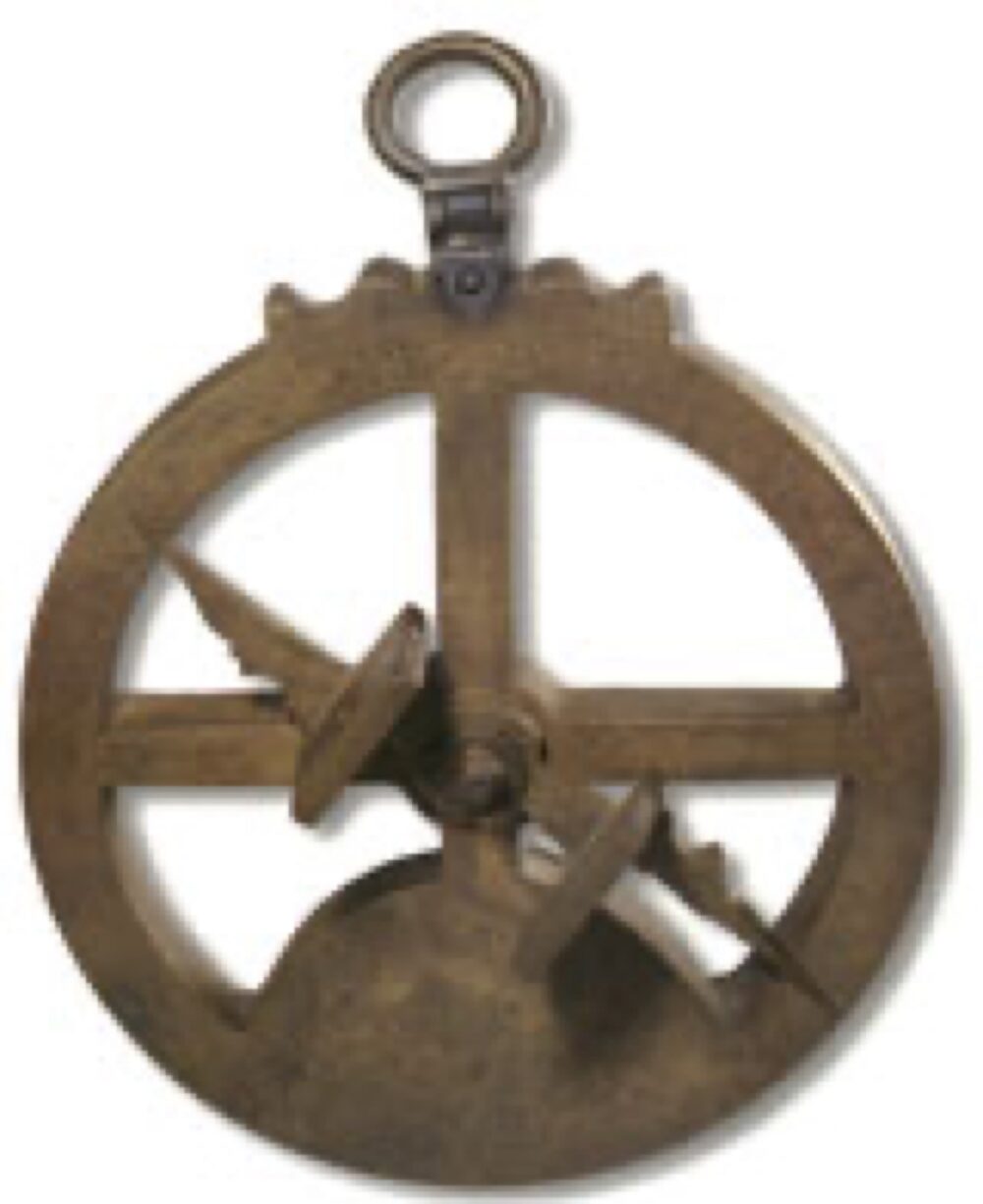
If you’re looking for a mariner’s astrolabe and traditional compass online, you’ll mostly find them through specialist instrument shops, museum and collector sites, and marketplaces like eBay and Etsy. DHgate sometimes appears as a source for low-cost decorative or replica pieces, but it’s not a primary channel for museum-grade artifacts or carefully documented reproductions, so you’ll have to judge each listing on its own.
The right place to shop depends on whether you want a study-quality instrument, a historically accurate reproduction, a genuine antique, or just nautical decor.
What Mariner’s Astrolabes and Traditional Compasses Are, and Who Buys Them Online
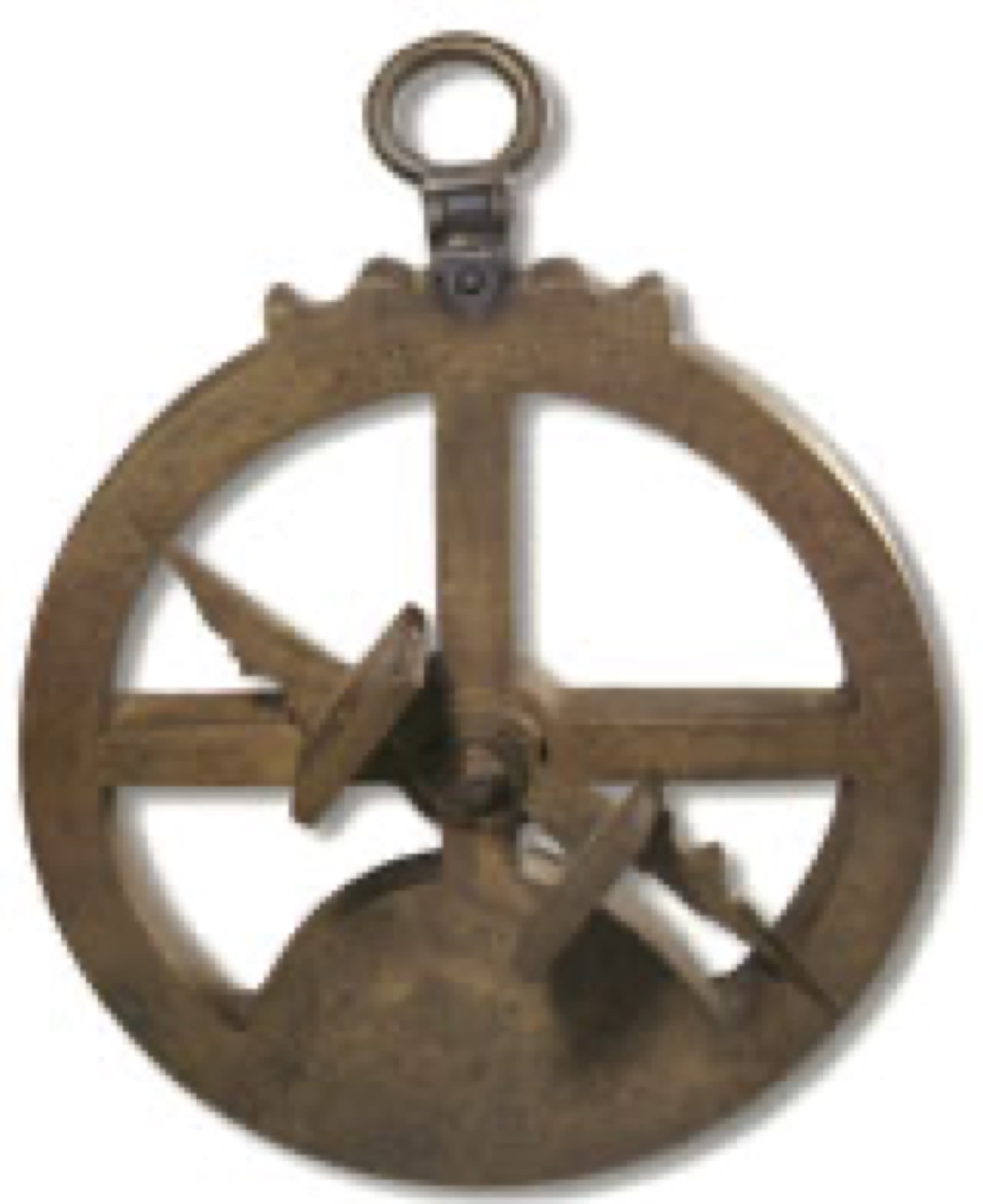
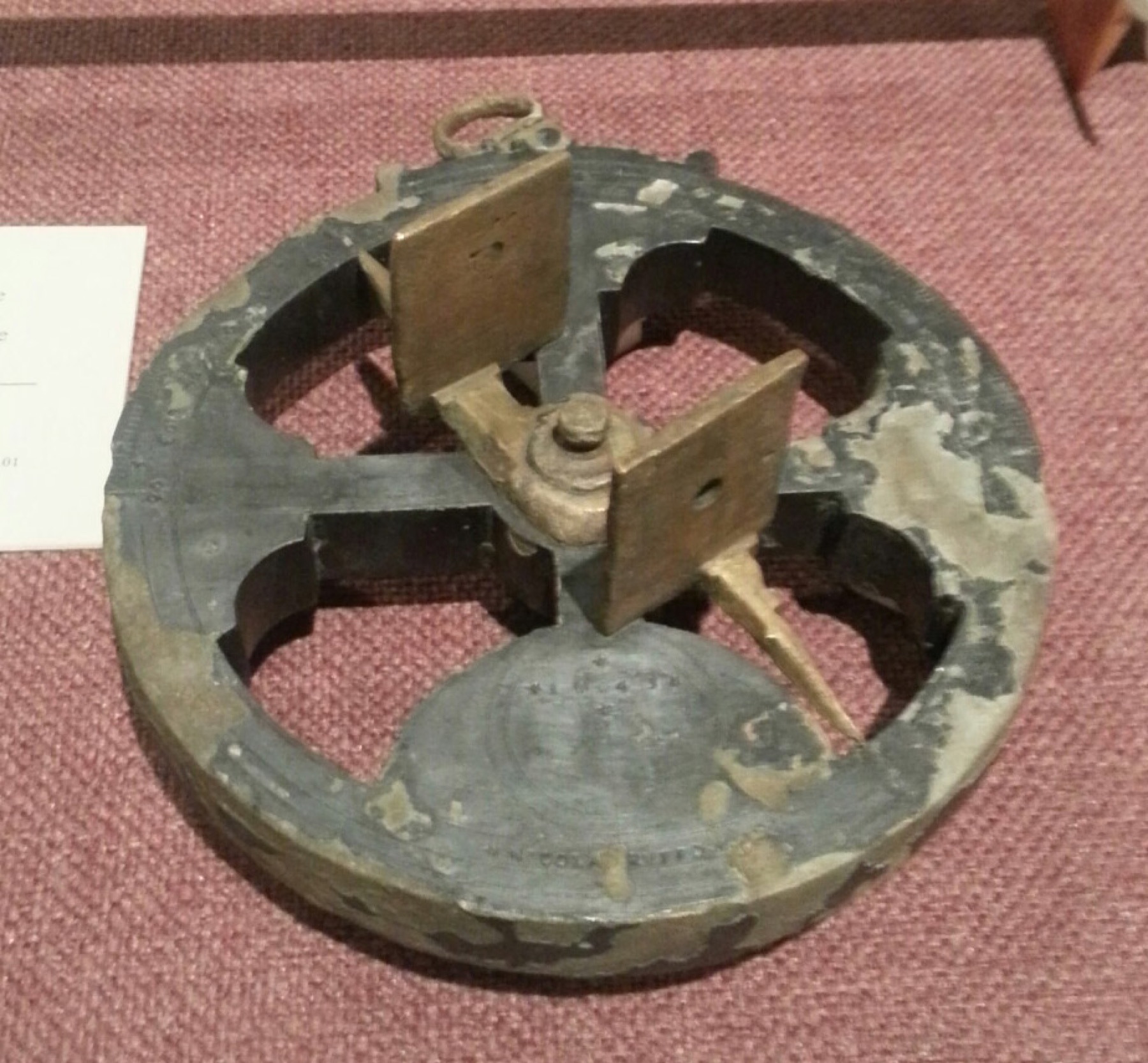
A mariner’s astrolabe is a late‑15th‑century navigational instrument, used mainly by Portuguese sailors to estimate latitude at sea by measuring the height of the Sun or stars above the horizon. Unlike the more delicate planispheric astrolabe, the mariner’s version is a heavy, often brass disc with cut‑outs to reduce wind resistance and a rotating sighting rule.
Classic marine compasses are magnetic instruments mounted so the card stays level and readable as a ship moves. They were paired with tools like the mariner’s astrolabe to help keep a ship on course.
Today, you’re not buying these for modern safe navigation. Typical buyers include:
- Students and educators using replicas to teach history of navigation.
- Collectors of maritime artifacts and scientific instruments.
- Museums and institutions adding reproductions to exhibits when originals are unavailable.
- Decor and gift buyers who want a nautical look rather than functional accuracy.
- Small ecommerce sellers testing demand for maritime‑themed decor or educational kits.
The first decision is which of those use‑cases you fall into, because that will push you toward different product types and channels.
Types of Mariner’s Astrolabes and Compasses: Artifact, Replica, Educational, Decorative
Think of “mariner’s astrolabe + compass” as a style family with four main product types. They can look similar in photos, but their specs and ideal channels differ.
1. Artifact and high‑end collector pieces
Original mariner’s astrolabes survive in museum collections like the Smithsonian and the Mariners’ Museum, where you can browse detailed object records and images online, but these institutions generally don’t sell originals to consumers.Smithsonian’s collection record shows materials, markings, and provenance – useful if you’re evaluating a supposed antique elsewhere.
If you’re chasing genuine artifacts or very rare compasses, typical channels are:
- Auction houses and specialist dealers.
- High‑end collector marketplaces.
Those are outside the scope of general consumer platforms and require serious expertise and independent appraisal.
2. Functional replicas and educational instruments
Specialist retailers sell replicas designed to work well enough for demonstrations and teaching.
- Celestaire offers a mariner’s astrolabe reproduction intended for educational or demonstration use, with brass construction and engraved scales.Celestaire’s product page gives you a clear sense of materials and layout.
- Astroshop lists a Hemisferium mariner’s astrolabe in its “historical instruments” range, again a brass reproduction with functional markings.Astroshop’s listing distinguishes this from modern digital tools.
These suppliers tend to:
- Describe materials (brass, diameter, engraving) and intended use (demonstration vs decor).
- Sit alongside sextants, star charts, and other navigation teaching tools.
If you actually want to show students how latitude was measured or build a serious collection of reproductions, these sites are a better fit than generic marketplaces.
3. Historical reproductions vs decor pieces
Some shops specialize in historical instruments and explicitly separate functional reproductions from decorative versions.
Astrolabeshop, for example, offers Hemisferium astrolabes and related instruments, and calls out whether a piece is meant as a working model or primarily as decor.Astrolabeshop’s listing illustrates that split: you’ll see detail on engraving and operation for working models, and more emphasis on appearance for decor.
If you’re sourcing for resale, this difference matters. A customer disappointed that a “mariner’s astrolabe” wall piece doesn’t actually let them measure the Sun will treat that as a misrepresentation.
4. Decorative compasses and astrolabe‑themed items
Decor buyers and small ecommerce sellers often gravitate to vintage‑style maritime compasses, astrolabe‑shaped desk ornaments, and themed geocoins.
Marketplaces like eBay and Etsy routinely carry:
- Brass “nautical” compasses with engraved compass roses.
- Mariner’s astrolabe replicas that are primarily ornamental.
The same search can surface everything from handmade art pieces to mass‑produced imports, with highly variable authenticity and quality.Example eBay listings show this mix: the photos and descriptions often focus on aesthetic appeal, not navigation performance or historical accuracy.
For decor and gift inventory, that variability can be acceptable if you vet samples carefully. For education or serious collecting, it’s a red flag.
Quick callout: artifact vs replica vs decor
- Artifact: documented provenance; museum or auction channels; rare and expensive.
- Functional replica: brass, engraved scales; sold by specialist instrument retailers; suitable for teaching and demonstration.
- Decor: looks nautical; may lack accurate scales or robust construction; found on broad marketplaces and gift shops.
Best Online Channels to Source These Instruments, Including Marketplaces Like DHgate
Different goals map cleanly to different online channels. Here’s a high‑level view.
| Use‑case / buyer goal | Best‑fit channels | Typical product type |
|---|---|---|
| Study & classroom demonstrations | Specialist retailers (Celestaire, Astroshop), educational suppliers | Functional replicas, teaching sets |
| Museum‑style display (non‑artifact) | Historical‑instrument shops (Astrolabeshop), museum shops if available | High‑quality reproductions, facsimiles |
| Serious collecting & antiques | Specialist dealers, auctions, museum‑adjacent networks | Artifacts, high‑end collector pieces |
| Nautical decor & gifts | eBay, Etsy, broad marketplaces (incl. DHgate), decor retailers | Decorative compasses and astrolabe motifs |
| Small ecommerce testing demand | eBay/Etsy, wholesale marketplaces like DHgate, other B2B platforms | Low‑cost replicas and decor for resale |
How niche shops compare to broad marketplaces
Specialist instrument retailers (Celestaire, Astroshop):
- Focus on navigation and astronomy tools, so product pages tend to include material, intended use, and sometimes basic care instructions.
- Better suited if accuracy, scale legibility, and durability actually matter to you.
Historical‑instrument shops (Astrolabeshop and similar):
- Often outline whether a reproduction is designed to function or just to look historically inspired.
- Useful if you want pieces that visually match museum examples, even if you’ll never use them at sea.
Museum and institutional collections (Smithsonian, Mariners’ Museum):
- Offer high‑quality reference photos and catalog data so you can compare proportions, inscriptions, and layouts with items for sale elsewhere.
- Generally don’t sell originals, but some have gift shops that carry prints or simplified reproductions.
Where marketplaces like eBay, Etsy, and DHgate fit
For decor and low‑commitment experimentation — especially if you’re a small seller — broad marketplaces are often the first stop:
- DHgate: A China‑based wholesale‑oriented marketplace where many sellers offer niche and decorative products at relatively low unit cost for bulk orders. It can be relevant if you’re sourcing mariner’s‑astrolabe‑style decor or simple compasses to resell, but listings for these instruments may not distinguish clearly between functional and purely ornamental pieces, so you’ll need to press for specification details and order samples before committing.
If your goal is education or serious reproducibility, specialist retailers and historical‑instrument shops are usually a cleaner starting point than any broad marketplace. If your goal is decor or testing a product idea, marketplaces can make sense as long as you build time into your plan to evaluate samples and manage customer expectations.
For readers specifically considering DHgate for sourcing, it’s worth reviewing general marketplace behavior and seller‑vetting practices before you buy. DhgateWiki has independent guides explaining what DHgate is and how the marketplace works and how to find trusted sellers on DHgate, which can help you approach any niche instrument listing with more structure.