
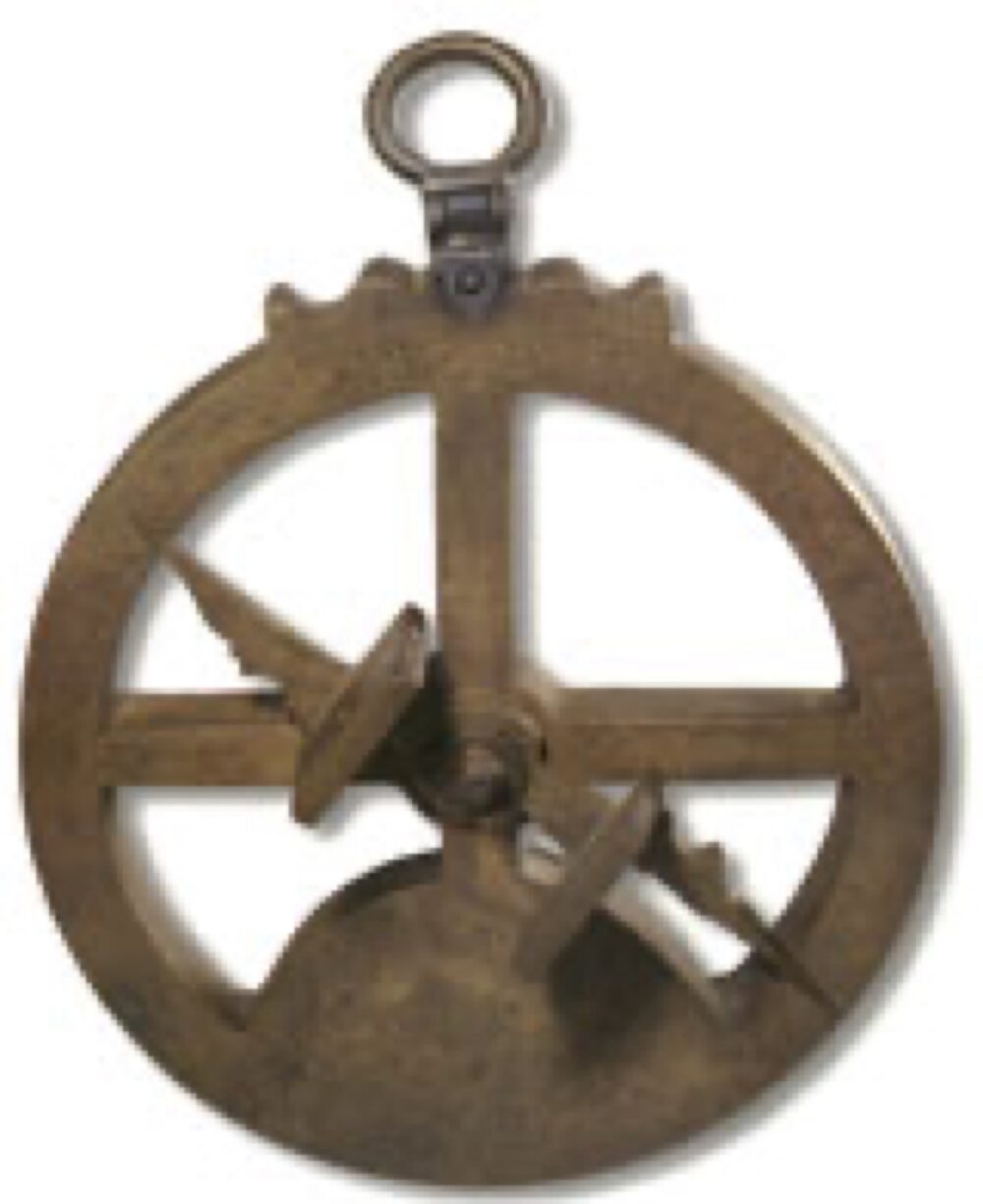
If you search “mariner’s astrolabe” or “navigation compass” on DHgate, you’re almost certainly looking at replicas or decor pieces, not museum‑grade instruments. You can still use DHgate to source teaching props or themed gifts by searching creatively, reading each listing in detail, and ordering samples before any serious bulk order, but if you need a study‑grade or collectible instrument you’ll likely be better off with specialist retailers.
This guide walks through how to find plausible mariner’s astrolabe and compass models on DHgate, how to tell decorative from functional claims, and when to leave DHgate for more serious sources.
What Buyers Really Get When They Search Mariner’s Astrolabes and Compasses
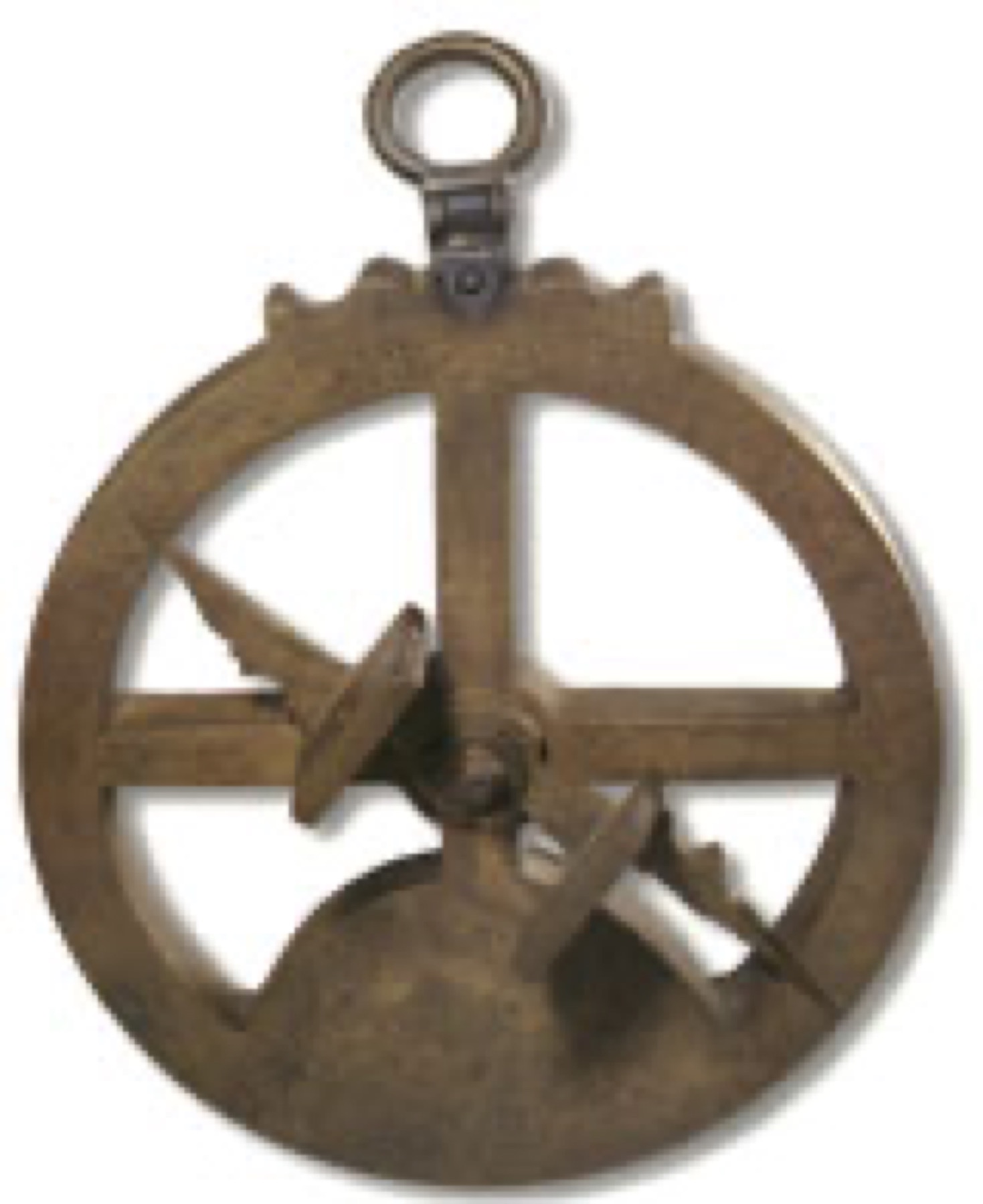
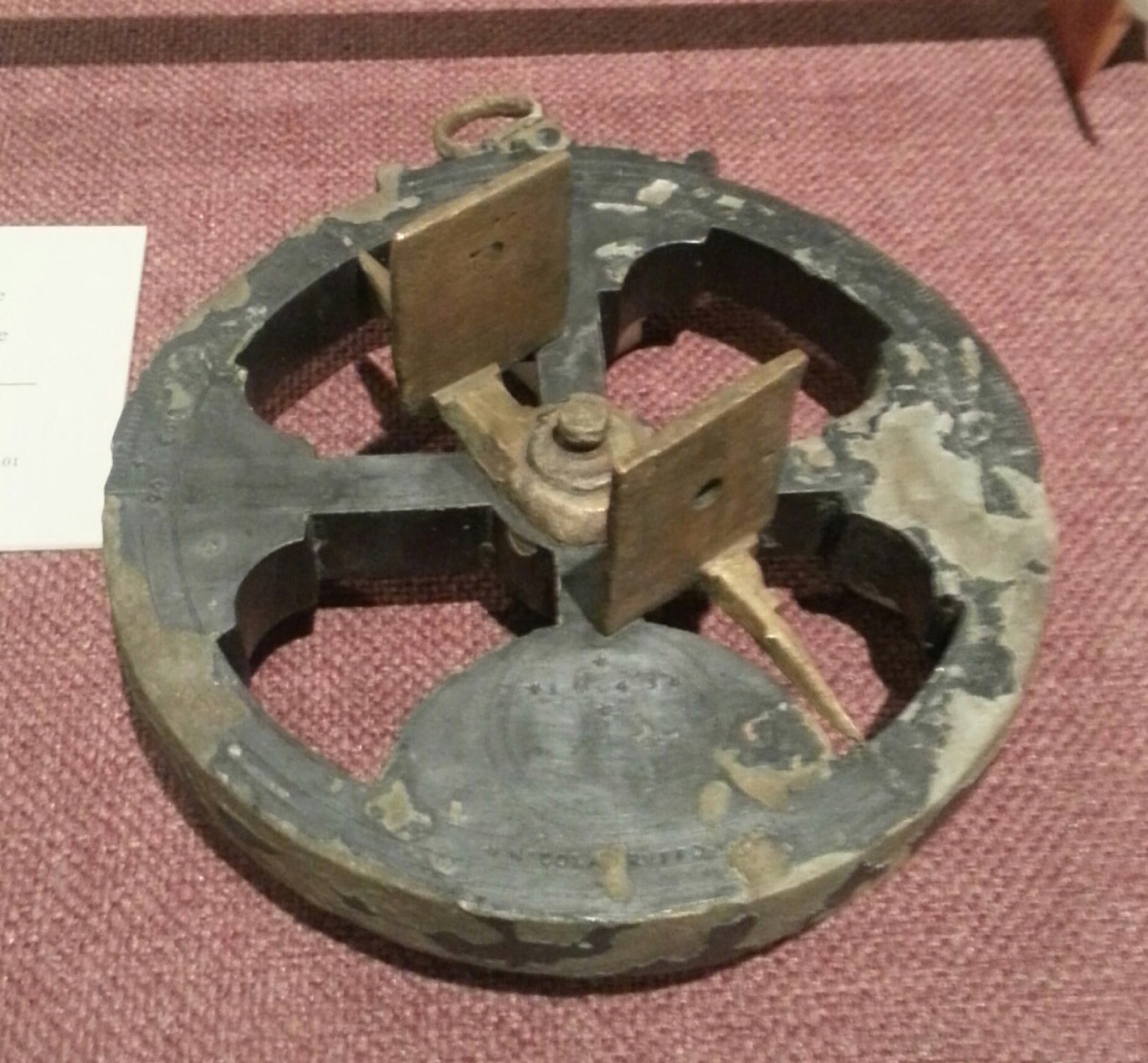
A mariner’s astrolabe is a simplified, heavy brass disk with a rotating sighting rule, used in the 16th century to measure the altitude of the sun or a known star for navigation. Museum collections such as the Smithsonian’s show them mainly as historical artifacts now, not working tools for modern voyages, and emphasize their role in celestial altitude measurements rather than precision surveying.
Navigation compasses, by contrast, range from rugged marine binnacle compasses to pocket survey compasses. Antique and historical compasses have collectible and educational value; condition, originality of the card and case, and whether the needle still moves freely all affect how usable they are for teaching or demonstration.
DHgate is a mass marketplace geared toward new, often generic goods. For something as niche as a mariner’s astrolabe, realistic outcomes are:
- Decorative astrolabe‑style disks sold as “nautical decor,” “vintage brass sextant/astrolabe,” or “pirate ship decoration”.
- Educational replicas marketed as “teaching science instrument” or “historical astronomy model” that look roughly correct but aren’t calibrated.
- Generic compasses (pocket or keychain) that echo a maritime style but are not antiques and may only be loosely functional.
For a US buyer or small ecommerce shop, that can still be useful. You can stock affordable, visually appealing instruments for themed decor, gifts, or basic classroom demonstrations. Just treat DHgate listings as replicas by default unless the seller provides unusually detailed technical documentation.
Using DHgate Search and Seller Data to Find Usable Listings
Because DHgate does not have a dedicated “historic instruments” category, you’ll need to experiment with keywords and then drill deep into each product page.
Step 1: Build search terms around replicas
Start with broad queries in the DHgate search bar such as:
- “mariner astrolabe”
- “astrolabe brass nautical”
- “vintage ship compass”
- “nautical brass compass” or “antique style compass”
Then try educational angles:
- “astronomy teaching instrument”
- “science classroom nautical”
This helps surface listings that are trying to look historical even if the title doesn’t say “mariner’s astrolabe.”
Step 2: Use filters to narrow to plausible items
DHgate’s own search guidance recommends using filters and categories to reduce noise. On the results page, you can typically filter by broad category (e.g., home decor vs. sports), and sometimes by material (metal vs. plastic). For an astrolabe or compass replica:
- Prefer categories like Home & Garden / Home Decor, Gifts, or Education over clothing or electronics.
- Prefer items with multiple clear photos of metal parts and engravings.
This doesn’t prove quality, but it quickly cuts out irrelevant goods.
Step 3: Read the product page like a spec sheet
DHgate blog guidance stresses that listings include product specifications, images, prices, and seller ratings, and that buyers should spend time reviewing them. For mariner’s astrolabe and compass‑type products, focus on:
- Materials: Brass, bronze, or steel are in line with historical instruments; resin or plastic means a pure decor piece.
- Dimensions and weight: A historical‑style astrolabe is typically a heavy disk. Listings that give only vague size (“small,” “large”) without measurements are less reliable for display planning.
- Functional claims: Look for words like “working compass,” “rotating rule,” “calibrated” versus “ornamental,” “for decoration only,” or “model.” Assume decorative unless the description clearly supports use.
- Included documentation: Teaching replicas sometimes mention a leaflet or manual. That’s a good sign for classroom use.
Micro‑checklist while reading a DHgate listing:
- Does the listing explicitly say “decor” or “ornament”? → Treat as non‑functional.
- Are material and dimensions specific? → Better for predictable display quality.
- Is there any explanation of how to read/use it? → More suitable as a teaching piece.
Step 4: Evaluate seller track record and buyer feedback
Across several DHgate blog articles, the platform repeatedly advises buyers to check seller ratings, scroll through customer reviews, and compare similar products.
Make that very specific for this niche:
- Seller ratings and transaction history: For a low‑volume product like an astrolabe replica, you won’t see huge sales numbers, but avoid sellers with almost no feedback on any items.
- Photo reviews: Look for buyer photos showing the instrument in real lighting. Do engravings look sharp? Does the compass card sit level? Are parts aligned?
- Comments mentioning defects: Pay attention to notes about misaligned needles, loose screws, or flaking plating. Those matter more than minor packaging complaints.
If you’re new to DHgate generally, it’s worth reading a broader guide on how to find trusted sellers on DHgate and the order‑readiness checklist before checkout so you have a baseline approach before chasing niche instruments.
Step 5: Order samples before you commit
DHgate’s ecommerce sourcing guidance encourages wholesale buyers to request or buy small quantities as samples before larger orders. For mariner’s astrolabe and compass‑type products, even if you’re only buying a handful, treat your first purchase as a quality test:
- Order one or two units from the most promising listing.
- Inspect engraving clarity, material heft, moving parts, and any educational leaflet.
- Decide if the piece meets your classroom or resale standard.
For a small ecommerce shop, this sample step is the difference between selling charming decor and dealing with returns for flimsy trinkets.
Quick comparison: common DHgate listing types you’ll see
| Listing style | Typical use case | Likely quality signals |
|---|---|---|
| “Vintage brass nautical decor” | Home/office display | Heavy metal, simple engraving, non‑working |
| “Astronomy teaching instrument” | Classroom demonstration | Basic manual, rotating parts, coarse scale |
| “Pocket nautical compass” | Gift, cosplay, light use | Working needle, thin case, modern design |
This isn’t exhaustive, but it reflects the patterns you’re likely to encounter when searching DHgate for historical‑style navigation tools.
When DHgate Isn’t Enough: Choosing Specialist or Alternative Sources
If your goal is historical study, museum‑style collecting, or serious navigation practice, DHgate probably won’t deliver what you need. Its sellers are oriented toward price‑friendly decor and broadly appealing gadgets, not carefully documented reproductions.
For deeper study or more accurate replicas, look at specialist instrument retailers and museum‑linked resources:
- Some astronomy and instrument shops sell mariner’s astrolabe replicas specifically marketed for educational or decorative use. For example, Astroshop lists a Hemisferium mariner’s astrolabe under historical instruments, aimed at education or decor rather than navigation, which shows the level of detail and positioning you can expect from a specialist seller.
- Navigation‑focused retailers like Celestaire (linked in several search results) offer modern training tools and occasionally historic‑style instruments.
- Museum collection pages, such as the Smithsonian’s mariner’s astrolabe entries, provide detailed photos and descriptions you can use for study or to benchmark how accurate a replica really is.
- For antique compasses, guides like Antique Identifier’s overview of navigation instruments explain what collectors look for in originality, condition, and design.
Use DHgate when you need affordable, visually convincing props or simple teaching models and are willing to do your own vetting and sampling. If you need historically faithful instruments, precise scales, or proven collectible value, step up to specialist sellers and museum resources.
If you’re still unsure whether DHgate as a marketplace fits your buying style at all, you can get the bigger picture from what DHgate is and how the marketplace works.