
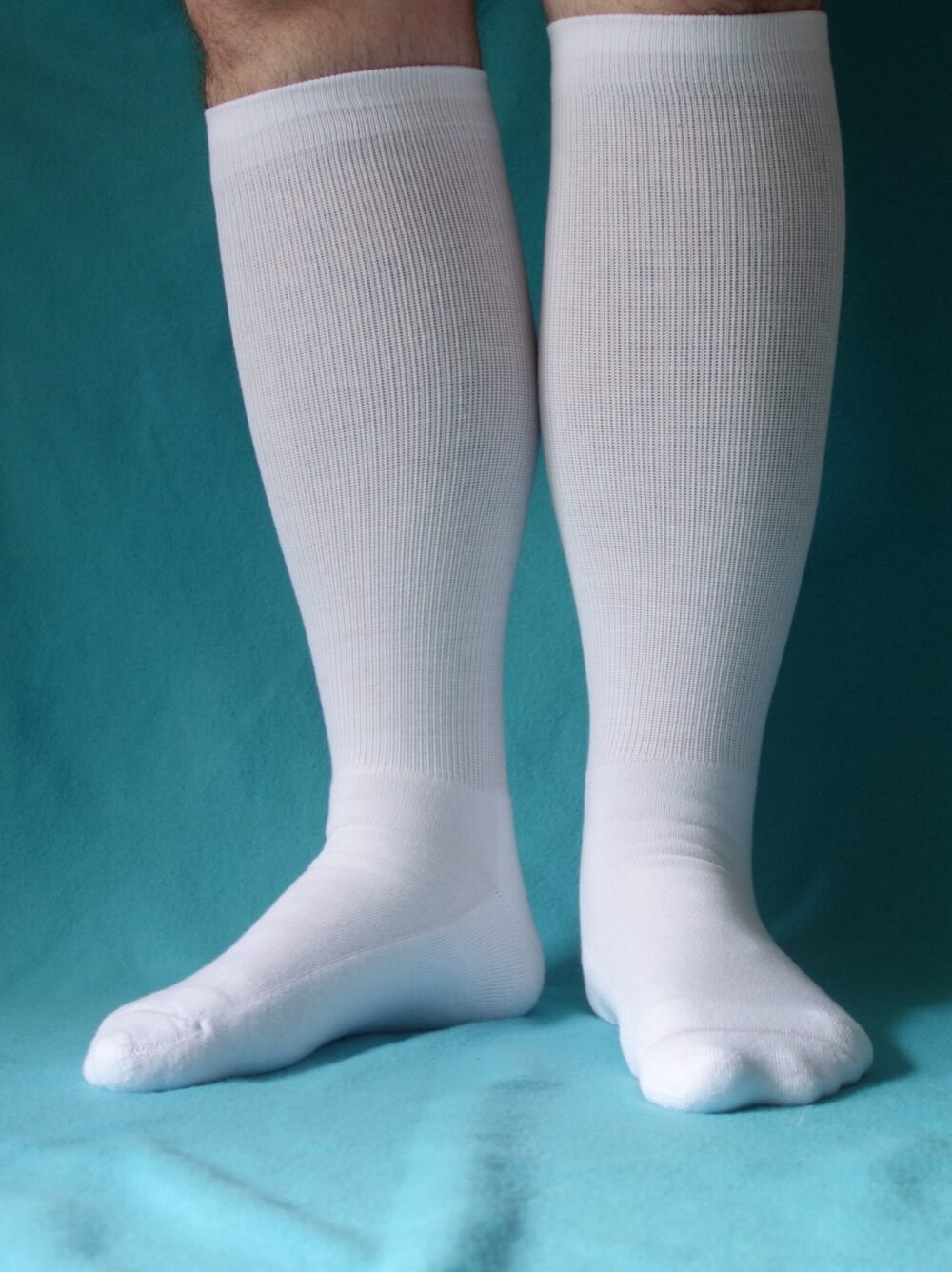
Wholesale diabetic socks are bulk buys of non-binding, cushioned, moisture-controlling socks designed to meet the foot-care needs of people living with diabetes. For a US small business, you can source these from domestic wholesalers, B2B platforms, or cross‑border marketplaces like DHgate; the smart move is to insist on the right specs, then compare total landed cost and supplier reliability before scaling.
This guide focuses on that decision: what makes a sock suitable for diabetics, how to vet suppliers across borders, and when DHgate is a sensible channel versus US-based wholesalers.
What Counts as a Wholesale-Ready Diabetic Sock (and Why It Matters)
Diabetic socks are not just “comfortable socks.” US wholesalers like ErosWholesale describe them as:
- Non‑binding at the top to avoid constricting the leg
- Cushioned to reduce pressure and friction
- Moisture‑controlling to help keep feet dry
Retailers, healthcare providers, and organizations buy these in bulk specifically to serve people with diabetes, as outlined by Diabetic Sock Club’s wholesale page. You are selling into a medical‑adjacent need, so your specs and quality control must be tighter than for fashion socks.
Key minimum specs to define before you talk to any supplier:
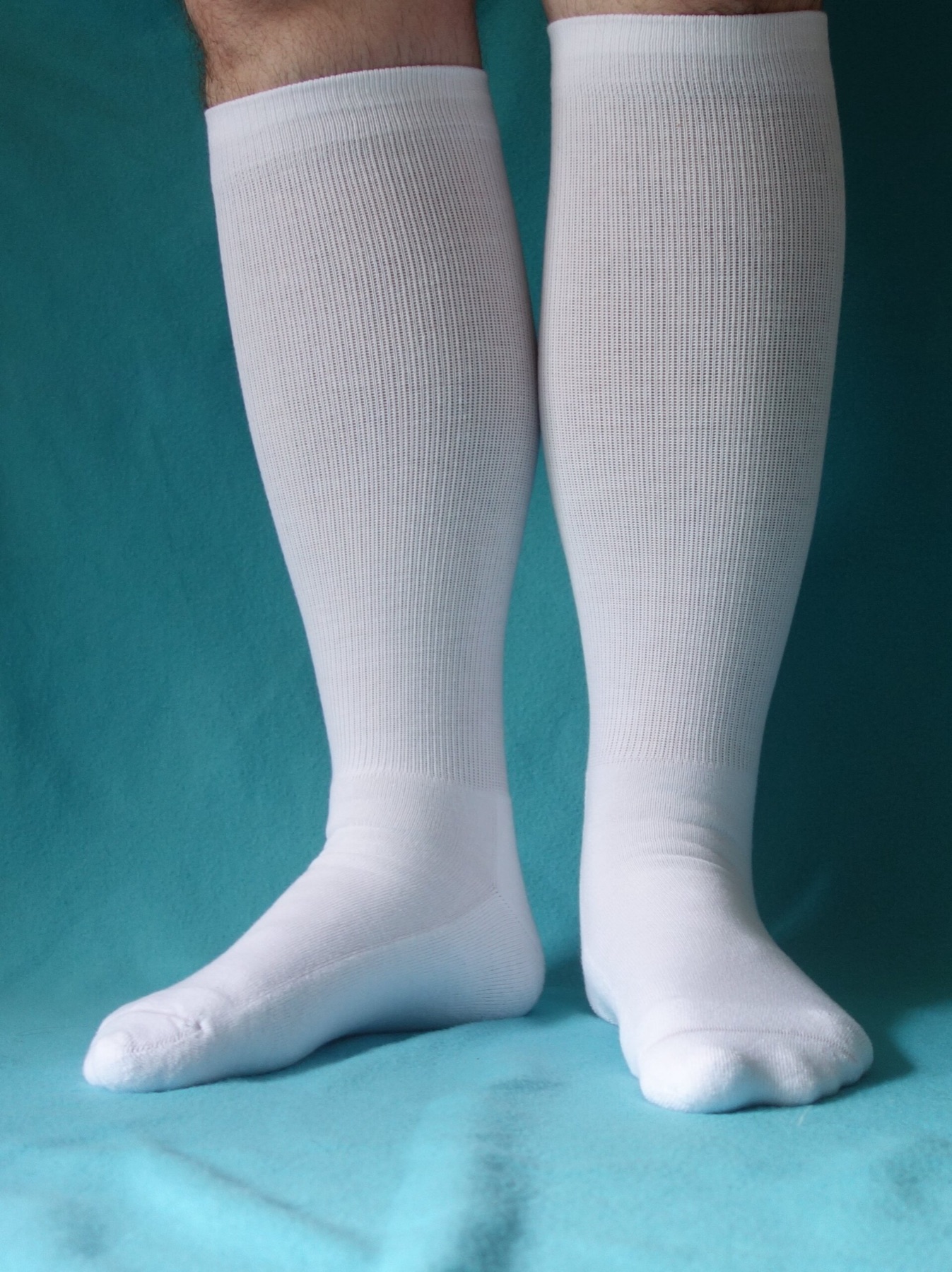
- Top construction: Non‑binding or loose-knit cuff; avoid tight elastic that can dig into the skin.
- Fabric blend: Often cotton or other soft fibers with breathability; many lines add synthetics for moisture control.
- Seams: Smooth or flat toe seams to reduce rubbing.
- Cushioning: Extra padding in the footbed and heel for comfort.
- Size range: Clear men’s/women’s sizing and wide-fit options if your audience skews older.
Write this spec sheet down. It becomes your benchmark for emails, samples, and inspections whether you buy from a US wholesaler, a factory like B2Bsox, or a DHgate seller.
Choosing and Vetting Diabetic Sock Suppliers Across Borders
Because diabetic socks serve a vulnerable customer group, supplier vetting matters as much as price.
Domestic vs overseas: what changes
- Domestic wholesalers (e.g., ErosWholesale, Diabetic Sock Club):
- Often stock ready‑made diabetic lines with clear product descriptions.
- Easier returns and communication, shorter shipping times.
- Typically higher per‑pair cost but lower complexity.
- Overseas factories and traders (e.g., B2Bsox, China-based manufacturers):
- More room for custom colors, branding, or packaging.
- Potentially lower unit cost but longer lead times and more risk.
- You must actively probe specs; “diabetic” can be used loosely.
On DHgate and other marketplaces, you’ll see both manufacturers and intermediaries. DHgate’s own editorial content describes it as a China-based B2B marketplace connecting manufacturers and wholesalers with global buyers across many categories, with tens of millions of listings and large numbers of suppliers.
Practical supplier checks specific to diabetic socks
Use DHgate’s blog guidance on sourcing as a backbone: apply filters, look at supplier ratings and reviews, and request samples before large orders. But make the checks product-specific:
1. Listing-level spec verification For each potential SKU, ask for:
- Fiber composition percentages (e.g., 80% cotton, 15% polyester, 5% elastane).
- Close-up photos of the cuff, toe seam, and inside cushioning.
- Confirmation that the cuff is non‑binding/loose knit rather than tight elastic.
If a seller uses “diabetic” in the title but cannot describe construction details, treat that as a red flag.
2. Samples and stress-testing Instead of trusting descriptions, order a small sample batch:
- Try different sizes and colors to check consistency.
- Stretch the cuff repeatedly; if it feels aggressively tight or leaves deep marks on the skin, it may not match your positioning.
- Wash and dry a pair a few times to see if the cuff narrows or the fabric pills badly.
DHgate’s editorial guide explicitly suggests requesting samples before committing to larger orders; this is non‑negotiable for diabetic socks.
3. Communication and documentation Ask suppliers — domestic or cross‑border — to put key specs in writing:
- Non‑binding cuff type
- Fabric blend and weight
- Care instructions
For overseas partners, keep all conversations inside the marketplace messaging system and save spec confirmations. If you later change suppliers or expand to another platform, that documentation becomes your internal standard.
MOQ, Pricing, and Channel Tradeoffs: DHgate vs US Wholesalers and B2B Platforms
How different sourcing channels usually look
Here’s a high‑level, editorial comparison to frame your options:
| Channel type | Typical MOQ feel* | Customization potential | Pros for small US sellers | Common tradeoffs |
|---|---|---|---|---|
| US diabetic sock wholesaler | Case packs/cartons | Low (branding mostly on shelf) | Simple ordering, faster delivery, clearer specs | Higher per‑pair cost, limited design |
| US/Western B2B platform (e.g., Faire) | Often moderate MOQs from brands | Medium (some brands offer private label) | Centralized ordering, curated brands | Platform fees, brand-specific constraints |
| Cross-border multi-seller & similar marketplaces | Often lower MOQs than some traditional sites (per Cross-border multi-seller blog) | High (OEM/private label possible with some suppliers) | Access to factories, broad selection, testable small runs | Longer lead times, more vetting work |
*These are editorial impressions, not fixed rules; each supplier sets its own MOQ.
DHgate’s blog on wholesale clothing notes that MOQs listed by DHgate suppliers tend to be lower compared with some other wholesale sites, which can be helpful if you want to test a new product line without committing to thousands of pairs.
Focused look at DHgate as a sourcing channel
From DHgate’s own editorial content:
- It is a large B2B marketplace with millions of listings and over a million suppliers.
- It enables traders and buyers worldwide to purchase Chinese goods in smaller amounts at wholesale prices.
- Its sourcing guide recommends using filters, checking supplier ratings/reviews, and ordering samples before larger orders.
For wholesale diabetic socks, that translates into a practical workflow:
- Search smart: Use concrete terms like “non-binding diabetic socks” or “diabetic cotton socks” and then filter for minimum order quantity ranges that fit your budget.
- Narrow by supplier history: Favor sellers with substantial transaction history and clear product descriptions; skim reviews for comments on comfort, elasticity, and durability.
- Negotiate test MOQs: Many DHgate sellers are open to smaller trial orders even if the listing shows a higher MOQ; ask if they can support a 100-200 pair pilot.
You can go deeper on DHgate-specific supplier screening with guides like Find DHgate suppliers and Choose a DHgate wholesale supplier.
Scenario callout: a 200‑pair test order
Imagine you run a small US ecommerce shop and want to add diabetic socks. You plan a 200‑pair test.
- Domestic wholesaler path: You find a US wholesaler advertising non‑binding diabetic socks and must buy by case pack. Your total landed cost is straightforward: per‑pair wholesale price plus domestic shipping. You likely get shorter transit times and easier returns, at a higher per‑pair price.
For a first test run, many small sellers accept a slightly higher per‑pair cost from a domestic wholesaler in exchange for speed and simplicity. Once you have positive demand data and a clear spec, DHgate’s often lower MOQs and access to factories can make a second step attractive to improve margins or add custom branding.
Pulling it together: when each channel makes sense
If you need diabetic socks fast, want minimal complexity, and are okay with standard styles, a US diabetic sock wholesaler or a curated B2B platform is usually the cleaner choice.
Whichever route you pick, anchor your decision in three realities:
- Diabetic socks serve a medical‑adjacent need, so your spec sheet and sample checks must be strict.
- Total landed cost (including shipping and time risk), not unit price alone, determines whether a deal is actually good.
- Repeat‑order viability matters more than a one‑off bargain; choose suppliers you can see yourself reordering from once your customers start relying on you for this product category.
For more marketplace‑specific tactics, you can also read Find wholesale suppliers on DHgate, then apply that sourcing discipline to diabetic socks in particular.