
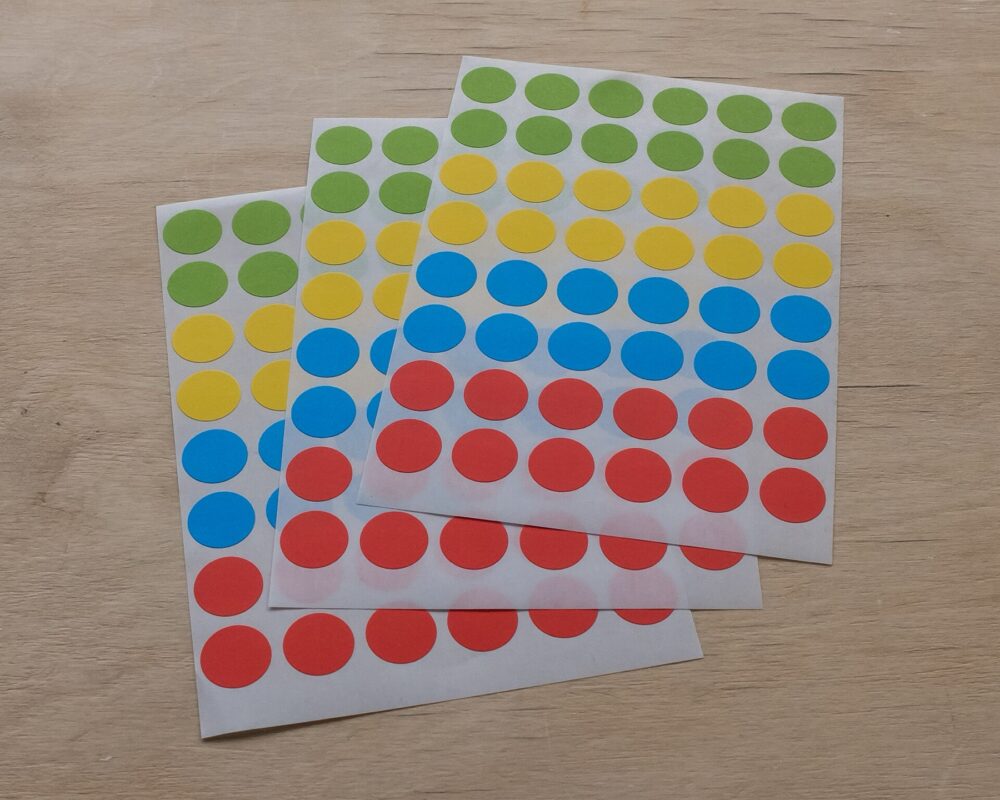
Wholesale buying of planner sticker sheets means purchasing decorative and functional sticker sheets in bulk at a discounted price for resale in planners, journals, and calendars. If you’re a US-based shop, DHgate can be one of the lowest-barrier ways to source these sheets directly from Chinese suppliers, but you still have to do the hard work: vet sticker-specific quality, check seller evidence, order samples, and run a landed-cost calculation before you commit.
This guide is written so you can decide whether DHgate or a domestic wholesale channel (like Faire or a US sticker producer) fits your store, and build a realistic first-order plan.
How Planner Sticker Sheet Wholesale Works and Who It Suits
Planner sticker sheets in wholesale are essentially printed, die-cut stickers arranged on sheets and sold in bulk for resale. Designs range from purely decorative (florals, characters, holidays) to functional (date dots, habit trackers, icons, labels). They’re used in paper planners, bullet journals, and desk calendars, and often sit near stationery, washi tape, and pens.
Supply is split between:
- Design-forward brands that create art-heavy, themed collections, often via curated platforms like Planner Envy or independent wholesale sites.
- Print-heavy factories that focus on volume and customization (OEM), more common on open marketplaces such as DHgate.
Cross-border wholesale makes the most sense if:
- Your customers care about price and variety more than having a well-known US brand name on each sheet.
- You’re comfortable waiting longer for production and shipping and placing reorders in advance.
- You’re willing to test multiple suppliers and accept that not every batch will be perfect.
If your value proposition is “supporting small US artists” or “hyper-fast replenishment,” domestic wholesale or direct deals with local sticker studios will usually suit you better than importing.
Evaluating Sticker Sheet Suppliers on DHgate and Other Marketplaces
On DHgate you’re not buying from “DHgate” itself; you’re dealing with individual suppliers listing sticker products on the marketplace. DHgate’s own editorial guidance recommends using search filters to narrow by product type and minimum order quantity, then checking supplier ratings, reviews, and transaction history, and requesting samples before larger orders.
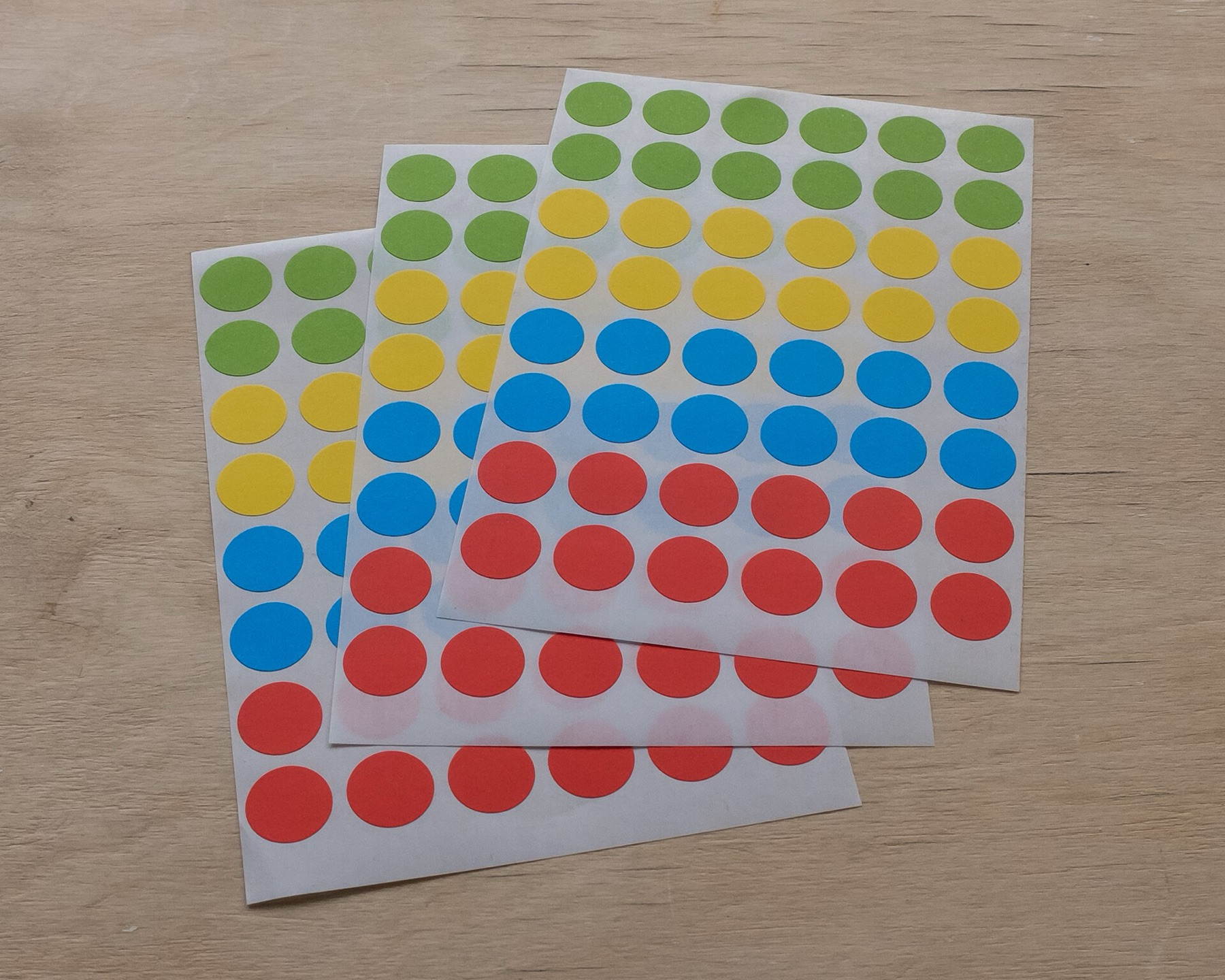
For planner stickers specifically, you should evaluate suppliers on three levels:
1. Product-level checks (what you can see in the listing)
Look for listings that clearly specify:
- Paper stock: e.g., “premium paper” with glossy or matte lamination (similar to how functional sheets are described by wholesale sticker brands in SERP snippets). Vague “paper” with no weight or finish is a risk.
- Finish options: matte, glossy, vinyl, transparent. Planner users often prefer writable matte for functional stickers and glossy for decorative.
- Adhesive type: permanent vs removable; note that “permanent” on thin planner paper can cause tearing when repositioned.
- Print and color: high-resolution artwork examples, close-up photos, and color swatches.
- Cut style: kiss-cut individual stickers vs full-sheet labels.
On any marketplace (DHgate, Faire, or a brand’s own site), avoid suppliers whose listings rely only on mockups and lifestyle photos without close-ups of the sheet and cuts.
2. Seller evidence (how the supplier behaves across products)
DHgate blog advice for wholesale buyers stresses evaluating suppliers based on:
- Ratings and review patterns.
- Transaction history/volume.
- Whether they respond to messages and can discuss MOQ and capabilities.
Use that structure but make it sticker-specific:
- Ratings: Favor suppliers with consistent positive feedback on print or stationery categories, not just electronics or random items.
- Reviews mentioning quality: Look for comments on color accuracy, paper feel, and adhesion. If all reviews are about unrelated products, treat the sticker listing as unproven.
- SKU breadth in stickers: A supplier that carries multiple sticker SKUs (icons, alphabet sets, seasonal packs) is more likely to understand planner-use requirements.
On curated platforms like Faire, you’ll often see fewer suppliers but clearer branding, story, and photos. That curation can reduce the vetting workload but usually implies higher unit costs.
3. Direct communication (your chance to de-risk the first order)
DHgate encourages buyers to request samples and communicate with suppliers before larger orders. Use that channel with specific questions:
Example message you can adapt:
Hi, we run a planner sticker shop in the US and are looking for wholesale sticker sheets. For this design, can you confirm:
>
– Paper weight and finish (is it writable with most pens?)
– Adhesive type (permanent or removable?)
– How many stickers per sheet and how they are kiss-cut
– If you can send 10-20 sheets as a paid sample first
>
Please also share your usual production time for 500-1,000 sheets and whether you can repeat the design consistently.
Red flags:
- Supplier refuses samples entirely or only offers huge trial runs.
- Answers are copy-pasted and never address paper, adhesive, or cut details.
- No willingness to send real-life photos or short video clips of an actual sheet.
Domestic sticker brands and curated marketplaces may not negotiate MOQs as aggressively, but the product detail pages (and often brand Instagram feeds) give you more visual evidence upfront.
MOQ, Pricing, Sampling, and Landed Cost: Building a First Order Plan
DHgate’s wholesale editorial content describes a tiered pricing system where suppliers set prices and generally lower the per-unit cost for larger orders. It also notes that many sellers on DHgate will accept small orders because the platform itself doesn’t impose a universal MOQ. For lightweight, low-volume items like sticker sheets, that structure can be favorable: you can test with a modest quantity instead of committing to thousands.
A practical first-order plan for planner sticker sheets should cover four areas.
Step 1: Decide your test MOQ per design
For a planner store, think in designs, not just total sheets. You might test 3-5 designs first.
Editorially, a common starting pattern:
- 50-100 sheets per design for micro or Etsy-scale shops.
- 200-300 sheets per design for small brick-and-mortar or Shopify stores.
Use DHgate’s filters to search for suppliers that explicitly accept low MOQs. If a supplier insists on very high quantities, that’s a sign they’re set up more for large distributors than planner boutiques.
Step 2: Use tiered pricing to model margins
Because DHgate blog guidance emphasizes understanding pricing structures for margin analysis, build a simple table for each supplier quote:
| Order size per design | Approx price behavior* | Sticker retail strategy (editorial judgment) |
|---|---|---|
| Sample run (10-30) | Highest unit price | Treat as R&D cost; don’t chase full margin. |
| Small batch (50-150) | Moderate unit price | Standard retail pricing with cautious promos |
| Larger batch (200+) | Lower unit price | Margin to offer bundles or multi-sheet sets |
*Not a specific DHgate price; suppliers set their own tiers.
Ask each supplier to quote at least two quantity levels (e.g., 100 vs 300 sheets per design) so you can see how your landed cost drops as you scale.
Step 3: Structure sampling to test real-world planner use
Given DHgate’s advice to “always request samples before placing larger orders,” treat samples as a non-negotiable line item:
For each prospective supplier:
- Order paid samples of at least 2-3 designs.
- Use the sheets in actual planners for a week or two.
- Check: do stickers lay flat? Do colors smear? Does the adhesive cause ghosting or tearing when repositioned?
You can also send a small portion to loyal customers or influencer friends for feedback before committing.
Step 4: Run a landed-cost checklist tailored to stickers
Stickers are light, but you still need a landing-cost view before you decide whether DHgate beats domestic wholesale for you. Build a simple checklist for each supplier:
- Unit price at chosen quantity (using their tiered pricing).
- Total product spend for the full batch across all designs.
- Shipping charges: request explicit quotes; don’t assume one method.
- Any duties/taxes your customs broker or carrier may charge for your HS code (stickers usually fall under printed paper goods).
- Packaging for resale: will sheets arrive loose, in poly bags, or retail-ready? Factor in any re-packaging labor or supplies.
- Re-order cadence: based on your forecast, how often will you need to reorder, and does the supplier’s lead time fit that rhythm?
For more DHgate-specific sourcing tactics beyond stickers, you can dive into broader guides like finding wholesale suppliers on DHgate, locating individual DHgate suppliers, and choosing a DHgate wholesale supplier. Together with the sticker-focused checks here, those processes give you a grounded way to decide whether planner sticker sheet wholesale buying through DHgate is worth testing for your business.