
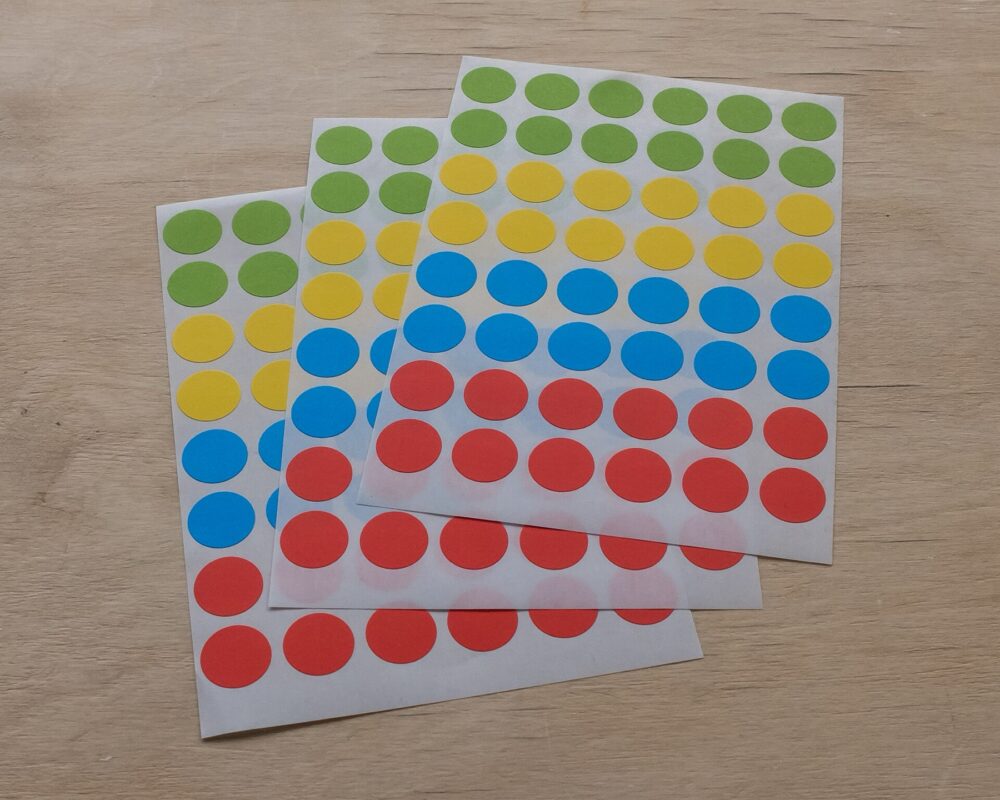
Wholesale planner sticker sheets usually come from print shops in East Asia (often China) or from boutique sticker brands that have their own manufacturing. Styles range from functional (date covers, icons, habit trackers) to decorative (seasonal art, character themes). You’ll typically be choosing between: DHgate is one cross-border multi-seller marketplace to evaluate for this buying task; compare the exact listing, seller evidence, sample, and order terms before scaling.
- Stock designs the supplier already prints.
- White-label designs you can put your logo on.
- Fully custom art you provide yourself.
Common sheet specs that affect price and usability:
- Paper vs vinyl vs specialty films.
- Finish (matte, glossy, writable, removable).
- Sheet size (A5, A6, US Letter, custom) and number of kiss-cuts per sheet.
- Print method (digital for small runs, offset for higher volumes).
For a US business, cross-border wholesale adds a layer of decisions: you’re not just paying for the sheets, but also freight, duties if applicable, and the risk of misprints. That’s why starting small and treating your first order like a production test run is usually smarter than jumping straight to hundreds or thousands of sheets.
Choosing and Vetting Sticker Suppliers Across Marketplaces
Supplier choice is where planner sticker projects succeed or fail. On a marketplace like DHgate you’re dealing with individual sellers, so you need concrete signals and clear messages, not just a quick add-to-cart.
What to look for in a sticker-specific supplier
For planner stickers, you care about both print quality and cut precision. When you’re browsing DHgate or similar marketplaces:
- Ratings, reviews, transaction history. DHgate’s own blog recommends reviewing supplier ratings, buyer feedback, and past transaction volume before bulk buying, as these are your easiest reliability clues.
- Sticker-focused catalog. A supplier who already offers multiple sticker or label SKUs is more likely to understand adhesive strength, ink density, and cut alignment than a general merchant.
- Real photos and spec detail. You want photos that clearly show edge cuts, color saturation, and backing paper, plus written specs for material, thickness, finish, and printing method.
On curated wholesale platforms like Faire, your “supplier” is usually a planner sticker brand. They’ve already made design choices and often show lifestyle photos, usage examples, and MSRP ranges. You’re vetting brand fit and reliability more than manufacturing capability.
Using DHgate’s messaging to get real answers
DHgate’s editorial guidance emphasizes using its messaging system to contact suppliers before ordering. Treat this like your mini RFQ (request for quote). In your first message, be very specific:
- Describe your planner format (e.g., vertical weekly, A5 ring planner) and how the stickers will be used.
- Ask for exact material (paper stock or film type), finish, and printing method.
- Ask for MOQ, price tiers, and whether they can support custom designs or only stock sheets.
- Request photos or videos of recent sticker orders, not just catalog images.
Pay attention to how they respond. DHgate’s own advice for importers is to gauge responsiveness and professionalism, because a prompt, detailed reply signals a supplier who’s willing to collaborate on details like customization and sampling.
A sticker-specific supplier vetting checklist
Here’s a quick, planner-focused checklist you can run through for any supplier, DHgate or otherwise:
- Adhesive: Can users reposition stickers without tearing planner paper? Ask for sample tests or buyer comments on removability.
- Opacity and color: Will stickers cover dark print underneath? Ask for photos over printed grids or text.
- Cut accuracy: Are kiss-cuts aligned, with no half-cut or uncut stickers on the sheet? Ask explicitly how they QC cutting.
- Batch consistency: Can they hold color across reorders? Ask about color management and whether they use profiles or references.
- Packaging: How are sheets packed to avoid bent corners or humidity damage during cross-border shipping?
If a supplier cannot answer these sticker-specific questions clearly, treat that as a red flag and keep searching.
MOQ, Samples, Total Cost and When DHgate Makes Sense
Once you’ve shortlisted a few suppliers, your next decisions are how many sheets to order, how to test quality, and whether DHgate’s model fits your scale.
How MOQs work for planner sticker sheets
Minimum order quantity (MOQ) is a real constraint in sticker printing. DHgate’s blog explains that suppliers set MOQs to ensure they cover their production costs and hit a profit threshold. If you’re seeing high MOQs, it’s often because:
- They need to set up a print run, and very small batches don’t cover machine time.
- They buy materials (paper, adhesive) in bulk and need each job to consume a certain volume.
On DHgate, MOQs vary by seller and product. The platform’s own editorial FAQ notes that some suppliers have strict minimums, while others are more flexible. You can ask directly in messages:
- What is your standard MOQ for this sticker sheet?
- Do you offer higher unit pricing for a lower starting quantity (e.g., a pilot run)?
- What price breaks do you offer as quantities increase?
Suppliers sometimes will negotiate MOQs or pricing if you explain you’re testing the US market and plan repeat orders.
Samples and small test orders: your risk control
DHgate’s bulk-buying guidance and counterfeit-awareness posts both stress the same point: order a small quantity first to test quality before committing to a larger purchase. For planner stickers, that first order should answer:
- Does the material feel right in your planner (no bleed-through, no tearing)?
- Do your customers like the finish and adhesive behavior?
- Are colors, cuts, and registration consistent across sheets?
You can either request labeled samples or structure a deliberately small first order. On DHgate, the blog suggests using search filters to find your product, messaging suppliers to confirm bulk pricing, and then requesting samples before placing large orders. Treat this as your production proof.
Calculating total landed cost: a worked example
Even without exact prices, you can structure your landed cost math so you don’t get surprised.
Assume you’re testing 200 sheets of a weekly planner kit from an overseas manufacturer via a marketplace like DHgate. Your cost buckets look like this:
| Cost component | Test order (200 sheets) | Larger run (1,000+ sheets) |
|---|---|---|
| Unit sticker price | Higher per sheet (small batch) | Lower per sheet (bulk tier) |
| Shipping to US | Small parcel, per-kg relatively high | More weight, better per-kg rate but larger total spend |
| Customs/duties (if any) | Possibly minimal, depends on classification | Higher absolute duty but similar % of declared value |
| Packaging materials | Included or small add-on | May need branded packaging, extra cost |
| Design/IP costs | Spread over few units | Spread over many units, lower per sheet cost |
The first test run will make each sheet look expensive. That’s fine; its job is to de-risk quality and supplier reliability. If the test order passes, then you negotiate bulk pricing tiers and re-run the math: you want a clear per-sheet landed cost that still leaves room for retail margins.
DHgate vs curated wholesale platforms for planner stickers
DHgate and curated platforms like Faire occupy different spots in your sourcing toolbox.
- DHgate connects you directly with overseas manufacturers and trading companies. Editorial guidance from DHgate highlights using filters, checking seller ratings, verifying bulk pricing, and requesting samples. This route often suits you if you want low manufacturing cost, custom designs or white-label options, and are willing to do more vetting work yourself.
- Faire and similar platforms focus on curated brands. Their planner sticker sheets are usually finished retail products with established aesthetics and packaging, sold wholesale to shops. This suits you if you want ready-made brand stories, minimal custom work, and predictable wholesale terms, at the trade-off of paying more per sheet and having less design control.
For a US Etsy or Shopify sticker shop that designs its own art and wants to scale, DHgate can make sense once you’ve:
- Narrowed down suppliers with strong sticker-specific catalogs and ratings.
- Used messaging to lock down details on materials, MOQs, and customization.
- Run at least one small DHgate order to validate quality before scaling.
If your priority is carrying recognizable planner sticker brands in a brick-and-mortar shop, or you don’t want to manage overseas production, a curated wholesale marketplace is probably a better starting point.
A quick note on design ownership and IP
Planner sticker art is often highly original, and IP conflicts can get messy fast. DHgate’s blog on custom products reminds sellers to respect intellectual property rights and avoid infringing trademarks or copyrights. As a buyer, that translates into:
- Supplying only artwork you own or have licensed when ordering custom sheets.
- Avoiding suppliers who offer obvious knockoffs of existing sticker brands or characters.
- Keeping clear written records of what art you provided and the scope of the supplier’s license to print it.
This isn’t legal advice, but if you’re unsure whether a design is safe to use, talk to a qualified professional before commissioning thousands of sheets.
If you want more detail on finding and evaluating DHgate suppliers in general, see our guides to finding wholesale suppliers on DHgate, searching for DHgate suppliers, and choosing a DHgate wholesale supplier.