
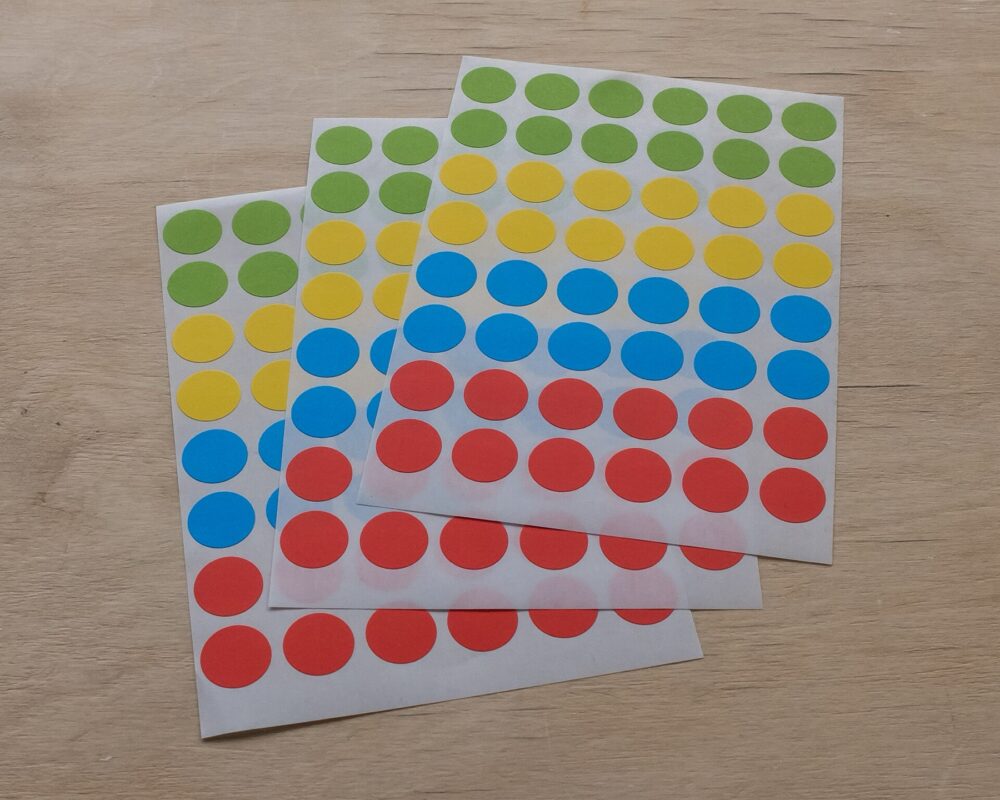
Wholesale planner sticker sheets can be a legitimate, profitable supply channel for a small planner or sticker shop—but only if you treat every order like a print job that can go wrong. The safest path, whether you’re buying from a domestic wholesaler, a platform like Faire, or a cross‑border marketplace such as DHgate, is to lock in detailed specs, pay only through protected channels, and start with low‑risk sample orders before you ever commit to hundreds of sheets.
For planner stickers, trust isn’t abstract. It’s whether your weekly kit shows up with clean cuts, accurate colors, and adhesive that doesn’t curl off the page. The focus here is practical: what can go wrong, what evidence you need before wiring money overseas, and how DHgate’s filters, ratings, and badges can help—but not replace your own due diligence.
What Buyers Worry About With Wholesale Planner Sticker Sheets
If you run a small US planner or Etsy‑style sticker business, you’re usually worried about very concrete failure modes:
- Print and color quality: Misaligned designs, fuzzy text, off‑brand colors. A light pastel palette that looks great in RGB on your screen can print muddy if the supplier’s color management is off.
- Paper and adhesive: Too thin and you get show‑through on planner pages; too thick and sheets feel cheap or won’t bend. Poor adhesive means stickers lift after a few days or leave residue on coated planner paper.
- Cut precision: Planner customers expect kiss‑cut stickers that peel cleanly. Sloppy die‑cutting leads to torn stickers and complaints.
- Finish and feel: Matte vs glossy vs writable. If you sell functional boxes or habit trackers, customers need to be able to write on them without smearing.
Wholesale adds extra layers of risk:
- MOQ traps and misalignment: A supplier pushing you to a high minimum order quantity before you’ve seen a true production sample. If the batch is wrong, you’re stuck with dead stock.
- Communication gaps: Art files, bleed, cut lines, and special finishes can get lost in translation with cross‑border suppliers. Small miscommunications become big defects when multiplied by 500 sheets.
- Cross‑border friction: Longer shipping times, customs, and more complex returns. Fixing a bad run can take months, which is a serious problem if you sell dated planner kits.
Planner sticker brands in wholesale catalogues like Good Tuesday’s stationery catalogue and on platforms such as Faire commonly buy decorative and functional sticker sheets in bulk for resale. That’s normal practice, but every new supplier relationship is still a risk. Your goal is not to eliminate risk—it’s to keep your first orders small and well‑documented enough that a mistake doesn’t sink your business.
Universal Safeguards for Vetting Sticker Sheet Suppliers and Orders
Regardless of platform, you should treat wholesale planner sticker sourcing as a structured process.
1. Define non‑negotiable specs in writing
Before you ask for quotes, write a simple spec sheet:
- Size: e.g., 5″×7″ sheets, or US letter with four mini sheets per page.
- Material: premium matte, writable vinyl, or glossy; weight if possible (e.g., 80-120 gsm paper).
- Finish: matte, satin, or glossy; “writable with gel pen” if that’s key.
- Adhesive behavior: removable vs permanent; must peel off standard planner paper cleanly.
- Color expectations: include CMYK or Pantone values for key brand colors.
- Cutting: kiss‑cut with a margin; no through‑cuts; exact layout reference.
Share this as a PDF with any supplier. Save their acknowledgements in your email or platform messages so you have a clear record of what “good” looks like.
2. Quote and MOQ checks, including landed cost
Ask each supplier to quote:
- Unit price at different quantities (e.g., 100, 250, 500 sheets).
- Their MOQ for both samples and production.
- What’s included: printing only, or printing plus packaging (e.g., bagged sets).
Then calculate landed cost per sheet:
- Unit price + shipping + any customs/brokerage estimate, divided by total sheets.
Many suppliers, especially cross‑border ones, follow some form of tiered pricing: higher quantities get lower per‑sheet cost. DHgate’s own blog notes that sellers often use tiered bulk pricing where “the greater you buy, the more you save.” Treat those tiers as a negotiation starting point, not a reason to jump straight to 1,000 sheets.
3. Sticker‑specific sample checks
Never skip samples. For planner stickers, you should inspect:
- Color accuracy: compare to your original design or brand colors.
- Line sharpness: look at small text or icons with a magnifier or phone camera zoom.
- Adhesion: place stickers in a planner, leave for a few days, then peel.
- Writing test: try ballpoint, gel, and felt‑tip pens; check for smearing.
- Cut accuracy: peel every type of sticker on the sheet at least once.
Quick checklist you can literally work through on arrival:
- Do colors match your brand palette or downloadable file?
- Do stickers peel cleanly from the sheet and from planner paper?
- Is the surface writable with your customers’ favorite pens?
- Are there registration issues (design shifted relative to cuts)?
Document problems with photos. If a supplier can’t fix these in the next sample, don’t scale.
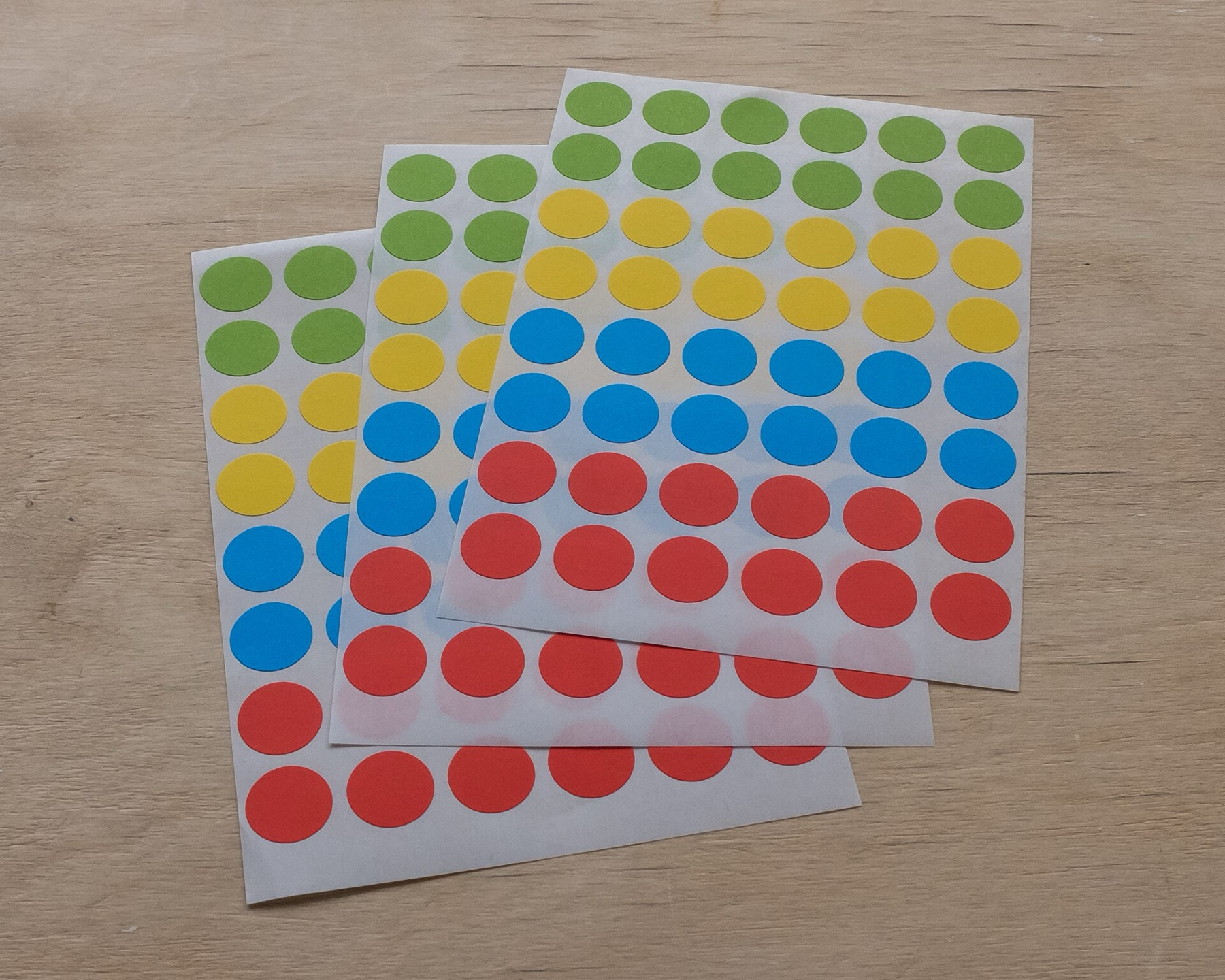
4. Payment and documentation discipline
For any platform or direct deal:
- Keep all art files, spec sheets, and approvals in one folder.
- Use written channels (platform messaging, email) to confirm every change.
- Avoid off‑platform payments; use the marketplace’s normal checkout or a method that offers some buyer protection.
- Confirm production timelines and shipping methods in writing.
On DHgate specifically, that means keeping negotiations and sample approvals inside the platform chat and order messages, then paying through its checkout rather than a side channel like direct bank transfer.
5. Start small, then standardize
Treat your first order as a test run:
- Samples → small production run → full run.
- Once you trust a supplier, standardize SKUs (e.g., your core functional sheets) with them so reorders are predictable.
For limited‑run, seasonal kits, you may decide to keep production closer to home (a domestic printer or wholesale platform like Faire) because a single bad batch can’t be reused.
Sample‑Inspection Table for Planner Sticker Sheets
Use this table during sample review to keep your checks systematic:
| Check type | What to look for | Typical action if it fails |
|---|---|---|
| Color & print | Brand colors match; no banding or fuzz on small text | Ask for color correction and new sample |
| Adhesive behavior | Sticks flat, peels off planner paper without tearing | Request different adhesive or new material |
| Cut precision | Kiss‑cuts follow design; stickers peel without tearing | Supplier adjusts die‑lines and re‑samples |
| Finish & writing | Matte/gloss as specified; pens don’t smear excessively | Change coating or finish specification |
| Sheet handling | Sheets don’t curl; backing isn’t too flimsy or too stiff | Adjust paper weight or backing material |
How DHgate Handles Wholesale Sticker Orders and How to Use It Carefully
DHgate is a marketplace that connects you to mostly Chinese suppliers. It is not a single factory, and its blog content is editorial guidance rather than formal policy. You can still use that guidance to structure how you shop for planner sticker sheets there.
Using DHgate’s research tools for sticker sourcing
DHgate’s editorial blog describes several buyer‑controlled steps that matter for planner stickers:
- Use filters and search tools. Blog guidance on sourcing suggests narrowing down products by using filters for material, dimensions, and functionality. For planner stickers, that translates to actively filtering for:
- Paper or vinyl type aligned with your spec (matte, glossy, etc.).
- Size or format close to your sheet layout.
- Sellers that list printing services and custom design support if you’re using your own art.
- Evaluate suppliers with ratings and history. Multiple DHgate blog posts recommend checking seller ratings, reviews, and transaction history to assess reliability. When you’re comparing sticker suppliers:
- Prioritize sellers with higher overall ratings and a meaningful number of completed orders.
- Read reviews that mention print quality, color, and communication.
- Treat badges as a bonus signal, not a reason to skip sampling.
- Use visible quantity breaks as a sign the seller is used to wholesale, but still start at the lowest tier.
- Samples and starting small. DHgate’s bulk‑buying content repeatedly advises ordering smaller quantities first to assess product quality before scaling up. That fits planner stickers perfectly:
- Use platform messaging to request a customized sample run that matches your exact art and spec.
- Pay through DHgate’s normal checkout for that sample order.
- Only consider moving to higher quantity tiers once the sample sheets pass your color, adhesion, and cut tests.
DHgate’s buyer‑protection explainer also talks about assurances for wholesale clients (such as verified suppliers and quantity assurance for agreed order sizes), but because this is blog editorial rather than formal policy, you should still:
- Confirm quantities and specs explicitly with the seller.
- Inspect every batch on arrival and document any issues quickly.
If you’re new to the platform, it can help to read broader marketplace trust pieces like Assess DHgate listing and seller risk and Find trusted sellers on DHgate alongside this sticker‑specific checklist.
DHgate vs domestic wholesale routes for your next sticker order
For planner sticker sheets, you’re usually choosing between three broad channels:
| Channel type | Strengths for planner stickers | Where it may be weaker for a small brand |
|---|---|---|
| Cross‑border marketplace (e.g., DHgate) | Access to OEM printers; potential lower unit costs at scale | Longer timelines; more communication friction; samples crucial |
| Domestic wholesale platforms (e.g., Faire) | Closer communication fit; curated stationery brands | Higher per‑sheet prices; fewer very large‑volume options |
| Local/digital printers | Fast turnarounds; easy spec tweaks; local support | Best for short runs; may be pricey for large wholesale volumes |
A practical rule of thumb:
- Use DHgate or similar cross‑border marketplaces for evergreen, undated sticker designs once you’ve validated one or two suppliers with discipline (samples, documented specs, small first runs).
- Use domestic wholesale platforms or local printers for highly time‑sensitive kits (monthly, holiday, dated planners) where one delayed or flawed batch would directly impact your launch.
Whichever path you choose, stick to the same playbook: write your specs, document approvals, inspect samples carefully, and never let a discount tempt you into a giant first order.
Once you’re comfortable with these basics and your first supplier relationship, you can explore more advanced marketplace sourcing tactics in articles like Find wholesale suppliers on DHgate, building on the same cautious approach.