
You can find microfiber cleaning cloths on DHgate by searching with specific use‑case terms (like “microfiber glass towel” or “car detailing cloth”), narrowing the results with filters, and then treating each listing as a spec sheet you need to interrogate—size, thickness, edging, and intended use. For Canadian buyers and small ecommerce businesses, DHgate is most useful when you’re flexible on brand and aiming for bulk or OEM orders, but you’ll need to validate quality with samples and careful seller checks before committing.
What Microfiber Cleaning Cloths Are and Which Types You’ll See Online
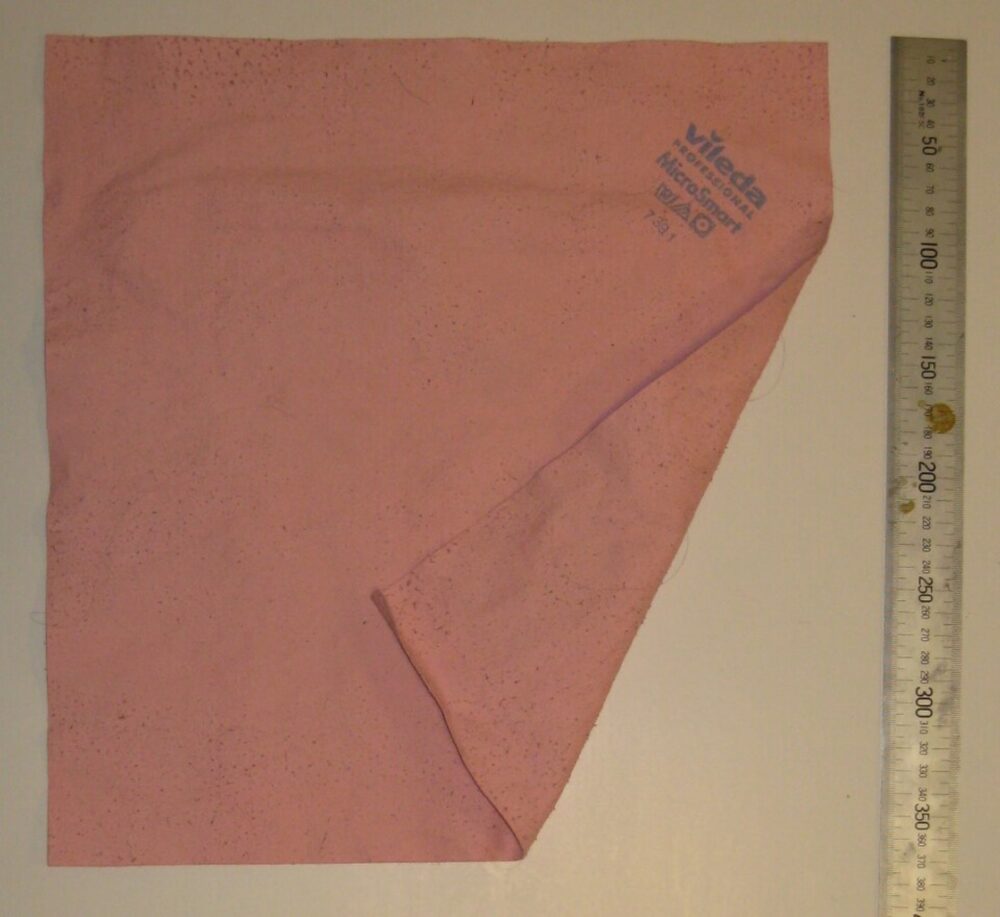
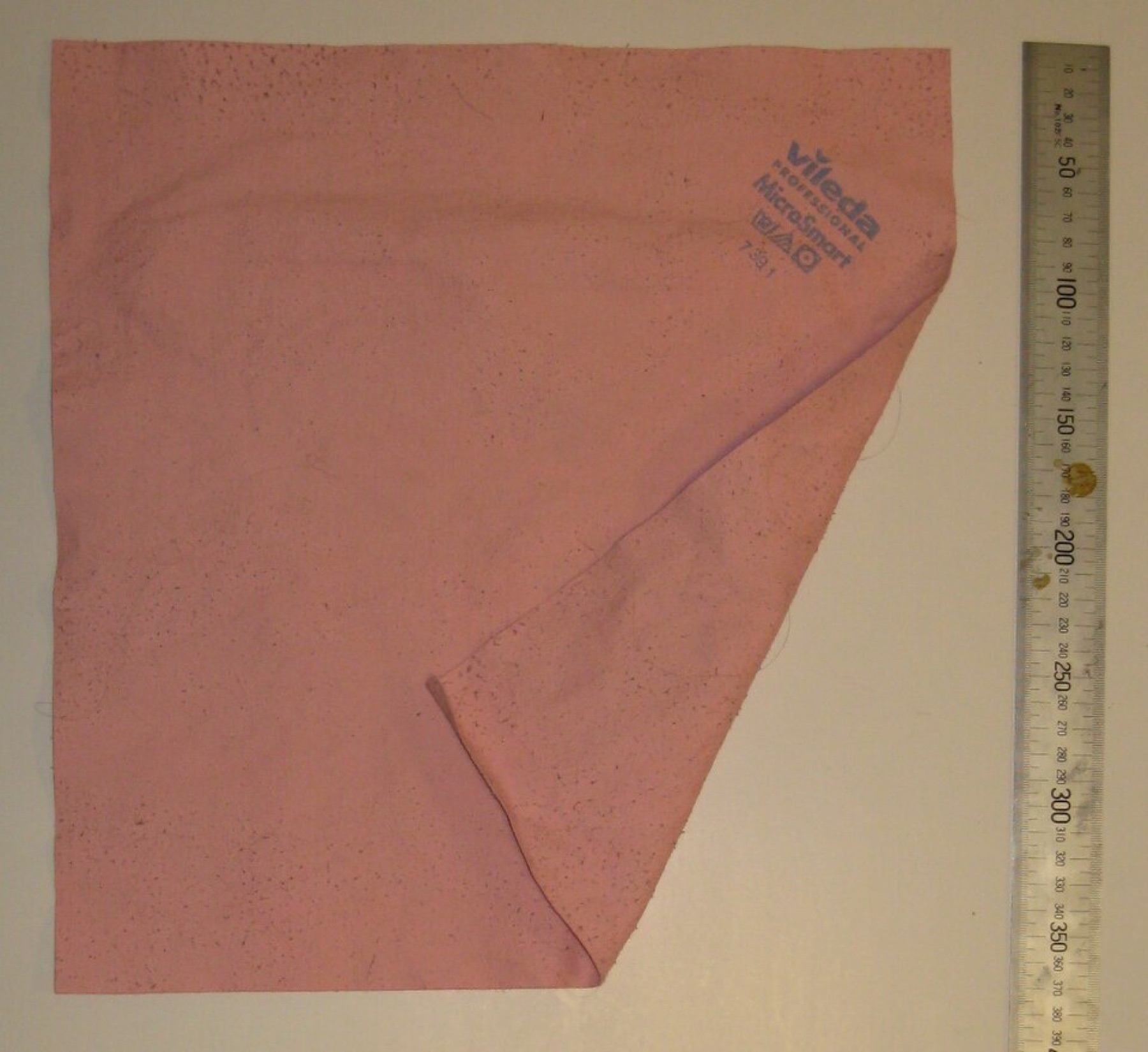
Microfiber cleaning cloths are reusable textile wipes made from very fine synthetic fibers, sold for everyday cleaning, glass and mirror care, dusting, and even car detailing. Online guides routinely group them with general household cleaning rags and glass towels, highlighting their reusability and ability to handle counters, spills, and glass without scratching. You can see that broad positioning in reviews of household cloths and rags such as Best Cleaning Cloths for Home.
You’ll see a few common flavors in marketplace listings:
- All‑purpose kitchen/household cloths – Smaller squares for wiping counters, appliances, and spills.
- Glass and mirror towels – Often marketed as “lint‑free” for windows, shower glass, and mirrors, and positioned as cheap bulk options for glass cleaning.
- Automotive/detailing cloths – Thicker, more plush cloths used for drying paintwork or buffing wax.
- Dust cloths and lens wipes – Finer, smoother microfibers for electronics, eyeglasses, and cameras.
- Robot mop pads and floor cloths – Microfiber pads shaped and sized to attach to mopping robots or flat mops.
Decide first whether you’re shopping for glass, auto, kitchen, or lens/electronics use, and build your searches around that primary task.
Key Buying Factors for Microfiber Cloths and How They Show Up in Listings
Most reusable microfiber cloths work well for basic cleaning, but the differences that matter—especially if you’re sourcing for resale—are thickness, size, edging, and lint behavior. Marketplace listings don’t always spell these out clearly, so you have to read closely and sometimes ask.
Here are the main factors and how they usually appear online:
| Listing field or detail | What to look for in marketplace listings |
|---|---|
| Size | Dimensions in cm/inches (e.g., 25×25 cm). Match to your use: small for kitchen, larger for glass or car drying. If no size is listed, treat that as a red flag and ask. |
| Thickness / GSM (weight) | Words like “thickened,” “plush,” or a GSM number. Thicker cloths suit auto drying; thinner work for glass and general wiping. Lack of GSM is common—use photos, reviews, or samples to judge. |
| Edging / stitching | Photos of the seams and mentions of “no-scratch edges” or “overlock stitching.” Look for clean stitching to avoid fraying in repeated washes. |
| Lint control / “lint‑free” | Claims such as “lint‑free glass towel” are common, especially on bulk glass cloths. Cross‑check reviews for complaints about shedding fibers. |
| Intended use case | Phrases like “for car windows,” “kitchen cleaning,” or “lens cloth” help you quickly rule in or rule out a listing. Mislabeling does happen—compare description and buyer photos. |
Marketplace examples for glass towels often emphasize lint‑free cleaning and absorbency in bulk lots at very low unit cost, which is appealing for ecommerce bundles or local resale. The trade‑off is that specs can be minimal beyond those marketing claims.
For Canadian buyers sourcing cross‑border, a practical workflow is:
- Use size + use‑case (“30×30cm microfiber glass towel”) in search.
- Shortlist only listings that show real photos of edges and fabric texture.
- Treat “lint‑free” or “high absorbency” as claims to test with samples, not guarantees.
Step-by-Step: Finding and Vetting Microfiber Cleaning Cloth Sellers on DHgate
DHgate is built around lots of independent sellers, including manufacturers, offering bulk microfiber cloths. But you have to drive the process yourself—search precisely, evaluate sellers, and use samples before any big order.
1. Start with targeted keywords
On DHgate’s homepage search bar, use specific phrases rather than just “microfiber cloth”:
- Home use: “microfiber cleaning cloth kitchen”, “microfiber dish cloth”.
- Glass and windows: “microfiber glass cleaning towel”, “lint free window cloth”.
- Automotive: “plush microfiber car drying towel”, “microfiber detailing cloth”.
- Lens/electronics: “microfiber lens cleaning cloth”, “microfiber screen wipe”.
- Robot/floor pads: “microfiber robot mop cloths”, “flat mop microfiber pad”.
Changing the use‑case term (glass, car, lens, mop) will dramatically change which sellers and product styles appear.
2. Use filters and categories to narrow results
DHgate’s shopping guidance describes using filters and categories to match your criteria. In practice that means:
- Filtering by minimum order or pack size if you’re testing vs. buying for resale.
- Sorting by orders or rating to surface listings with a track record.
- Using category navigation if you want to stay within a niche (for example, automotive care or household cleaning tools).
For a home user in Canada, this might mean picking small packs even if the unit price is a bit higher. For a small ecommerce business, you’d focus on larger lots and pack configurations that fit your catalog.
3. Read product listings like spec sheets
DHgate blog advice on shopping emphasizes paying attention to listings: specs, images, and seller ratings. For microfiber cloths, treat each listing as a technical document:
- Check exact size and quantity in both title and description; they don’t always match.
- Look for any mention of GSM or material weight. If absent, ask the seller directly.
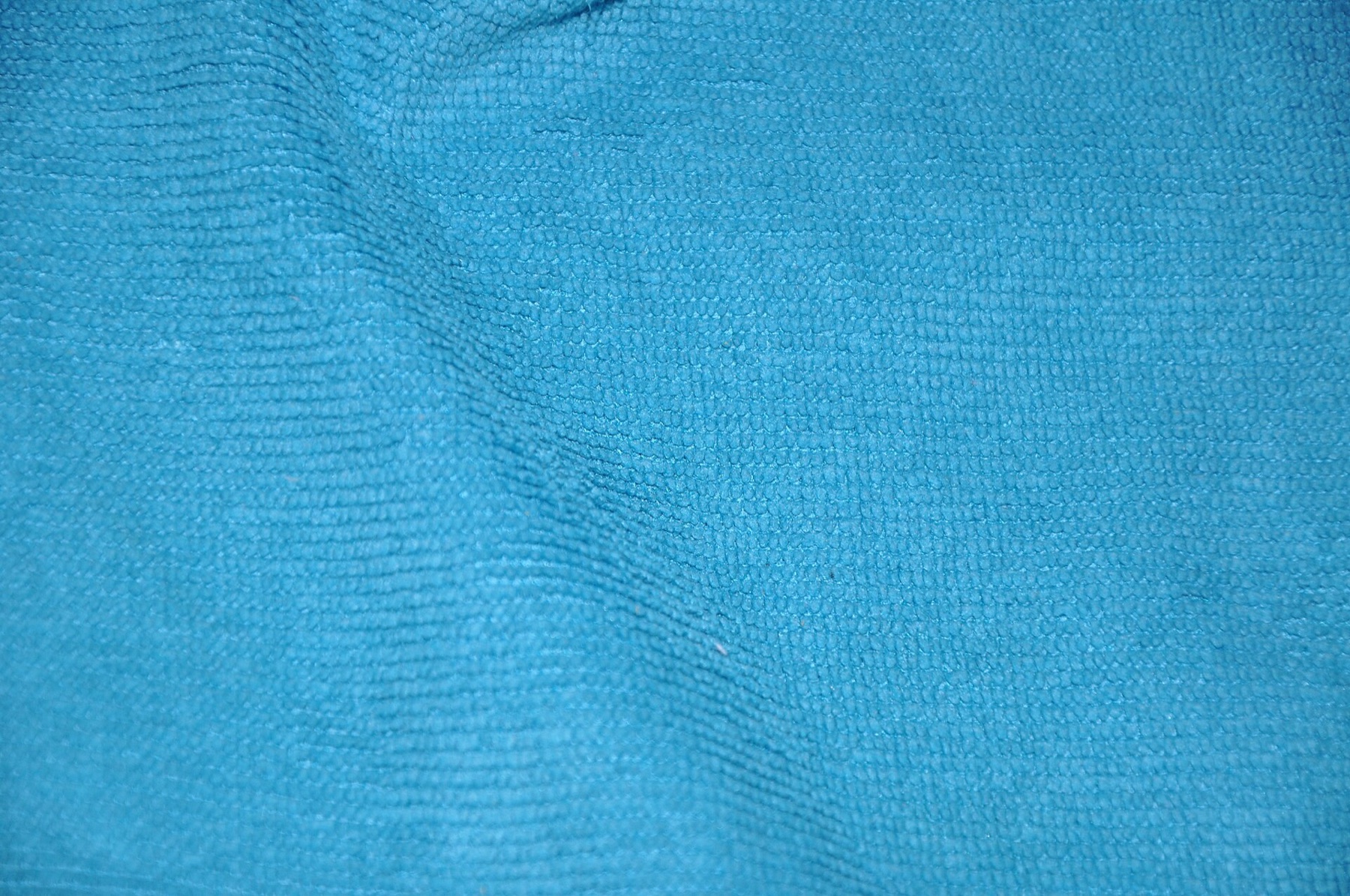
- Zoom into photos to inspect texture and edging—do seams look tight, or loose and frayed?
- Read the description for intended use and washing instructions (e.g., machine‑washable, recommended temperature).
If the description is vague (“high quality microfiber” with no details) but the photos look promising, assume you’ll need a sample order before trusting it for resale.
4. Vet the seller, not just the product
DHgate editorial pieces on sourcing suggest examining seller profiles, transaction history, and feedback before committing. For microfiber cloths this is especially relevant because many listings look visually similar.
Concrete checks:
- Seller rating and years active: Prefer sellers with a solid rating and a history of transactions on microfiber or related textiles.
- Review content: Filter reviews for keywords like “thin,” “thick,” “leaves lint,” “good for glass,” or “good for car.” These give you more insight than star scores.
- Photo reviews: Buyer photos often reveal true size, color, and texture better than the official images.
For more general advice on reading DHgate seller profiles, you can cross‑reference DHgateWiki’s guide on finding trusted sellers on DHgate.
5. Use samples strategically
DHgate’s ecommerce sourcing guidance recommends requesting samples before bulk orders. For microfiber cloths, make the most of that step:
- Order small packs from 2-3 promising sellers rather than a big lot from one.
- Test each sample on glass, stainless steel, and a dusty surface, then launder it a few times.
- Watch for lint, streaking, dye bleeding, and edge fraying after washing.
If you’re an ecommerce seller, treat this as product development: pick the cloth that performs best, then negotiate pack size, colors, and any branding or OEM options only after you trust the quality.
6. Decide if DHgate is the right route
DHgate is usually a good fit for:
- Bulk sourcing of generic microfiber cloths for household, glass, or automotive use, where brand isn’t critical.
- Private‑label or OEM projects, once you’ve identified a factory‑level seller and validated samples.
It’s less suitable when:
- You need branded, certified cloths (for example, to match a specific Canadian retail brand or certification standard).
If your needs skew toward brand‑specific or time‑sensitive purchases, a domestic retailer or distributor may make more sense. If you’re comfortable investing time in vetting and sampling, DHgate can be a viable microfiber source for both home stock‑ups and Canadian ecommerce inventory.
For a broader overview of how the marketplace works before you dive into microfiber sourcing, see what DHgate is and how the marketplace works, and if you’re close to checkout, run through the DHgate order‑readiness checklist.
If you also want to compare microfiber cloth options across other channels and decide where DHgate fits among them, you can explore DHgateWiki’s wider coverage of microfiber cleaning cloth availability and platform comparisons.