
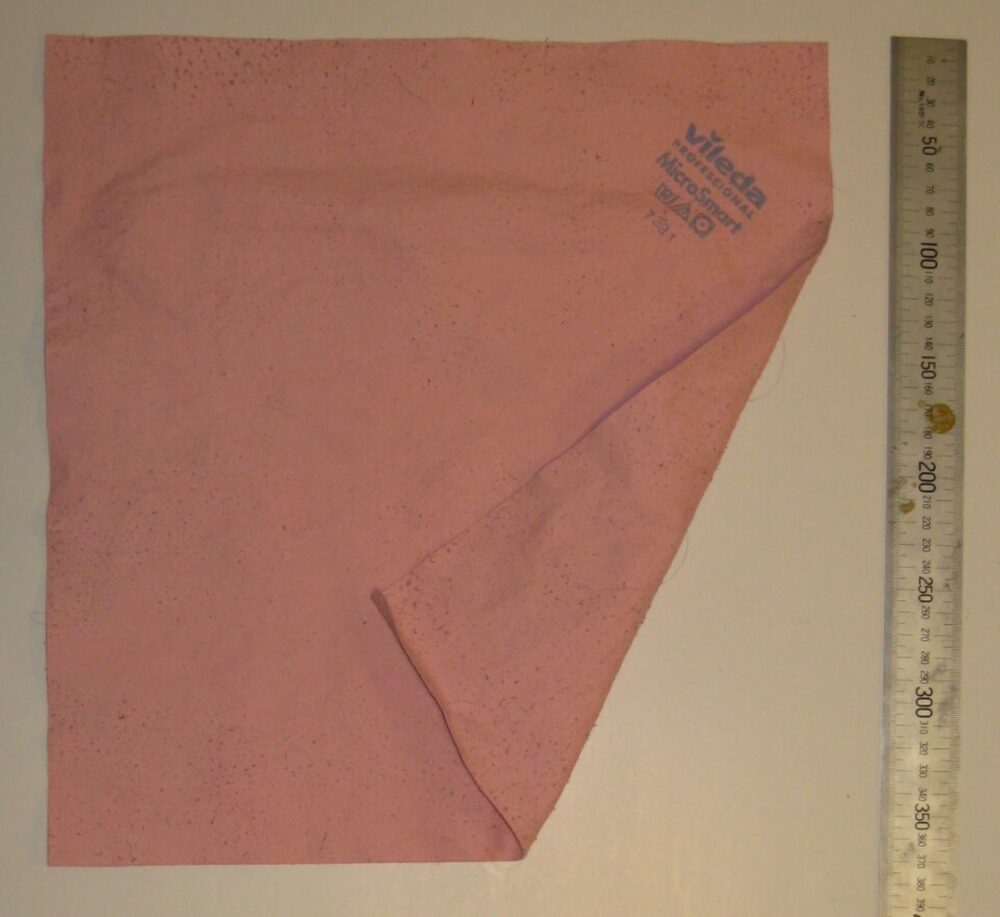
You choose microfiber cleaning cloths by matching their density (GSM), weave, size, and lint behavior to the tasks you actually do, then comparing multipack value and variety across retailers and marketplaces. Smooth, mid-weight cloths work for glass and screens, thicker terry or waffle textures handle greasy kitchen messes, and high-density edgeless cloths are worth seeking out for auto detailing. DHgate is one cross-border marketplace that offers many microfiber options, but for Canadian buyers it sits alongside local retail and other platforms rather than replacing them.
Microfiber Cleaning Cloths by Task: What You’re Actually Buying
Microfiber cloths use very fine synthetic fibers—typically a polyester/polyamide blend—to trap dust, dirt, and moisture more effectively than most generic rags. The fibers are split and densely packed, which helps them hold on to particles instead of just pushing them around.
That doesn’t mean every microfiber cloth is interchangeable. The big differences are texture and thickness:
- Glass and screens: You want a smooth or suede-like microfiber that glides without grabbing and doesn’t leave lint. These are the soft, flat cloths often sold for eyeglasses and phones.
- Kitchen and tougher soil: Terry or waffle weaves add a bit of “bite.” The loops or pockets help lift grease and stuck-on food from counters and appliances.
- General dusting: Standard weaves work well; the slightly napped surface traps dust from shelves, blinds, and baseboards.
- Auto detailing: For paint, you usually want plush, high-density cloths that are gentle on clearcoat. For interiors and glass, a mix of smooth and terry textures works.
If you’re a small ecommerce seller, this same task-based thinking applies to your assortment. A “one pack fits all” approach often disappoints buyers. Offering a clear mix—say, smooth glass cloths plus thicker kitchen/garage cloths—gives your customers the right tool for each job instead of a generic multipack.
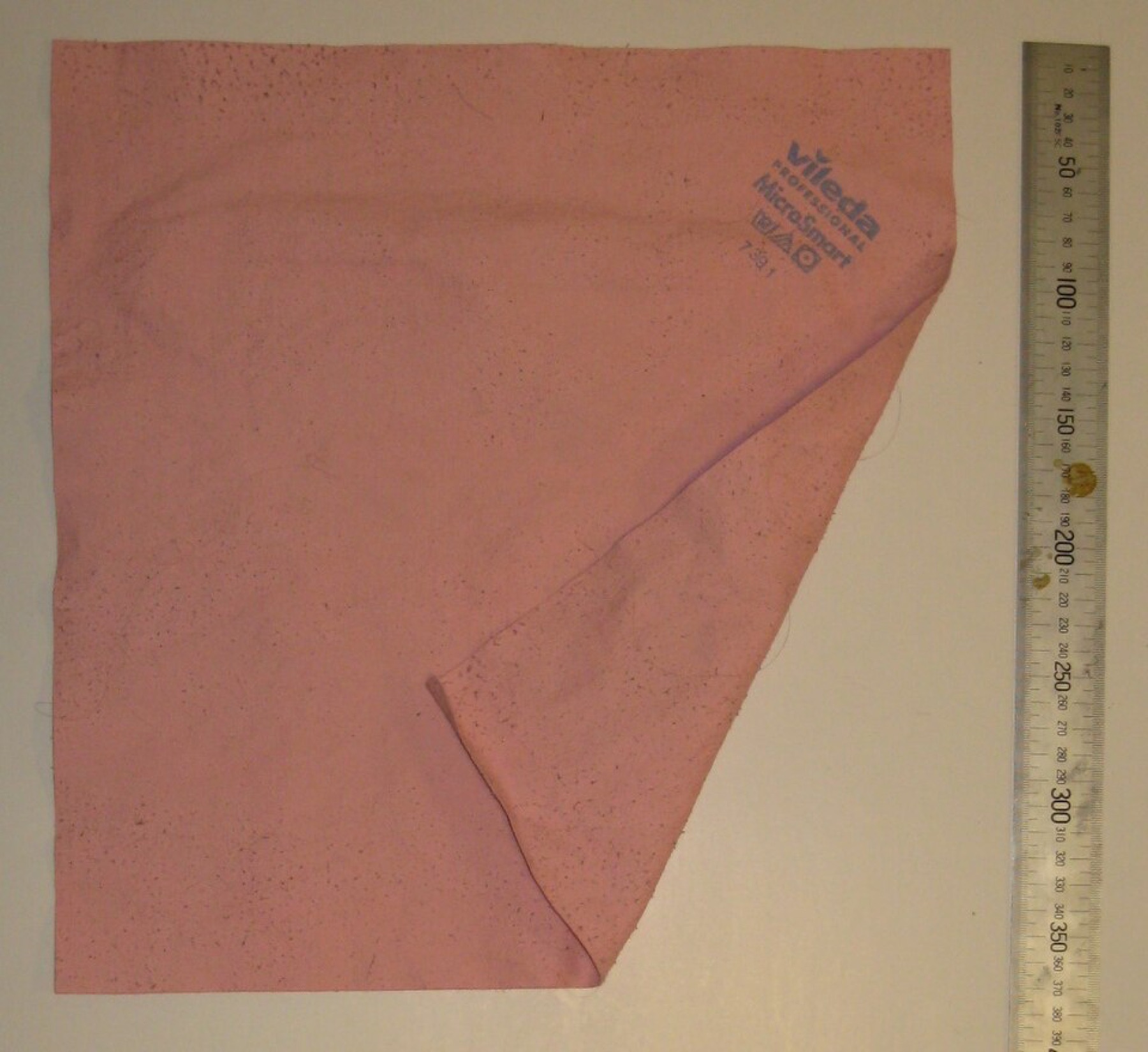
Key Specs and Types: GSM, Weave, Size, and Lint Behaviour
Most decent listings now list GSM, size, weave, and sometimes lint-free or edgeless claims. Here’s how to read those specs so you avoid disappointing cloths.
GSM: how dense is the cloth?
GSM (grams per square metre) is a rough density and thickness measure.
- Around 300-500 GSM is a typical sweet spot for general cleaning—sturdy, absorbent, but still easy to wring out.
- Higher GSM cloths above that range tend to feel thicker and more plush, which many detailers prefer for drying and waxing cars.
Treat these ranges as guidance, not strict rules; real performance still depends on the fiber blend and weave. A very low-GSM cloth can feel flimsy and smear rather than absorb, which is why extremely cheap multipacks sometimes disappoint.
Weave and texture: match to the surface
DHgate’s microfiber editorial and independent cleaning guides both stress choosing weave by task rather than chasing a single “best” texture. Broadly:
- Smooth / suede: Best for glass, mirrors, and electronics. Minimizes streaks and scratching.
- Terry: Loop-style surface good for absorbing spills, wiping dishes, and general household cleaning.
- Waffle: Patterned surface with pockets for grabbing soil; often used on kitchen counters and for light scrubbing.
- Standard weave: Versatile choice for dusting and everyday wipe-downs.
A Canadian example: microfiber cloths listed by Walmart Business are marketed for glasses, screens, and dusting—essentially a smooth/general weave hybrid aimed at delicate surfaces.
Size and edges: handling, lint, and fraying
Typical household cloths are around 40×30 cm (roughly 16×12 inches), which is large enough for counters but still easy to wring by hand. Auto detailing and janitorial packs may go larger, while phone and eyeglass cloths are much smaller.
Edge design matters for both durability and lint:
- Sewn edges: Common and fine for most uses; look for tight stitching that won’t fray quickly.
- Edgeless: Trimmed or ultrasonically cut edges that reduce the chance of the seam scratching sensitive surfaces and can shed less lint when well-made.
Retail examples in Canada include edgeless, high-density towels sold specifically for auto detailing, such as reusable blue edgeless cloths on Walmart Business.
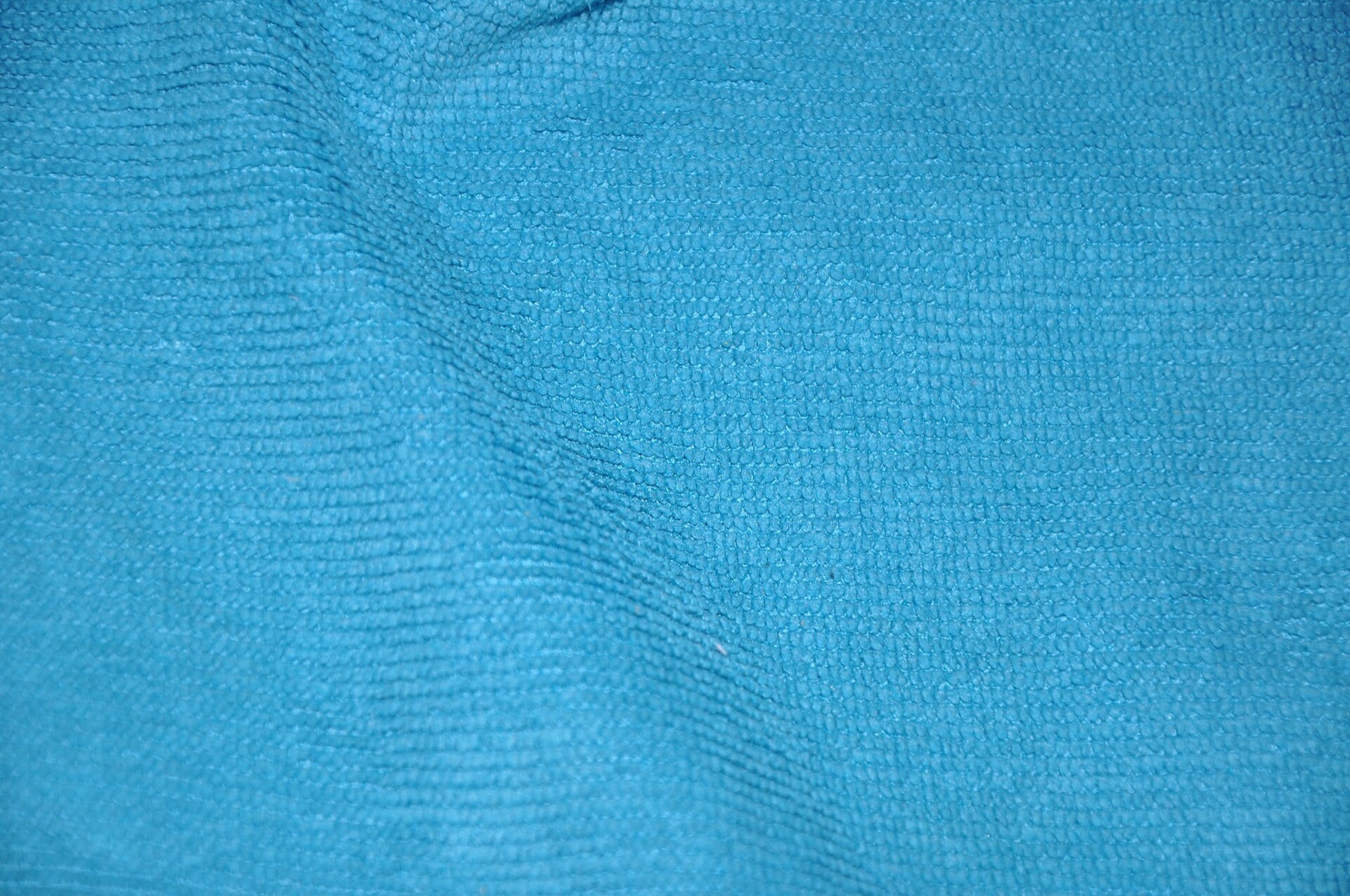
Lint claims are often marketing language, but there are patterns: smoother weaves and higher-quality fibers tend to shed less. If you plan to resell cloths for optics or electronics, it’s worth prioritizing listings that mention lint-free performance and show close-up texture photos.
Example spec combinations for common tasks
The table below shows typical spec patterns you’ll see when browsing Canadian retail and marketplace listings. It’s not exhaustive, but it gives you concrete starting points.
| Task or use case | Typical GSM range | Common weave / texture | Example size |
|---|---|---|---|
| Kitchen counters & dusting | ~300-400 | Terry or waffle | ~40×30 cm |
| Glass, mirrors, screens | ~250-350 | Smooth or suede, lint-focused | Small to mid (lens up to 40×30 cm) |
| Auto paint & drying | ~400-500+ | Plush, often edgeless | Medium to large towels |
| General household wiping | ~300-450 | Standard or terry | ~40×30 cm |
| Optics / electronics resale | ~250-350 | Smooth/suede, lint-free claims | Small cloths (phone/eyeglass size) |
These patterns align with guidance from independent buying guides and microfiber editorials, which recommend matching GSM and weave to the surface rather than chasing a single “premium” spec.
Choosing Packs and Platforms: Bulk Value, DHgate, and Alternatives
Once you know roughly what GSM, weave, and size you need, the real decision is how to buy: small multipacks for home, or larger sets for a business or resale.
Here’s a compact way to think about multipacks and sourcing channels if you’re in Canada:
| Use case | Pack type to target | Spec focus | Where to look first |
|---|---|---|---|
| Household kitchen & dusting | 6-12-pack general microfiber cloths | Mid-range GSM, terry/waffle, ~40×30 cm | Canadian retail (Home Depot, Walmart, grocery) |
| Screens, glasses, electronics | Small smooth/suede cloth sets (6-12 pcs) | Smooth weave, lint-aware, smaller sizes | Online retail, marketplace listings, optical stores |
| Auto detailing (personal) | 12-24-pack mixed textures | Higher GSM for drying, edgeless for paint | Auto retailers, detailing brands, marketplaces |
| Small ecommerce / resale | 24+ pieces in task-specific assortments | Consistent GSM and weave, clear labeling | Marketplaces (Amazon, DHgate, others), wholesalers |
Canadian big-box and online retail often focus on “do-everything” multipacks, like streak-free lint-free cloths marketed for windows, dishes, glass, and car detailing on Walmart Business. These are convenient for home use but give you less control over exact GSM and weave.
Marketplaces open up both variety and specialization:
- Mainstream marketplaces: Useful for branded, mid-range cloths with plenty of mixed-use multipacks.
- DHgate and similar cross-border platforms: DHgate’s editorial highlights that it carries a wide range of microfiber car cloths and general cloths, including options differentiated by GSM, weave, and purpose. That makes it more of a discovery channel for bulk or niche needs—like high-density edgeless towels for detailing or customized sizes—than a replacement for your local 6-pack.
If you’re comparing DHgate to other channels, it helps to keep roles distinct:
- Use local Canadian retail when you want a quick, simple multipack for home cleaning and don’t need specific detailing of GSM or weave.
- Use specialty auto or cleaning brands when you need consistent, higher-GSM or purpose-designed cloths for detailing or professional use.
- Consider cross-border marketplaces like DHgate when you’re exploring a wider range of microfiber cloth types, sizes, and bulk pack structures, especially for small ecommerce or detailing businesses.
For broader context on DHgate as a marketplace, you can read what DHgate is and how the marketplace works and, if you move toward sourcing there, resources like find trusted sellers on DHgate and the DHgate order-readiness checklist before checkout.
In short, pick your microfiber cloths by task first—glass, screens, kitchen, auto—then let GSM, weave, size, and multipack structure help you decide whether a simple Canadian retail pack, a specialty detailing bundle, or a cross-border marketplace like DHgate best fits your needs.