
If you’re deciding between Benefit eyeliners and eye-makeup tools, start by matching the formula and applicator to your skill level and the looks you actually wear, then buy branded liners and tools from authorized US beauty retailers and treat DHgate mainly as a low-cost source of generic accessories or non-brand alternatives. Benefit’s own formulas and tools are designed and marketed as a system; DHgate is better thought of as a broad marketplace where you’ll find similar styles of eyeliner and lots of eye tools, but not guaranteed-authentic Benefit stock.
Pick your eyeliner by answering three questions: how steady is your hand, how dramatic do you want your line, and how long does it need to last. Then add tools (brushes, combs, brighteners) based on your eye shape and whether you’re doing quick daily makeup or more detailed looks for clients.
Benefit Eyeliner and Eye Tools: What They Are and Who They’re For
Benefit’s eyeliners sit in familiar categories on major US retailers like Ulta’s Benefit eyeliner page: liquid pens, pencils, and gel-style options. A flagship example is Roller Liner Waterproof Liquid Eyeliner, described as a quick-drying, waterproof formula with a precision felt tip for controlled, sharp lines and long wear source: Ulta product listing. That combination—waterproof, quick-dry, felt tip—is aimed at users who want a clean wing or graphic liner that won’t smudge through a full day.
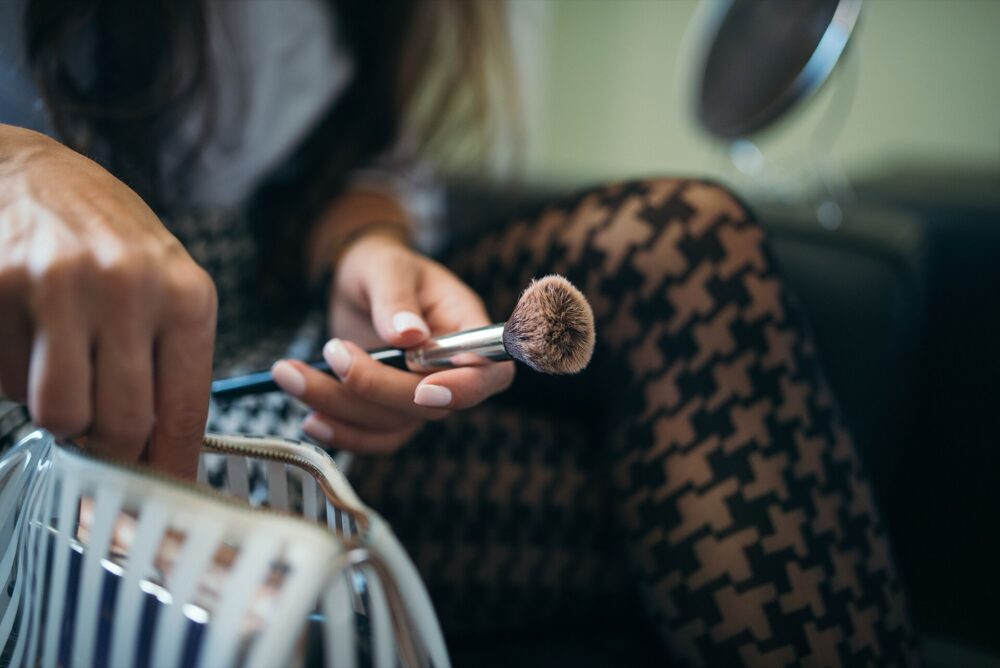
Branded eye tools under Benefit’s name often show up in retailers’ “makeup brushes & tools” sections, bundled with eye or brow products or sold individually see Ulta’s Benefit brushes/tools category. Think angled brushes, detail liner brushes, and brow tools that complement the brand’s eye formulas. These are built for buyers who care about the whole experience: product, applicator, and finish lining up predictably.
Broadly:
- Beginners tend to do best with softer looks: smudgy pencil or stable felt-tip pens.
- Intermediate users can mix pencil for shaping with liquid for intensity.
- Advanced users/pro artists leverage gel pots plus brushes, along with extra tools like eyelash combs and eye brighteners, to customize every detail.
Comparing Benefit Eyeliner Types and Companion Tools
US retailers such as Ulta and Sephora group Benefit eyeliners by type—liquid, pencil, and more—so you can filter by formula and finish rather than scrolling blindly example: Ulta’s eyeliner filters. Here’s how those types map to real-world use and tools, using Roller Liner as the liquid benchmark.
Key eyeliner types
1. Liquid / roller-style felt-tip (e.g., Roller Liner)
- Feel: Quick-drying, usually weightless on the lid.
- Control: Precision felt tip gives sharp edges but shows wobbles, so it favors a reasonably steady hand.
- Wear: Marketed for long wear and waterproof performance—good for events and oily lids.
- Best tools to pair: A fine angled brush (to clean up edges with concealer), cotton swabs, and sometimes a lash comb so mascara doesn’t clump into your crisp line.
2. Pencil liners (crayon styles)
- Feel: Softer, more forgiving and easier to smudge.
- Control: Great for tightlining and smoky looks; less ideal for razor-sharp graphic wings.
- Wear: Typically not as bulletproof as waterproof liquids, but more comfortable for everyday wear.
- Tools to pair: Smudge brush, small blending brush, and eye brightener pencil for the waterline to open the eye.
3. Gel-style liners (pots or gel pencils)
- Feel: Creamy, usually applied with a brush from a pot.
- Control: Highest precision if you’re comfortable with brushes—excellent for dramatic wings, cut-crease liner, and editorial looks.
- Wear: Often marketed as long-wear; how they hold up depends on formula and lid prep.
- Tools to pair: Thin liner brush, angled brush, and sometimes a mixing medium or sealant for all-day hold.
Matching formulas to real needs
Here’s a compact comparison using Roller Liner as the benchmark liquid pen:
| Use-case / skill level | Best Benefit type (editorial judgment) | Why it fits | Companion tools that help most |
|---|---|---|---|
| “I want a clean wing that lasts all day” | Liquid felt-tip like Roller Liner | Waterproof, quick-dry, precision tip for sharp lines | Angled brush, concealer, lash comb |
| “I just need soft definition for work” | Pencil eyeliner | Easy to control, can be smudged for a subtle line | Smudge brush, blending brush, eye brightener pencil |
| “I do bold, detailed looks for content or clients” | Gel-style liner + brush sets | Works with fine brushes for graphic details and layering | Thin liner brush, angled brush, eyelash comb |
For small ecommerce sellers, this pairing logic matters. You might stock a few core Benefit liners from authorized channels, then add generic brushes, combs, and eye brightener pencils from non-brand sources to keep margins reasonable while still offering a complete eye look kit.
Where DHgate Fits Next to Benefit and Other Retail Channels
Major US channels like Ulta, Sephora, and Walmart are the straightforward way to buy Benefit eyeliners and brand-labeled tools. They list Benefit products in clearly labeled eyeliner and brushes/tools categories, so buyers and small resellers can filter by type, finish, and bundle without worrying about whether the brand itself is genuine.
DHgate sits in a different role. As its own editorial blog describes, DHgate positions itself as a global marketplace with a wide range of beauty products, including makeup kits, mascaras, and other cosmetics at competitive price points see DHgate’s fashion and beauty deals blog. Separate DHgate articles also highlight specific eye-area accessories like eyelash combs and eye brightener pencils, underscoring that the platform has broad coverage of generic eye tools and accessories example: DHgate eye brightener/eyelash comb content.
That variety is useful, but there’s a catch: DHgateWiki’s own trust coverage stresses that authenticity for branded makeup on DHgate is not guaranteed and needs extra verification steps and skepticism see the authenticity discussion. In practical terms:
- For Benefit-branded eyeliners and tools: Treat DHgate as a high-risk source. If you need the actual Benefit logo and formula—for personal use or resale—stick to authorized channels (brand sites, Ulta, Sephora, large retailers). That’s where you can reasonably expect consistent branding and formula.
If you go that route, treat DHgate as a tool catalog rather than a brand source: compare materials and designs, read listing-level reviews closely, and reserve your Benefit purchases for channels where branding and formulas are controlled by the brand or major distributors.
For additional DHgate platform context, use Find trusted sellers on DHgate.
For background on how the DHgate marketplace works overall, you can read What DHgate is and how the marketplace works, and for broader shopping prep, see the DHgate order-readiness checklist.