
For most Canadian buyers, the easiest place to buy microfiber cleaning cloths is a local retailer or marketplace like Home Depot Canada or Walmart Canada, which sell multi-pack cloths for general household and kitchen cleaning in a few clicks.Source Cross-border marketplaces such as DHgate mainly start to make sense if you’re chasing very low per-cloth pricing in bulk for resale or a cleaning operation and you’re willing to vet individual sellers and listings carefully instead of relying on a single brand standard.
If your goal is everyday home cleaning, stick with domestic sites first. If you’re a small ecommerce business looking to build low-cost bundles or stock a lot of towels, compare domestic B2B packs against cross-border options and factor in quality control and lead times.
What Microfiber Cleaning Cloths Are Used For
Microfiber cleaning cloths are made from ultra-fine synthetic fibers, typically a blend of polyester and polyamide (nylon), designed to trap dust, dirt, and moisture efficiently.Source The fibers are much smaller than human hair, which helps them grab particles rather than just pushing them around.
In practical terms, that makes microfiber cloths useful for:
- General home cleaning: wiping counters, dusting furniture, cleaning bathroom fixtures.
- Kitchen use: drying dishes, wiping appliances, cleaning glass stovetops; big-box packs in Canada are often marketed as “multi-function” kitchen cloths.Source
- Glass and mirrors: the tighter, smoother weaves are intended for streak-minimized cleaning of windows and mirrors.
- Auto detailing: thicker, plush microfiber towels are promoted for lint-minimized, streak-minimized finishes on paint, glass, and interiors.Source
- Tech and eyewear: smaller, very smooth cloths for eyeglasses, phones, and laptops where you don’t want abrasion.
Editorial guides also highlight microfiber’s versatility across dusting, wiping, polishing, and scrubbing for home, auto, and gadget tasks.Source For small ecommerce businesses, these traits make microfiber cloths a practical add-on product: they’re light, inexpensive per unit, and have clear use cases you can describe in a listing.
Types of Microfiber Cloths and Key Buying Factors
Online listings rarely just say “microfiber cloth” and stop. Canadian category pages show distinct sub-types grouped by use such as glass, kitchen, and general cleaning.Source Understanding these helps you pick the right channel and pack.
Common sub-types you’ll see
- All-purpose / multi-function cloths: Sold in large multi-packs at retailers like Home Depot Canada and Walmart Canada, these are mid-weight cloths meant to do a bit of everything in the house.Source
- Kitchen cloths and towels: Often styled more like dishcloths but made from microfiber; they prioritize absorption and easy wringing for spills and counters.
- Glass and window cloths: Smoother, sometimes with one side labeled for polishing; the weave aims to reduce lint on glass.Source
- Auto-detailing towels: Thicker, edgeless, sometimes in bright colors. These are typically positioned for car washing, drying, and interior detailing where a more plush feel and reduced lint matter.Source
- Tech/eyeglass cloths: Small, very soft pieces sold in bundles, sometimes individually packaged for resale or giveaways.Source
What to check before you choose a listing
Because most online pages only give you photos and a short spec list, focus on a few practical signals:
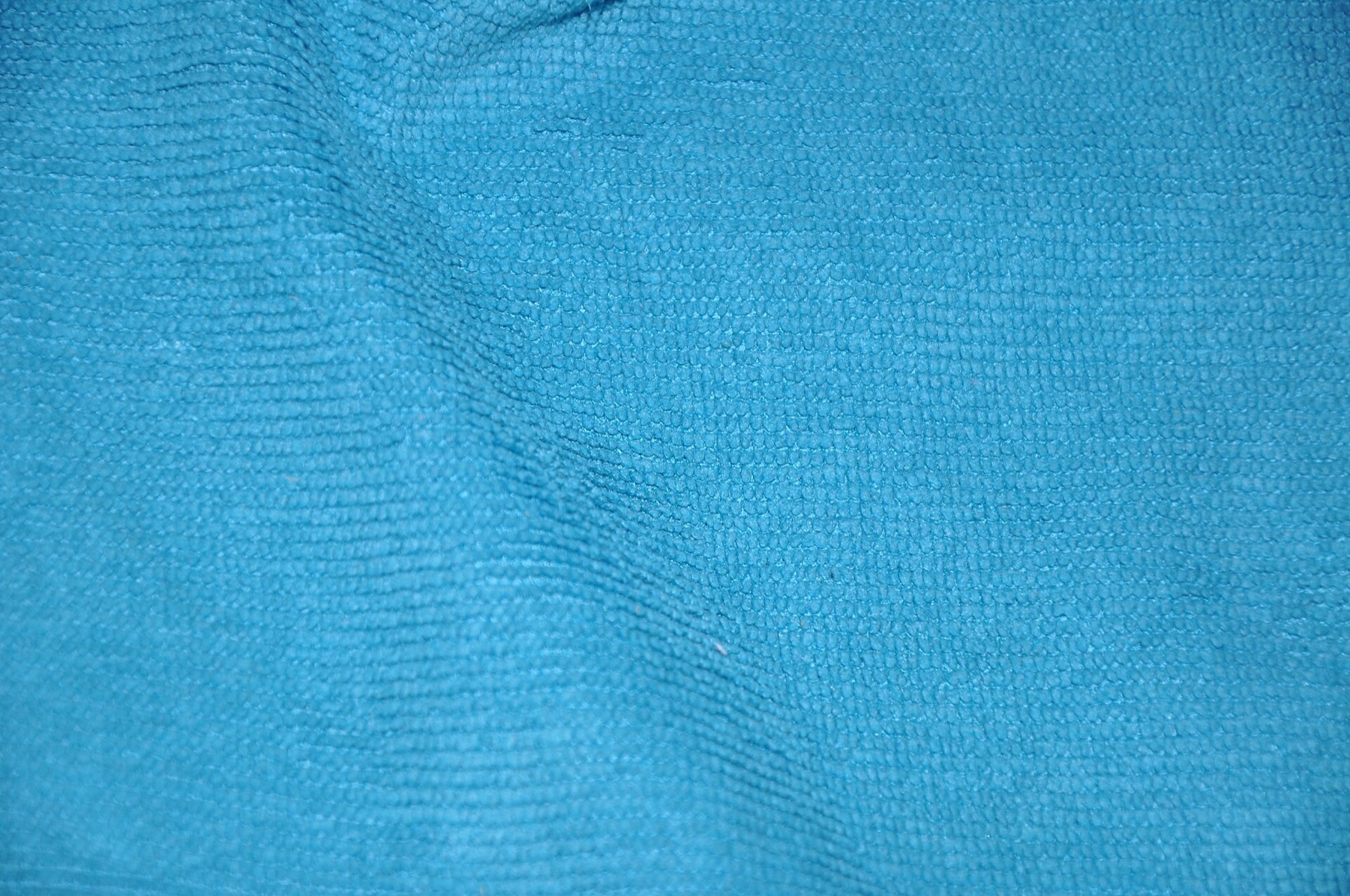
- Material and pile: Look for microfiber explicitly, not just “polyester cloth.” Product photos that show a close-up texture help you judge whether it’s smooth enough for glass or plush enough for auto.
- Size and pack composition: Household packs at Canadian retailers often run around hand-towel size and come in 6-30 piece sets.Source Bulk tech cloth packs can list 50-100 pieces per order on B2B marketplaces like Walmart Business.Source
- Lint and streak behavior (by use group): Category filters such as “glass” or “lint-free” on sites like Home Depot and Walmart are useful shorthand for how the cloth is intended to behave, even if they don’t show lab test data.Source
- Washability: Most microfiber is described as reusable and machine-washable; if you’re buying for resale, check that the listing doesn’t quietly position the cloths as semi-disposable.
For cross-border marketplaces like DHgate, these same checks still matter, but you’ll usually be looking at higher quantities and more varied sellers. Treat each listing as its own product line: read the description closely, match the weave and size to your use case, and only treat “lint-free” or “streak-free” as marketing language unless the seller provides credible test details. To go deeper on DHgate-specific search and vetting, see how to understand how DHgate works and find trusted sellers.
Best Online Channels to Buy Microfiber Cloths in Canada
The right channel depends on whether you’re buying a few cloths for your own home or hundreds for business use. Here’s how major options typically line up for Canadian shoppers and small ecommerce operators:
| Channel type & examples | Best for home buyers | Best for small ecommerce / cleaning crews | Typical pack styles | Why you’d pick it |
|---|---|---|---|---|
| Canadian big-box retail sites (e.g., Home Depot Canada, Simons) | Strong: easy 12-30 packs of general or kitchen microfiber cloths with simple checkout.Source | Limited: fine for small operations, but unit cost may be higher than B2B. | Multi-purpose kitchen and cleaning packs, some glass-focused cloths.Source | You want predictable quality and fast domestic delivery from familiar brands and store labels. |
| Domestic marketplaces (e.g., Walmart Canada, Best Buy Canada) | Strong: wide variety of household microfiber cloths and specialty tech/glasses cloths.Source | Strong: many sellers list bulk or larger packs suitable for ongoing cleaning use.Source | General cleaning cloths, glass cloths, branded sets, occasional bulk options.Source | You like comparing multiple brands and pack sizes on one site, still within Canada. |
| Domestic B2B marketplaces (e.g., Walmart Business) | Moderate: overkill for a single household unless you want very large packs.Source | Strong: bulk microfiber packs (50-100+ pieces) for glasses, screens, or general cleaning.Source | High-count bulk bundles, often focused on specific uses like tech or auto detailing.Source | You run a cleaning service or ecommerce store and want bulk quantities without cross-border complexity. |
| Cross-border marketplaces (multi-seller platforms) | Weak: product variety is broad, but cross-border shipping and seller variation add friction for a household buyer. | Niche: can be relevant for price-driven bulk sourcing if you carefully evaluate each seller’s microfiber specs and photos. | Large-volume microfiber towel bundles across home, auto, and gadgets. | You’re very price sensitive, comfortable with international sourcing, and ready to invest time in listing-level vetting rather than relying on local retail standards. |
How to match channel to your scenario
- Single home, light cleaning: Start with a 12-30 pack of all-purpose or kitchen microfiber from a Canadian retailer such as Home Depot Canada or browse Walmart Canada’s microfiber cloth category. These give you a straightforward baseline.
- Home plus serious auto detailing: Look for auto-labeled microfiber packs either on domestic marketplaces or B2B sites. Packs marketed for car glass/interiors on Walmart Business can be more cost-effective if you’re using them constantly.
- Small ecommerce store / tech accessory brand: Tech-focused microfiber cloths for glasses and screens are listed in bulk on Walmart Business. These are easier to use for bundles or giveaways than trying to break down large general-cleaning packs.
- Cross-border, price-first sourcing: If you decide to look at DHgate for microfiber cloths, treat it like any other international marketplace rather than a single brand: compare multiple listings, match them to your exact use (auto vs kitchen vs tech), and use the DHgateWiki guidance above on how the platform works and how to vet sellers before committing to a high-quantity order.
In short, Canadian retail and domestic marketplaces already cover most microfiber needs for both households and small operations. Cross-border marketplaces are a secondary option when you’ve maxed out local bulk packs and still need lower unit costs, and you’re ready to trade some simplicity for that flexibility.