
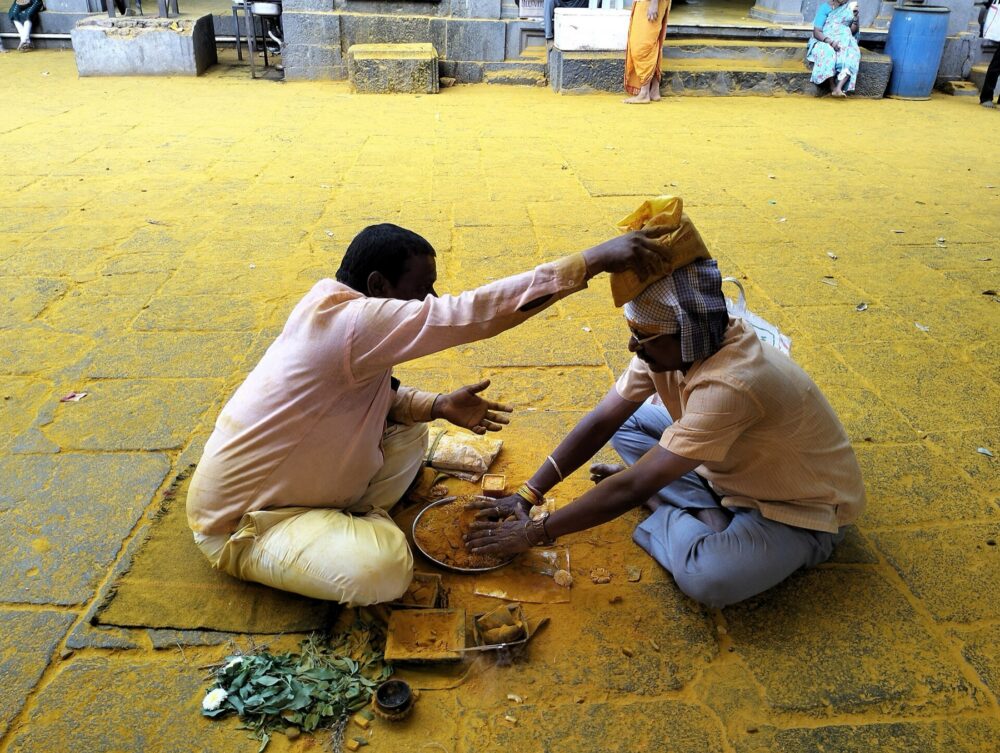
You can find puja mats and ritual seating on DHgate, but you’ll need to be specific in your search terms and careful in how you vet listings. Start with focused keywords like “pooja asan,” “puja mat,” or “meditation floor cushion,” then narrow by material and size using DHgate’s filters and product descriptions. Because sellers on DHgate are mostly general textile and home-decor suppliers rather than specialist devotional brands, you have to verify fabric, workmanship, and any traditional details yourself before ordering—especially if you’re sourcing for a temple or resale.
For US buyers and small ecommerce businesses, DHgate is most useful when you’re flexible on exact tradition and want low-cost textile seating for home puja or meditation, or bulk quantities for resale. If you need specific materials such as kush grass or handwoven cotton from devotional artisans, specialist sites like Cosmorugs or Bhumikart usually make the process simpler.
What Puja Mats and Ritual Seating Buyers Are Actually Looking For
Before you open DHgate, get clear on what “puja mat” means for your use.
In many Hindu traditions, the mat or āsan is the designated seat for the worshipper or deity setup. It can be placed under a person, a murti, or a small chowki. Common forms include:
- Small velvet āsan (often 7-18 inches square) used under deities, kalash, or offerings. Retailers like Giri USA carry velvet puja mats with embossed zari designs in compact sizes, which gives a sense of typical proportions and look.
- Handwoven cotton mats sized for a person to sit cross-legged. Sites like Cosmorugs market these specifically as puja mats, usually in simple striped or solid designs.
- Natural-material ritual seating such as kush/darbha grass āsans. Bhumikart shows a typical handmade 24×24-inch grass mat used for meditation and rituals.
Key variables you should decide up front:
- Who or what is sitting on it? A person needs more padding and size than a murti or kalash. Grass or thin cotton can be fine for short recitations; longer meditation may need thicker cushions.
- Material expectations. Some rituals prefer natural fibers (cotton, wool, grass) for spiritual or comfort reasons; others are fine with synthetic velvet or satin for decorative deity āsans.
- Dimensions. Measure your usual sitting posture or altar surface. For cross-legged seating, many people start around 24×24 inches or larger; deity mats can be much smaller.
- Formality vs everyday use. Festival setups might demand ornate embroidery and borders; daily japa or yoga often favors washable, durable textures.
Having this spec in mind makes DHgate’s broad textile catalog much easier to navigate and keeps you from buying generic decor that doesn’t really function as a ritual seat.
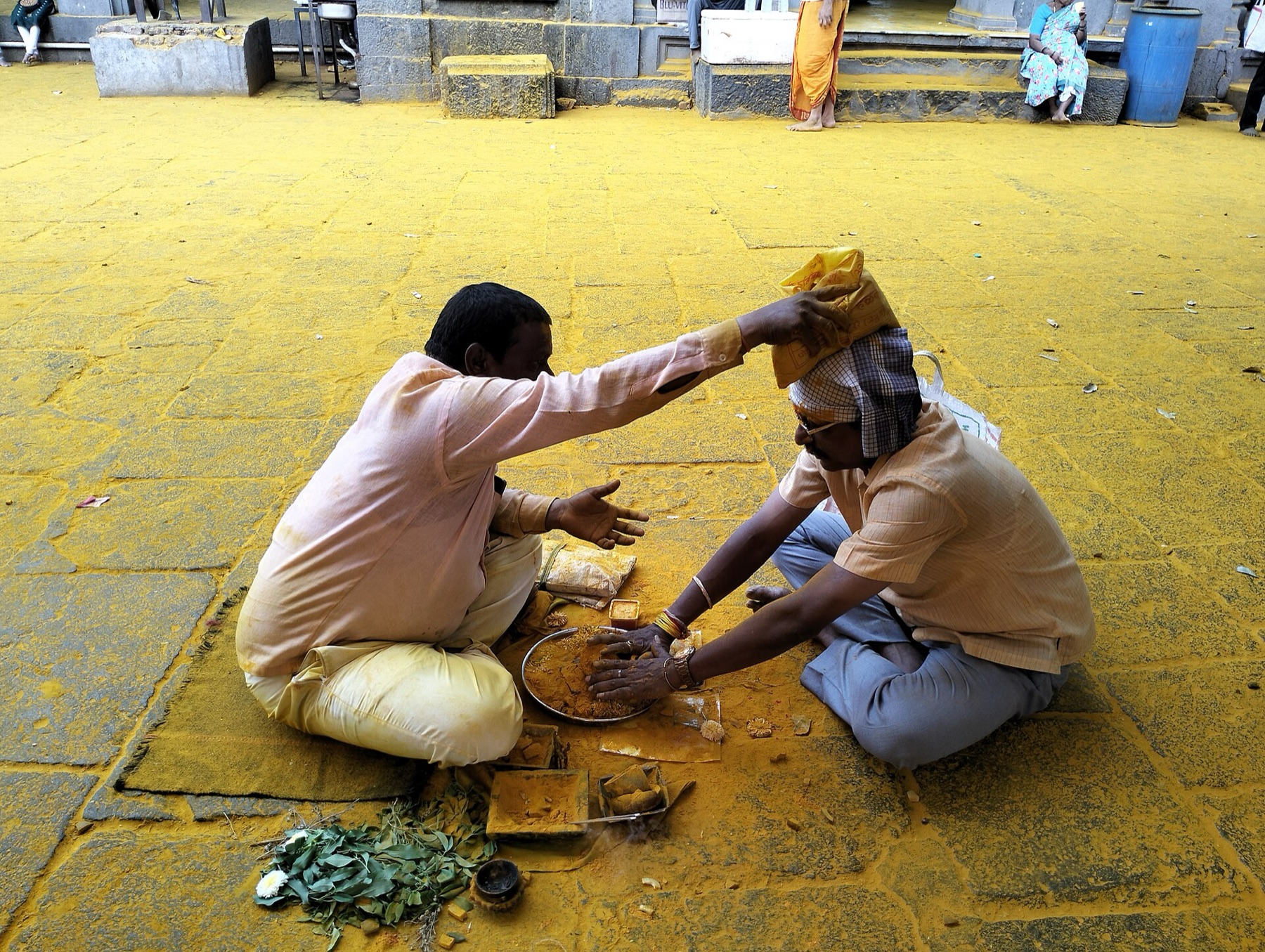
Turning DHgate Into a Targeted Search Tool for Puja Mats and Seating
DHgate’s search and listing layout are built for general ecommerce, but you can bend them toward devotional use with a deliberate workflow.
1. Start with the right keywords
On DHgate, use the top search bar and try a few combinations:
- “pooja asan” / “puja asan” / “pooja mat” – often surface small velvet or satin squares and decorative cloths.
- “meditation mat,” “yoga floor mat,” “floor cushion” – useful for human seating, especially if you’re fine with non-Indian branding.
- “altar cloth,” “decorative table mat,” “velvet square cushion cover” – can double as deity āsans if the sizes match your chowki.
Run each keyword and see which ones actually bring textile mats rather than unrelated decor, then stick with the most productive terms.
2. Use filters and categories to narrow the results
DHgate’s own sourcing guidance recommends using filters to match your criteria. After you search:
- Filter by category (e.g., home textiles, rugs, cushions) rather than general “home decor.”
- Narrow by material where available (cotton, polyester, velvet, grass-like fibers).
- Use color filters to find auspicious shades you actually use—red, yellow, saffron, white.
This cuts down scrolling and reduces the chance you’ll miss an appropriate listing buried among unrelated goods.
3. Read product pages like a spec sheet
DHgate product listings typically include specifications, images, and seller information. Treat them as your only hard data:
- Look for clear material labeling (e.g., “100% cotton,” “polyester velvet”) instead of vague “fabric.” If it’s not listed, assume you’ll need to ask.
- Check dimensions and thickness. For seating, thickness or padding matters as much as width/length.
- Examine photos closely. Are people sitting on it? Is it on a table? That hints at whether it’s meant as a seat or a decorative cloth.
If you’re buying for resale, screenshot or save these specs so you can later compare them with samples.
4. Evaluate sellers, not just products
DHgate’s blog on navigating its website emphasizes checking seller ratings, total sales, and buyer reviews as a measure of reliability. On each listing:
- Prefer sellers with higher ratings and a visible sales history rather than brand-new accounts.
- Read customer reviews, focusing on comments about material quality, color accuracy, and real-life photos. This is especially useful for textiles, where feel and sheen can be different from studio images.
If you’re unsure, search the same seller name across DHgate and see if they have consistent feedback across multiple products.
For extra depth on this step, you can cross-check with DHgateWiki’s guide to finding trusted sellers on DHgate.
5. Message sellers and, for bulk, request samples
DHgate’s ecommerce sourcing guidance recommends requesting samples before committing to larger orders. This is particularly relevant for puja mats:
- Use the platform’s messaging to ask about material (natural vs synthetic), weave, and whether the mat will tolerate floor use.
- For bulk or ecommerce sourcing, ask if they can send 1-2 sample pieces first. Treat these as your test for comfort, colorfastness, and washability.
For small quantities, you may skip samples, but don’t skip clarifying material if your rituals require natural fibers.
6. Use DHgate for discovery, not blind trust
DHgate’s own editorial guides position the marketplace as a source of diverse, themed products and suggest comparing prices and occasionally negotiating for boutique sourcing. In practice, for puja mats this means:
- Treat DHgate as a product discovery tool and price benchmark.
Internal DHgateWiki resources like What DHgate is and how the marketplace works and the DHgate order-readiness checklist can help you sanity-check your order before you pay.
Evaluating DHgate Results vs Specialist Alternatives
Once you’ve run a few searches and saved some candidate listings, the real question is: should you buy from DHgate or switch to a specialist source?
Here’s a practical comparison, based on how DHgate and specialist puja retailers position themselves:
| Sourcing route | Best fit use cases | Typical materials & focus | Where DHgate is strong / weak |
|---|---|---|---|
| DHgate general sellers | Budget-friendly mats and floor cushions for home puja or meditation; ecommerce buyers wanting bulk textile seating with flexible style | Broad textile catalog: cotton blends, polyester velvet, generic cushions, decor cloths | Strong for variety, price competition, and bulk ordering; weak for assured ritual-specific materials like kush grass or artisan branding |
| Specialist cotton puja mat retailers (e.g., Cosmorugs) | Devotional cotton mats where the product is explicitly designed for puja use | Handwoven cotton mats marketed as puja-specific products | Strong for clarity of use and materials; usually weaker for ultra-low prices or customization at large volumes |
| Natural-material āsans (e.g., Bhumikart kush grass mats) | Rituals or meditation practices that prefer or require natural grass seating | Kush/darbha grass handmade mats described explicitly for meditation and rituals | Strong for tradition-aligned material; DHgate will rarely match this specificity without intensive seller vetting |
Signals that DHgate is a good fit
Stay on DHgate when:
- You’re flexible on exact tradition and mainly care about function and aesthetics (comfortable floor seating, auspicious colors).
- You’re comfortable treating the mats as generic textiles used for puja, not as formally certified religious items.
Signals to switch to a specialist retailer
Look to specialist sites when:
- You explicitly need kush/darbha grass, handwoven cotton, or other traditional fibers marketed for ritual purity and practice.
- You want products that are already labeled and presented as devotional items, reducing the burden of explaining them to your own customers.
- You need smaller, predictable quantities with faster, simpler shipping, and are willing to pay more per mat for clarity.
For ecommerce businesses, a mixed approach is common: use DHgate for general meditation seating or decor-style mats, and rely on specialist puja retailers when your brand promise leans heavily on tradition and material story.