
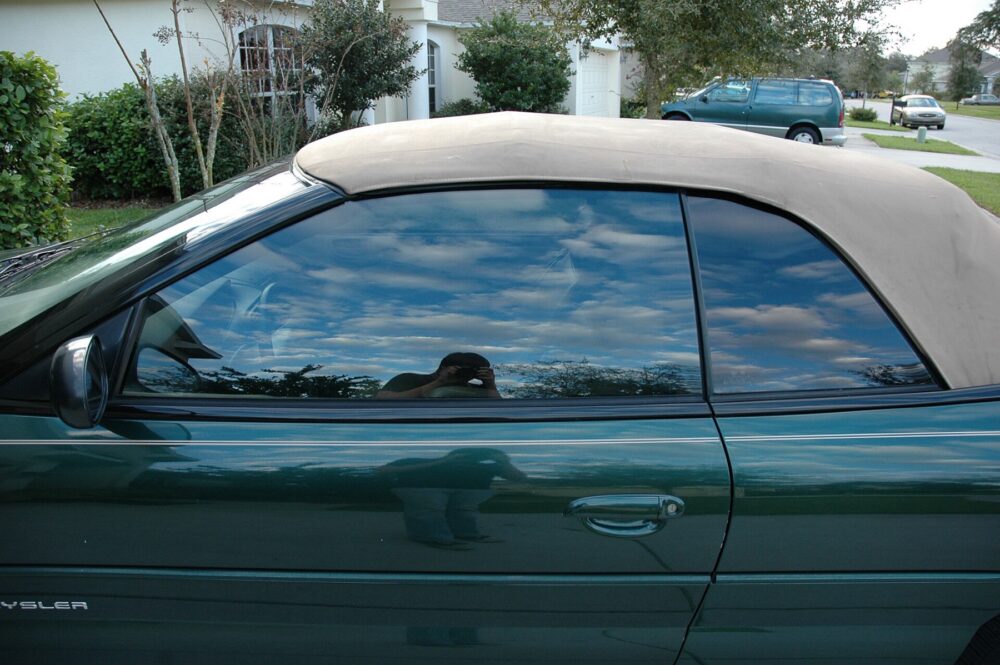
If you want a 30% window tint for a sedan and you’re shopping from Canada with roughly $200 to spend, your best bet is to compare film on specialist tint sites first, then on big marketplaces like Amazon or eBay, and treat DHgate as an extra option mainly for bulk rolls and accessories once you’re confident about what you’re buying. Specialist retailers make it easy to match a true 30% VLT film to your car and budget, while marketplaces (including DHgate) require more work checking seller details, reviews, and sometimes using tools like tint meters to confirm the actual darkness.
Before you pick a channel, it helps to be clear on what 30% actually means and which film type fits your use case.
Understanding 30% Window Tint Percentages for Sedans
Window tint percentage is really about Visible Light Transmission (VLT): the percentage of visible light that passes through the glass and film. A lower number means a darker tint. Guides such as WindowTint.com’s percentage explainer break it down like this:
- 70% VLT – quite light, close to factory glass, mostly for mild glare reduction.
- 50% VLT – visibly tinted but still bright.
- 35-30% VLT – a noticeable, “smoked” look with more privacy and glare reduction.
- 20% VLT – dark; strong privacy.
- 5% VLT – very dark “limo” style.
At 30%, your sedan will look clearly tinted but not pitch black. You’ll get a good bump in privacy and reduced daytime glare compared with stock glass, but it’s still more usable at night than 20% or 5%. Charts like the one from Polar Tint visually place 30% in that mid‑dark range: darker than most factory glass, lighter than true limo tint.
Quick Canadian legality note
Canada doesn’t have one nationwide tint rule; provinces set their own limits, and some regulate front side windows more strictly than rear. Resources like WindowTintLaws.com’s VLT overview explain how VLT is used in regulations, but you still need to check your specific province and, if needed, talk to a local installer or regulator. This article focuses on product and channel choice, not legal advice.
Types of 30% Automotive Tint Film Under $200
Once you know you want roughly 30% VLT, the real decision is film type and quality within your budget.
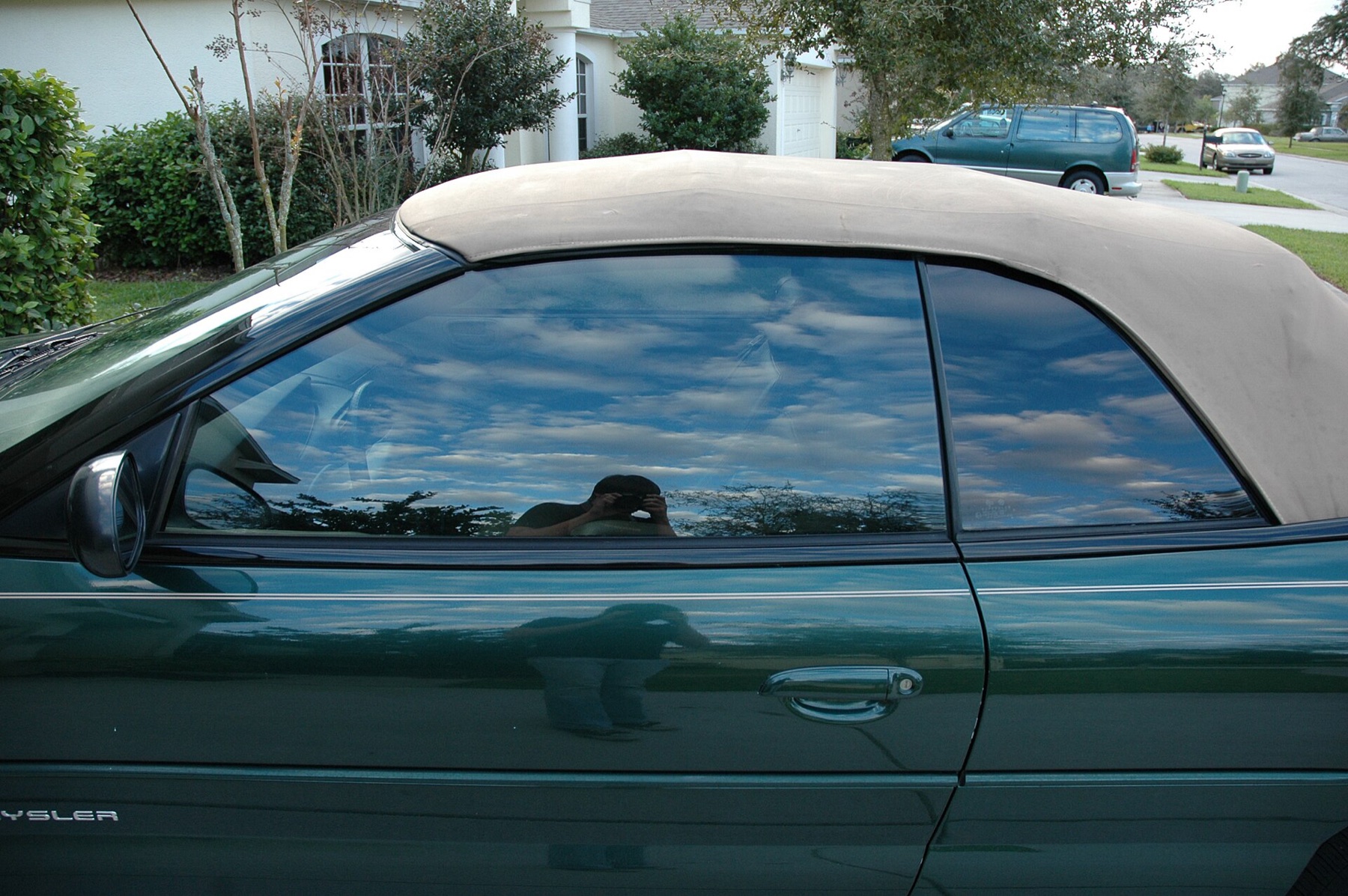
Industry guides like Ascension Auto Lab’s percentage comparison and Coateau’s VLT explainer show how different films at the same VLT can perform quite differently.
Common film types at 30% VLT
Here’s how the main categories usually line up for a sedan budgeted under about $200 (film only, not professional installation):
| Film type | Typical pros at 30% VLT | Typical cons / trade‑offs | Budget fit (sedan, DIY) |
|---|---|---|---|
| Dyed | Lowest upfront cost, uniform color | More fade over time, less heat rejection | Very easy to stay < $200 |
| Metalized | Better heat and glare rejection than dyed | Can interfere with radio/GPS, more mirror | Usually within budget |
| Ceramic | Strong heat and UV rejection, less interference | Higher price per roll | Under $200 if you shop carefully |
| Removable | Peel‑off convenience, good for temporary use | Often lower durability, limited brands | Feasible for small kits |
- Dyed film: For many Canadian sedan owners doing a DIY job, dyed 30% film is the default because rolls and pre‑cut kits are cheap and widely available. It gives the look and basic privacy, but blogs like Pioneers Distribution’s VLT guide note that lower‑tier dyed films can fade and offer less heat rejection.
- Metalized film: Often sold as a mid‑step for buyers who care about heat and glare. At 30%, you’ll see more reflective speckling. It can be a good compromise, but if your sedan has a lot of in‑glass antennas or modern driver‑assist sensors, the metallic layer is a potential interference risk.
- Ceramic film: Still 30% VLT but designed to block more solar energy and UV. Guides from tint specialists describe ceramic as the premium choice for comfort and clarity, especially useful in summer or for long highway drives. It tends to cost more per roll, but DIY shoppers willing to skip a big brand name can often stay under $200, especially if they only tint the side and rear windows.
- Removable film: Usually marketed as static‑cling or peel‑and‑stick. It’s not aimed at permanent automotive installs but can work if you want to try 30% before a permanent shop job, or if you need temporary privacy.
Practical trade‑offs at 30%
Specialist blogs consistently highlight the same trade‑off: darker tint increases privacy and glare reduction but reduces nighttime visibility. At 30%, that trade‑off is noticeable but moderate compared with 20% or 5%. If you drive a lot on unlit rural roads in winter, erring slightly lighter (35-40%) could make sense. If your priority is summer comfort and privacy in a city, 30% ceramic on side and rear glass is a common sweet spot.
Best Online Channels to Buy 30% Window Tint, Including DHgate
Canadian buyers often ask on forums and Facebook groups where they can get good‑value tint rolls that reliably ship to Canada, especially when they’re new to the business. The main choices cluster into three groups: specialist tint retailers, large general marketplaces, and cross‑border wholesale‑style platforms.
1. Specialist tint retailers and manufacturer sites
These are sites focused on tint and film, sometimes with pre‑cut sedan kits. Their advantages:
- Clear VLT labeling and charts: Resources like WindowTint.com, Ascension Auto Lab, and Polar Tint make it easy to visualize 30% next to 20% and 35%.
- Film‑type transparency: You usually see whether a roll is dyed, metalized, or ceramic, plus basic performance specs.
- Better fit tools: Pre‑cut kits by year/make/model can matter if you’re only doing one sedan and don’t want to wrestle with a large roll.
These retailers are especially good if you’re a single‑car owner with one or two sedans to tint under $200. You get fewer surprises on actual darkness and film type, even if the price per square foot is higher than bulk rolls.
2. Big marketplaces (Amazon, eBay and similar)
Marketplaces carry a huge mix of tint brands and unbranded rolls, often with aggressive pricing. For both individual buyers and small shops, they’re useful when you:
- Want lots of consumer reviews on a specific roll or kit.
- Need fast access to tools like squeegees, blades, and inexpensive tint meters.
- Are willing to sort through varying quality levels.
Given the volume of options, this is where a simple, sub‑$100 tint meter becomes valuable. Forum threads about verifying tint suggest using a meter to check whether a “30%” roll actually reads close to that on glass. Meters marketed to auto shops are widely sold on the same marketplaces as the film itself.
3. Cross‑border marketplaces like DHgate
Platforms such as DHgate sit closer to a wholesale marketplace, connecting primarily Chinese sellers with global buyers. For window tint and accessories, they’re most relevant when:
- You’re a small ecommerce business or new tint shop looking for bulk rolls or sample packs at lower per‑meter cost.
- You want to test demo tools, like handheld glass displays with different tint percentages for showroom use, which installers discuss in sourcing threads.
- Check whether the seller specifies VLT in clear numbers and matches common charts (5, 20, 30, 35, 50, 70%).
- Look for photos of the film applied on glass rather than only roll shots.
- Read detailed buyer reviews, focusing on comments about actual darkness and ease of shrinking/installation.
- If possible, start with small quantities or sample panes before stocking full rolls.
If you’re new to DHgate as a marketplace, it’s worth understanding how the platform works and how to vet individual sellers using guides like What DHgate is and how the marketplace works and the checklist in Find trusted sellers on DHgate.
Scenario: Canadian sedan owner under $200
If you’re tinting one sedan yourself:
- Use an online VLT chart to confirm you like 30% vs 35% visually.
- Decide whether heat rejection is a priority; if yes, favor ceramic film within your budget.
- Start your search on a specialist tint retailer for clarity and fit tools, then compare at least one roll or kit on a general marketplace for price.
- Consider a basic tint meter if you’re worried about getting the wrong shade; they’re often under $100 and useful long‑term.
Scenario: Small tint or auto‑accessory business
If you’re building a side business or small shop:
- Use specialist charts to define a standard product lineup (for example, 70%, 50%, 35%, 30%, 20%).
- Source a higher‑quality 30% ceramic film from a reputable tint retailer for your flagship offering.
- Experiment with bulk rolls or demo glass displays from cross‑border marketplaces (DHgate included) once you’re confident reading listings and testing samples.
- Invest early in tint meters and sample glass boards so you can show customers real differences between 30% and other shades and verify film from less‑known suppliers.
By combining specialist education with marketplace sourcing, you can keep a 30% sedan tint project comfortably under $200 while still matching the look, performance, and channel risk level you’re comfortable with.