
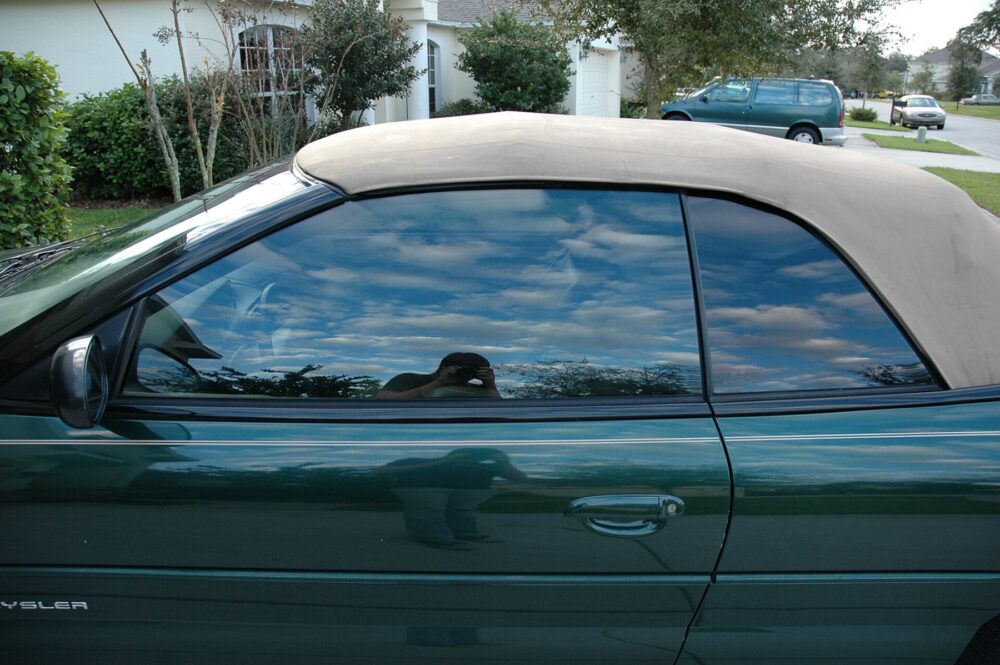
You can find ~30% window tint film on DHgate by searching for automotive window film and then narrowing by the visible light transmission (VLT) stated in the listing, the roll size that fits a sedan, and the seller’s history and reviews. Because DHgate connects you directly to Chinese suppliers, it can be a low-cost way to buy tint rolls, but listings vary in how clearly they describe VLT, and you’ll often need to message the seller to confirm the actual percentage before ordering.
For Canadian and US buyers—or small tint resellers—the practical workflow is: understand what “30%” actually means, translate that into DHgate search terms and specs, and then decide whether the deals you find justify the cross-border risk compared with buying locally.
What Window Tint Percentages Mean and Why 30% Matters
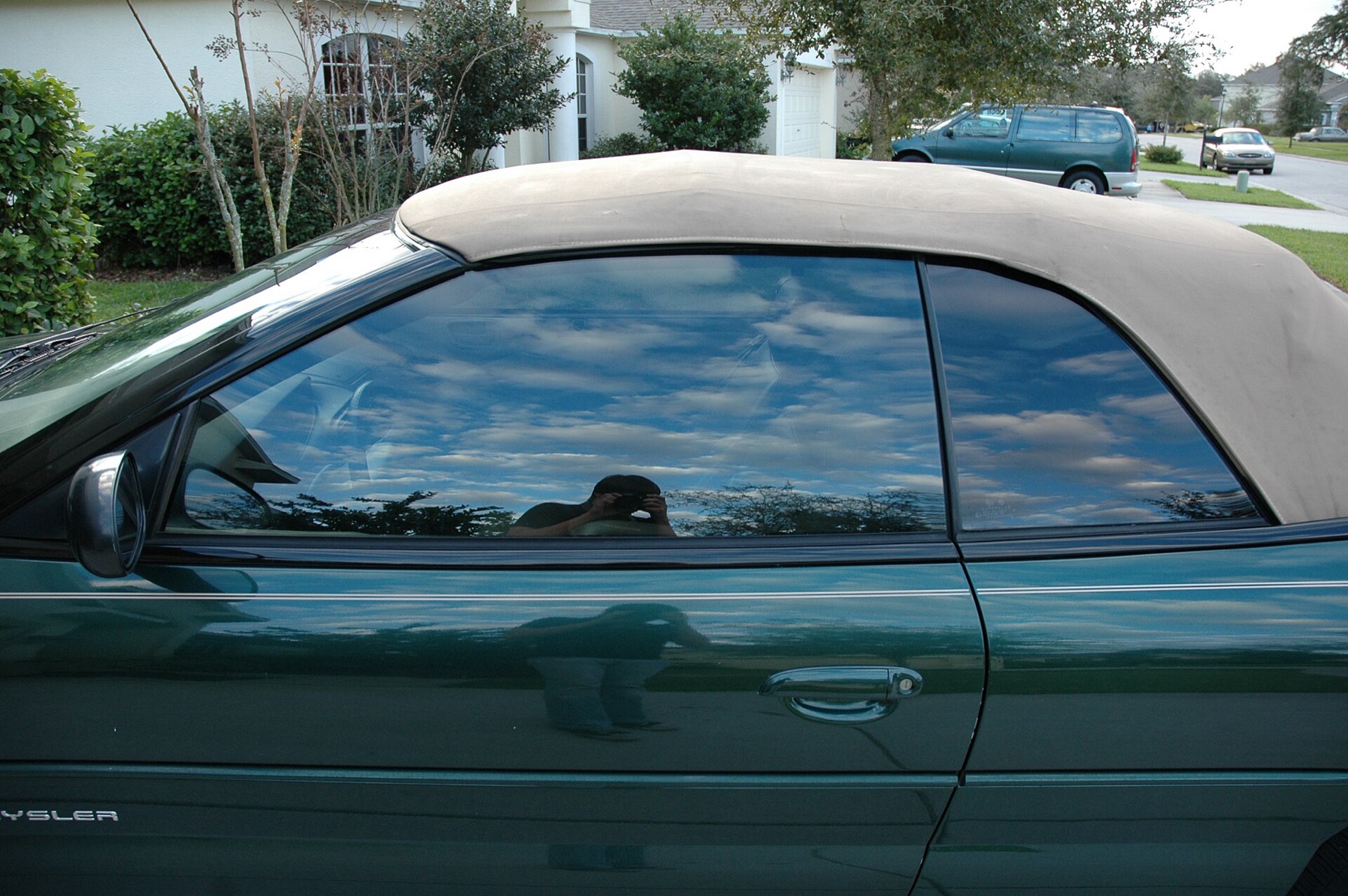
Window tint percentages describe visible light transmission (VLT): the percentage of visible light that passes through glass and film together. Multiple independent guides, including Coateau’s tint percentage guide and ShadedMD’s VLT explainer, highlight a few standard automotive levels:
- 5% VLT – very dark, often called “limo tint,” high privacy, low visibility from outside.
- 20% VLT – dark and privacy-focused, common on rear windows in some markets.
- 30-35% VLT – a mid‑dark range that still allows reasonable visibility while looking clearly tinted.
- 50-70% VLT – lighter films that mainly cut glare and some heat while staying closer to clear glass.
Charts from tint specialists like Polartint and Mars Decorative Film visually place 30-35% between the very dark 5-20% range and lighter 50-70% films. Editorially, that’s why many sedan owners target around 30% for side windows: noticeable privacy and a darker look, but not so blacked‑out that it becomes hard to drive or obviously extreme.
For buyers in Canada and the US, there’s a second layer: local tint laws. Regulations usually set different minimum VLTs for front side windows, rear side windows, and the windshield. The actual numbers vary by province/state, and even by vehicle type. Before you buy any tint—especially from a cross‑border marketplace—check your local rules using a jurisdiction‑specific resource, not a generic chart, and confirm with your installer.
The key takeaway for DHgate browsing: “30% tint” should mean ~30% VLT, a mid‑dark film, but sellers may use inconsistent language. You’ll need to read specs carefully to confirm that the percentage is stated as VLT, not just a marketing shade label.
Translating 30% Tint Requirements into DHgate Searches
DHgate’s own shopping guidance notes that product listings typically include specifications, images, prices, and seller ratings, and that buyers should scrutinize these details to ensure the product fits their needs. That applies very directly to window film.
Here’s a practical, sedan-focused workflow for finding ~30% tint on DHgate.
1. Start with targeted search keywords
On DHgate’s search bar, use specific phrases rather than just “window tint”:
- `car window tint film 30%`
- `automotive window film 30% VLT`
- `car tint roll 30 percent`
If you’re open to close variants, include `35%` in your search; many manufacturers group 30-35% together as a mid‑dark option.
2. Narrow into the right categories
After searching, use DHgate’s category sidebar to steer into Automotive / Car Accessories / Window Film or a similar path. You want:
- Listings clearly marketed for automotive use.
- Rolls or precut kits, not decorative privacy film for home or office.
Home window film may show similar percentages but isn’t always designed to stretch, shrink, and conform to curved automotive glass.
3. Read specs for VLT, not just “shade” labels
Once you click a listing, focus on the specification section that DHgate says is included:
- Look for an explicit “VLT: 30%” or “Visible Light Transmission 30%” line.
- Watch for vague phrases like “medium black,” “smoked,” or “privacy tint” with no percentage—those are risky if you need a specific shade.
- Check if the film comes in multiple VLT options (e.g., 20%, 35%, 50%). If so, confirm which one the default price and product option actually refer to.
If the seller uses terms like “5% privacy / 95% shading,” that may be a different metric, not standard VLT. Treat those as unclear until the seller confirms in writing.
4. Match roll size to a sedan use case
DHgate doesn’t enforce a standard roll size, so you must calculate what you need for your car or small business:
- For a single sedan, many DIY installers work with rolls around 50-75 cm wide and several meters long, enough for all side windows and often the rear glass.
- Check both width and length, and confirm if you’re buying one roll or multiple pieces.
If the listing only lists width, ask the seller to specify total length per roll. DHgate’s own blog suggests using the messaging system to clarify product details; window film is a good example where that matters.
5. Use images and reviews to cross-check claims
The DHgate blog encourages buyers to analyze images and read reviews before purchasing. For tint film, use those specifically:
- Images: Look for photos of the roll plus installed examples on vehicles. Though photos can be edited, they help you spot obviously incorrect shade claims.
- Customer reviews: Prioritize reviews that mention actual darkness (e.g., “looks like 35%,” “too light compared to 20%,” “matches 30% meter reading”). Treat these as directional, not precise lab data.
- Seller ratings: Ratings and total sales volume give you context on how often the seller successfully delivers what they advertise.
If reviews are sparse or only generic (“good seller,” “fast shipping”) with no mention of the tint itself, consider the listing unproven and either order a small sample or keep searching.
6. Message the seller to confirm VLT and options
DHgate’s editorial guidance stresses that you can and should communicate directly with sellers to clarify specs. With window tint, your message might include:
- “Is this film 30% VLT measured on automotive glass?”
- “Do you have a datasheet with VLT and other performance specs?”
- “Which option in the dropdown is 30%, and can you label the roll accordingly?”
Evaluating DHgate Tint Listings vs Alternative Sources
DHgate positions itself—via its own sourcing editorials—as a low‑cost, wholesale‑friendly marketplace for categories like fashion accessories. Window film sits in a similar space: simple to ship, with many factories competing on price. That can work in your favor, but tint has some specific quality and risk factors you should weigh against other options.
What to look for in a DHgate tint listing
Here’s a focused checklist tailored to window film, not generic marketplace advice:
| Checkpoint | Why it matters for 30% tint | What you do on DHgate |
|---|---|---|
| VLT stated as a number | Confirms that “30%” means actual light transmission, not just a name | Look for “VLT 30%” in specs; message seller if only descriptive terms appear |
| Film type (dyed/metalized/ceramic) | Affects heat rejection, color stability, and signal interference | Ask seller what technology is used and whether the shade shifts over time |
| Roll size & count | Determines whether a single roll can cover all sedan windows | Verify width and total length per roll; confirm how many rolls per order |
| Seller history & detailed reviews | Helps you avoid untested or misrepresented film | Prefer sellers with longer trading history and reviews that mention tint darkness |
| Data sheet or performance chart | Offers transparency on VLT and other metrics | Request a PDF or photo of manufacturer specs via DHgate messaging |
These are the points where window film can go wrong: a “30%” roll that meters closer to 20% or 50%, dyed film that fades into purple, or rolls that are too narrow to cover a rear window in one piece.
When DHgate is a good fit
DHgate can make sense if:
- You’re price‑sensitive and willing to trade some certainty for lower per‑roll cost, especially for reselling or practice installations.
- You’re sourcing for a small ecommerce tint business and want to trial multiple factories with low initial commitment, using DHgate’s messaging tools to negotiate and clarify specs.
- You understand that you may need to test the film yourself with a tint meter or installer before offering it to customers.
In these scenarios, you can buy a few different 30-35% rolls, meter them, and decide which factory’s version becomes your go‑to product.
When you may be better off with local or alternative sources
On the other hand, DHgate is not always the best route. You may prefer local tint shops or North American film distributors if:
- You need guaranteed legal compliance for your province or state and want a shop that will stand behind the installation.
- You value brand recognition (major film brands) and published performance data with regional support.
- You’re only tinting one sedan and don’t want to deal with cross‑border shipping, potential customs, or the risk that the shade doesn’t match your expectations.
In those cases, a local installer or regional ecommerce seller may offer more predictable results, even at a higher price.
For readers new to DHgate itself, it can help to first understand the marketplace overall via this overview of how DHgate works and then review guidance on finding trusted sellers on DHgate. Before you check out a tint order, you can also walk through an order‑readiness checklist to confirm you’ve pinned down VLT, roll sizes, and seller communication.
The practical decision for a Canadian or US sedan owner chasing 30% tint is simple: use DHgate for exploration and potential savings when you’re willing to test and verify, and shift to local or branded sources whenever legality, precise shade matching, or support matter more than price.