
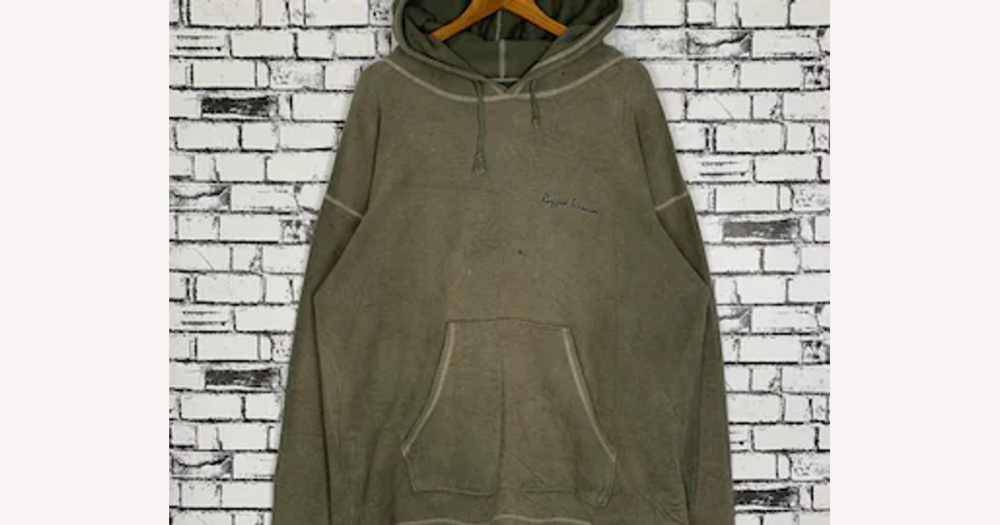
If you’re searching DHgate or other marketplaces for the “best” vintage Starter sweatshirt or hoodie, the most useful move isn’t hunting for one magic listing—it’s getting clear on your criteria. A good vintage-style Starter piece combines plausible brand heritage, substantial fabric, solid construction, wear you’re comfortable with, a fair price for that condition, and enough buyer protection that you’re not taking a blind gamble. This guide walks through how to recognize that mix and apply it to any listing, so you can browse with a realistic picture of quality and risk instead of just trusting the word “vintage” in a title.
Start by defining what “best” means for your vintage Starter hoodie
There isn’t a single universally “best” vintage Starter sweatshirt or hoodie on DHgate or anywhere else. What makes a piece good is how well it matches your own mix of priorities: credible Starter branding that fits the brand’s sportswear heritage, fabric that feels substantial rather than flimsy, clean construction, a condition level you’re comfortable wearing, a price that makes sense for that condition, and enough buyer protection from the platform and seller to feel safe placing an order.
For this guide, those dimensions are the criteria that matter. Brand credibility means logos, tags and designs that plausibly belong to licensed Starter sportswear, not just a random graphic with the word “Starter” added. Fabric and construction cover weight, fleece texture, ribbed cuffs and hems, and stitching quality. Condition includes things like pilling, cracking prints, stains or repairs. Price should line up with how rare and how worn the hoodie actually is. Platform protections on DHgate or elsewhere include clear order records, responsive messaging, and workable dispute and refund policies if the item arrives very different from its description.
Personally, I would prioritize heavier fabric and believable Starter branding over chasing the rarest team logo or trend graphic. A slightly more common design on a solid, weighty hoodie from a reliable seller is, to me, a better buy than a hyped graphic on a thin, uncertain garment. This guide won’t name specific listings or promise guaranteed authenticity; instead, it gives you practical criteria you can apply to any marketplace within those limits.
Once you define “best” as the right balance of heritage, build, condition, price and protection, it helps to understand what Starter’s vintage sportswear actually looked like so you can judge whether a listing’s design fits that picture.
Know Starter’s vintage sportswear look before you judge a listing
Starter built its name in the 1980s and 1990s on licensed team sportswear—think bold logo jackets, sweatshirts and hoodies tied to major leagues and college teams. The brand identity in that era was all about visible allegiance: big team marks, prominent Starter wordmarks or logos, and color schemes that matched official uniforms rather than random fashion palettes. You’ll often see the brand associated with varsity-style outerwear, but the same language of logos and team affiliation carried over into its sweatshirts and hoodies.
On vintage Starter tops, it’s common to see league badges (like NBA or NFL), team names and mascots, and the Starter logo placed on the chest, sleeve, hem, or near the neckline. Fonts tend to be bold and athletic rather than ultra-minimal, and color blocking can be strong—contrasting sleeves, stripes, or large panels in team colors. Fits from that period are often boxier or roomier than many modern slim-cut hoodies, with a bit more length and width through the body and sleeves.
Tag and branding details changed over time, and different product lines used slightly different layouts, so you shouldn’t treat any single tag style or logo placement as a precise date stamp or definitive proof of authenticity. Instead, use these patterns as a plausibility check: does the hoodie’s design look like something that would reasonably have been produced as licensed sportswear, or does it feel generic, off-brand, or oddly styled for a Starter piece?
When you’re judging listings, it’s usually safer to lean toward designs whose team logos, fonts, color combinations, and Starter marks feel consistent with that logo-heavy sportswear era and that show some kind of tag or branding inside the garment, rather than vague graphics with a small “Starter” mention and no clear signs of licensing. Visual heritage is only half the picture, though—the fabric and construction still have to feel solid if the hoodie is going to be worth buying, which is where the next criteria come in.
Check fabric and construction to approximate the vintage Starter feel
- Look for clear fabric descriptions such as “cotton” or “cotton/poly blend” and words like “fleece” in the listing. Loopback fleece usually shows small loops on the inside in close-up photos, while brushed fleece looks soft and slightly fuzzy inside; either can feel solid if the knit is dense rather than limp and thin.
- Use what you can see to judge approximate weight instead of chasing exact numbers. Photos that show a thick, structured body, cuffs that don’t collapse, and fabric that holds its shape suggest a heavier hoodie; descriptions that mention “heavyweight” or “thick fleece” also point toward a more vintage sportswear feel than “lightweight” or “thin” styles.
- Check for practical cues of substance: close-up shots of the interior that show brushing, a side view that reveals thickness at the cuffs and hem, and hands or a hanger that don’t overpower the fabric. If the hoodie looks paper-thin, overly drapey, or almost like a long-sleeve T-shirt, it’s unlikely to feel like an old-school Starter sweatshirt.
- Inspect construction details in zoomed photos. Sturdy ribbing at the cuffs and hem should look tightly knit and springy, not stretched out or wavy. Seams along the shoulders, sides, and sleeves should show straight, even stitching; double rows or reinforcement at stress points (like the neckline or underarm) are good signs of durability.
- Use zoom to spot warning signs: ribbing that’s badly distorted, lots of loose threads, uneven or puckered seams, or a neckline that looks like it might sag can all signal lower build quality or hard wear. That doesn’t automatically make a piece unusable, but it should be reflected in the price and how you plan to wear it.
- If your goal is a hoodie you’ll wear often, I would rather choose heavier fleece and clean construction over a rare graphic printed on flimsy fabric. Prioritizing material and build quality usually delivers a more comfortable, long-lasting sweatshirt, even if the design isn’t the most collectible.
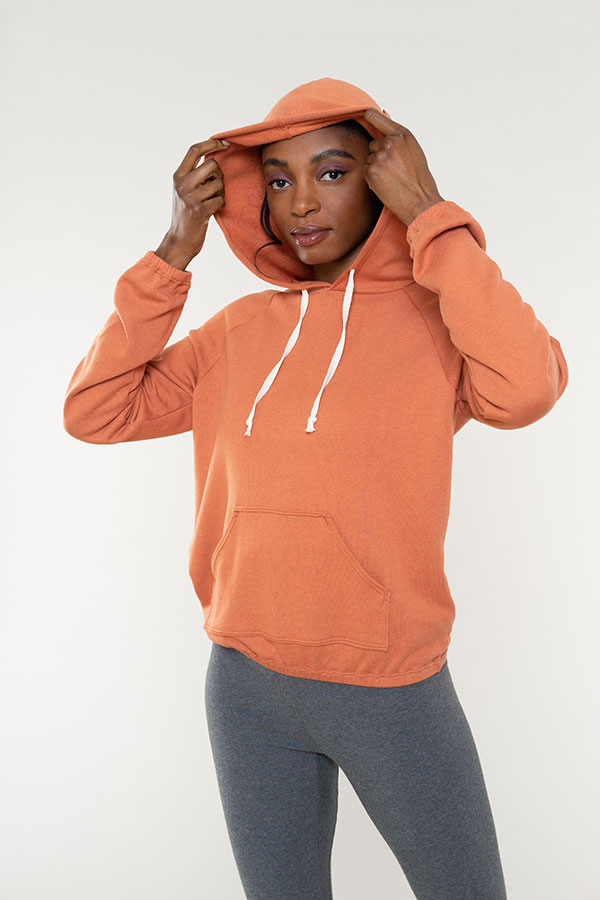
In listing photos, look for close-ups similar to this: shots that show the texture of the fabric, the ribbed hem and cuffs, and how neatly the seams are sewn. Those angles make it much easier to judge whether a hoodie has substantial fleece and solid construction or is thin and roughly finished.
Use tags, logos, and details as practical authenticity signals
Follow a step-by-step process to review any vintage Starter listing
- Read the title and description closely for clear Starter branding, specific team names or leagues, and honest language about age—such as “1990s,” “retro,” or “vintage-style.” Treat vague phrases like “inspired,” “style,” or contradictory wording about era as a sign to slow down and ask questions.
- Inspect every photo, especially close-ups. Look for inside tags showing the Starter name, size and care info, and for outside logos that match real teams or leagues. Pay attention to fabric texture, stitching at the seams, and visible wear such as fading, cracking, stains, or holes so you have a realistic picture of condition.
- Check the measurements against a hoodie or sweatshirt you already own instead of trusting size labels alone. Vintage pieces and some reproductions can run boxier or shorter, and natural shrinkage over time can change how they fit, so compare chest width, length and sleeve length to avoid surprises.
- Review seller information: overall rating, how many transactions they’ve completed, and detailed buyer reviews. Prioritize sellers whose feedback mentions accurate descriptions and honest condition notes, and pay attention to any customer photos that show how similar items look in real life.
- Confirm platform-level details before you order—shipping options and estimated delivery time, and the return, refund and dispute policies on DHgate or any marketplace you’re using. Make sure these protections feel adequate for the level of risk you’re taking on a vintage or vintage-style piece.
- Use this sequence to narrow listings toward those with credible branding, solid fabric and construction, and reliable sellers. It reduces uncertainty but cannot fully remove the risk that a piece feels different in person or is less authentic than photos suggest, so keep a little margin of caution in your final decision.
Know what you can and can’t verify from photos and descriptions
From photos and descriptions, you can usually verify the basics: what fabric the seller claims to use (cotton, cotton/poly fleece, etc.), whether the knit looks dense or thin, how smooth or fuzzy the inside appears, and whether seams and ribbed cuffs look clean and intact. Clear images also show the presence and style of Starter tags and logos, obvious flaws like stains, holes or heavy cracking in prints, and the overall fit and proportions. Measurements in the listing let you compare chest, length and sleeve dimensions to a sweatshirt you already own, and a seller’s feedback history reveals patterns in how reliably they describe items and handle problems.
What you can’t fully verify from a listing is just as important. Photos and text rarely prove exact fiber composition if the garment is mislabeled, or how the fabric will hold up after years of wear and washing. You can see that a tag or logo exists, but not always whether it’s original to the piece or a later replacement, and most sellers won’t know the precise production year or batch of a vintage hoodie. Non-visible issues—deep thinning of fabric, lingering odors, or weakened elastic that only shows up when worn—may not appear clearly in photos even when the seller isn’t trying to mislead you.
A thorough review using the earlier criteria, steps and checklists can sharply reduce the chance of a disappointing purchase, but it can’t remove uncertainty, especially with older, condition-sensitive sweatshirts and hoodies. Setting realistic expectations about what listings can and can’t prove helps you treat online verification as risk management, not a guarantee, and decide whether the remaining unknowns feel acceptable for the price, condition and protections available on DHgate or any other marketplace.
Decide between true vintage Starter and vintage-style alternatives
| Option type | Fabric and construction | Branding and heritage | Typical condition | Price and availability | Risk and sizing |
|---|---|---|---|---|---|
| True vintage Starter sweatshirts and hoodies | Often mid- to heavyweight fleece or thick cotton blends, but fabric density and feel can vary by era and wear; construction may include solid ribbing and older stitching methods that feel sturdy but less standardized than modern pieces. | Carry the strongest Starter heritage: period-correct logos, team or league marks and tag styles that align with the brand’s sportswear peak, which many collectors value for nostalgia and potential resale. | Usually show honest wear: fading, light cracking on prints, softened ribbing and occasional small flaws; truly mint pieces are rarer and may command a premium. | Prices can be higher and more volatile, depending on team, design rarity and condition; specific sizes or graphics may be harder to find and can disappear quickly. | Greater uncertainty around exact fit and tag accuracy, and more variation in shrinkage and measurements; you may need to accept more risk and read measurements carefully if you prioritize heritage over predictability. |
| Modern reissues and vintage-style alternatives | Typically use modern fleece or cotton blends with more consistent weight and construction; many feel substantial and are built for everyday wear, with predictable ribbing and seams. | May carry Starter branding or generic retro graphics that reference sportswear without being tied to a specific era; heritage feel is there, but the historical authenticity is weaker than true vintage. | Condition is usually clean: minimal fading, no intentional distress beyond design choices, and fresher ribbing and prints, which suits buyers who want a polished everyday hoodie. | Prices often sit in a more predictable range and inventory is easier to replace if one listing sells; buyers can focus on fabric and comfort without chasing rare graphics. | Lower overall risk and more reliable sizing, since modern production and clearer measurements reduce surprises; if you value comfort, heavy fabric and trustworthy sellers over strict vintage provenance, this category is often the safer choice. |
Use a final checklist to judge whether a listing is a good candidate
- Use this as a quick filter: if a listing passes most of these checks, it’s likely worth shortlisting; if it fails several, I would move on.
- Fabric content and apparent weight: look for clear cotton or cotton-blend descriptions and photos that show denser fleece or knit, not paper-thin fabric.
- Construction quality: check close-up photos of ribbed cuffs and hem, seams and stitching; neat, even stitching and firm ribbing suggest better durability.
- Starter branding and tags: prefer listings with consistent Starter logos and woven tags; avoid obvious misspellings, mismatched league marks or tags that look generic for the claimed era.
- Condition and wear: make sure visible fading, cracking, stains or repairs match the description and feel acceptable for the asking price.
- Measurements and fit: compare the listing’s measurements to a hoodie you own and like, rather than relying only on tag size, to reduce sizing surprises.
- Price versus condition and brand appeal: ask whether the price makes sense for the mix of fabric quality, condition and Starter or team heritage you’re actually getting.
- Seller reliability and platform protections: favor sellers with solid ratings and detailed reviews, and check DHgate’s dispute and refund policies so you know your options if the hoodie arrives very different from the listing.
- Personally, I’d rather choose a heavy, well-made hoodie from a reliable seller with credible branding than chase a rare print from a listing that feels shaky; dedicated collectors might reasonably make the opposite trade-off if design and scarcity matter more to them.
FAQ: common vintage Starter hoodie questions and DHgate issues
What does “single stitch” mean on a vintage sweatshirt or hoodie, and why do people care about it?
In vintage clothing, “single stitch” usually refers to hems or sleeve edges finished with one visible row of stitching rather than the double rows common on newer garments. Single-stitch hems were standard on many T-shirts and sweatshirts before the mid-1990s, so the term is often used as a rough era cue. It’s helpful as a descriptive detail but it doesn’t guarantee age, quality, or authenticity—modern reproduction brands sometimes use single-stitch construction for a retro look, and a piece can be well-made or poorly made regardless of hem style.
What’s the difference between screen-printed and embroidered graphics, and how does each wear over time?
Screen-printed graphics are made by pushing ink through a stencil onto the fabric; they tend to sit flat, can show fine detail, and often feel softer once they’ve broken in. Over time, prints usually fade and may crack, especially on heavy use areas, which is common on genuine vintage sweatshirts. Embroidery uses thread stitched into the fabric, creating a raised, textured design that’s generally more resistant to fading and can look sharper for longer, though loose threads or snagging are possible. Choosing between them is mostly about the look and feel you prefer; both can be durable when the hoodie’s base fabric and construction are solid.
Which flaws are normal vintage wear on a sweatshirt, and which issues feel more like misrepresentation if they weren’t disclosed?
Typical vintage wear includes moderate fading, some softness in the ribbed cuffs and hem, light pilling, and minor cracking in printed graphics—these can even be part of the appeal if the listing describes them honestly. By contrast, larger holes, heavy or widespread staining, strong odors, torn ribbing, broken seams, or deep fabric thinning are structural or condition problems many buyers would consider misrepresented if they weren’t clearly shown and described. If you’re comfortable with certain flaws, make sure the listing photos and text acknowledge them; significant hidden damage is a good reason to question the seller or avoid the listing altogether.
What can I do on DHgate if a hoodie arrives with different material, branding, or condition than the listing showed?
Start by keeping all communication on DHgate: message the seller through the platform, explain the differences you’ve found, and attach clear photos comparing the delivered hoodie to the listing’s images and description. If the seller doesn’t resolve the issue or the gap is obvious—such as different fabric content, missing or incorrect branding, or much heavier wear than stated—you can explore DHgate’s dispute or refund options within its rules and time limits, using your order record and messages as evidence. Read the site’s policies before you buy, act promptly if there’s a problem, and avoid giving guarantees or legal assumptions beyond what DHgate itself states in its help and policy pages.